How to Choose the Right Light Modifier for Portrait Photography (A Practical Breakdown)

How to Choose the Right Light Modifier for Portrait Photography (A Practical Breakdown)

Picking a light modifier used to feel like guessing to me. I’d grab whatever was already on the stand, fire a few test shots, decide something looked “off,” and then spend twenty minutes swapping gear and second-guessing myself. It wasn’t until I started systematically comparing modifiers side by side - same subject, same position, same power - that I actually understood what each one was doing to the light, and why.
Stop Leaving Dead Weight in Your Photos: A Cropping Framework That Actually Works

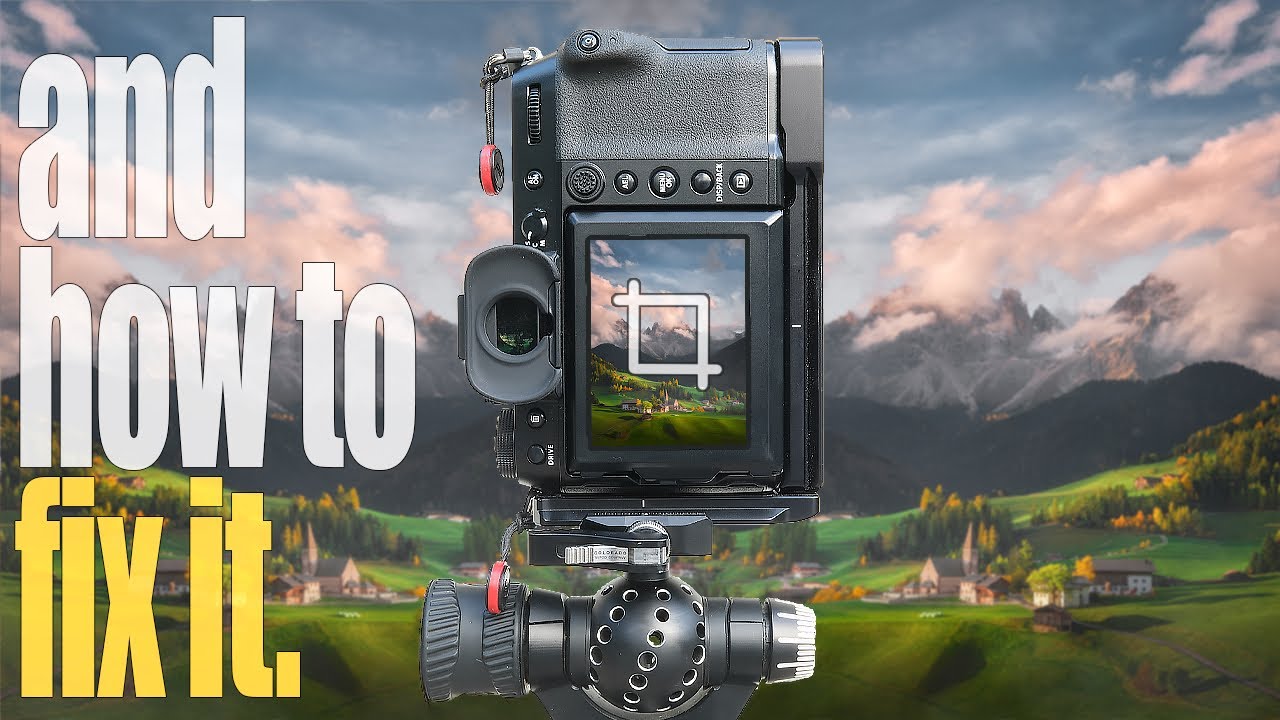
Stop Leaving Dead Weight in Your Photos: A Cropping Framework That Actually Works

Every Sunday morning I take a photo walk. No agenda, no client, just me and whatever camera I feel like grabbing. And for years, I’d come home with shots I liked but couldn’t quite love. The framing felt loose. The subject was there, but so was a lot of other stuff, and all that extra stuff was quietly killing the image. I’d stare at the photo trying to figure out what was off, and honestly, I’d usually just move on.

Shoot Lighter, See Fresher: Street Photography Lessons from Sean Tucker's X100 Workflow

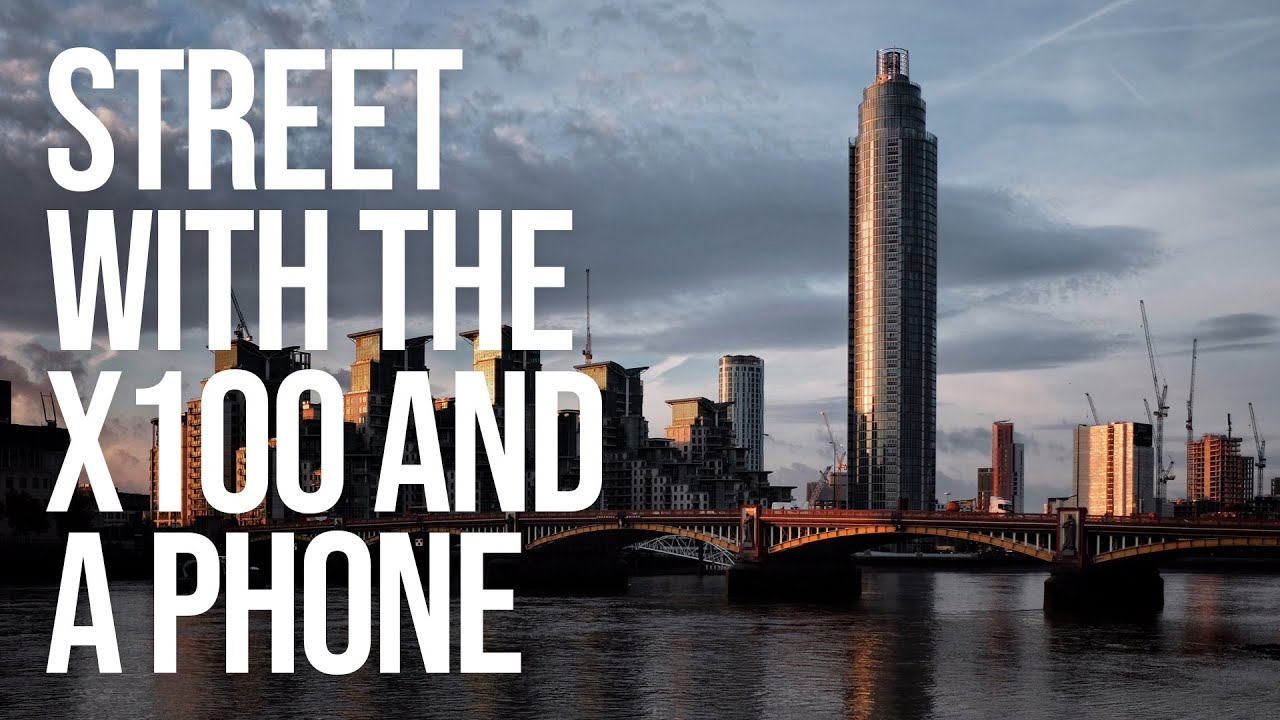
Shoot Lighter, See Fresher: Street Photography Lessons from Sean Tucker's X100 Workflow

Every Sunday morning I take a photo walk around Seattle. No agenda, no shot list. Just me, a camera, and whatever the city decides to show up as that week. It sounds idyllic, and mostly it is, but for a long time I kept making the same mistake: I’d haul my full kit, second-guess every shot because the stakes felt too high, and come home with technically fine images that felt completely lifeless.

How to Edit Travel Photos That Already Look Good (Without Wrecking Them)

How to Edit Travel Photos That Already Look Good (Without Wrecking Them)

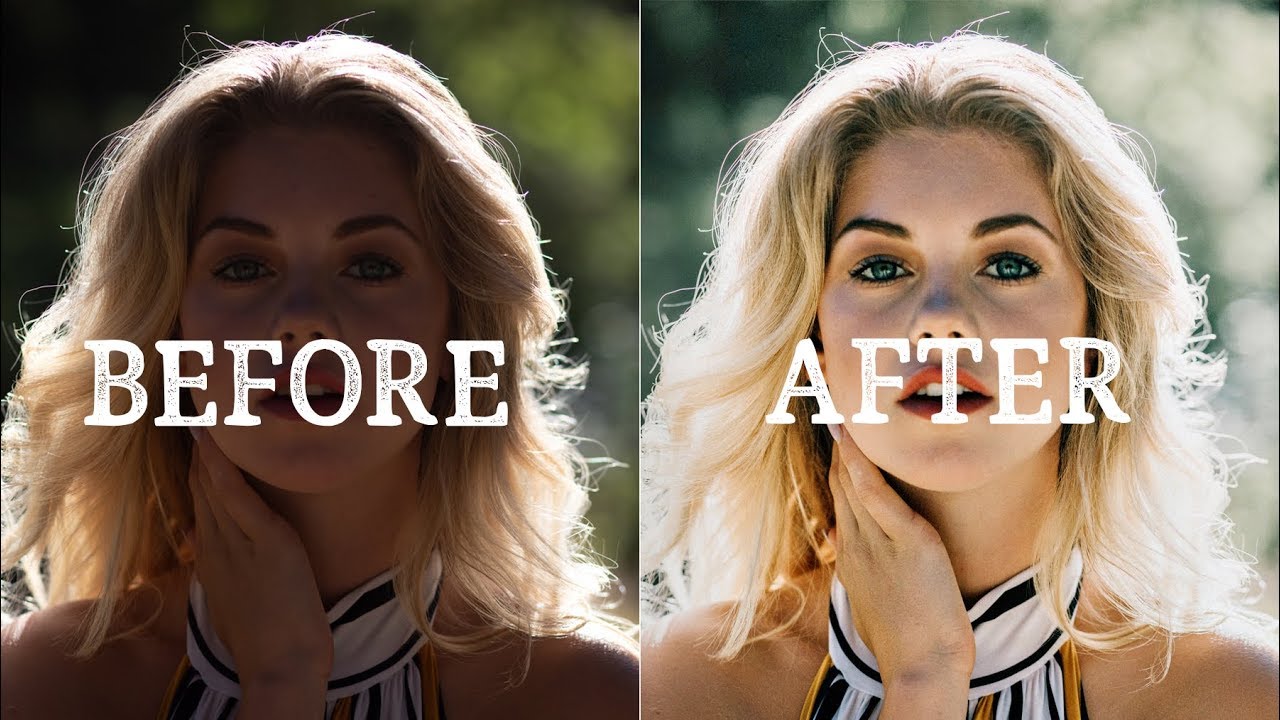
Every Sunday morning I take a photo walk through whatever neighborhood I end up in, and I come home with a card full of shots that are already pretty decent. That’s where I always used to get stuck. The photos that need a lot of work are easy to approach because anything you do is an improvement. But the ones that are already good? I’d over-edit them every single time, chasing some imaginary better version until the light felt fake and the colors looked like a video game.

Beauty Dish vs. Octabox: How to Actually See the Difference Before You Buy

Beauty Dish vs. Octabox: How to Actually See the Difference Before You Buy

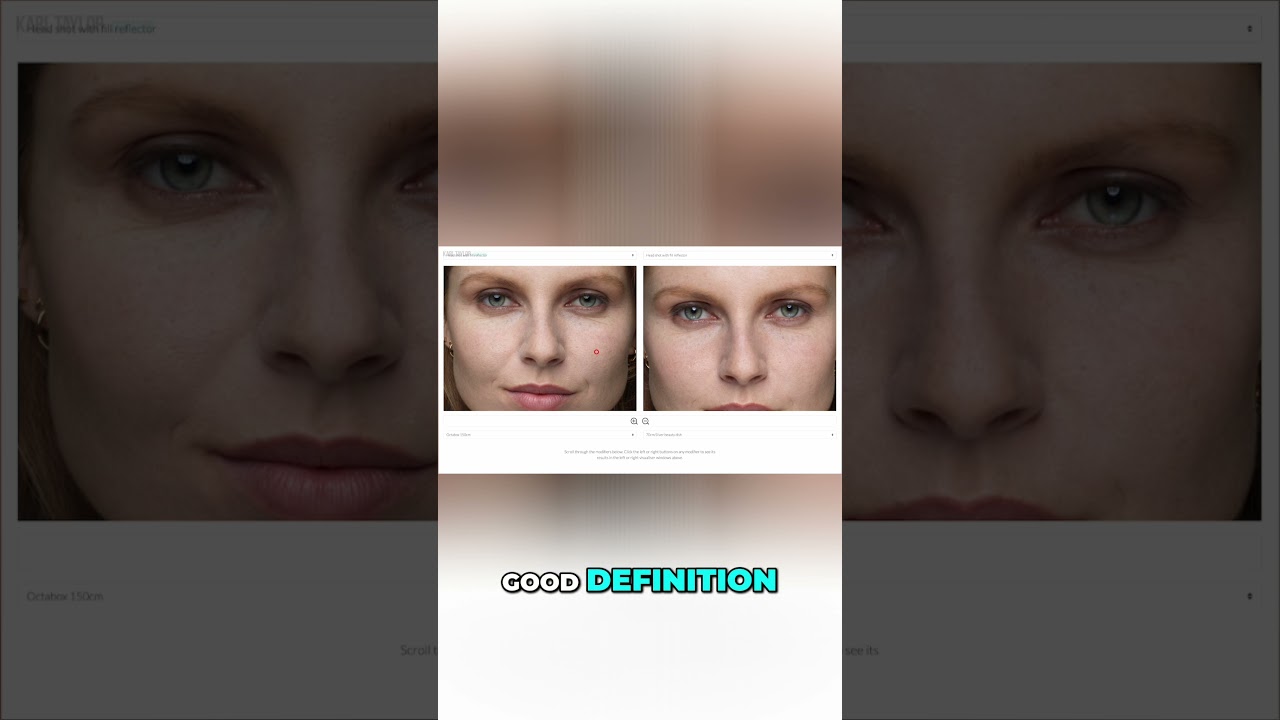
One of the questions I get most often from photographers who are moving from natural light into their first studio setup is some version of: “Which modifier should I buy?” And I used to fumble that answer because the honest truth is, it depends on what you’re going for and most beginners have never had a side-by-side look at what different modifiers actually do to a face. That changed for me when I started being more deliberate about comparing gear in a controlled way rather than just swapping things out mid-shoot and guessing.

Two Tiny Notebooks That Killed My Phone Addiction (And Made Me a Better Photographer)

Two Tiny Notebooks That Killed My Phone Addiction (And Made Me a Better Photographer)

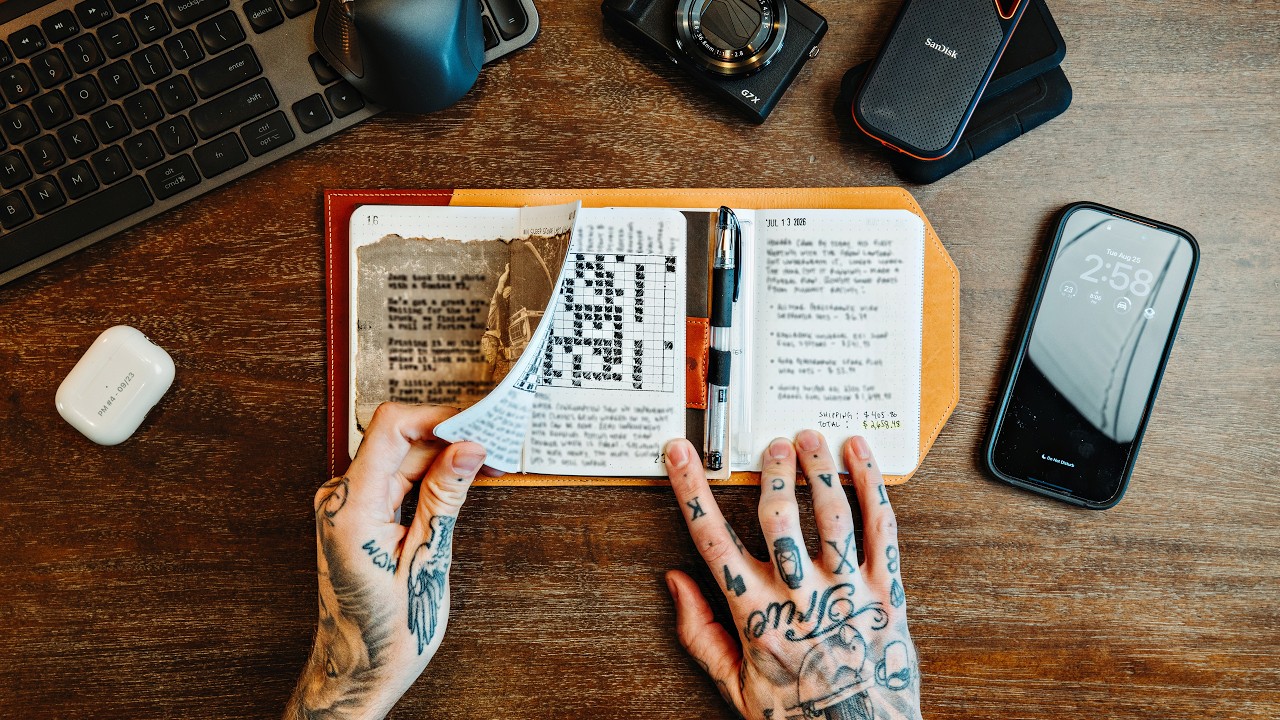
I shoot with my phone sometimes on purpose, just to prove it’s not the gear that matters. But here’s the thing I had to admit to myself last year: I wasn’t picking up my phone to shoot. I was picking it up to scroll. To check notifications. To fall into a thirty-minute Instagram hole when I should have been editing the shoot from the weekend before. My phone had quietly become the biggest obstacle between me and my actual creative work, and I didn’t even notice until my Sunday photo walks started feeling distracted instead of meditative.

What Watching Karl Taylor Work Live Taught Me About Shooting Under Pressure

What Watching Karl Taylor Work Live Taught Me About Shooting Under Pressure

There’s a particular kind of pressure that doesn’t show up in any camera manual. It’s the pressure of shooting when people are watching you. I felt it the first time I demonstrated a shoot for a small group at a coffee shop meetup, and my hands genuinely shook while I adjusted my settings. I kept second-guessing myself, switching between modes I already knew, because suddenly every decision felt public. That’s why live photography demonstrations fascinate me so much.

Stop Setting Up Your Tripod So Fast — Three Physical Shifts That Transform Your Compositions

Stop Setting Up Your Tripod So Fast — Three Physical Shifts That Transform Your Compositions

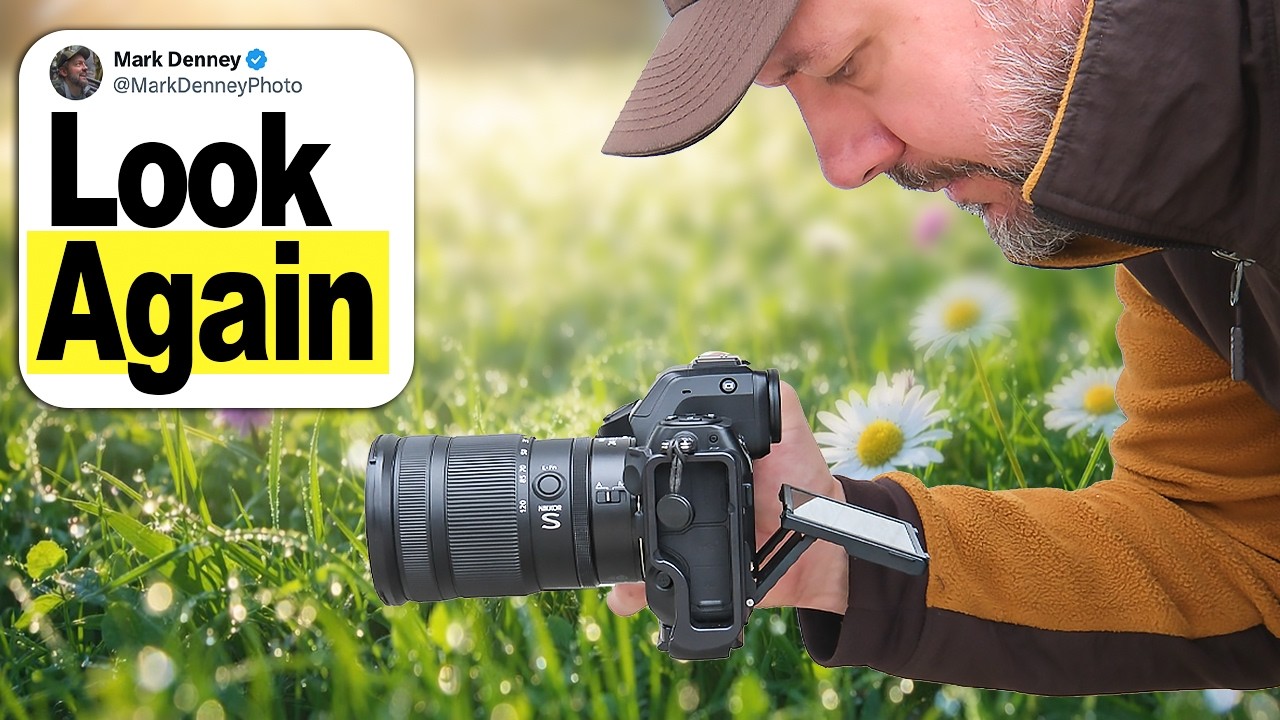
Every Sunday morning I take a photo walk around Seattle, and for an embarrassing stretch of time, I came home with the same kinds of shots week after week. Same angles, same horizon placement, same feeling of “this is fine, but it’s not exciting.” I wasn’t doing anything wrong technically. The exposures were solid, the focus was clean. But something was missing, and I couldn’t name it until I watched a tutorial that finally put words to the problem.

GoPro Bones Explained: What FPV Pilots Need to Know About the Stripped-Down GoPro

GoPro Bones Explained: What FPV Pilots Need to Know About the Stripped-Down GoPro

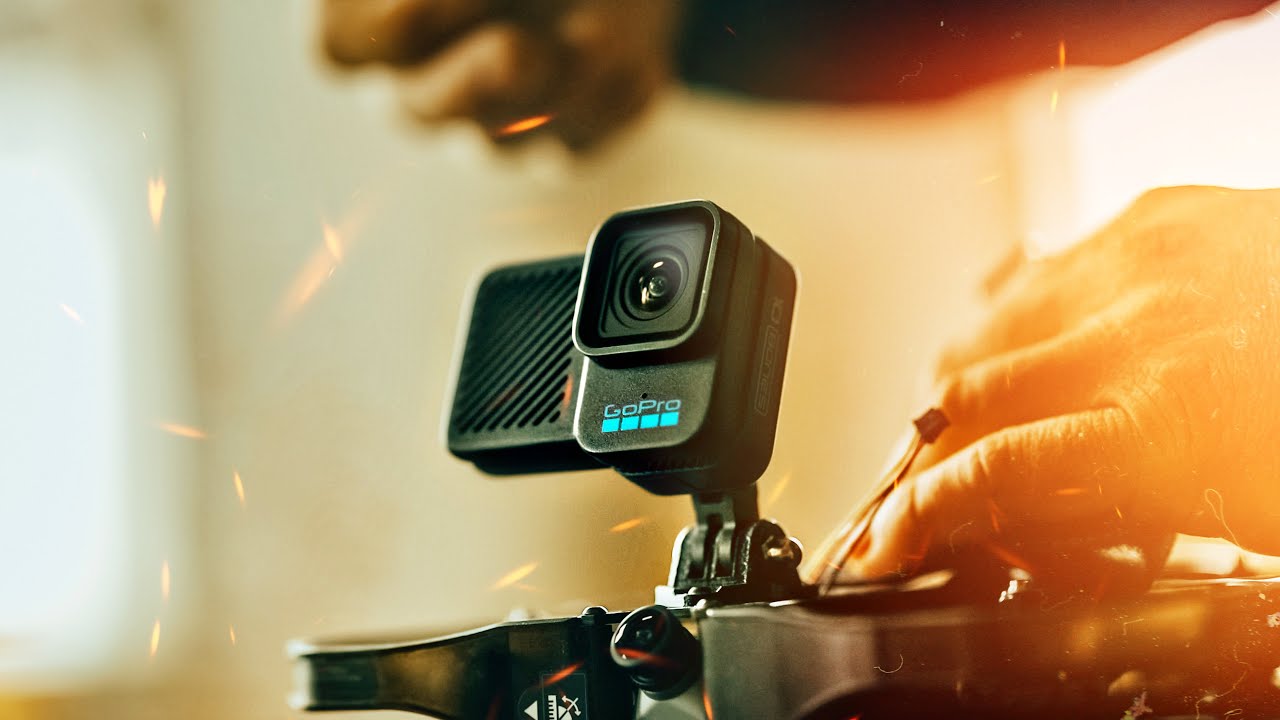
I have a confession: I used to think FPV drone footage was just chaotic video of things flying very fast and very close to other things. Then I started paying real attention to the skill behind it, and now I can’t look away. The problem I kept running into when researching FPV setups for travel shoots was weight. Specifically, how to get good camera quality on a drone that stays light enough to fly legally without a commercial license.

So You Want to Photograph the Hard Stories: A Beginner's Guide to Documentary and Conflict Photography

So You Want to Photograph the Hard Stories: A Beginner's Guide to Documentary and Conflict Photography

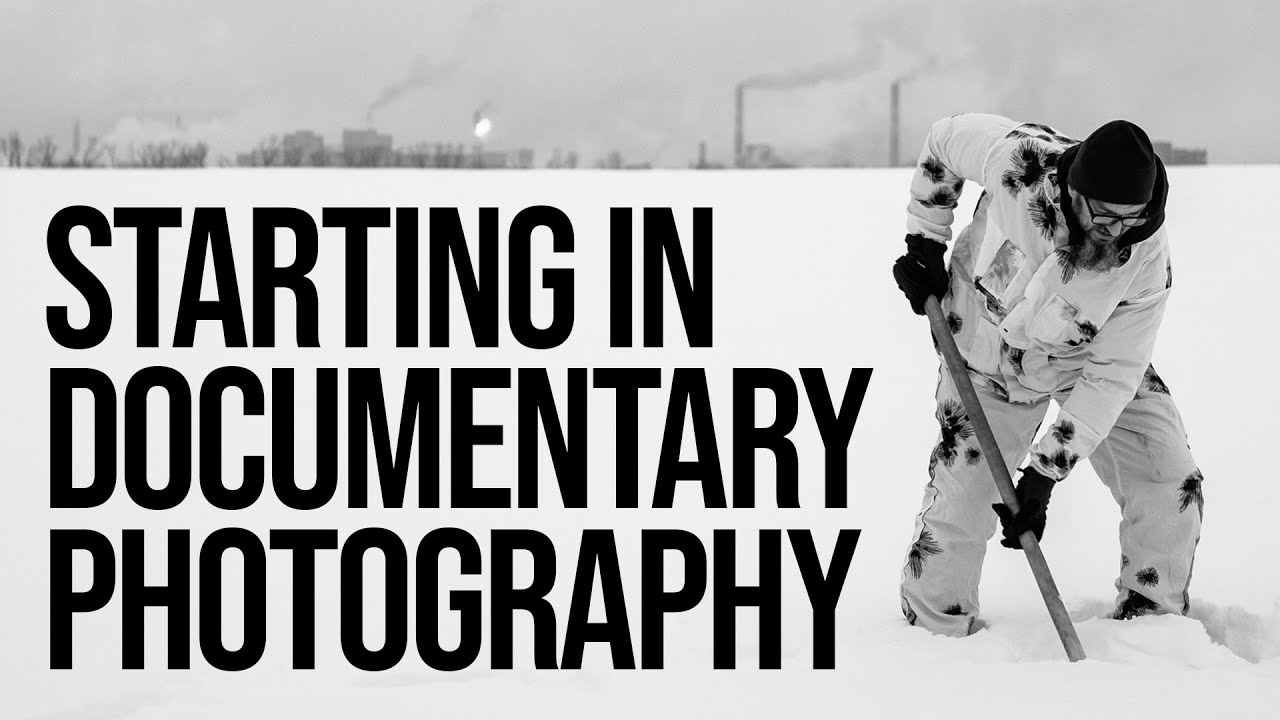
There’s a category of photography I’ve always admired from a respectful distance. Not landscape work, not portraiture. I mean the photographers who walk into the hardest places in the world and come back with images that make you stop scrolling and actually feel something. I’ve spent a lot of time on the technical side of photography, teaching exposure triangles and composition rules, but I’ll be honest with you: the “why do you do this” question is one I find far more interesting than the “how do you do this” question.

Why Printing Your Photos Is the Missing Half of Your Photography Practice

Why Printing Your Photos Is the Missing Half of Your Photography Practice

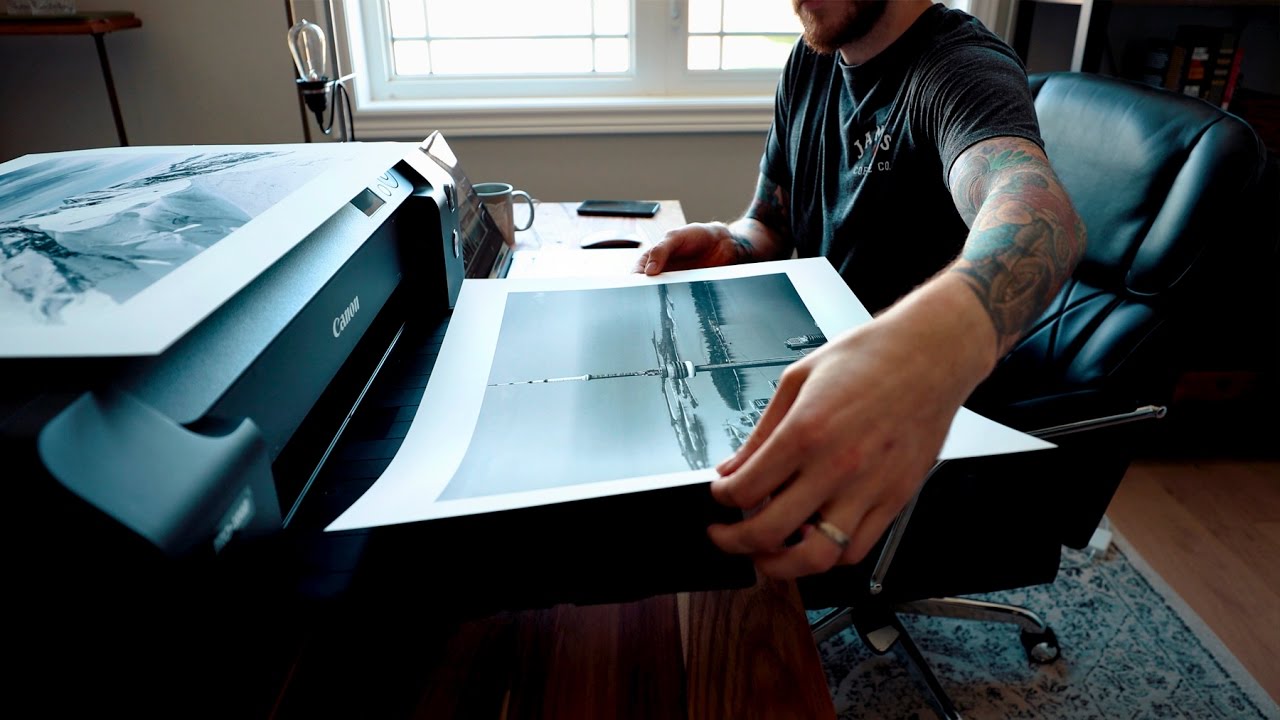
Every Sunday morning I take a photo walk around my neighborhood in Seattle. I shoot, I edit, I post. Then I move on. For years that was the entire arc of a photograph for me: capture, process, publish, repeat. It wasn’t until I started printing some of my favorite shots that I realized I had been cutting the process in half without even knowing it. That’s exactly what Peter McKinnon digs into in this tutorial, and it hit closer to home than I expected.

Aperture and Depth of Field, Finally Explained in a Way That Actually Sticks

Aperture and Depth of Field, Finally Explained in a Way That Actually Sticks

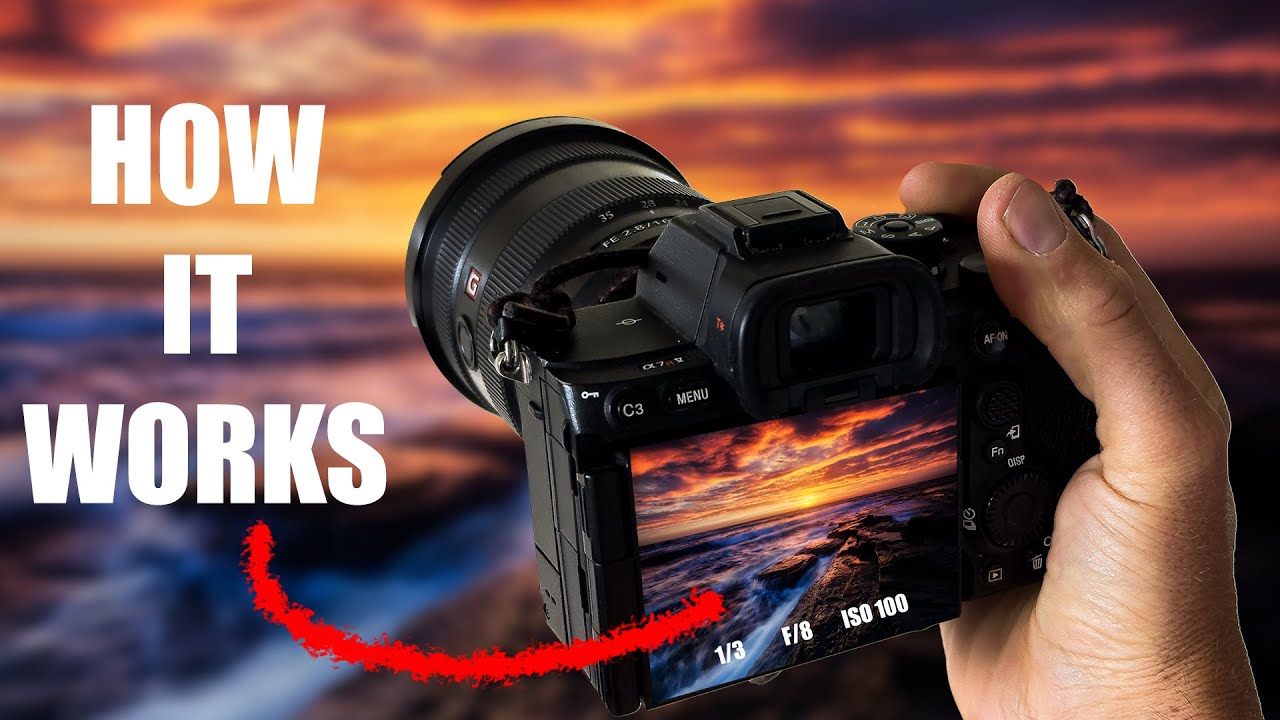
Every Sunday morning I’m out walking with my camera, and I still run into beginners who are shooting in full auto because aperture confuses them. Not bores them. Confuses them. The numbers go the wrong direction, the results feel unpredictable, and nobody ever explains what’s actually happening inside the lens. I get it. It tripped me up too. That’s exactly why I appreciated stumbling onto this William Patino tutorial on aperture and depth of field.