6 Photography Bad Habits You Need to Break (And How to Actually Do It)

6 Photography Bad Habits You Need to Break (And How to Actually Do It)

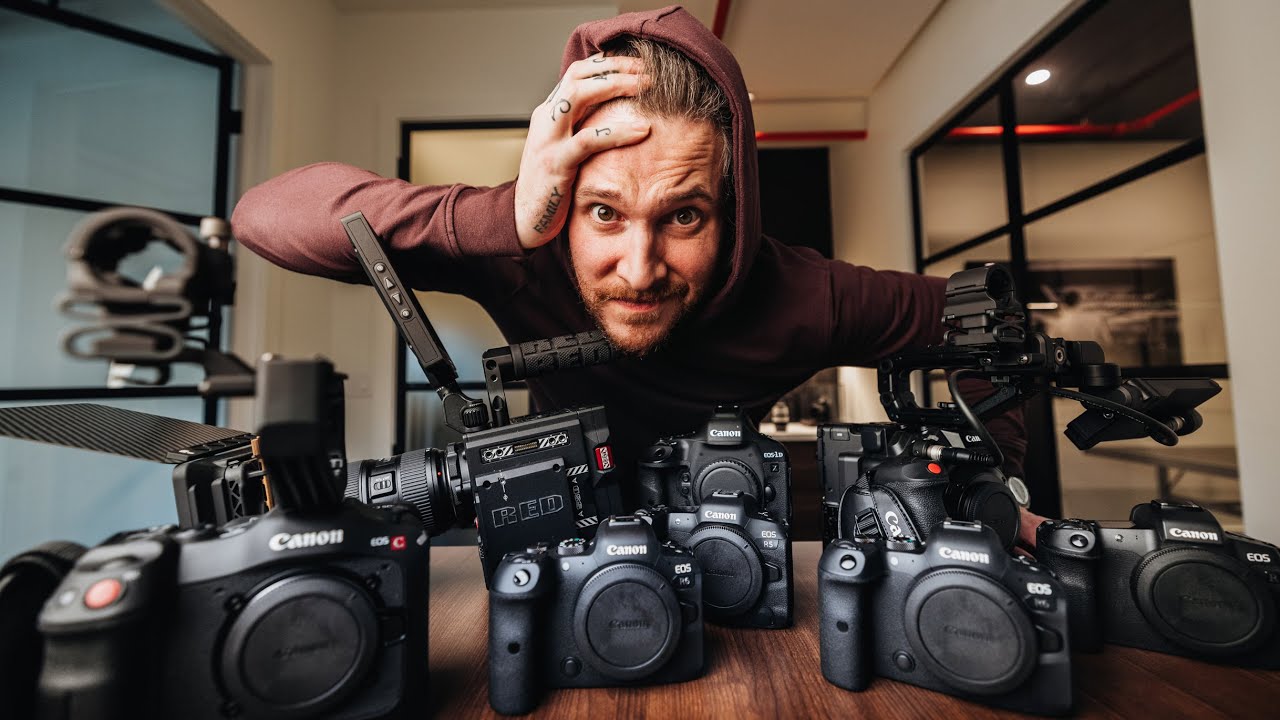
Every photographer I know has a list of things they wish someone had called them out on earlier. Not gear mistakes or technical errors, but habits. The quiet, low-stakes decisions that compound over time until one day you realize they’ve been quietly capping your growth for years. I came across this Peter McKinnon tutorial a while back and ended up pausing it four times to take notes, which doesn’t happen often.

How to Photograph Ice Caves: Lessons from a Glacier Overnight Trip

How to Photograph Ice Caves: Lessons from a Glacier Overnight Trip

There’s a specific kind of photography problem I think about a lot: what do you do when the location does everything right, and you still come home with flat images? You had the dramatic setting. You had the weird, beautiful light. And somehow the photos look like a postcard someone already took. I’ve been in that exact situation more times than I’d like to admit, usually in places where I only get one shot at it.

When Everything Goes Wrong: What Nigel Danson's Worst Photography Day Teaches Us About Shooting in Bad Conditions

When Everything Goes Wrong: What Nigel Danson's Worst Photography Day Teaches Us About Shooting in Bad Conditions

There’s a version of photography that lives on Instagram — golden hour, perfectly packed camera bag, zero wind. Then there’s the version most of us actually live, which involves wet gloves, gear that breaks at the worst possible moment, and at least one decision you’ll spend the drive home regretting. I’ve had those days. One Sunday morning walk in Seattle I dropped my 50mm on a wet dock and spent the rest of the shoot on my phone, refusing to go home empty-handed.

How to Light a Product Shot Like a Pro (Using Scrims, Softboxes, and a Piece of Foil Card)

How to Light a Product Shot Like a Pro (Using Scrims, Softboxes, and a Piece of Foil Card)

Product photography has a reputation for being intimidating, and honestly, for a long time I avoided it. I’m a lifestyle and travel shooter at heart. Give me golden hour on a mountain trail and I’m happy. But clients don’t always want mountains. Sometimes they want a bottle of whiskey looking like it belongs in a magazine spread, and that used to send me scrambling. What changed things for me was watching how working commercial photographers actually think through a product setup, not just the gear list, but the logic behind every decision.

The Portrait Photographer's Real Job (And Why Your Subject Is Working Against You)

The Portrait Photographer's Real Job (And Why Your Subject Is Working Against You)

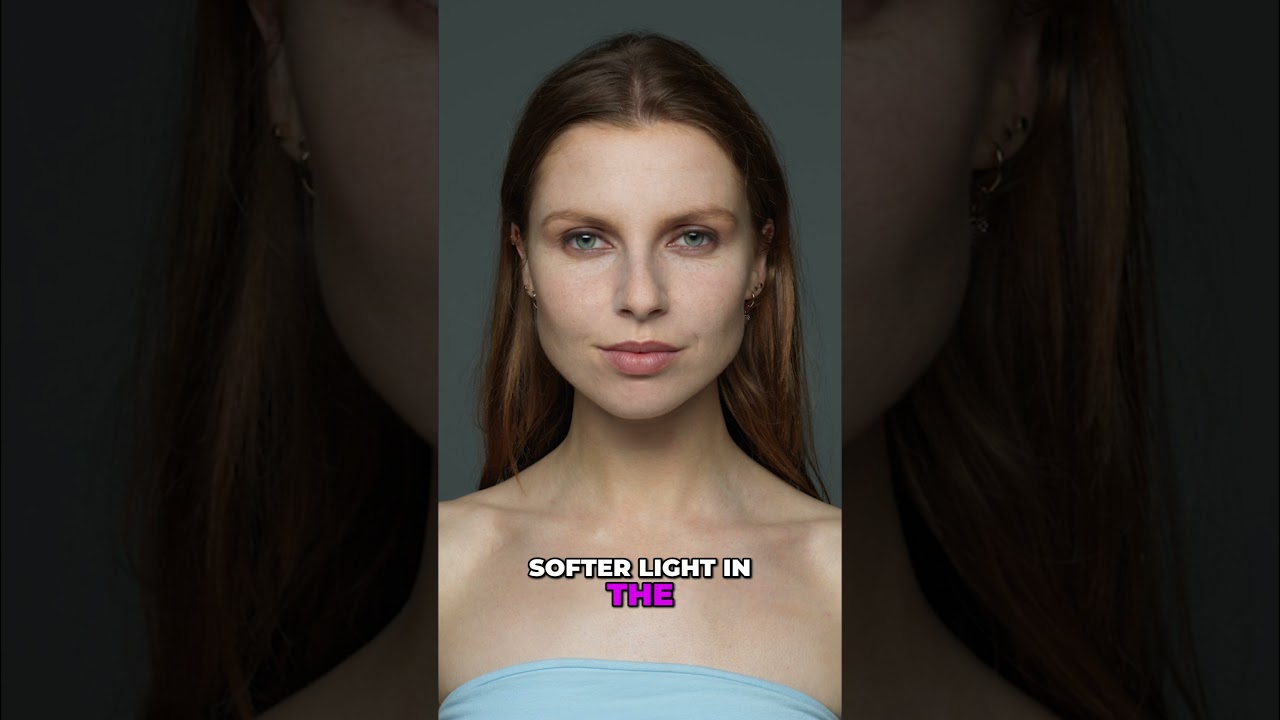
Portrait sessions make me nervous in a way that landscape work never does. A mountain doesn’t care how it looks. A person absolutely does. And for the longest time, I couldn’t quite name what was actually happening in those first few awkward minutes of a shoot, when my subject is smiling too hard or standing too stiff, and I’m firing off frames that look technically fine but feel completely hollow.

What a Pro Packs for Travel Photography in 2025 (And Why the Bag Setup Matters More Than the Gear)

What a Pro Packs for Travel Photography in 2025 (And Why the Bag Setup Matters More Than the Gear)

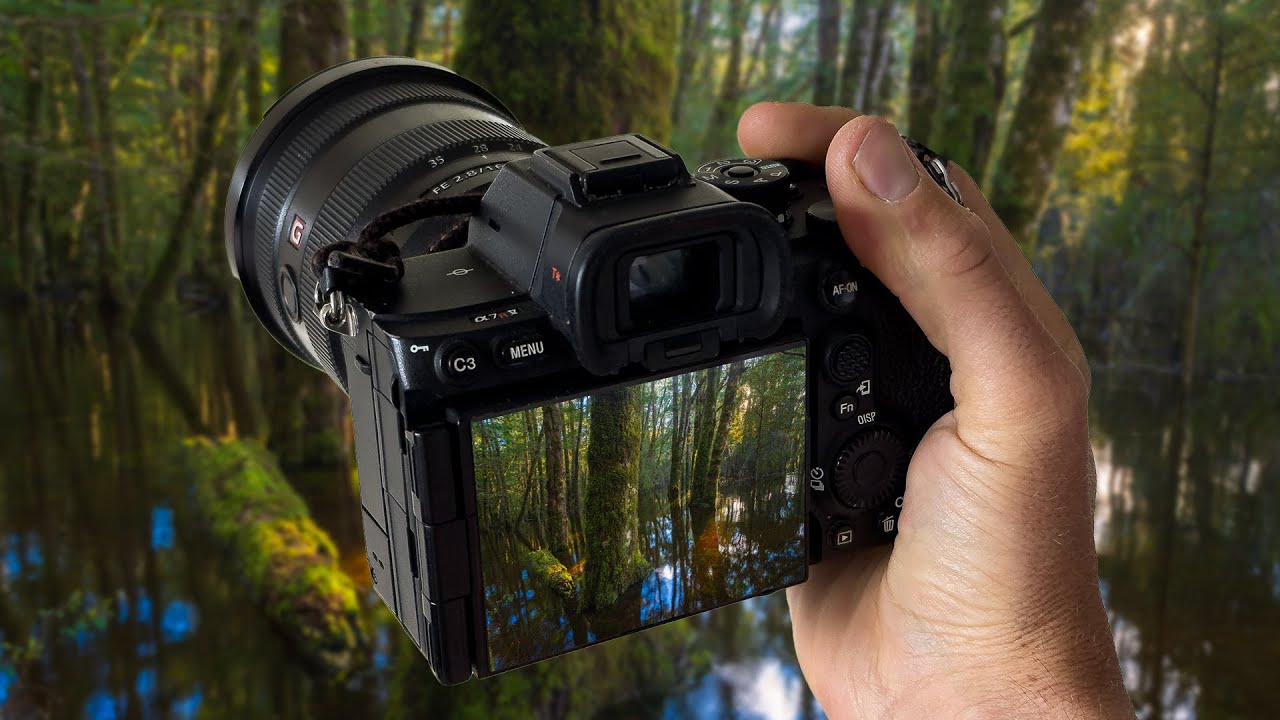
Every time I repack my bag before a trip, I second-guess myself. Do I need the second lens? Is the tripod worth the weight? I’ve overpacked for a weekend in Portland and underpacked for a two-week shoot in Iceland (yes, I learned this the hard way). So when I sat down with Peter McKinnon’s 2025 travel camera bag breakdown, I wasn’t looking for a shopping list. I was looking for the reasoning behind the choices, and that’s exactly what this video delivers.

What Happens When 3 Photographers Shoot the Same Model (And What It Taught Me About My Own Style)

What Happens When 3 Photographers Shoot the Same Model (And What It Taught Me About My Own Style)

The Uncomfortable Question I Keep Avoiding Last month I was shooting a friend for her brand refresh, and about twenty minutes in I realized I was making the same three choices I always make. Same shooting angle, same light side of the face, same “look slightly off camera” direction. She looked great. The photos were fine. But fine isn’t what either of us was hoping for. That’s the problem no one really talks about: developing a personal style is great, until that style becomes a rut you can’t climb out of mid-shoot.

3 Photography Fundamentals Hidden in a Deck of Cards (And Why They Still Matter)

3 Photography Fundamentals Hidden in a Deck of Cards (And Why They Still Matter)

There’s something I’ve noticed after years of teaching photography: the basics never stop being useful. They just stop feeling exciting. Negative space, golden hour, shooting local characters. These concepts show up in every beginner’s guide, get skimmed over, and then quietly become the foundation of every great shot someone eventually takes. The problem isn’t that photographers don’t know these ideas. It’s that nobody ever slows down long enough to make them feel real and actionable.

Starting Before You're Ready: What Peter McKinnon's Journey to 1 Million Subscribers Taught Me About Creative Risk

Starting Before You're Ready: What Peter McKinnon's Journey to 1 Million Subscribers Taught Me About Creative Risk

There’s a photo on my phone that I’ve never posted anywhere. It’s slightly blurry, taken in bad light, and the composition is nothing special. But I look at it constantly, because it’s from the week before I started seriously teaching photography. It captures something true about where I was, even if it captures it imperfectly. I thought about that photo the entire time I watched this milestone video from Peter McKinnon.

How to Use Layered Foregrounds for Stunning Wide-Angle Landscape Photos (Lessons from Mount Cook)

How to Use Layered Foregrounds for Stunning Wide-Angle Landscape Photos (Lessons from Mount Cook)

I spent an entire vacation chasing a single waterfall shot. I kept moving closer to the falls, trying to fill the frame with water and mist, and every image came back looking flat. The problem wasn’t the location. It was that I kept removing myself from the scene, getting closer and closer until there was no sense of scale, no journey for the eye to take. That instinct to walk right up to your subject and shoot is one of the hardest habits to unlearn, and it quietly ruins more landscape photos than almost any technical mistake.

One Rejection Almost Ended Joel Grimes' Career — Here's What He Did Instead

One Rejection Almost Ended Joel Grimes' Career — Here's What He Did Instead

There’s a moment most photographers don’t talk about. Not the moment they got their first paying client, or the day their work finally clicked. The moment they almost stopped entirely. I’ve had mine. A travel client once looked at six months of work I’d poured everything into and said, “These feel a little generic.” I drove home in silence and genuinely wondered if I should just go back to my old job.

Why Most of Your Wildlife Photos Fail (And the Field Habits That Actually Fix It)

Why Most of Your Wildlife Photos Fail (And the Field Habits That Actually Fix It)

Every Sunday morning I do a photo walk around my neighborhood in Seattle, and I cannot tell you how many times I’ve come home with nothing worth keeping. Not because the light was bad or the subject wasn’t there, but because I wasn’t actually ready when the moment showed up. My card was slow, my battery was half dead, or I was so busy thinking about settings that the heron I’d been watching for twenty minutes just… left.