How to Actually Win Photography Competitions (A Judge Explains What They're Really Looking For)

How to Actually Win Photography Competitions (A Judge Explains What They're Really Looking For)

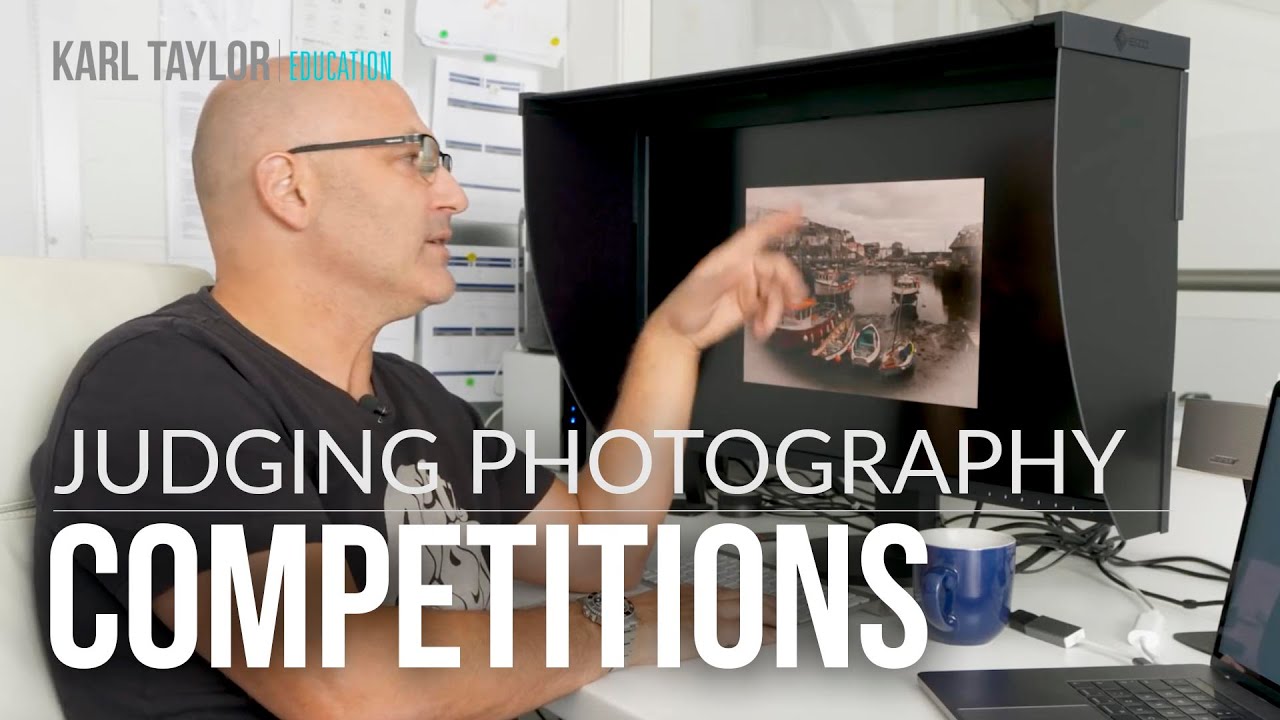
Every few months I submit work to photography competitions, and for a long time I kept making the same quiet mistake. I’d scroll through my Lightroom catalog, find something I was genuinely proud of, and send it in thinking, “This is strong work. Surely that’s enough.” It wasn’t. The results were a lesson I didn’t fully understand until I watched Karl Taylor’s competition breakdown over at Visual Education. Watch the full tutorial on YouTube
Street Photography Has No People Rules: How to Find Stories in Empty Spaces

Street Photography Has No People Rules: How to Find Stories in Empty Spaces

Every Sunday morning I do a photo walk around Seattle, rain or shine. And for the first couple of years, I came home frustrated on the weeks when the streets were quiet. No interesting faces, no decisive moments, nothing that felt like “real” street photography. I’d basically trained myself to believe that people were the whole point, and without them I had nothing to shoot. That belief cracked wide open when I watched Sean Tucker’s tutorial on shooting street photography without people in the frame.

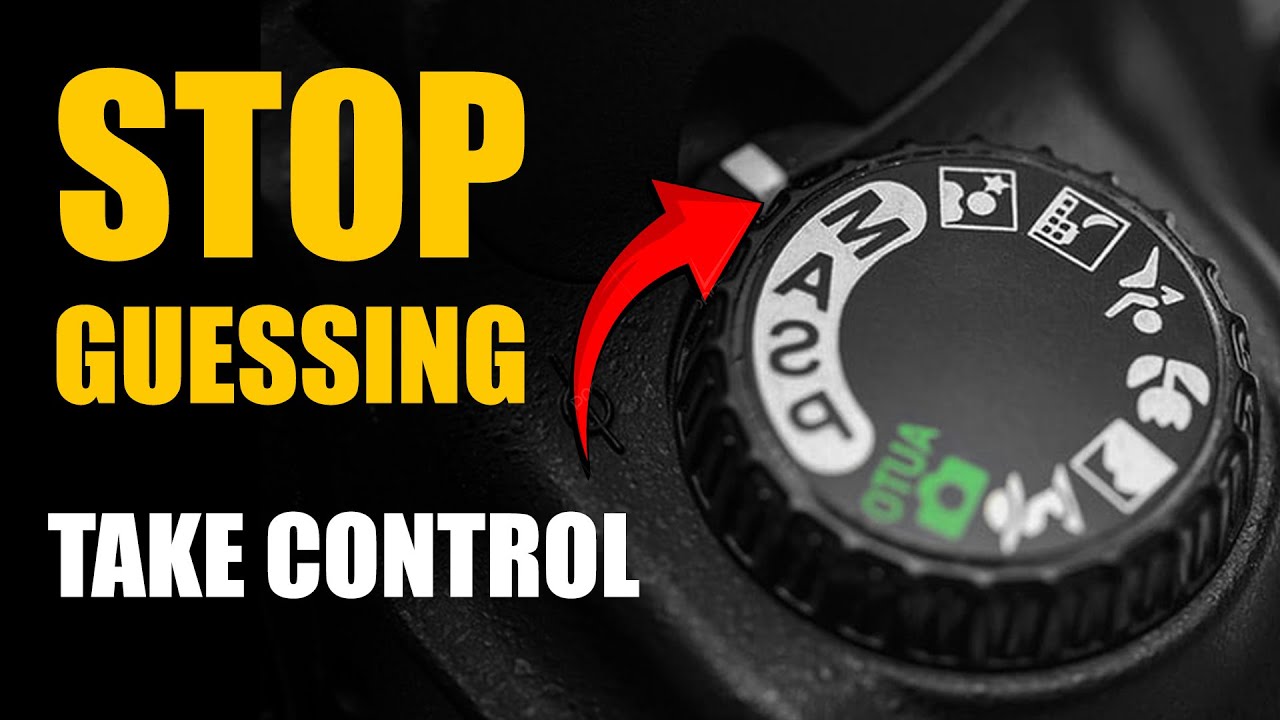
From Auto to Manual: A Beginner's Guide to the Exposure Triangle

From Auto to Manual: A Beginner's Guide to the Exposure Triangle

There’s a specific kind of frustration that comes from handing your camera to someone at dinner, watching them point it at you, and hearing the shutter click — knowing the camera is making every decision. I stayed in auto mode longer than I should have, honestly. It felt safe. But “safe” also meant I was getting the camera’s interpretation of a scene, not mine. The moment I understood the exposure triangle, that changed completely.

NASA's Color Science Breakthrough: A Game-Changer for Photography Editing

NASA's Color Science Breakthrough: A Game-Changer for Photography Editing

NASA’s Color Science Breakthrough: A Game-Changer for Photography Editing I recently learned about a fascinating development in photo editing technology that’s making waves in the photography community. Scientists at NASA have created software based on sophisticated color analysis principles, and it’s changing how we approach image enhancement in ways I find genuinely exciting. The Problem with Traditional Saturation Adjustments Let me start with something you’ve probably experienced yourself. You’re working on an image in your favorite editing software, and you reach for the saturation slider hoping to reveal hidden details.

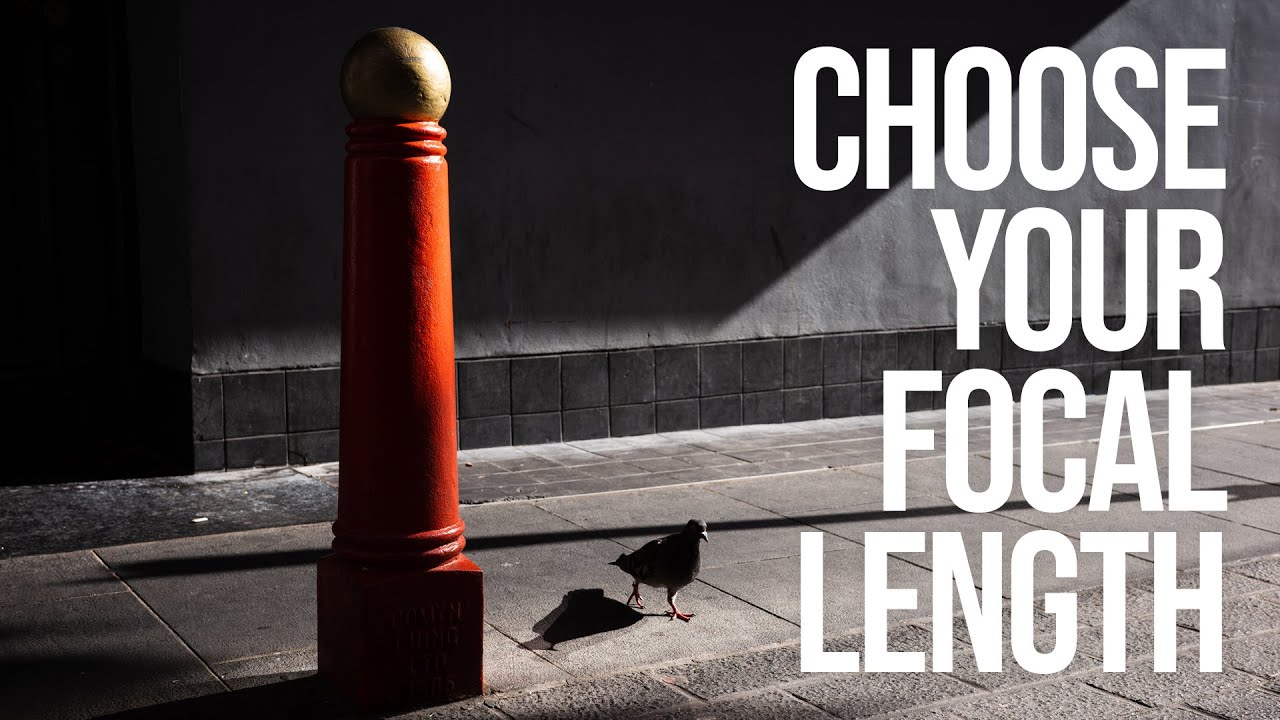
Which Focal Length Actually Fits Your Street Photography? A Breakdown of Sean Tucker's Framework

Which Focal Length Actually Fits Your Street Photography? A Breakdown of Sean Tucker's Framework

Every Sunday morning I do a photo walk. No agenda, no client brief, just me and whatever lens I decide to snap onto the camera before I walk out the door. And for longer than I’d like to admit, that decision felt almost random. I’d reach for the 35mm, then second-guess myself and swap it for the 50mm, then wonder if I should have just gone wider. The result was a portfolio that looked like it was shot by four different people.

The Widelux Explained: Why This Panning Film Camera Belongs on Every Photographer's Radar

The Widelux Explained: Why This Panning Film Camera Belongs on Every Photographer's Radar

I have a soft spot for cameras that do something mechanically weird. Not digital weird, not software weird, but physically, beautifully, mechanically weird. So when I first stumbled onto Peter McKinnon’s enthusiasm for the Widelux, I completely understood the obsession. Here was a camera that doesn’t just sit still and capture a frame. It moves. The lens actually rotates through a 180-degree arc as you fire the shutter, sweeping across a scene the way your eye naturally scans a horizon.

Stop Fighting the Chaos: How to Actually Compose Forest Photographs

Stop Fighting the Chaos: How to Actually Compose Forest Photographs

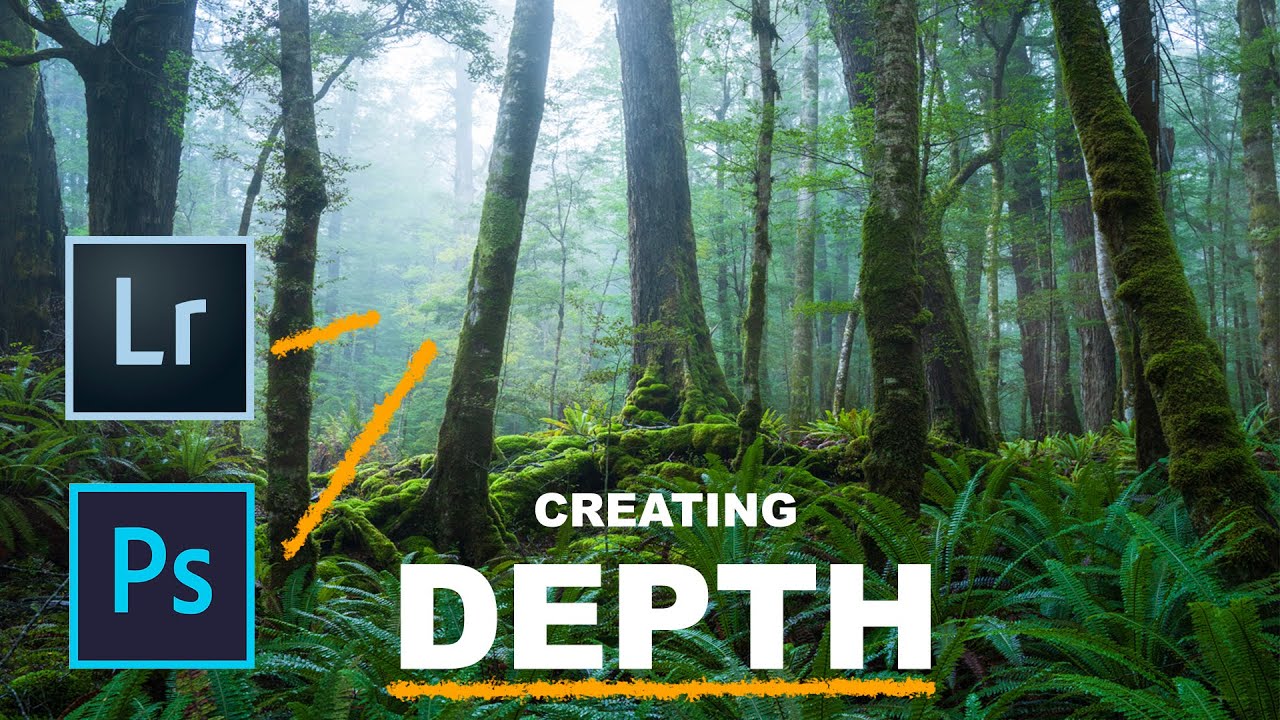
Forest scenes break my brain every single time. I’ve stood at the edge of a dense woodland on my Sunday morning photo walks, looked into that wall of trunks and branches and moss, and felt absolutely paralyzed. It’s not like shooting at the coast, where the lighthouse or the sea stack basically tells you where to point your camera. In the forest, everything is competing for attention, and nothing is obviously “the subject.

Why Canon Still Grows Crystals for Camera Lenses (And What That Means for Your Photos)

Why Canon Still Grows Crystals for Camera Lenses (And What That Means for Your Photos)

Why Canon Still Grows Crystals for Camera Lenses (And What That Means for Your Photos) When I first learned that Canon has been cultivating synthetic crystals in furnaces since 1967, I had to pause and think about what that really means for photographers like us. It’s one of those behind-the-scenes manufacturing stories that reveals just how seriously camera companies take optical perfection. The Problem That Ordinary Glass Cannot Solve Here’s the thing about telephoto lenses: they suffer from a specific type of color distortion that regular optical glass simply cannot correct.

Your Phone Camera Is Already Good Enough — Here's How to Actually Use It

Your Phone Camera Is Already Good Enough — Here's How to Actually Use It

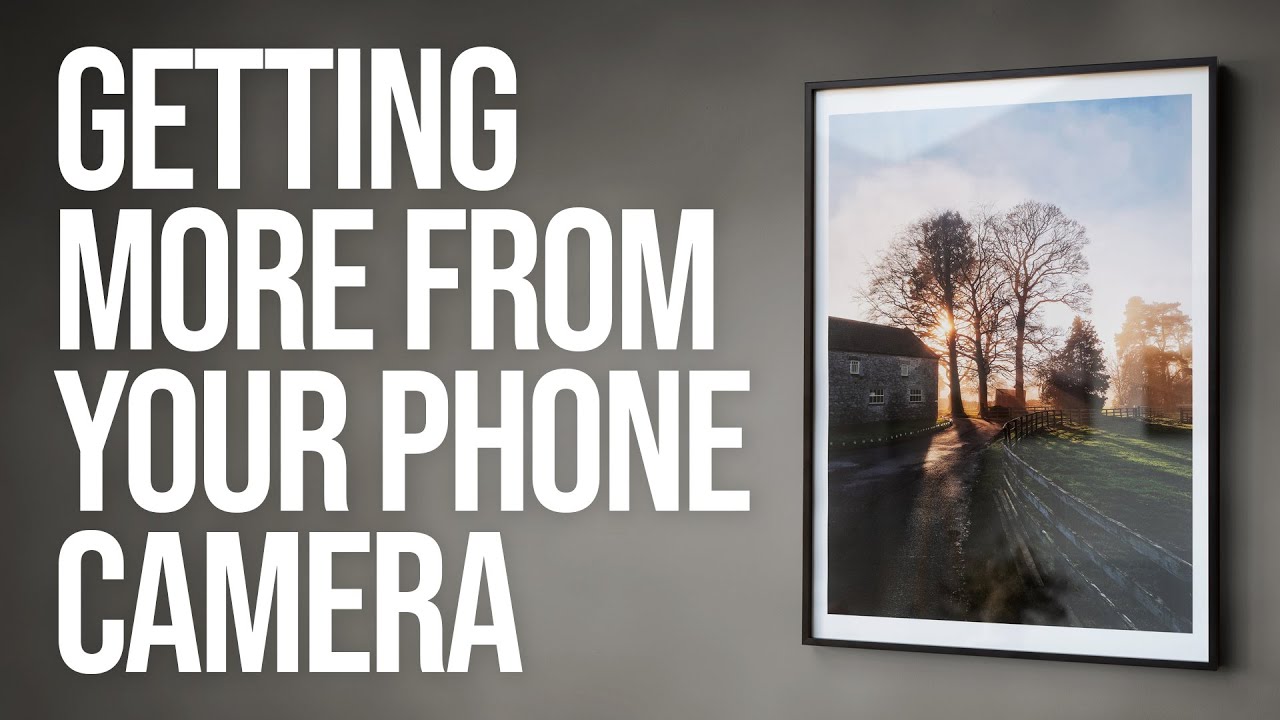
My most-liked Instagram photo was taken on a $200 Android phone. I posted it almost as a joke, fully expecting the usual modest response I got from images made on my mirrorless. Instead it blew up, and the comments weren’t asking what camera I used. They were just responding to the image. That experience sent me down a rabbit hole that eventually turned into an entire series of articles about what actually makes a photograph work, and it fundamentally changed how I think about phone cameras as a serious tool.

RAW vs. JPEG, Crop vs. Full-Frame, Mirrorless vs. DSLR: What Actually Matters for Your Shooting

RAW vs. JPEG, Crop vs. Full-Frame, Mirrorless vs. DSLR: What Actually Matters for Your Shooting

Every Sunday I do a photo walk around Seattle before the city wakes up. Over the years, the questions I get asked most often have nothing to do with composition or light. They’re always about the gear decisions that feel overwhelming before you even lift the camera: Should I shoot RAW or JPEG? Does my crop sensor camera put me at a disadvantage? Should I switch to mirrorless? These questions stall people before they even start shooting, and honestly, I spent way too long feeling uncertain about some of them myself.

Break These Seascape Habits: 5 Tips From a Coastal Photography Expert

Break These Seascape Habits: 5 Tips From a Coastal Photography Expert

I’ll be honest with you: for a long time, my coastal shots looked the same. Every single one. Long exposure, silky water, golden hour, repeat. I thought that was just what seascape photography was. It wasn’t until I started studying the work of photographers who deliberately broke that formula that I realized I had built a creative rut and called it a style. Watch the full tutorial on YouTube In this William Patino tutorial, he shares five tips developed over years of coastal shooting, first in Australia and then in New Zealand.
Why Your Digital Camera Still Speaks the Language of Film

Why Your Digital Camera Still Speaks the Language of Film

Why Your Digital Camera Still Speaks the Language of Film Have you ever wondered why your camera’s shutter speed dial shows 1/125 instead of a rounder number like 1/100 or 1/150? I recently realized that many of the controls we use every day on modern mirrorless cameras are actually digital echoes of mechanical film-era designs—and understanding this connection can deepen your appreciation for your gear. The Mechanical Mathematics Behind Modern Controls When I started digging into this topic, I discovered something fascinating: that 1/125 marking isn’t arbitrary at all.