How to Edit Street Photography on Your Phone — A Full Mobile Workflow That Actually Works

How to Edit Street Photography on Your Phone — A Full Mobile Workflow That Actually Works

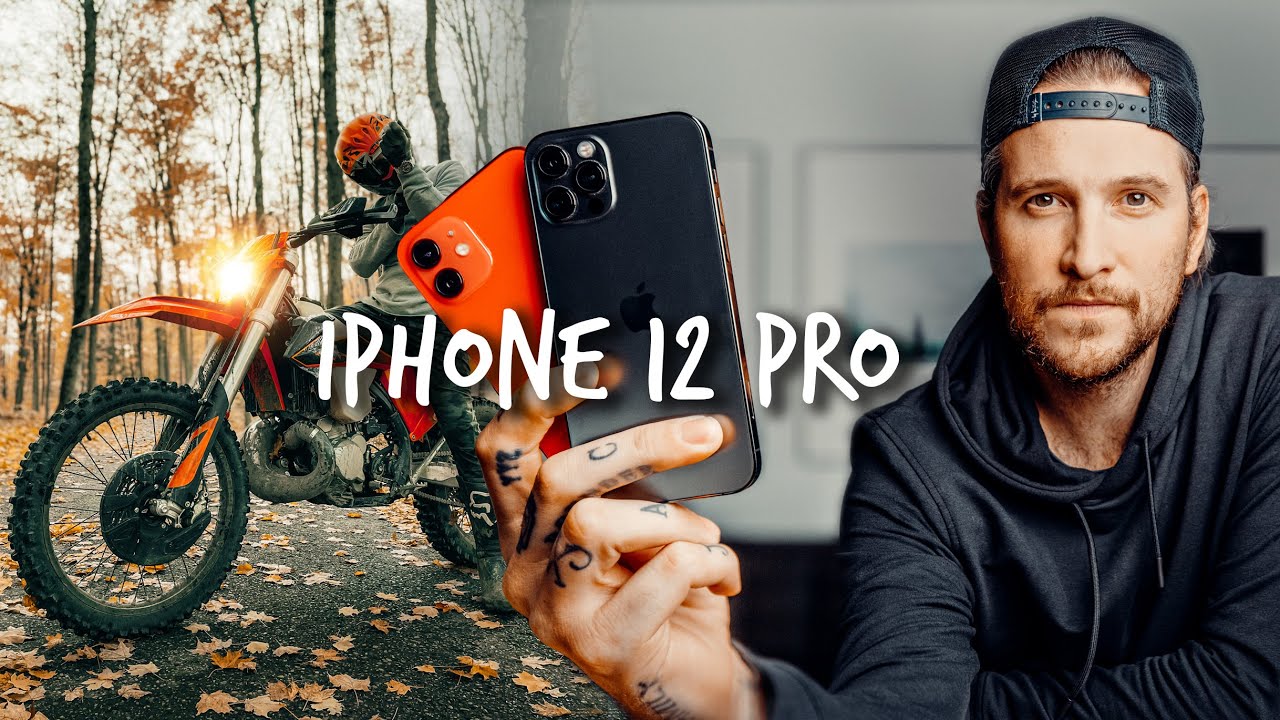
I used to be the person who would shoot all day, come home, dump files onto my laptop, and then stare at Lightroom for two hours wondering why editing felt like a second job. For travel work especially, that lag between capturing something and actually finishing it drives me crazy. So when I came across a tutorial by Sean Tucker specifically about editing raw street photos entirely on a phone, start to finish, I watched it twice in a row.

Stop Losing Your Gear Accessories in a Junk Drawer — Try This Toolbox System Instead

Stop Losing Your Gear Accessories in a Junk Drawer — Try This Toolbox System Instead

If you’ve been in this hobby long enough, you know exactly what I’m talking about. There’s a drawer somewhere in your house, maybe two, full of things you definitely need but can never locate when a shoot is actually happening. A CR123 battery rolling around next to a random Allen key, a watch battery you bought for something you no longer own, and three cables you’re pretty sure are duplicates but aren’t confident enough to throw away.

The Business Side of Photography Nobody Teaches You: Joel Grimes on Human Behavior and Creative Drive

The Business Side of Photography Nobody Teaches You: Joel Grimes on Human Behavior and Creative Drive

I’ll be honest with you: when I first started teaching photography, I assumed the hardest part would be explaining things like exposure triangles or composition rules. What I didn’t expect was how often students would ask me questions I had no good answer to, things like “How do I actually get clients?” or “Why do I feel so stuck even though my photos are getting better?” Those aren’t technical questions. They’re business and mindset questions, and most photography education just skips right past them.

What a Pro Car Shoot on the Salt Flats Taught Me About Creative Concept Photography

What a Pro Car Shoot on the Salt Flats Taught Me About Creative Concept Photography

I’ll be honest: automotive photography is not my world. My Sunday photo walks lean toward foggy harbors and farmers markets, not horsepower and tire smoke. But some of the best photography lessons I’ve ever absorbed came from watching photographers work in genres completely outside my comfort zone. That’s exactly what happened when I sat down with Watch the full tutorial on YouTube — a Peter McKinnon video featuring automotive photographer Aaron Brimhall shooting a wrapped sports car out on the salt flats.

How to Use Atmospheric Perspective in Photoshop to Make Your Photos Feel Three-Dimensional

How to Use Atmospheric Perspective in Photoshop to Make Your Photos Feel Three-Dimensional

There’s a version of every photographer who resists post-processing for as long as humanly possible. I was that person. For the first year or so of shooting seriously, I told myself that a good photo should speak for itself straight out of camera. Then I started comparing my raw files to the finished work of photographers I admired, and the gap was humbling. The camera captures light. Post-processing is where you tell the viewer how to read that light.

From Flat to Dramatic: How Joel Grimes Edits Black & White Portraits in Lightroom and Photoshop

From Flat to Dramatic: How Joel Grimes Edits Black & White Portraits in Lightroom and Photoshop

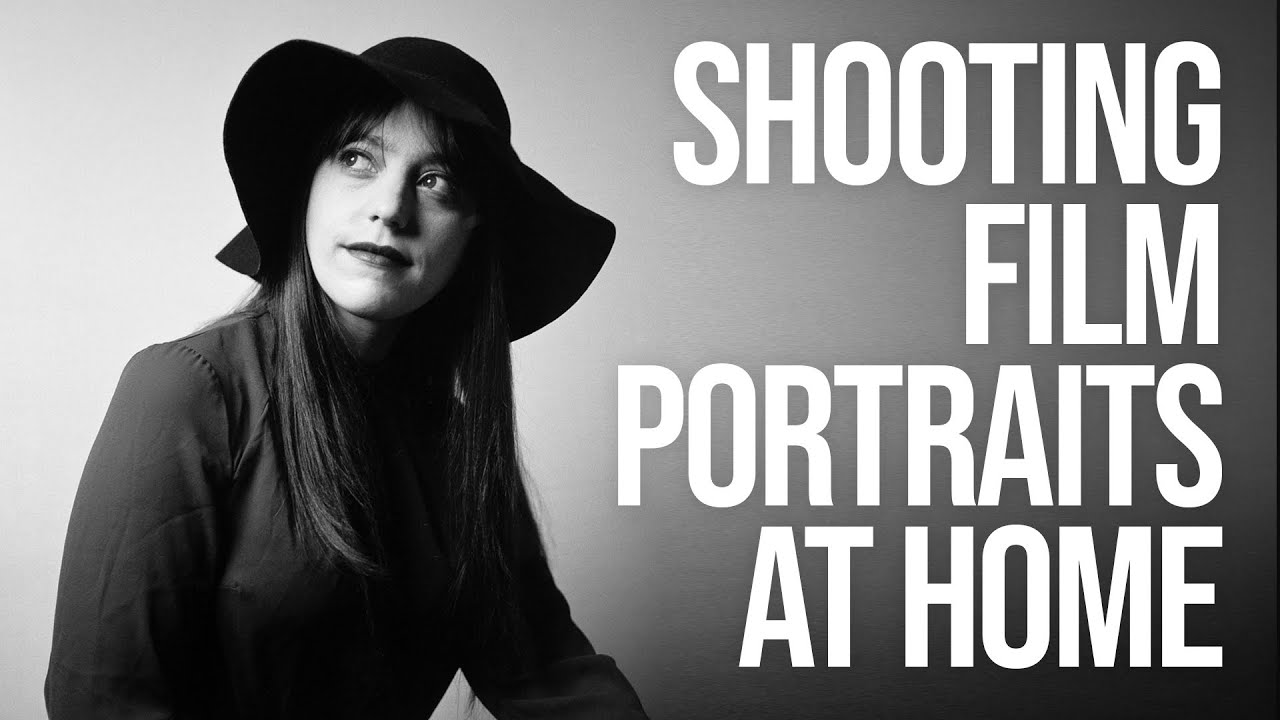
There’s a specific frustration I know well: you nail the lighting on a portrait, the subject’s expression is exactly right, and then you open the raw file and it just… sits there. Flat. Unimpressive. Nothing like what you saw in your head when you pressed the shutter. For a long time, my answer was to throw a high-contrast black and white preset at it and call it a day. The results were fine.

Stop Chasing the Perfect ISO: Two Beginner Mistakes That Are Hurting Your Photos

Stop Chasing the Perfect ISO: Two Beginner Mistakes That Are Hurting Your Photos

Every Sunday morning I take a photo walk around Seattle. No agenda, just me and whatever camera I grab off the shelf. And for the first couple of years I was doing that, I was quietly sabotaging myself with one specific habit: I kept my ISO glued to the lowest possible number, no matter what. I thought that was the disciplined, correct thing to do. Turns out it was actually one of the most common mistakes beginner photographers make, and it was costing me shots I can never get back.

How to Choose a Camera Bag That Actually Works for Your Style of Shooting

How to Choose a Camera Bag That Actually Works for Your Style of Shooting

I have a complicated relationship with camera bags. I’ve bought at least six in the last four years, and every single one of them was purchased because it looked good in a product photo rather than because it solved an actual problem I had. One bag was too heavy before I even put a lens in it. Another had no water bottle holder, which sounds minor until you’re on a three-hour photo walk and your hydration is rattling loose in the main compartment.

How to Shoot 70 Corporate Headshots in Two Hours (Without Losing Your Mind)

How to Shoot 70 Corporate Headshots in Two Hours (Without Losing Your Mind)

Corporate headshot work isn’t glamorous. Nobody’s going to pin your LinkedIn profile photos on their mood board. But here’s the thing I’ve learned over the years: it pays reliably, it fills the calendar gaps that kill your cash flow, and if you can do it well under pressure, it builds a reputation that keeps companies calling you back. The problem is most portrait photographers, myself included when I started, approach these jobs with a single-session mindset.

How to Shoot Stunning Sunrise Seascapes: A Field Guide to Timing, Composition, and Water Movement

How to Shoot Stunning Sunrise Seascapes: A Field Guide to Timing, Composition, and Water Movement

There’s a particular kind of frustration that comes with standing in front of a gorgeous coastline and walking away with nothing but flat, underwhelming frames. I’ve done it. You drag yourself out of bed before sunrise, haul your gear to the water’s edge, and somehow the photos just don’t match what your eyes were seeing. For a long time I chalked it up to “needing better light.” Turns out, I was just missing a few fundamentals.

What Shooting Street Photography on Kodak Tri-X Taught Me About Slowing Down

What Shooting Street Photography on Kodak Tri-X Taught Me About Slowing Down

Every Sunday morning I take a photo walk through my neighborhood in Seattle. No agenda, no client, no assignment. Just me and whatever camera I feel like carrying. For the longest time I treated it as a warm-up, a way to shake the rust off before a “real” shoot. I’d come home with 200 frames and maybe feel good about three of them. Fast and loose, spray and pray. Then I watched Watch the full tutorial on YouTube, where Sean Tucker introduces Hong Kong-based film street photographer Mavis CW and spends time unpacking why her approach to film changes the entire relationship a photographer has with a scene.

How to Shoot Fine Art Photos of Everyday Objects Using Focus Stacking

How to Shoot Fine Art Photos of Everyday Objects Using Focus Stacking

I have a confession: one of my most-shared photos ever is a close-up of a half-eaten granola bar sitting on my kitchen counter. Shot on my phone, terrible lighting, zero planning. People went wild for it. That experience taught me something I’ve been chewing on ever since – the subject almost never matters as much as the perspective you bring to it. That’s the core idea behind this Peter McKinnon tutorial, where he photographs a five-cent gummy bear alongside a $50,000 Phase One IQ4 camera system and makes the case that fine art isn’t about the subject.