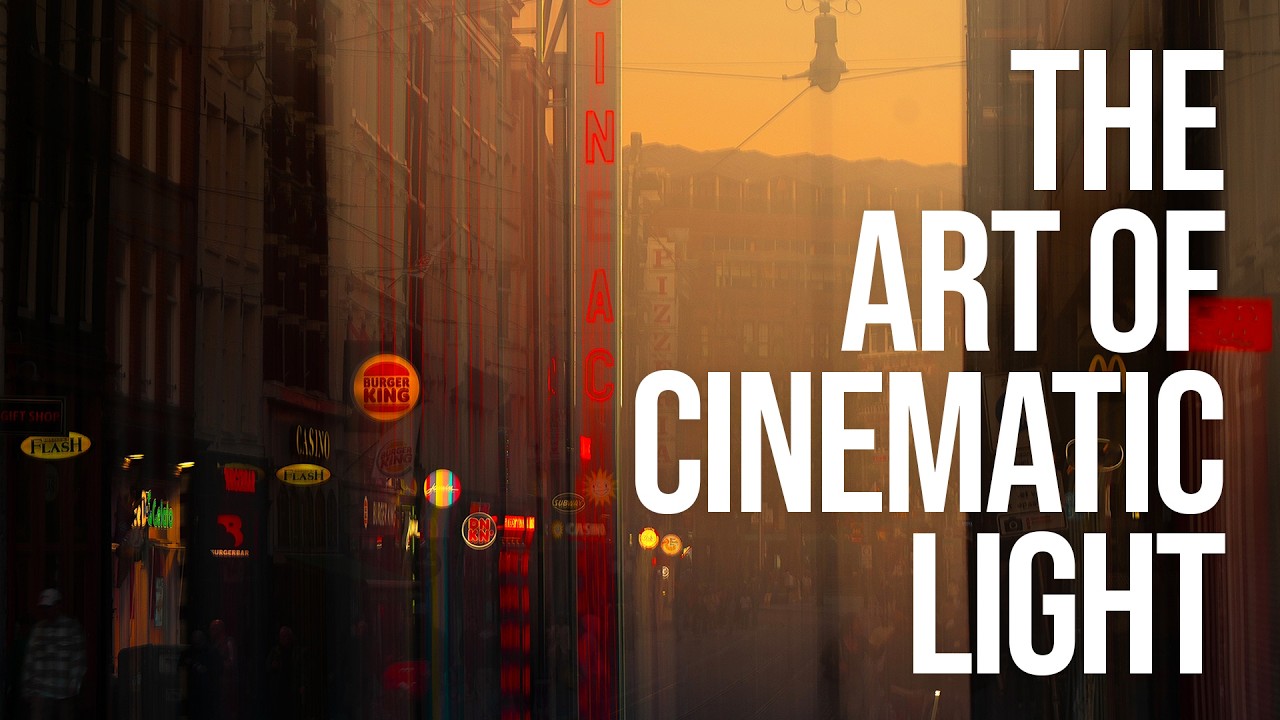
Every Sunday morning I’m out the door before 6 a.m. for my weekly photo walk, and for a long time I couldn’t explain to people why I insisted on going so early. The light, yes, but it’s more than that. There’s a quality to a city before it fills up with people and noise that almost no amount of technical skill can fake in post-processing. You either captured it or you didn’t.
That’s exactly why I kept coming back to this conversation between Sean Tucker and Dutch photographer Gosse Bouma. Watch the full tutorial on YouTube before or after reading this breakdown. In this Sean Tucker tutorial, Bouma walks through how he builds entire bodies of work around one deceptively simple idea: the mood in a photograph is almost always decided before you touch your camera settings. It’s decided by when you show up, what weather you’re willing to shoot in, and what kind of stillness you’re patient enough to wait for.
What struck me about Gosse’s approach is that it solves a problem I hear from readers constantly: “My photos look technically fine but they feel flat.” That’s a lighting and atmosphere problem, not a sharpness problem. Here’s how Bouma actually works, broken down into steps you can put into practice this week.
Step 1: Understand Why Empty Streets Are Your Best Subject
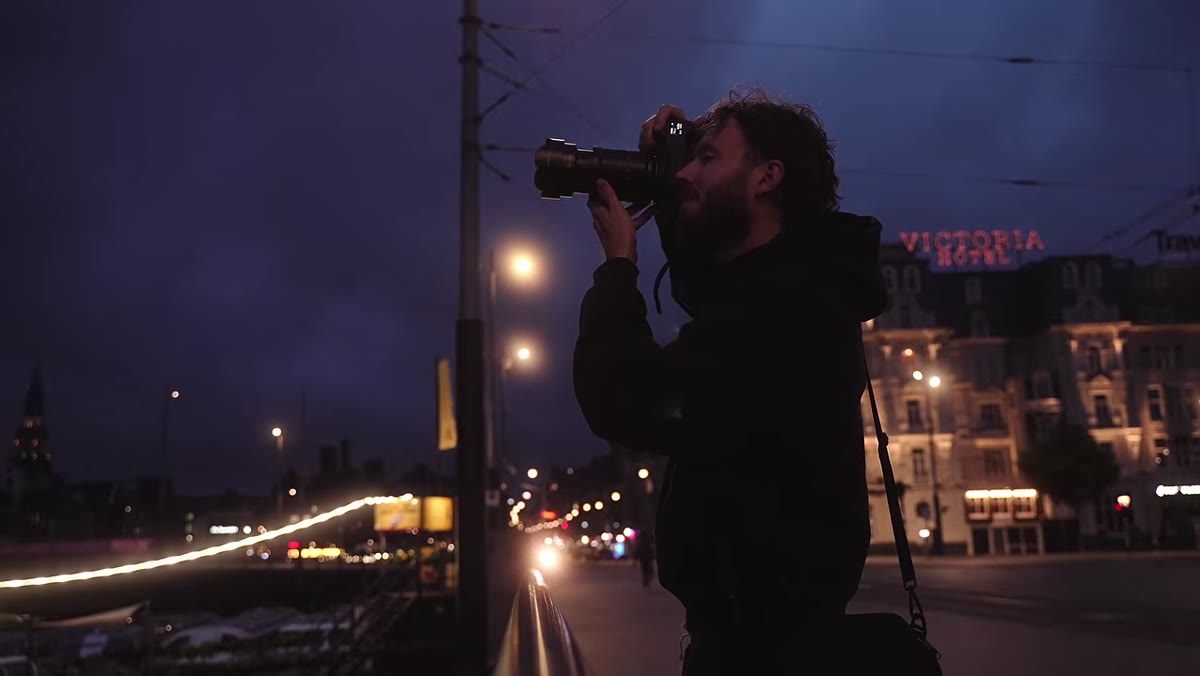 Bouma describing early morning memories of Amsterdam
Gosse grew up in Amsterdam and carries specific memories of the city in its quietest state: walking home in summer after a late night, catching a 6 a.m. train in winter, seeing entire streets completely to himself. Those personal, felt memories became the foundation of his photographic vision. Before he ever picked up a camera with intention, he already knew what he was looking for.
Bouma describing early morning memories of Amsterdam
Gosse grew up in Amsterdam and carries specific memories of the city in its quietest state: walking home in summer after a late night, catching a 6 a.m. train in winter, seeing entire streets completely to himself. Those personal, felt memories became the foundation of his photographic vision. Before he ever picked up a camera with intention, he already knew what he was looking for.
Start there with your own city or neighborhood. Think back to a moment when a familiar place looked completely different to you, maybe after a storm, before rush hour, or during a holiday when foot traffic dropped. That memory is your north star. Write it down. What was the light doing? What was missing from the scene that’s usually there? Your goal as a photographer is to recreate the conditions that produced that feeling, not just once, but consistently.
Step 2: Choose the Practical Reason to Be Up Early
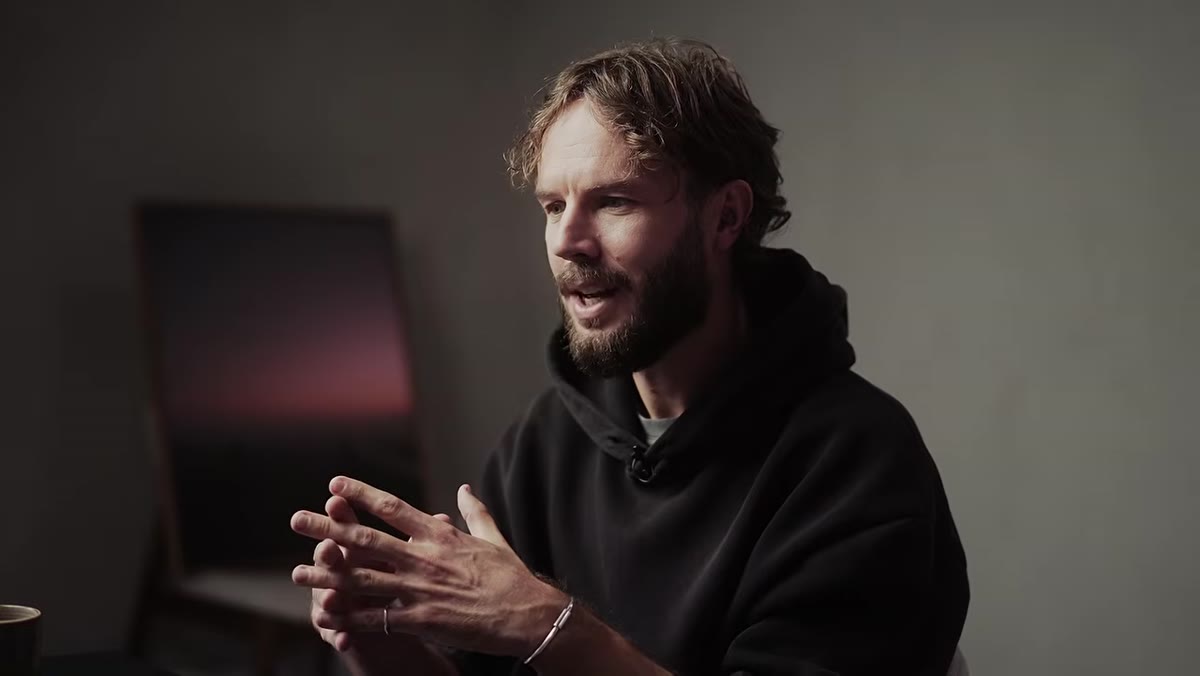 Empty Amsterdam streets in soft early morning light
One of the most grounding things Gosse says is that early-morning shooting in Amsterdam is simply free. No studio rental, no lighting equipment, no models. The city at dawn provides everything. For a photographer just building a practice, that’s a genuinely powerful reframe. You’re not sacrificing sleep for some abstract artistic ideal. You’re trading two hours of rest for access to a location, light quality, and atmosphere that money literally cannot buy at any other time of day.
Empty Amsterdam streets in soft early morning light
One of the most grounding things Gosse says is that early-morning shooting in Amsterdam is simply free. No studio rental, no lighting equipment, no models. The city at dawn provides everything. For a photographer just building a practice, that’s a genuinely powerful reframe. You’re not sacrificing sleep for some abstract artistic ideal. You’re trading two hours of rest for access to a location, light quality, and atmosphere that money literally cannot buy at any other time of day.
Set your alarm for one hour before sunrise. Not golden hour, before it. That blue-gray pre-dawn window is where Gosse does a lot of his best work. Bring only what fits in one bag so there’s no friction between waking up and walking out the door.
Step 3: Let Weather Drive Your Schedule, Not Cancel It
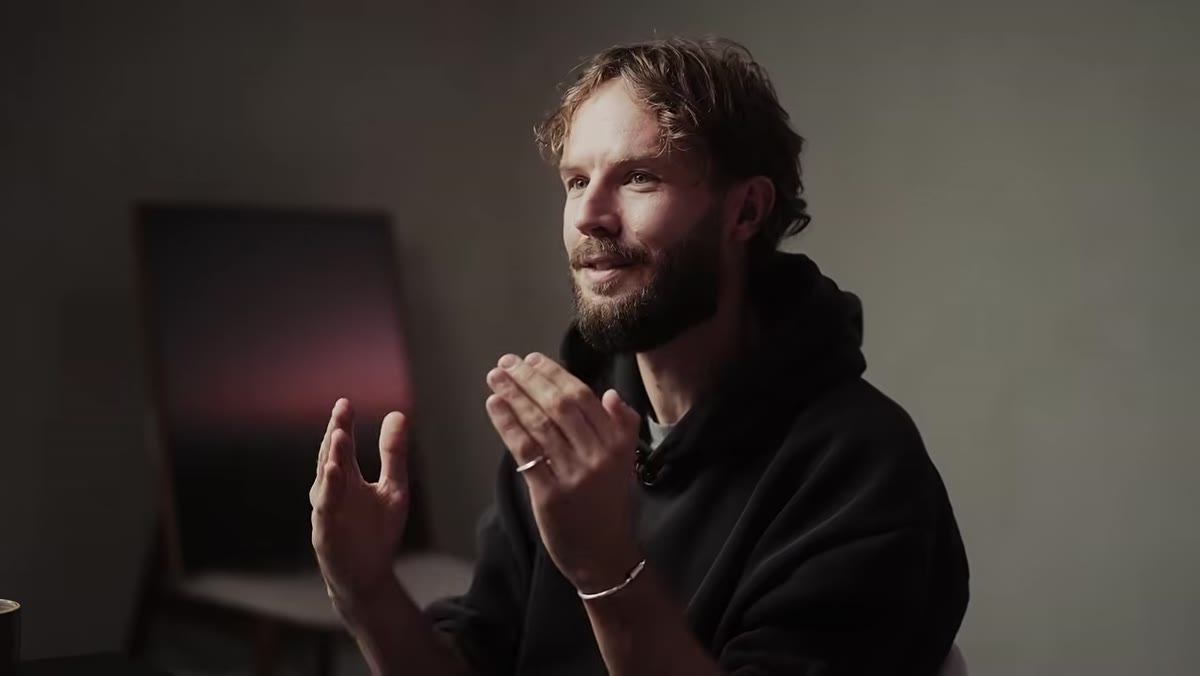 Discussion of fog, overcast skies, and moody atmospheric conditions
Most photographers wait for sunny days. Gosse does the opposite. Fog, mist, overcast skies, and flat diffused light are not obstacles in his workflow, they’re the whole point. He’s specifically chasing the atmospheric conditions that make an ordinary Amsterdam canal look like the opening frame of a film.
Discussion of fog, overcast skies, and moody atmospheric conditions
Most photographers wait for sunny days. Gosse does the opposite. Fog, mist, overcast skies, and flat diffused light are not obstacles in his workflow, they’re the whole point. He’s specifically chasing the atmospheric conditions that make an ordinary Amsterdam canal look like the opening frame of a film.
The practical takeaway here is to build a weather-watching habit. I use a combination of my phone’s hourly forecast and a dedicated app that tracks cloud cover and fog probability. When the overnight temperature drops close to the dew point and winds are calm, fog is likely by morning. That’s when I set two alarms. Not every foggy morning will deliver, but the percentage is high enough that this habit will transform your portfolio within a few months.
Step 4: Shoot Intuitively First, Then Refine
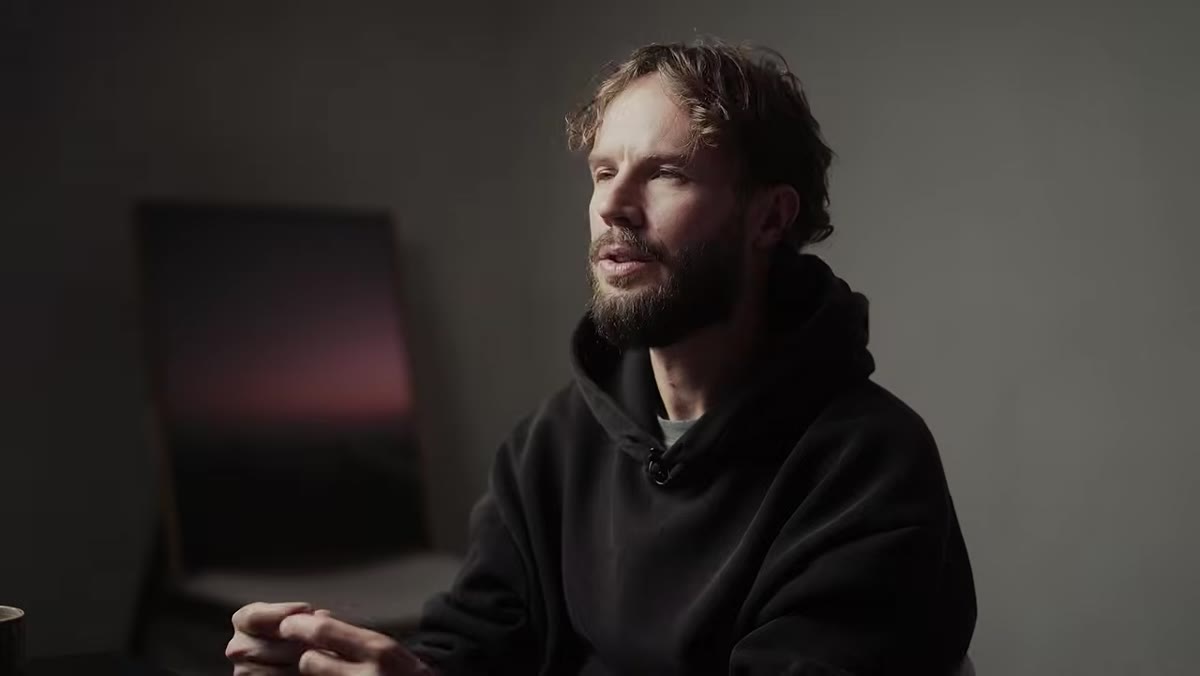 Bouma discussing intuition and responding to a scene
Gosse describes his in-the-field process as largely intuitive. He doesn’t arrive at a location with a rigid shot list. He responds to what the light is doing, where the atmosphere is thickest, where a single figure might complete the geometry of a scene. This is actually a skill you build deliberately by doing the opposite first: over-plan a few shoots, notice where the plan fails you, and gradually learn which decisions need to be made in advance and which need to stay flexible.
Bouma discussing intuition and responding to a scene
Gosse describes his in-the-field process as largely intuitive. He doesn’t arrive at a location with a rigid shot list. He responds to what the light is doing, where the atmosphere is thickest, where a single figure might complete the geometry of a scene. This is actually a skill you build deliberately by doing the opposite first: over-plan a few shoots, notice where the plan fails you, and gradually learn which decisions need to be made in advance and which need to stay flexible.
The one thing Gosse does plan is position. He knows his city well enough to have a mental map of locations that work under specific conditions. Spend one outing just scouting, no pressure to shoot anything. Note where the light lands at different times, which streets funnel mist, where the interesting architectural lines are. That location knowledge is what allows you to be intuitive later.
Step 5: Use Color as a Mood Signal, Not Just an Aesthetic Choice
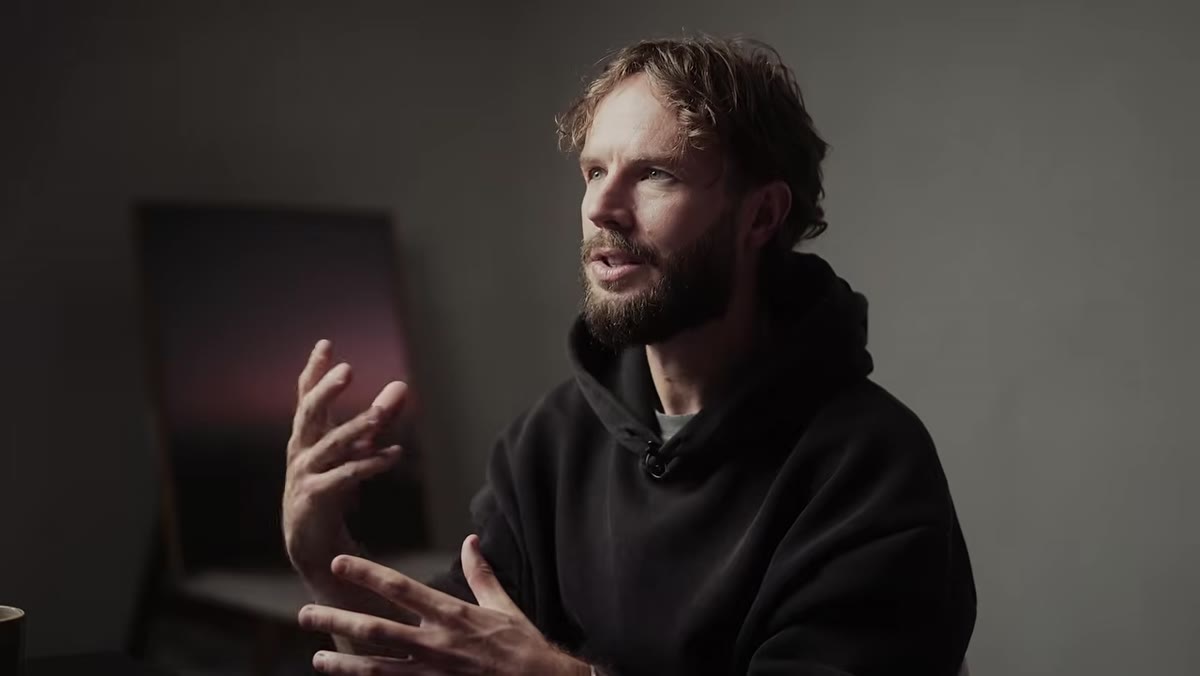 Color palette discussion and Bouma’s consistent use of muted tones
One of the first things Sean Tucker flags about Gosse’s work is its consistent color language. His images aren’t desaturated exactly, but they’re cool, muted, and restrained in a way that reinforces the quiet mood of every frame. Color isn’t decorative in his work, it’s structural.
Color palette discussion and Bouma’s consistent use of muted tones
One of the first things Sean Tucker flags about Gosse’s work is its consistent color language. His images aren’t desaturated exactly, but they’re cool, muted, and restrained in a way that reinforces the quiet mood of every frame. Color isn’t decorative in his work, it’s structural.
In your own editing, ask what emotional register you want the image to sit in before you start moving sliders. Cool shadows and slightly desaturated midtones will push a scene toward melancholy or calm. Warmer tones with higher saturation will feel alive and active. Neither is wrong, but mixing them randomly within a series kills the sense of mood you worked so hard to capture in camera. Pick a direction and stay with it.
Step 6: Build Patience Into Your Practice as a Non-Negotiable
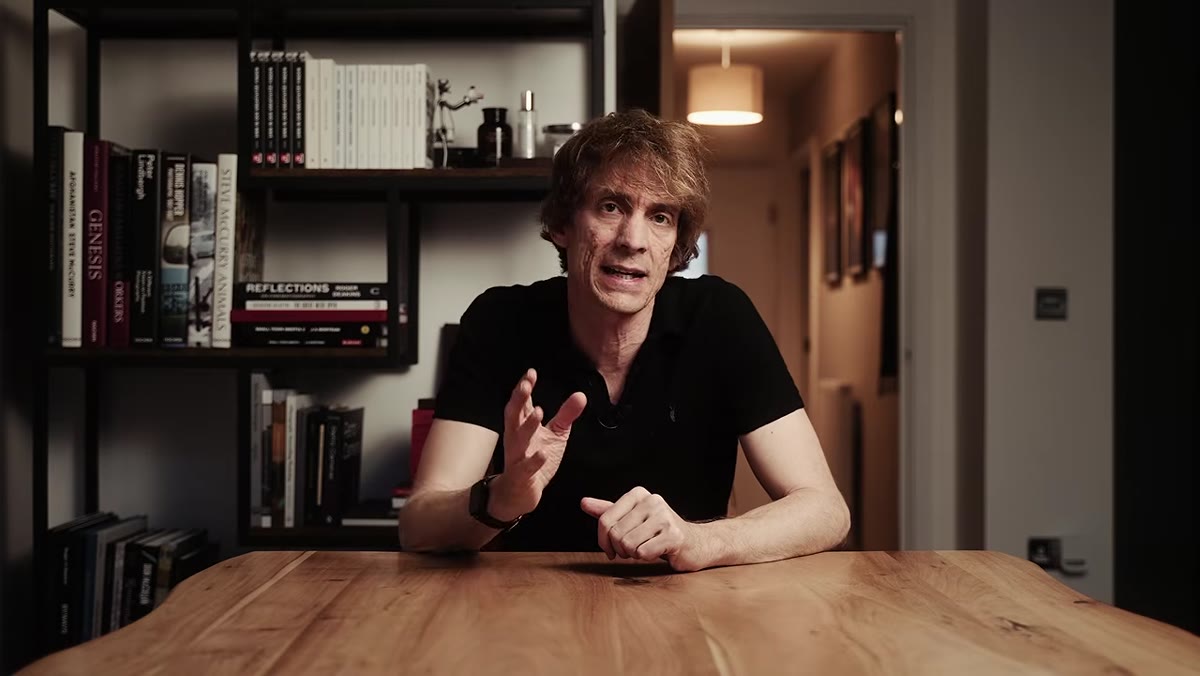 Sean Tucker reflecting on dedication required for this body of work
Tucker makes a pointed observation early in the video: the conditions Gosse shoots in, specifically foggy, atmospheric mornings, might only occur 20 or so times a year in the Netherlands. That means an entire portfolio of work built on those conditions requires showing up repeatedly, mostly coming home with nothing usable, and going back anyway.
Sean Tucker reflecting on dedication required for this body of work
Tucker makes a pointed observation early in the video: the conditions Gosse shoots in, specifically foggy, atmospheric mornings, might only occur 20 or so times a year in the Netherlands. That means an entire portfolio of work built on those conditions requires showing up repeatedly, mostly coming home with nothing usable, and going back anyway.
That’s not a romantic idea. It’s a workflow decision. If you want your photography to carry genuine mood and atmosphere, build a showing-up practice around the conditions that produce it. Keep a simple log: date, conditions, what you came home with. After three or four months you’ll see patterns that help you predict your best shooting windows far more accurately.
My Own Caveat: The Phone Teaches This Faster Than You’d Think
I’ve shot my Sunday morning walks on everything from a full-frame mirrorless camera to, yes, my phone. My most-liked Instagram post ever was taken on a $200 phone at 5:30 in the morning in a parking garage near Pike Place Market. The point I keep proving to myself and to the students I work with is that mood is almost entirely a product of light and timing. Gear helps you execute it with more precision, but it doesn’t create the mood. You have to be there for that.
Before you invest in new equipment to “fix” flat-looking photos, try setting one early alarm this week. Go somewhere familiar at a time you’d never normally be there. Shoot whatever the light is doing. That single experiment will teach you more about mood in photography than any gear upgrade.
The single most important idea from this video is one Gosse demonstrates with his whole body of work: mood is not an editing style, it’s a decision about when and where you stand. Master that and the rest follows.
Watch the full tutorial on YouTube and spend time with Gosse Bouma’s work at gossebouma.com to see exactly what this approach looks like across a full, cohesive body of work. It’s the kind of photography that makes you want to set an alarm.
Comments
Leave a Comment