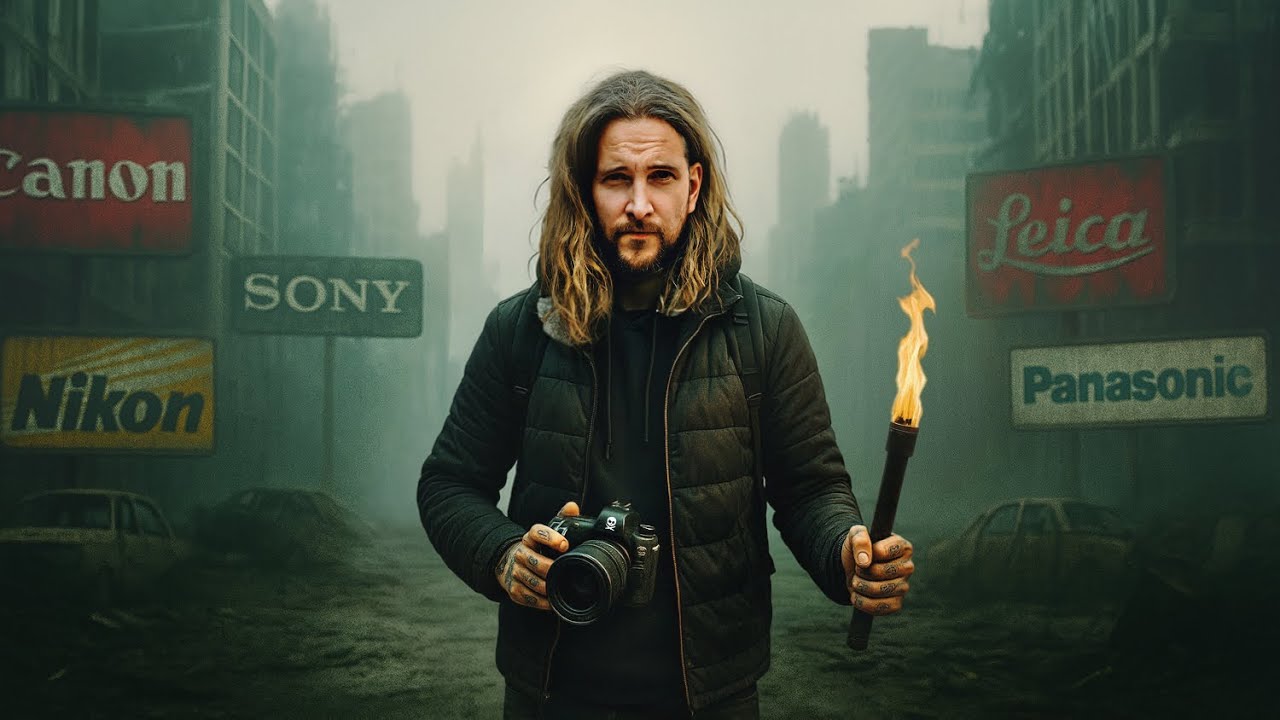
There’s a specific kind of restlessness that hits photographers who have been at it for a while. You know how to use your gear. You know what makes a good shot. And somehow, that knowledge starts to feel like a ceiling instead of a foundation. I hit that wall about two years into shooting professionally, right around the time I could nail a technically correct exposure in my sleep but couldn’t remember the last time I was genuinely excited to pick up my camera. I started wondering if the problem was my gear, my subjects, my editing style. It wasn’t any of those things.
In this Peter McKinnon tutorial, Watch the full tutorial on YouTube, he reframes what it means to grow as a photographer in an era when AI can generate a stunning image from a text prompt in seconds. What he’s really teaching here isn’t a camera technique. It’s a philosophy for staying alive as a creative person, and the practical steps he outlines are ones you can actually act on this week.
This isn’t a gear review or a film-vs-digital debate. It’s something more useful than either of those things.
Step 1: Recognize the Real Signs of a Creative Rut
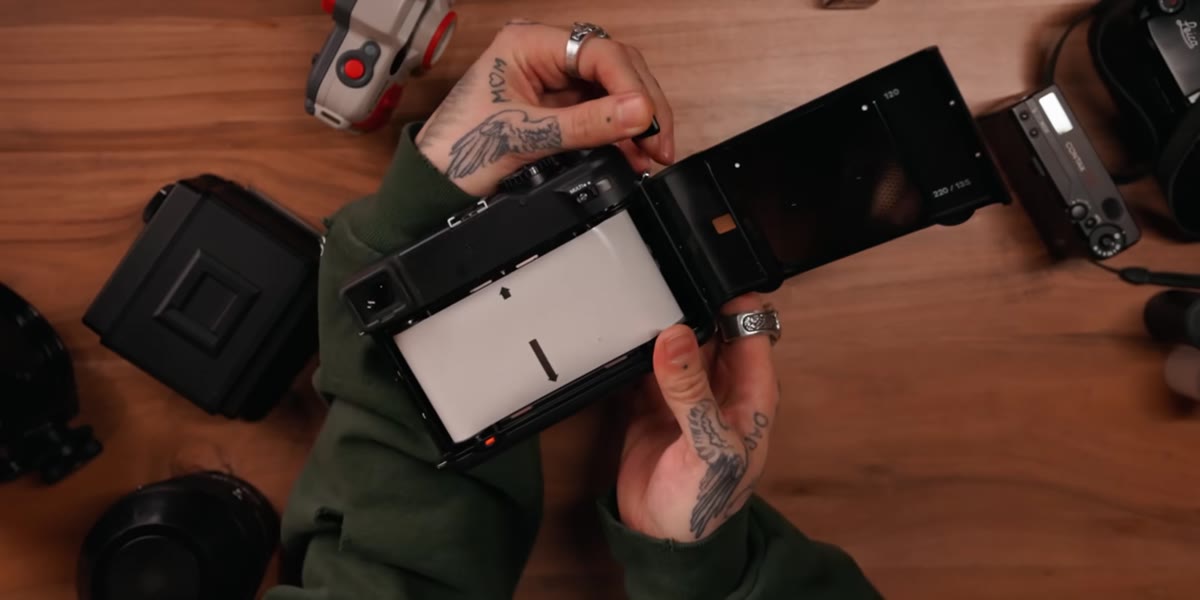 Peter McKinnon speaking about stopping the search to improve
A creative rut doesn’t always look like burnout. Sometimes it looks like competence. McKinnon describes a specific warning sign he watches for in himself: when he stops actively searching for ways to improve his craft outside of work obligations. If the only photography he’s doing is for clients or content deadlines, and nothing else is pulling at him, that’s the signal.
Peter McKinnon speaking about stopping the search to improve
A creative rut doesn’t always look like burnout. Sometimes it looks like competence. McKinnon describes a specific warning sign he watches for in himself: when he stops actively searching for ways to improve his craft outside of work obligations. If the only photography he’s doing is for clients or content deadlines, and nothing else is pulling at him, that’s the signal.
Ask yourself honestly whether you’ve watched a tutorial, read something new, or gone out to shoot purely for the joy of it in the last month. Not for a brand. Not for your feed. Just because you wanted to. If the answer is no, you’re probably further into the rut than you realize, and that’s okay. Knowing it is step one.
Step 2: Stop Chasing Gear as a Substitute for Growth
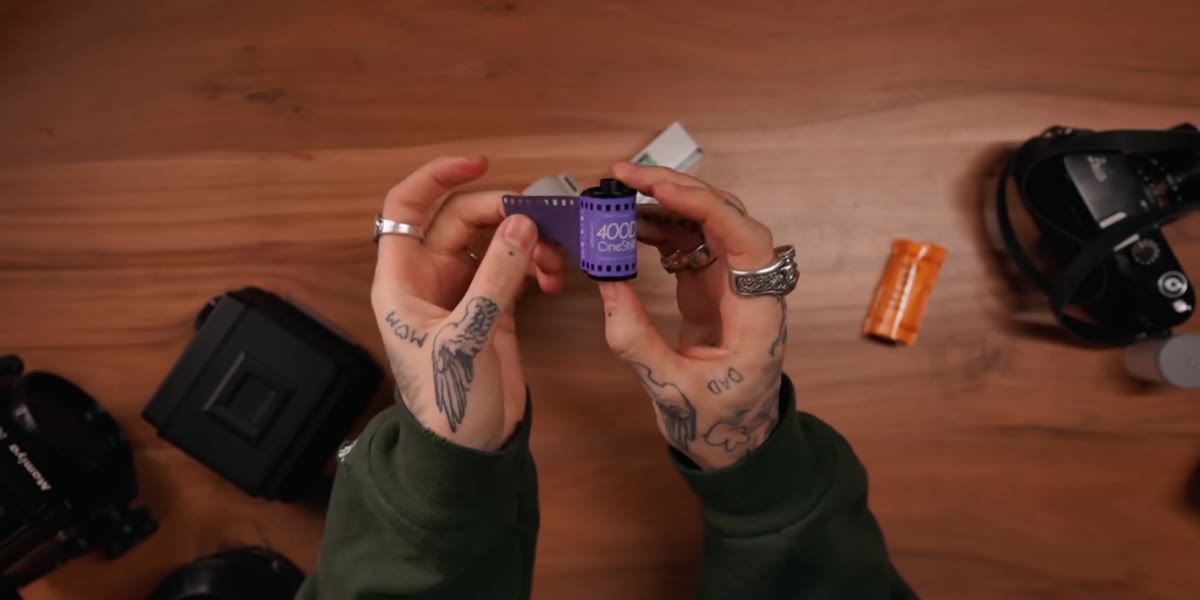 Discussion of gear acquisition syndrome and false sense of purpose
McKinnon names something the photography community tends to dance around: gear acquisition syndrome, the habit of buying new equipment to recreate the feeling of being a beginner without actually doing the work of learning. There’s a real endorphin hit that comes with unboxing something new. It feels like momentum. But it fades within weeks, sometimes days, because the underlying issue hasn’t been addressed.
Discussion of gear acquisition syndrome and false sense of purpose
McKinnon names something the photography community tends to dance around: gear acquisition syndrome, the habit of buying new equipment to recreate the feeling of being a beginner without actually doing the work of learning. There’s a real endorphin hit that comes with unboxing something new. It feels like momentum. But it fades within weeks, sometimes days, because the underlying issue hasn’t been addressed.
Before you click purchase on anything, run this check. Write down what specific skill or creative limitation this piece of gear would solve. If you can’t name it precisely, you’re probably buying a feeling, not a solution. Your Sunday walk with the camera you already own will do more for your photography than a new lens that stays in your bag because you’re not sure how to use it yet.
Step 3: Deliberately Choose a Medium That Makes You Feel Inadequate Again
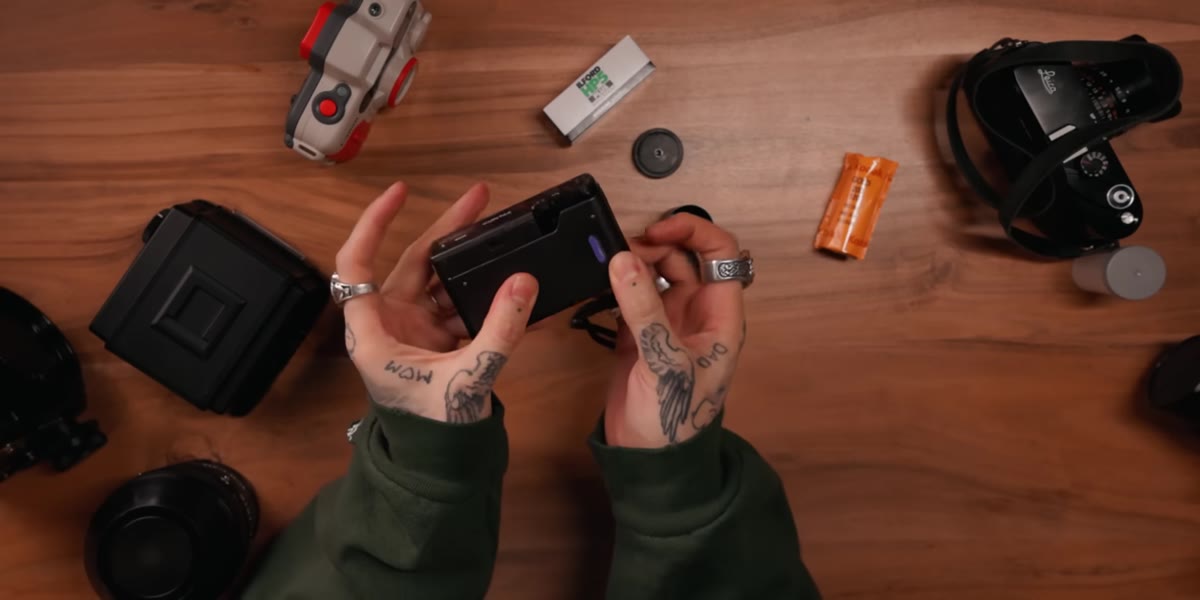 Peter McKinnon explaining how film gave him reason to practice
This is the counterintuitive core of McKinnon’s approach. He turned to film photography specifically because he didn’t know how to do it well. The challenge of learning a new camera system, figuring out how to expose without instant feedback, navigating the logistics of travel with film stock, all of it brought back a feeling he hadn’t had in years: the need to improve.
Peter McKinnon explaining how film gave him reason to practice
This is the counterintuitive core of McKinnon’s approach. He turned to film photography specifically because he didn’t know how to do it well. The challenge of learning a new camera system, figuring out how to expose without instant feedback, navigating the logistics of travel with film stock, all of it brought back a feeling he hadn’t had in years: the need to improve.
You don’t have to shoot film to get this benefit. The principle is to pick a format or constraint that strips away your existing competence. Shoot only with your phone for a month. Commit to one fixed focal length. Shoot only in natural light with no editing beyond basic exposure correction. The specific constraint matters less than the fact that it genuinely challenges you. If it feels a little uncomfortable, you’ve picked the right one.
Step 4: Use AI’s Rise as Fuel, Not a Threat
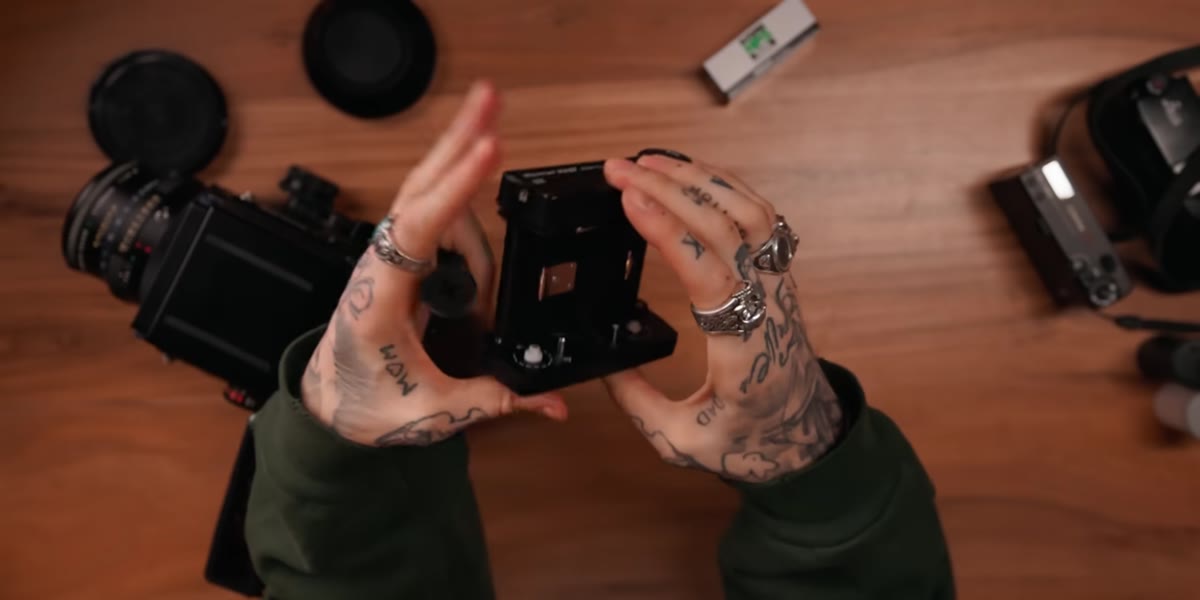 Peter McKinnon sharing his agnostic but motivated stance on AI
McKinnon’s take on AI is worth sitting with. He’s not dismissing it and he’s not afraid of it. He describes his position as agnostic, able to see both the benefits and the problems clearly. But what’s interesting is what AI’s rise does to him creatively: it pushes him deeper into the analog and handmade roots of his craft, not out of defensiveness, but out of genuine motivation.
Peter McKinnon sharing his agnostic but motivated stance on AI
McKinnon’s take on AI is worth sitting with. He’s not dismissing it and he’s not afraid of it. He describes his position as agnostic, able to see both the benefits and the problems clearly. But what’s interesting is what AI’s rise does to him creatively: it pushes him deeper into the analog and handmade roots of his craft, not out of defensiveness, but out of genuine motivation.
When everything can be generated, the thing that becomes rare and valuable is the demonstrably human process behind an image. A photograph made on a roll of film that was loaded by hand, exposed through a 40-year-old lens, and developed in a darkroom has a provenance that a prompt cannot replicate. You don’t need to be anti-technology to recognize that leaning into craft right now is a smart creative and professional move. Let the conversation about AI remind you why you picked up a camera in the first place.
Step 5: Reconnect With the Nostalgia That Made You Love Photography
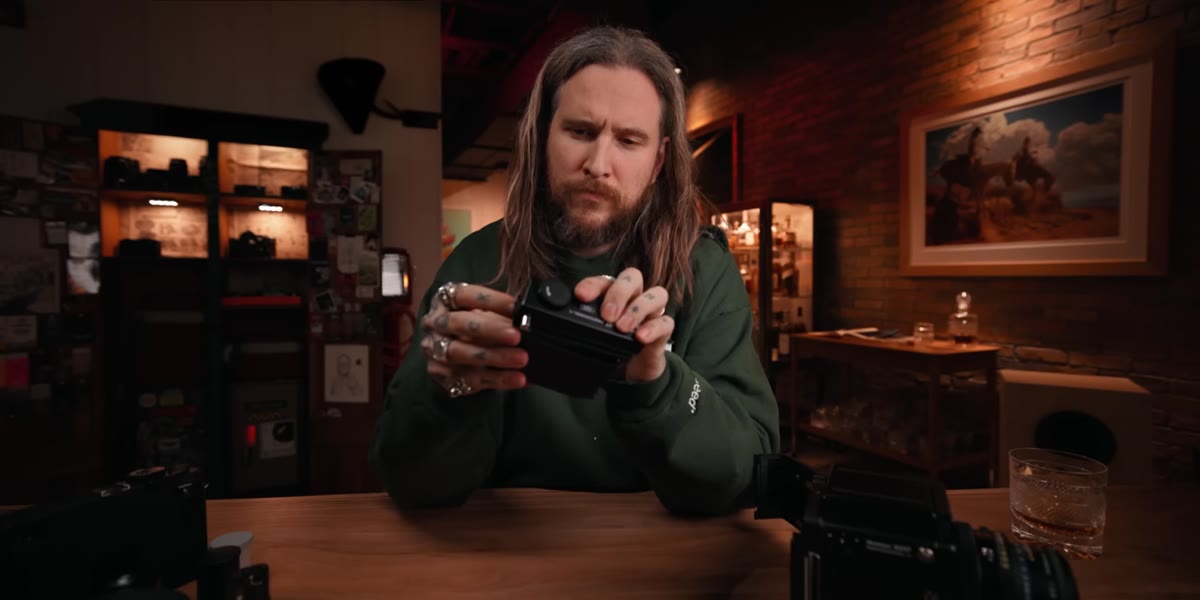 Discussion of nostalgia and the rise of analog formats
McKinnon points to something happening culturally right now, a wide reaching hunger for the textures and rhythms of older ways of doing things. The resurgence of film, vinyl, printed photo books, all of it reflects a collective need to hold onto something that feels permanent and real. This isn’t just sentiment. It’s a creative resource you can draw from intentionally.
Discussion of nostalgia and the rise of analog formats
McKinnon points to something happening culturally right now, a wide reaching hunger for the textures and rhythms of older ways of doing things. The resurgence of film, vinyl, printed photo books, all of it reflects a collective need to hold onto something that feels permanent and real. This isn’t just sentiment. It’s a creative resource you can draw from intentionally.
Go back and look at the photographs that made you want to be a photographer. Pull out prints if you have them. Look at the photographers whose work stopped you cold when you first discovered it. Spend time with those images without trying to reverse-engineer them technically. Just remember what it felt like before you knew anything about f-stops, and let that feeling point you toward your next creative decision.
A Note From My Own Experience
I used to think the solution to creative stagnation was always forward-facing: a new technique, a new location, a new piece of gear. What I’ve learned, mostly by making the mistake in the other direction several times, is that going backward on purpose is often what breaks the cycle. I spent one entire Sunday walk shooting only with my phone, something I hadn’t done in years, and came home with three images I was genuinely proud of. Not because the phone was better, but because the limitation forced me to pay attention differently.
The photographer who feels stuck isn’t missing equipment or inspiration. They’re usually missing the sense of having something to figure out. Find the thing that makes you feel like a beginner again, and protect your time with it the same way you’d protect a client shoot.
The single most important idea in this video is that the desire to improve is a resource, not a given, and it’s your responsibility to keep it alive. Go find the constraint or medium or challenge that lights that back up for you.
Watch the full tutorial on YouTube and spend some time with McKinnon’s full thinking on this. It’s one of the more honest conversations I’ve seen a working photographer have about what it actually takes to stay in love with the craft long-term.
Comments
Leave a Comment