7 Ways to Stop Wasting Time on Location (And Actually Come Home With Better Photos)

7 Ways to Stop Wasting Time on Location (And Actually Come Home With Better Photos)

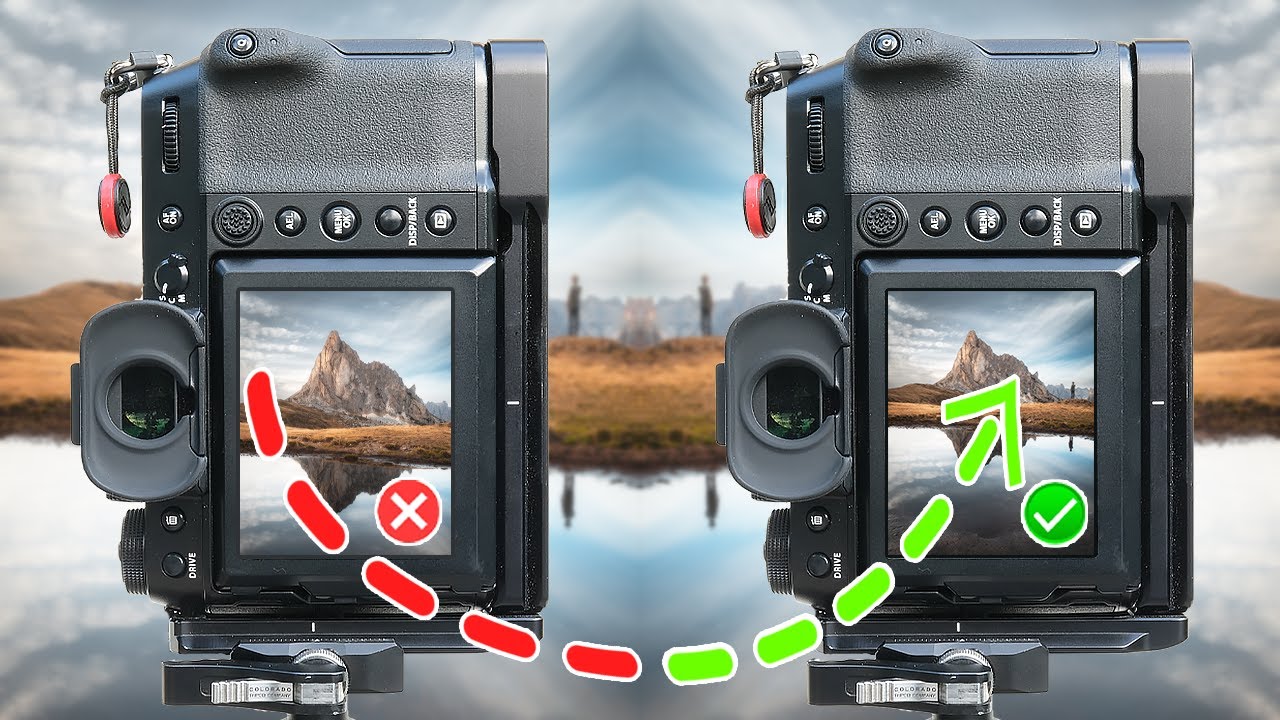
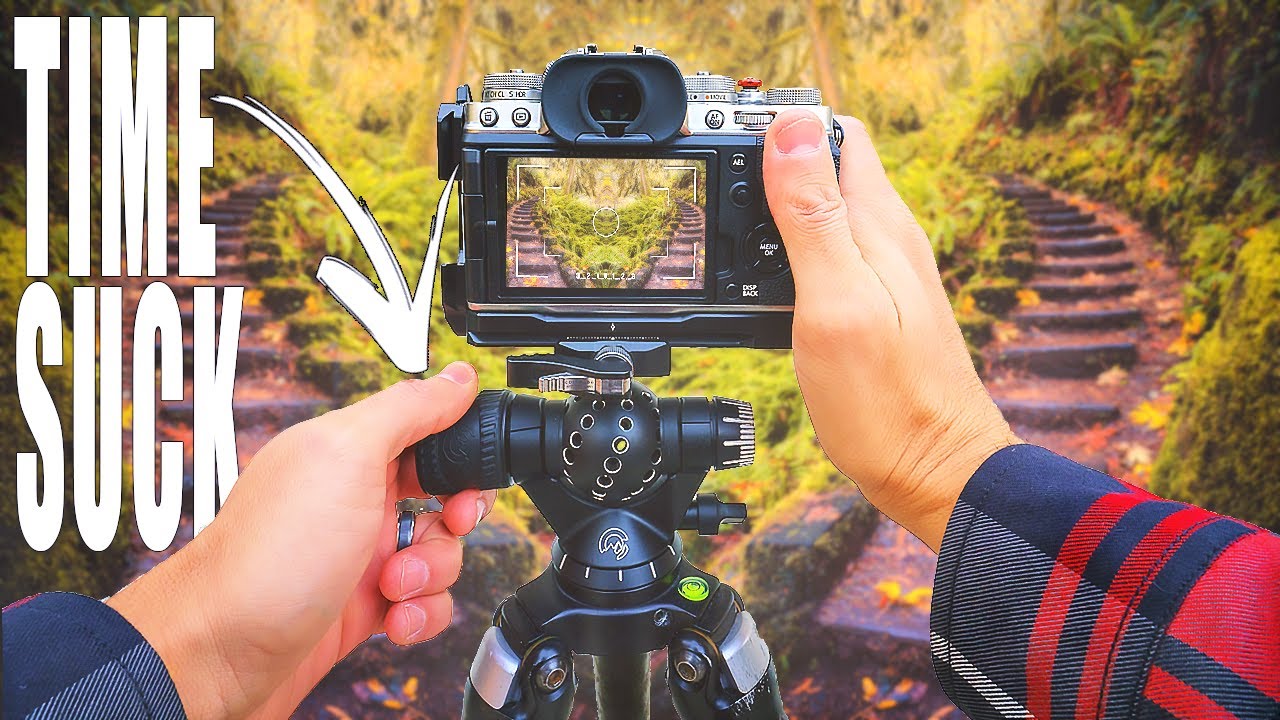
There’s a particular kind of frustration that comes from driving an hour to a location, spending three hours there, and coming home with one usable shot. I know it well. I used to do this constantly before I started being deliberate about how I actually spend my time when I’m out shooting. Most of us aren’t full-time photographers with unlimited days to wander around with a camera. We’re squeezing shoots into weekends, early mornings before work, or the occasional vacation.

Shoot to Edit: How to Use Masking and Frame-Blocking Transitions in Premiere Pro

Shoot to Edit: How to Use Masking and Frame-Blocking Transitions in Premiere Pro

Every Sunday morning I take a photo walk around Seattle. For the longest time, those walks were strictly stills. Then I started bringing a camera that shoots video, and suddenly I had a whole new problem: the footage looked fine on its own but fell apart the moment I tried to cut it together. Clips just slammed into each other. No flow, no feeling, nothing that matched the energy of actually being out there at 7am with a coffee and good light.

Peter Lippmann Is the Product Photographer You Should Be Studying Right Now

Peter Lippmann Is the Product Photographer You Should Be Studying Right Now

There is a particular kind of photographer whose work stops you mid-scroll. Not because the image is loud or chaotic, but because something in your brain quietly registers that what you are looking at required a level of intention you have not quite seen before. I had that experience the first time I came across Peter Lippmann’s portfolio, and I have gone back to it more times than I can count.

How to Light High-Key Portraits: Breaking Down a 3-Light Setup That Actually Works

How to Light High-Key Portraits: Breaking Down a 3-Light Setup That Actually Works

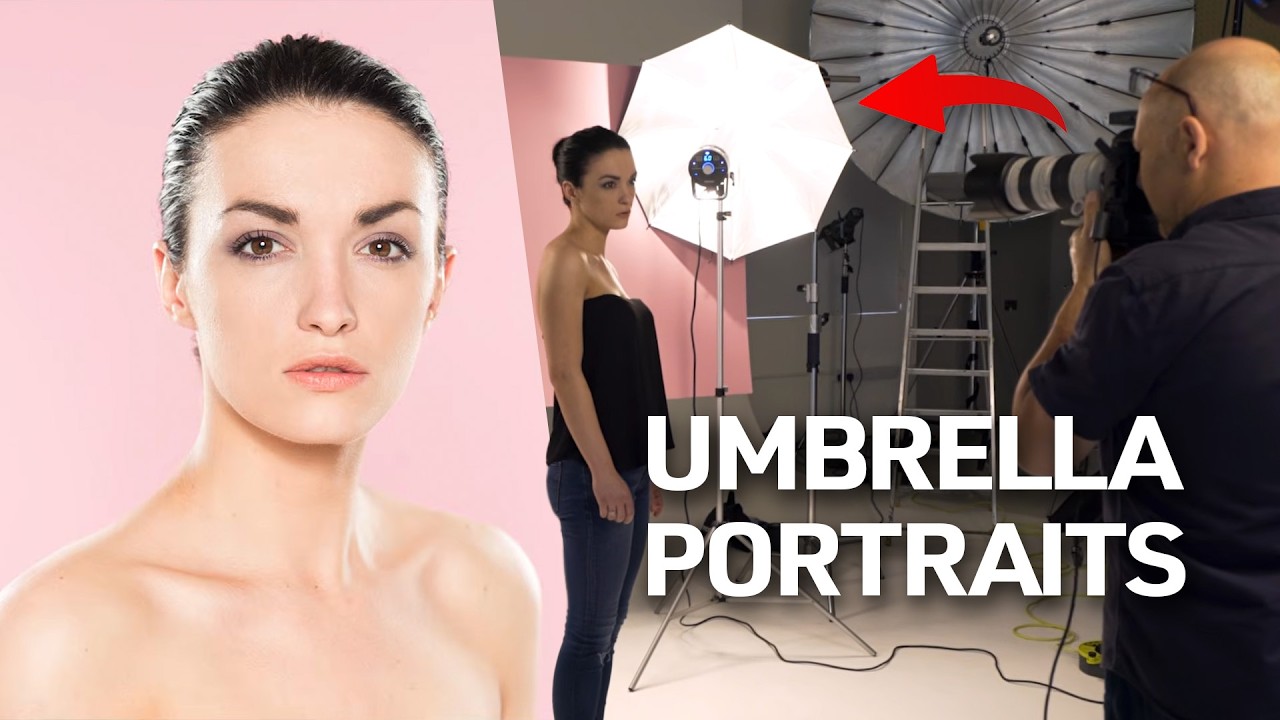
High-key portraits have a way of looking either effortlessly polished or completely blown out, and for a long time I landed firmly in the second camp. I kept chasing that bright, punchy, almost-editorial look, and kept getting images that were just… overexposed messes. The missing piece wasn’t better gear. It was understanding what each light was actually contributing before touching a power dial. Watch the full tutorial on YouTube In this Visual Education tutorial, the photographer breaks down a three-light high-key setup aimed at producing something close to a pop album cover aesthetic.

6 Things I Learned About Documentary Newborn Photography (From a CreativeLive Pro)

6 Things I Learned About Documentary Newborn Photography (From a CreativeLive Pro)

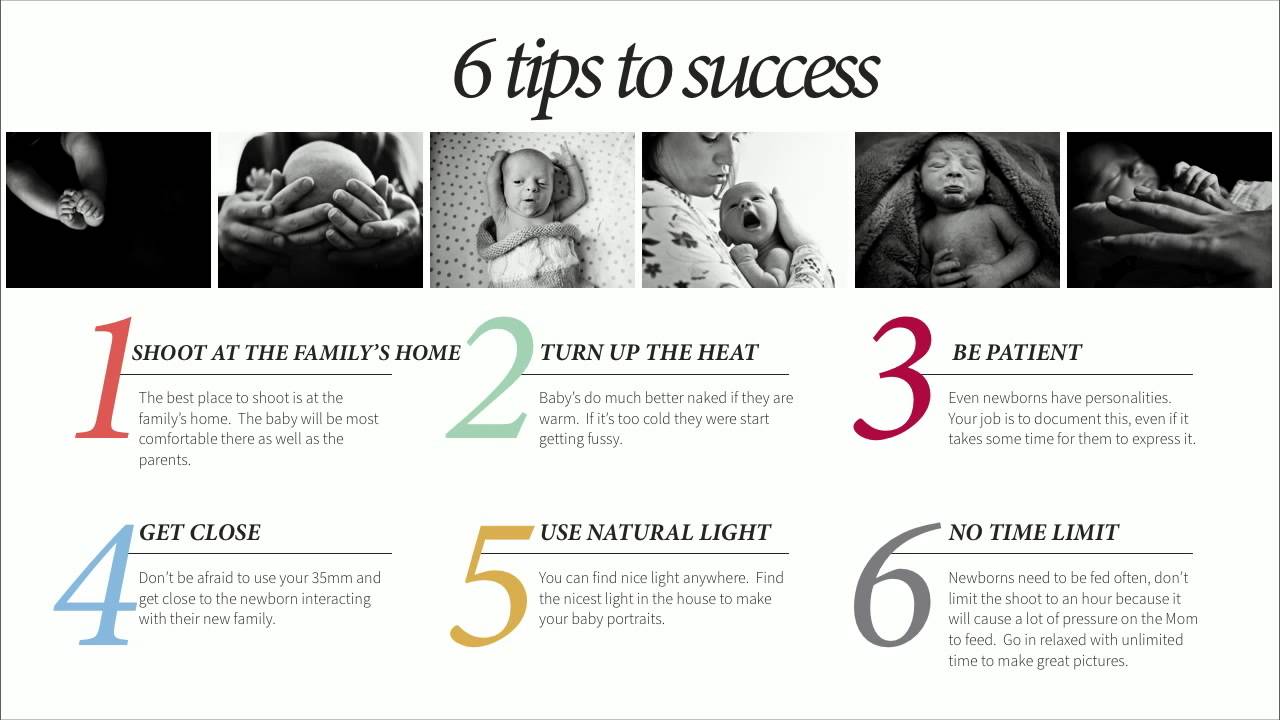
Newborn photography is one of those specialties that looks deceptively simple from the outside. You show up, the baby is tiny and cute, you take pictures. But anyone who has actually tried to photograph a newborn in a real home environment knows how quickly things can unravel. The baby is fussy, the parents are exhausted, the light is weird, and you’re fighting the clock. I’ve been there more times than I’d like to admit.

Light Painting, Long Exposures, and Smart Gear: Pro Field Techniques You Can Use Tonight

Light Painting, Long Exposures, and Smart Gear: Pro Field Techniques You Can Use Tonight

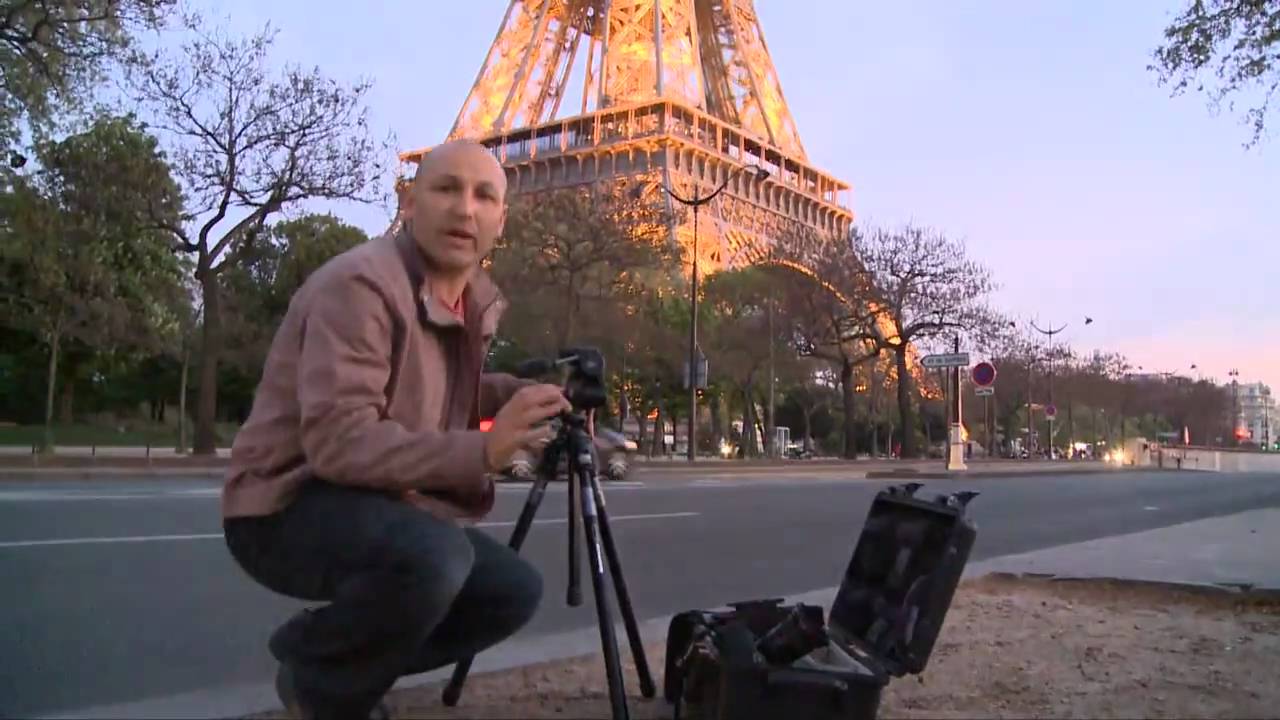
There’s a particular kind of frustration that comes from standing in a beautiful location at night with a camera, knowing the shot is there, and not quite having the tools or the plan to get it. I’ve been there more times than I’d like to admit. I spent three nights on a trip to Iceland watching other photographers nail dramatic long exposures while I kept blowing my highlights or losing all detail in the foreground.

What Hollywood Camera Crews Know That Most Photographers Never Learn

What Hollywood Camera Crews Know That Most Photographers Never Learn

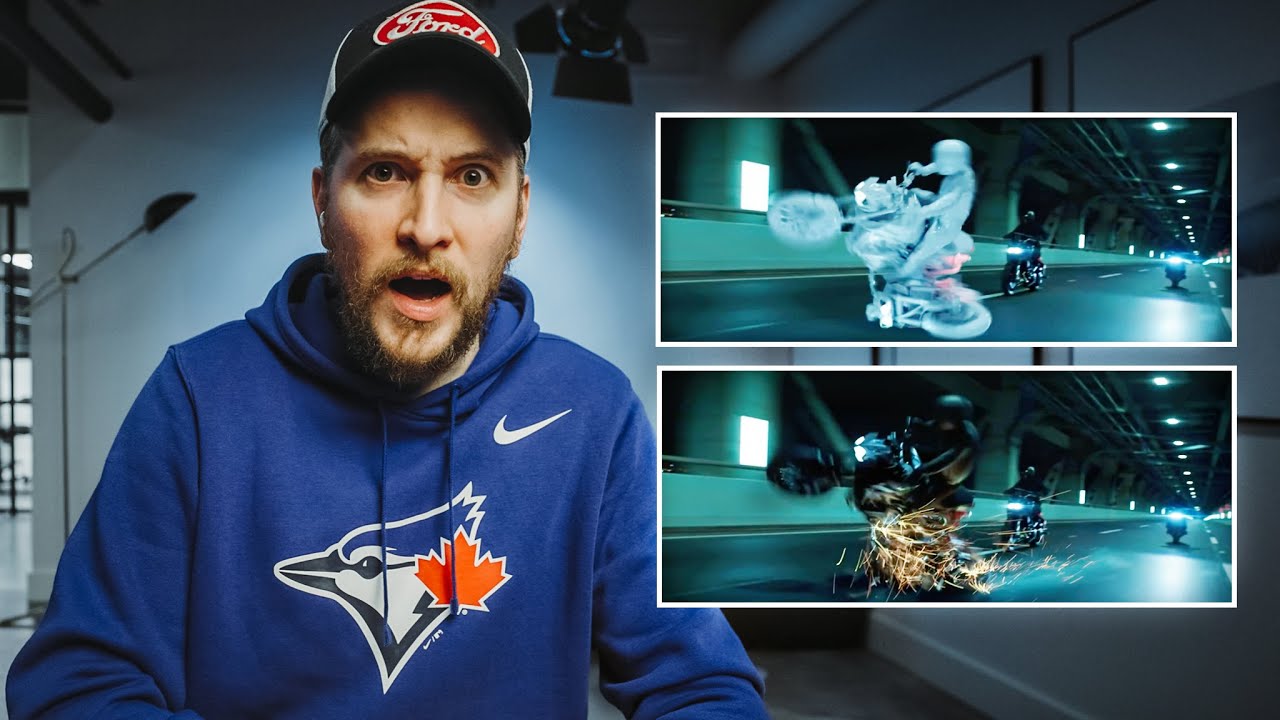
There’s a moment in every photographer’s growth where technical skill stops being the bottleneck. You know your settings. You understand light. But something about your images still feels flat compared to the work you admire most. For me, that gap started closing when I stopped studying only photographers and started paying close attention to how filmmakers solve visual problems. The constraints are different, but the creativity is contagious. In this Peter McKinnon tutorial, Watch the full tutorial on YouTube, McKinnon reacts to behind-the-scenes footage from major Hollywood productions, breaking down the practical and technical setups behind shots that look impossible.

How to Design a Photography Logo and Watermark That Actually Looks Like Yours

How to Design a Photography Logo and Watermark That Actually Looks Like Yours

For years I resisted watermarking my photos. Partly stubbornness, partly the fear of slapping something ugly over an image I’d worked hard to get. But when you’re sharing work online consistently, especially across Instagram and client galleries, having a clean, professional mark starts to matter. The problem isn’t the watermark concept itself. The problem is that most photographers end up with something that looks like it came from a free online generator circa 2009.

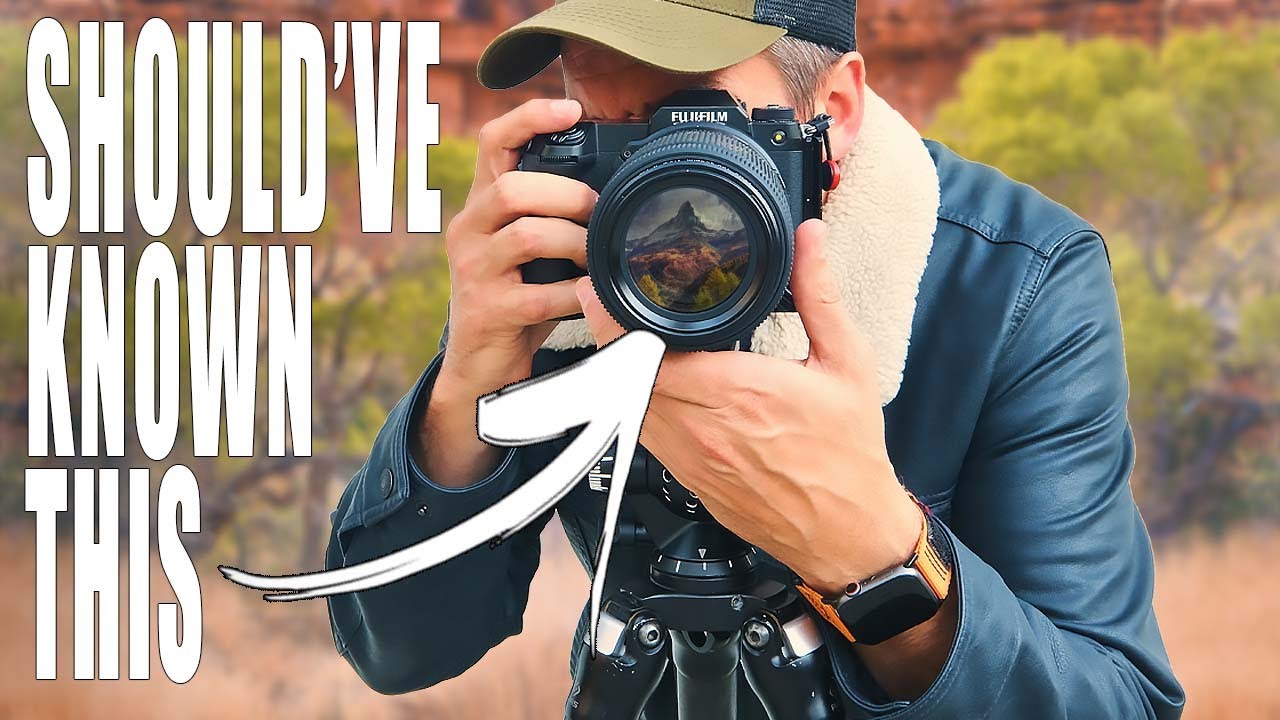
Do You Actually Need a Bigger Camera Sensor? What Landscape Photographers Should Know First

Do You Actually Need a Bigger Camera Sensor? What Landscape Photographers Should Know First

There’s a version of this conversation I’ve had probably a dozen times, usually with someone who’s been shooting for a year or two and has hit that frustrating plateau where their images feel technically good but not quite there. The conclusion they’ve arrived at is almost always the same: they need a bigger sensor. A full-frame upgrade, or maybe even medium format. If the files are larger and the dynamic range is wider, surely the images will follow.

Stop Fighting the Sun: 3 Techniques for Better Portraits in Harsh Midday Light

Stop Fighting the Sun: 3 Techniques for Better Portraits in Harsh Midday Light

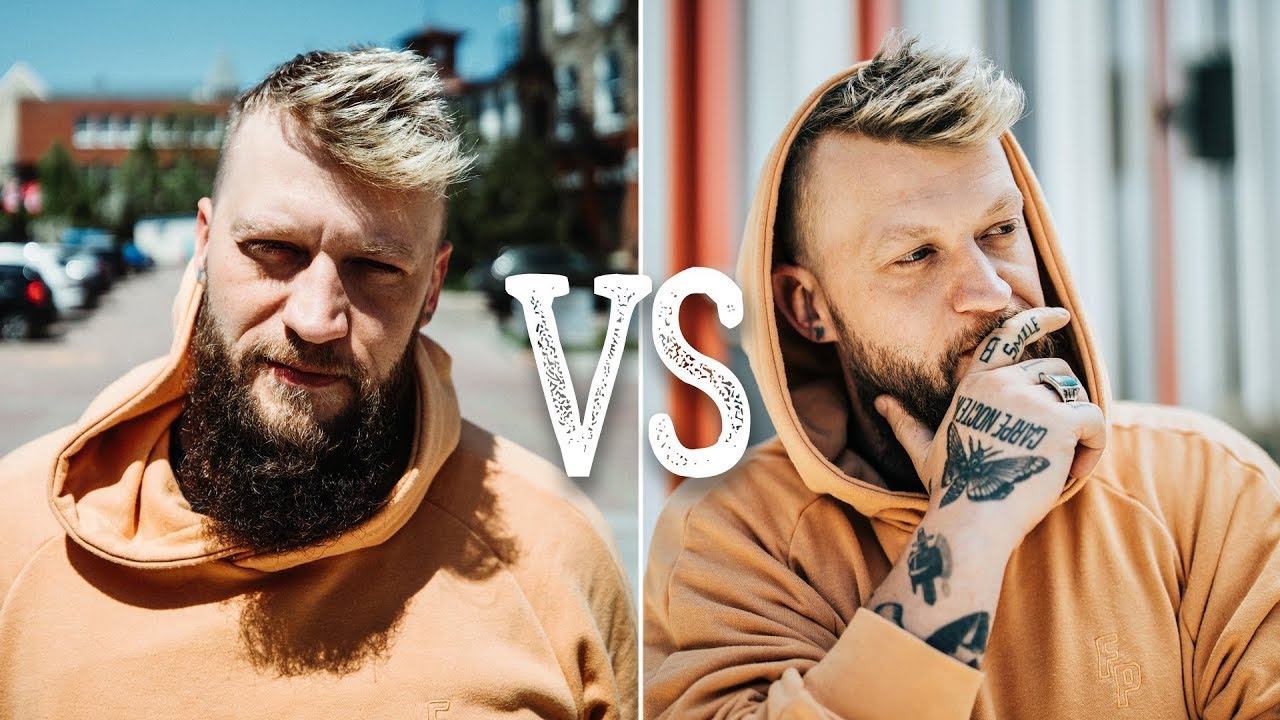
If you shoot portraits outdoors with any regularity, you already know the specific frustration I’m talking about. It’s noon, the light is brutal, and your subject is squinting into a sky that’s basically one giant flashbang. You twist every dial on your camera trying to salvage the shot, and every single result looks flat, blown out, or just plain unflattering. I’ve been there more times than I can count, including on a trip to Portugal where I spent three days chasing “golden hour” and completely ignored the six hours of perfectly usable harsh light in between.

How to Shoot and Edit a Bird Photo From Start to Finish (What I Learned From a Real-Time Walkthrough)

How to Shoot and Edit a Bird Photo From Start to Finish (What I Learned From a Real-Time Walkthrough)

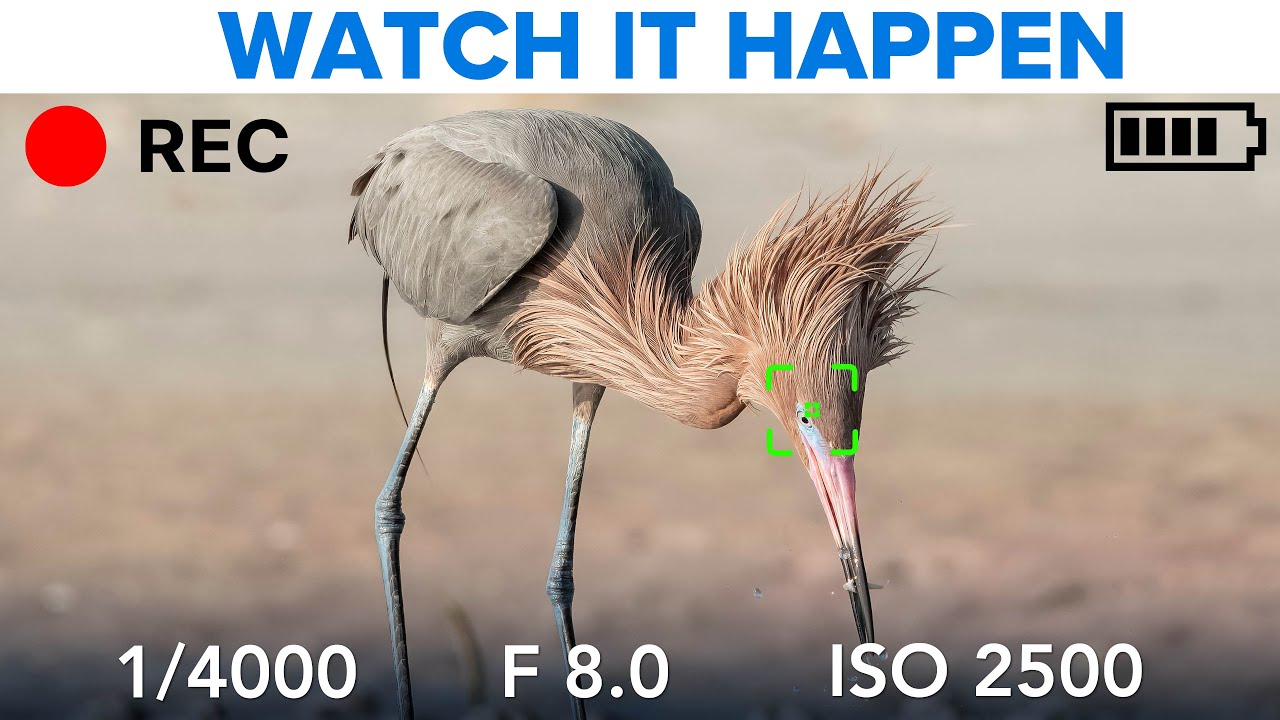
Bird photography has a way of humbling you fast. You set up, you wait, the bird does something incredible, and you come home with a card full of motion blur and missed focus. For a long time I thought I was just unlucky. Turns out, I was underprepared. What helped me most wasn’t another article about focal lengths. It was watching a working photographer actually shoot in real time, with their screen visible and their decision-making narrated out loud.

Stop Leaning on the Rule of Thirds (And What to Do Instead)

Stop Leaning on the Rule of Thirds (And What to Do Instead)

Every Sunday morning I take a photo walk around Seattle, and for the first year of doing it, nearly every single frame I came home with had the horizon sitting on the same horizontal third. Flowers in the lower third. Dramatic sky filling the upper two-thirds. It was compositionally “correct” and deeply, relentlessly boring. I didn’t even notice until I laid a grid over a month’s worth of shots and realized I’d essentially taken the same photograph forty times in different locations.