How Shooting for the Crop Changed the Way I Think About Composition

How Shooting for the Crop Changed the Way I Think About Composition

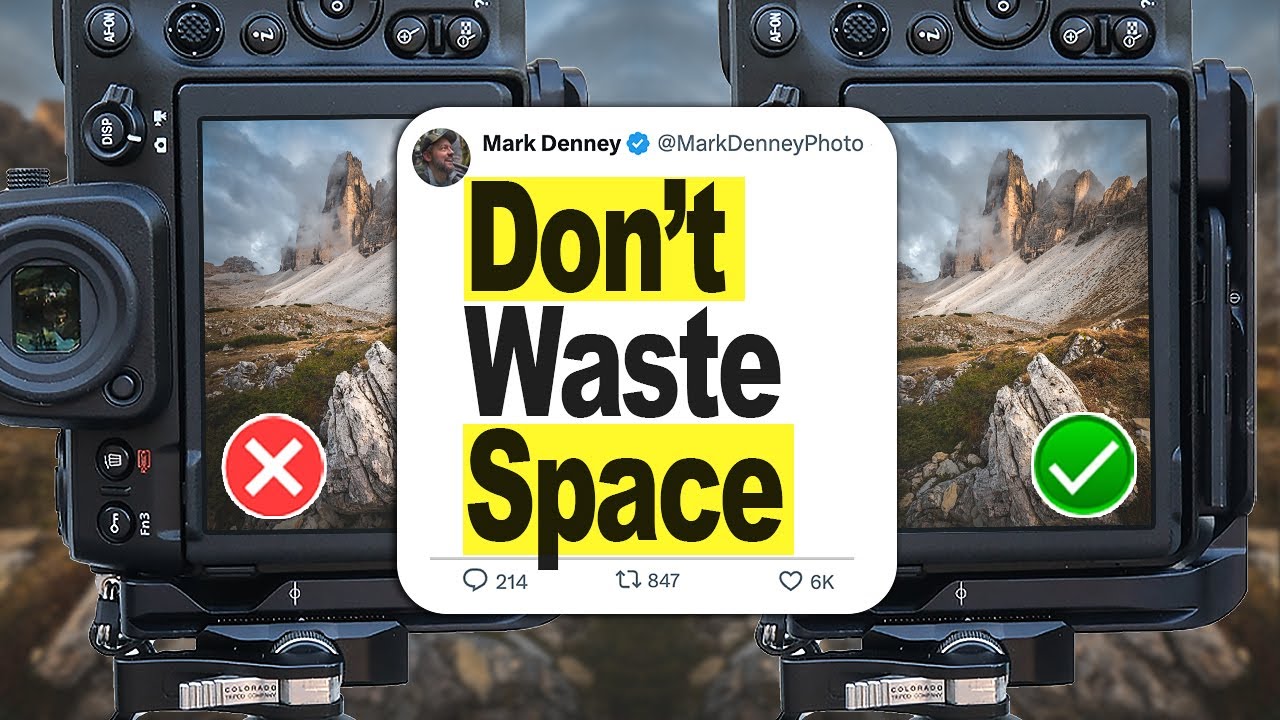
For a long time, composition felt like the part of photography where the rules multiplied faster than I could memorize them. Rule of thirds, leading lines, negative space, golden ratio — all useful, all valid, and yet somehow none of it answered the most practical question I kept running into in the field: what do I actually do when I’m not sure if I have the shot? I’d come home from a shoot, pull up my files, and realize the thing that was bothering me about an image was something I could have fixed right there on location if I’d only given myself a little room to work.
Why I Always Have a Compact Camera in My Pocket (And How Sean Tucker Convinced Me to Stop Making Excuses)

Why I Always Have a Compact Camera in My Pocket (And How Sean Tucker Convinced Me to Stop Making Excuses)

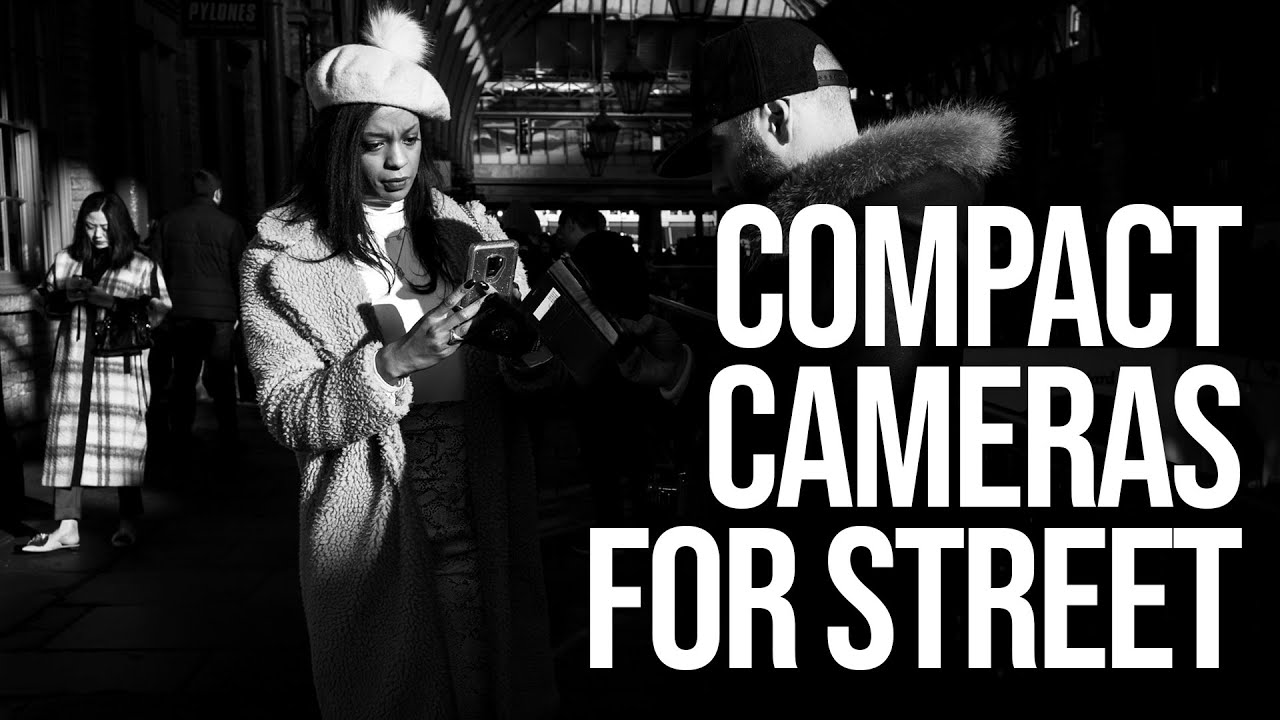
Every Sunday morning I do a photo walk. Rain, shine, or the kind of Seattle gray that makes you question your life choices. The ritual is the point. But I’ll be honest with you — there have been plenty of Sundays where I nearly talked myself out of going because I didn’t feel like hauling my whole kit. And on those days, the camera that saves the walk is always the small one stuffed into my jacket pocket.

How to Edit Protest Photography with Purpose: Radial Masks, Drama, and Timeless Tone

How to Edit Protest Photography with Purpose: Radial Masks, Drama, and Timeless Tone

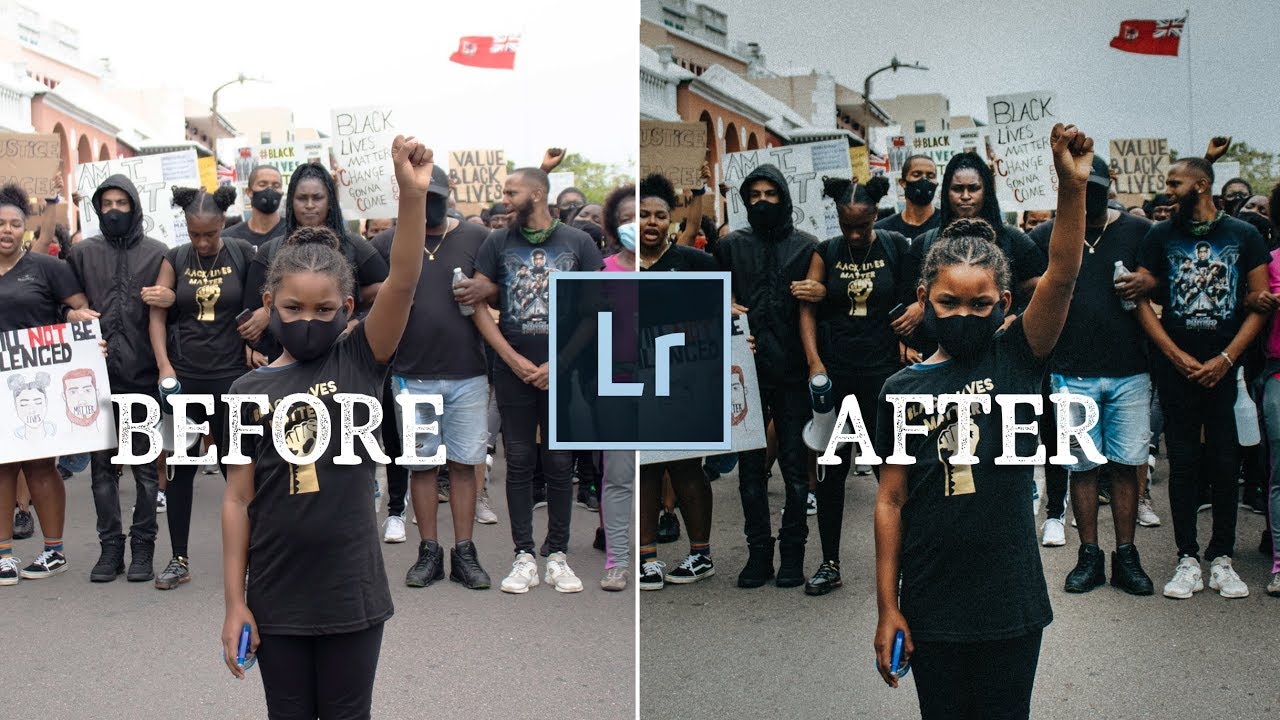
There’s a specific challenge that comes up when you’re editing photos that carry real emotional weight. Vacation shots and portraits have a certain forgiving quality to them. But when the image is documenting something that matters, something that needs to hold up a decade from now, the editing decisions feel higher stakes. You don’t want the processing to date the photo, and you don’t want style to get in the way of substance.

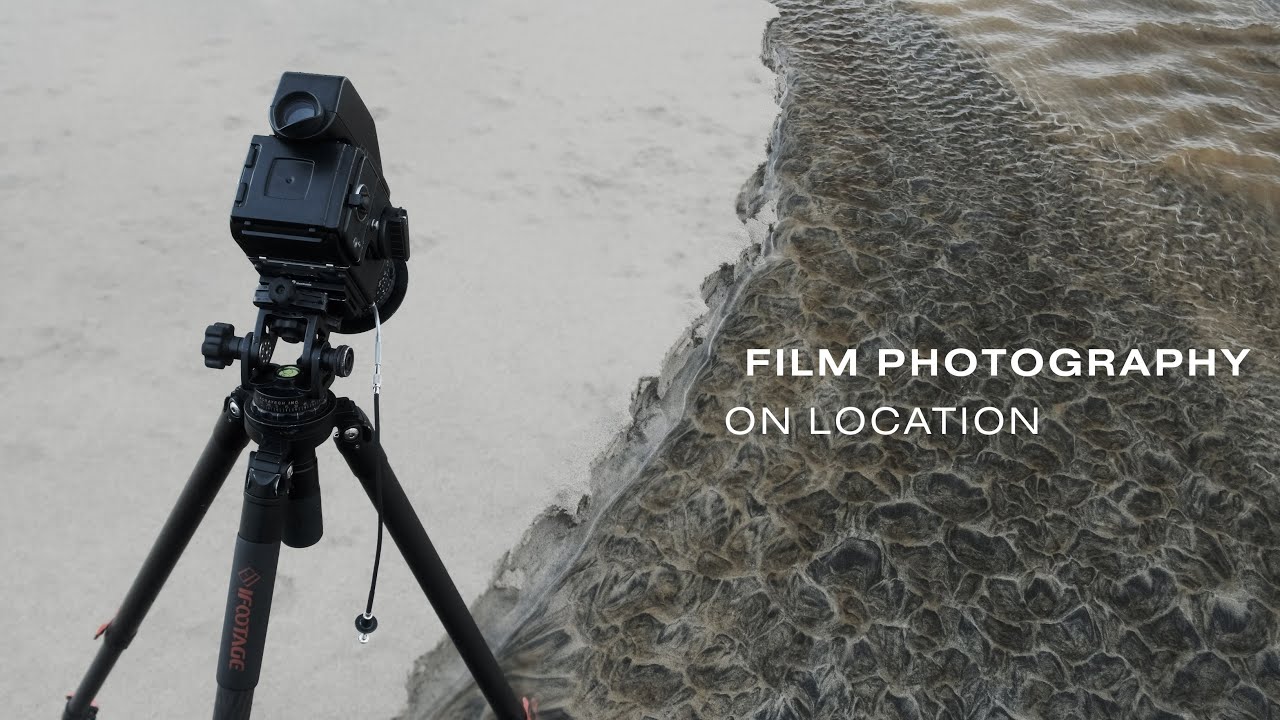
What Happens When You Leave Your Digital Camera at Home (And Only Shoot Film)

What Happens When You Leave Your Digital Camera at Home (And Only Shoot Film)

There’s a specific kind of anxiety that hits when you realize you can’t rely on your usual tools. I know it well. I once spent an entire vacation trying to nail one waterfall shot, missing dinner every night, convinced that if I just got the settings right I’d finally have the image. What I actually needed was to stop fussing and start seeing. That tension between gear dependency and genuine vision is exactly what Thomas Heaton explores in his recent trip to the Outer Hebrides, a rugged cluster of islands off the coast of Scotland.

You Don't Need a Story: How to Make Compelling Photos from Pure Shape, Light, and Color

You Don't Need a Story: How to Make Compelling Photos from Pure Shape, Light, and Color

Every Sunday morning I’m out walking before most of my neighborhood has had coffee, and for a long time I felt a low-level guilt about my favorite shots from those walks. No people. No dramatic moment. Just a patch of light cutting across a concrete wall, or the geometry of a fire escape against a pale sky. Were those even “real” photographs? Was I doing it wrong? Turns out, no. And I needed someone else to articulate why before I fully believed it.

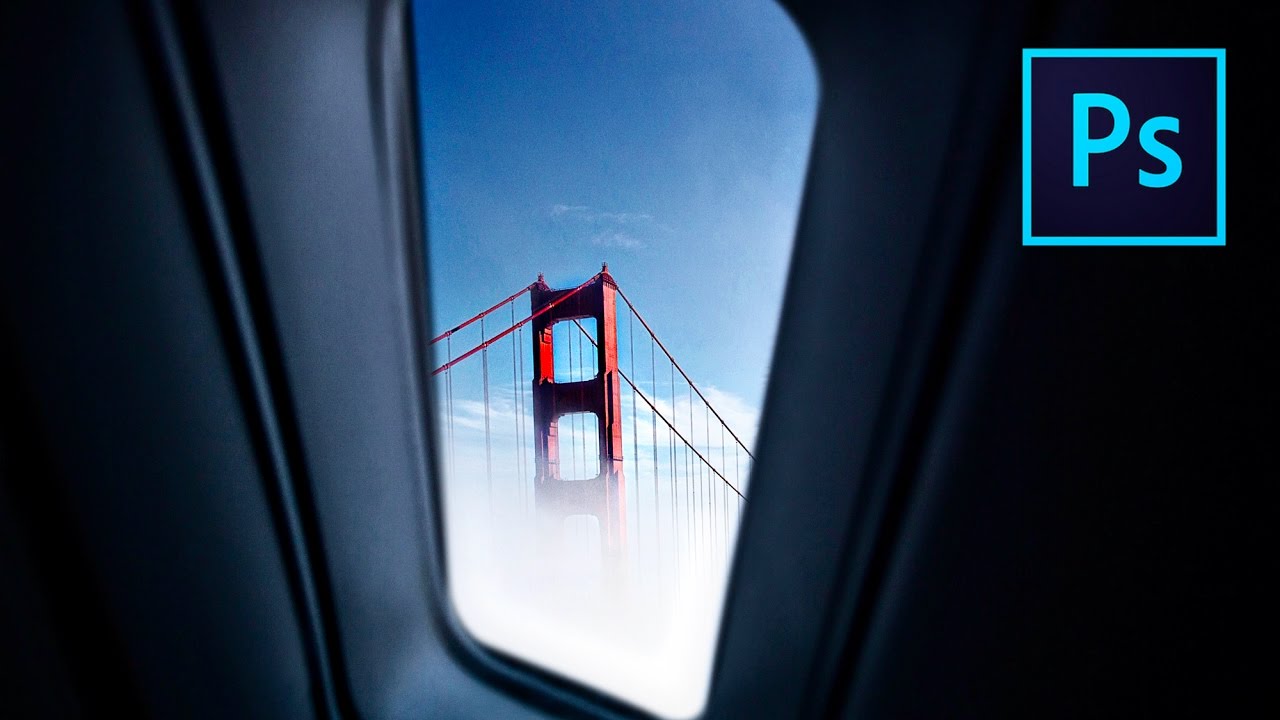
How to Composite Fake Backgrounds Into Your Photos Using Photoshop (And Why You Shouldn't Feel Guilty About It)

How to Composite Fake Backgrounds Into Your Photos Using Photoshop (And Why You Shouldn't Feel Guilty About It)

Every Sunday morning I do a photo walk around Seattle, and I come back with about two hundred shots. Maybe ten of them are genuinely interesting. A handful have great light but a cluttered background. A few have a compelling subject and a completely dead sky. For years I either published the mediocre version or deleted the file entirely. It took watching other photographers talk openly about compositing for me to realize there was a third option.

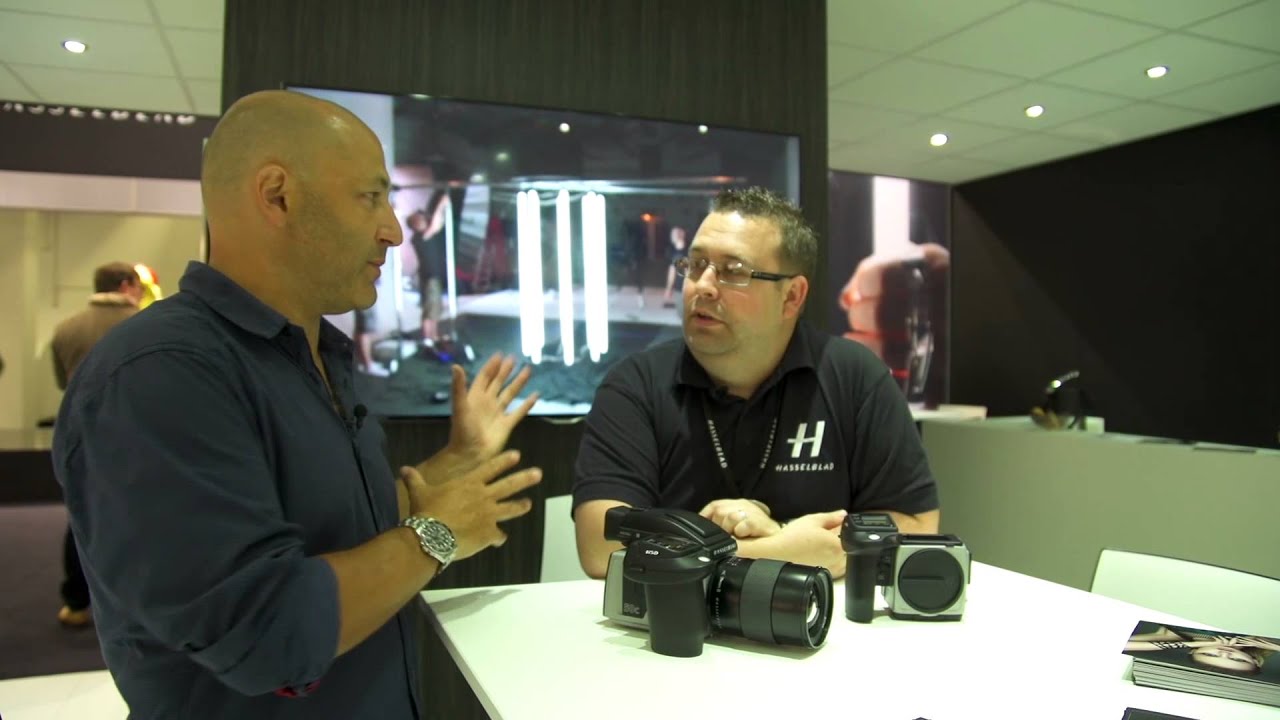
What Hasselblad's Photokina 2014 Stand Taught Me About Printing Big and Shooting Wireless

What Hasselblad's Photokina 2014 Stand Taught Me About Printing Big and Shooting Wireless

There’s a moment every photographer chases where you see your work printed at a scale you weren’t quite prepared for. Not on a screen, not in a proof, but on a wall so large you have to step back just to take it all in. For me, that kind of moment usually happens by accident, and it always asks the same uncomfortable question: did my camera actually capture enough? Resolution, sharpness, dynamic range.

10 Premiere Pro Tips That Will Actually Change How You Edit (Organized by How Much Time They'll Save You)

10 Premiere Pro Tips That Will Actually Change How You Edit (Organized by How Much Time They'll Save You)

I shoot a lot. Between client work, travel content, and the Sunday photo walks I refuse to give up no matter the Seattle weather, I end up with a genuinely embarrassing amount of footage to sort through. For a long time, my editing workflow was the digital equivalent of throwing clothes on a chair and hoping for the best. Bins named “stuff,” clips in the wrong sequence, color grades applied one painstaking cut at a time.

sRGB, Adobe RGB, or ProPhoto RGB? Here's How to Actually Choose the Right Color Space

sRGB, Adobe RGB, or ProPhoto RGB? Here's How to Actually Choose the Right Color Space

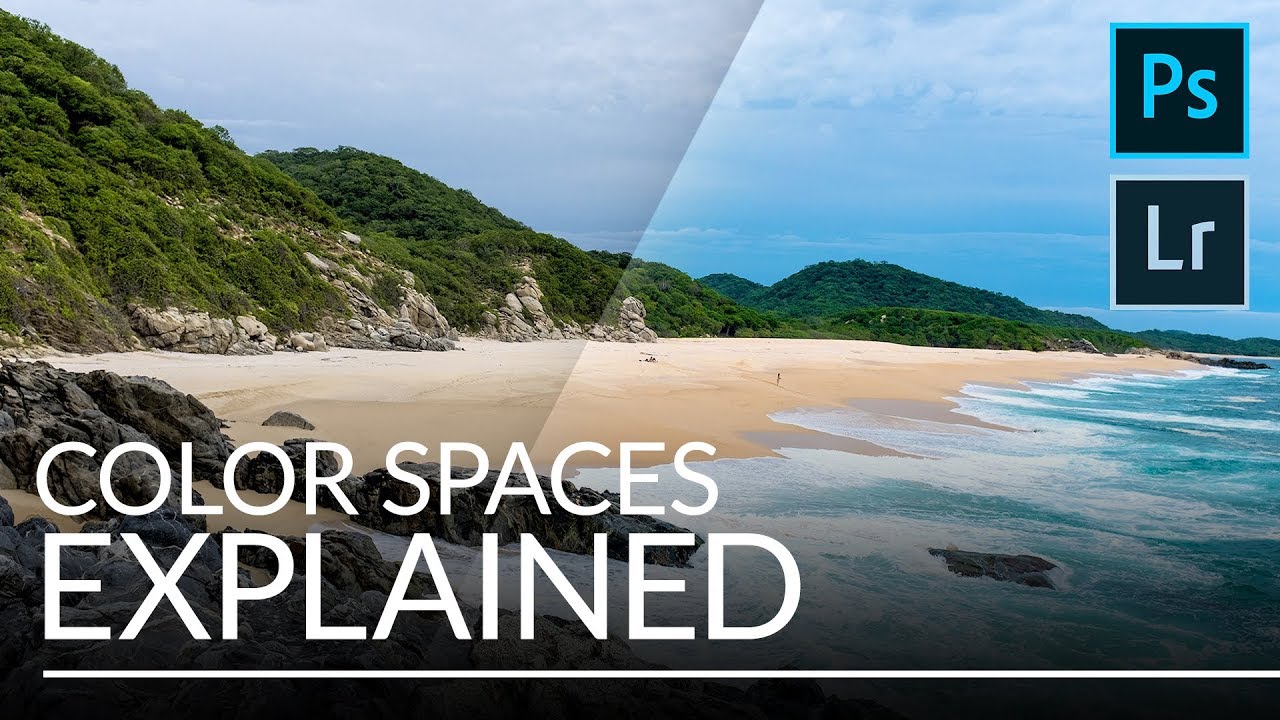
I used to export photos straight from Lightroom without giving color spaces a second thought. The images looked fine on my monitor, I’d post them, and then wonder why they looked slightly dull or weirdly shifted on my phone or a friend’s laptop. It wasn’t until I started digging into color management that I realized I had been skipping one of the most consequential settings in my entire workflow. This is one of those invisible problems that affects every single image you share, and most photographers don’t even know it’s happening.

How to Actually Edit RAW Landscape Photos: A 5-Step Lightroom Workflow That Works

How to Actually Edit RAW Landscape Photos: A 5-Step Lightroom Workflow That Works

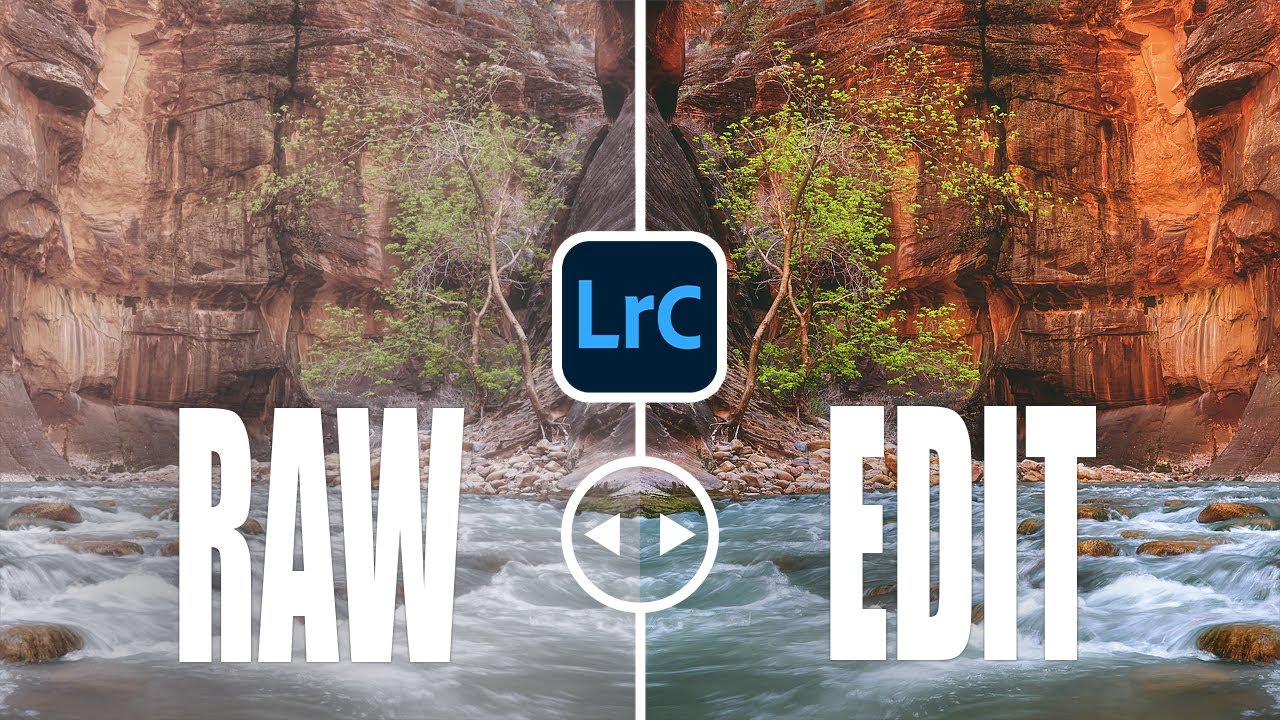
I spent an entire vacation chasing a waterfall shot. Five days, missed dinners, soaked boots. When I finally got home and opened the RAW files, I had no idea what I was doing in Lightroom and nearly threw away some of the best frames I’d ever captured. That experience is exactly why I get a little emotional when beginners tell me they just shoot JPEG because it’s “easier.” I understand the logic.

How Many Great Photos Should You Actually Expect? Sean Tucker's Layering Method Explained

How Many Great Photos Should You Actually Expect? Sean Tucker's Layering Method Explained

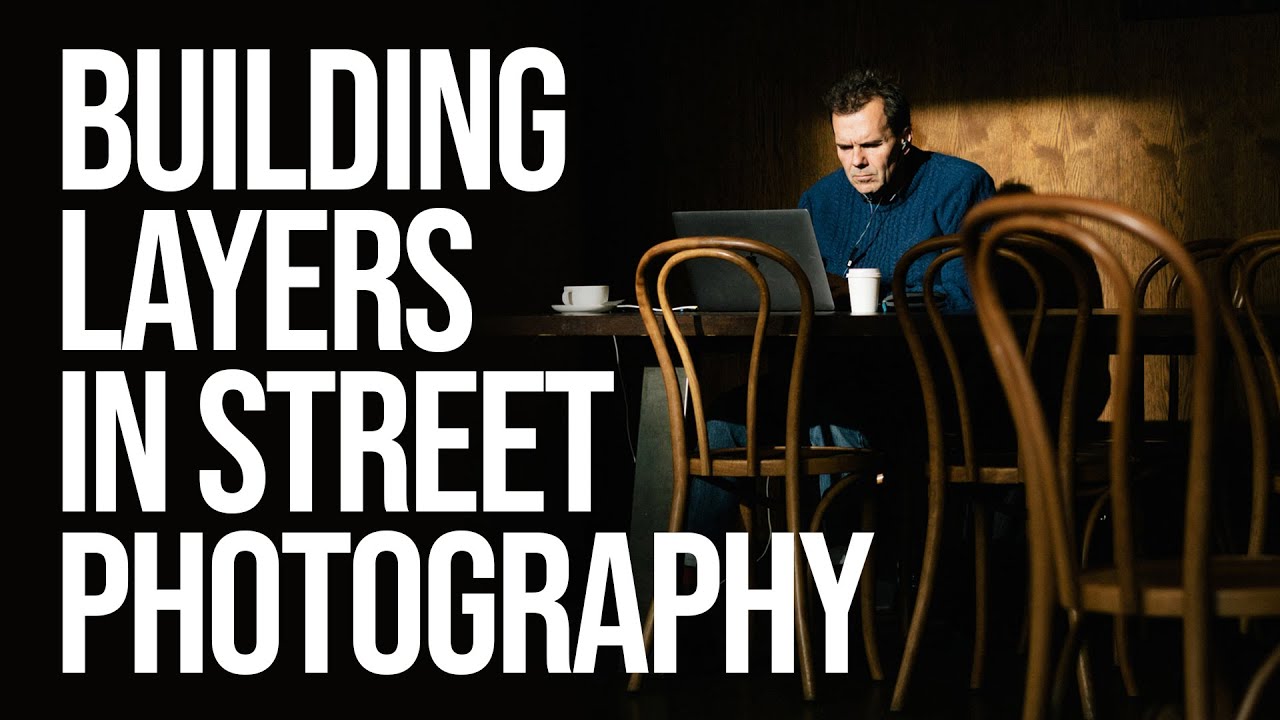
Every Sunday morning I do a photo walk. Rain, shine, Seattle gray — doesn’t matter. I’m out the door with coffee and a camera. And for years, I’d come home frustrated if I didn’t have at least one image I felt proud of. I’d scroll through 200 frames, find maybe three that were decent, and wonder what I was doing wrong. It took me a long time to realize that frustration wasn’t a skill problem.

How to Photograph a Hidden Waterfall: Depth, Framing, and the Art of Slowing Down

How to Photograph a Hidden Waterfall: Depth, Framing, and the Art of Slowing Down

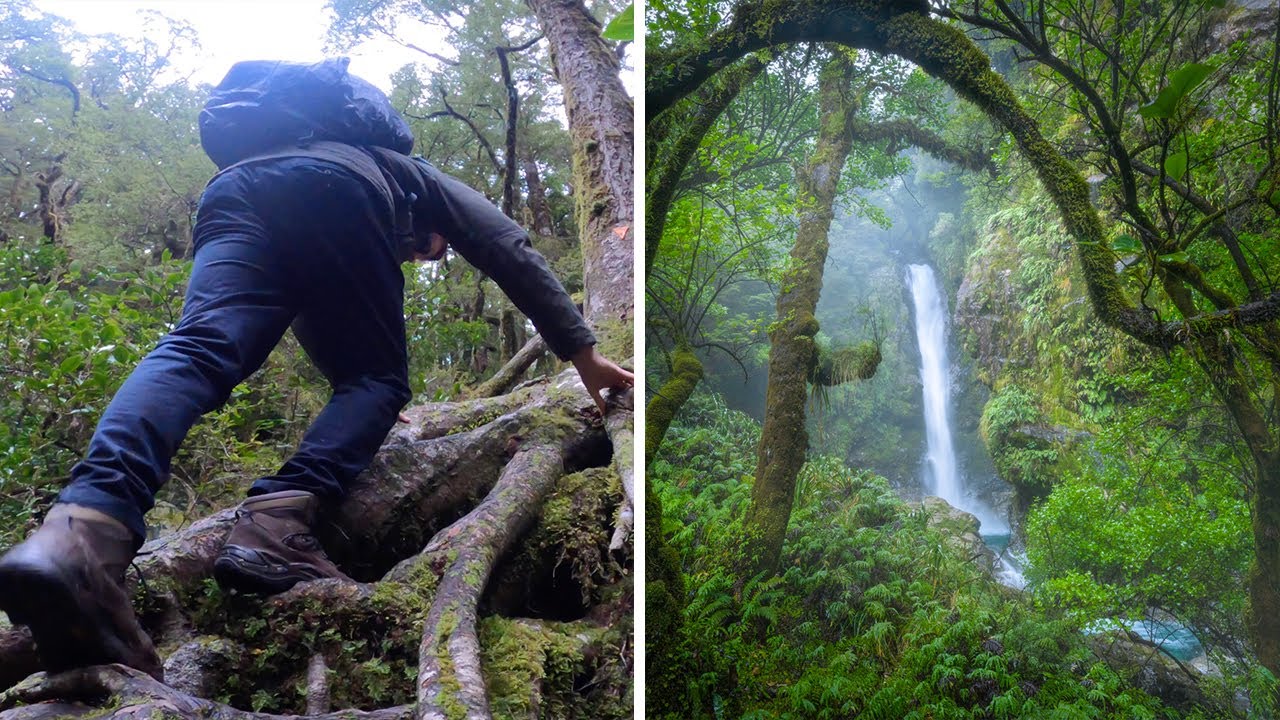
I’ve spent an embarrassing amount of time standing at the base of a waterfall convinced that being right there was the best position. Closer is better, right? More impact? It took me years, a ruined vacation, and a lot of mediocre shots before I understood that proximity is usually the enemy of a great landscape frame. The foreground, midground, and background all have to earn their place in the image, and waterfall photography is where that lesson hits hardest.