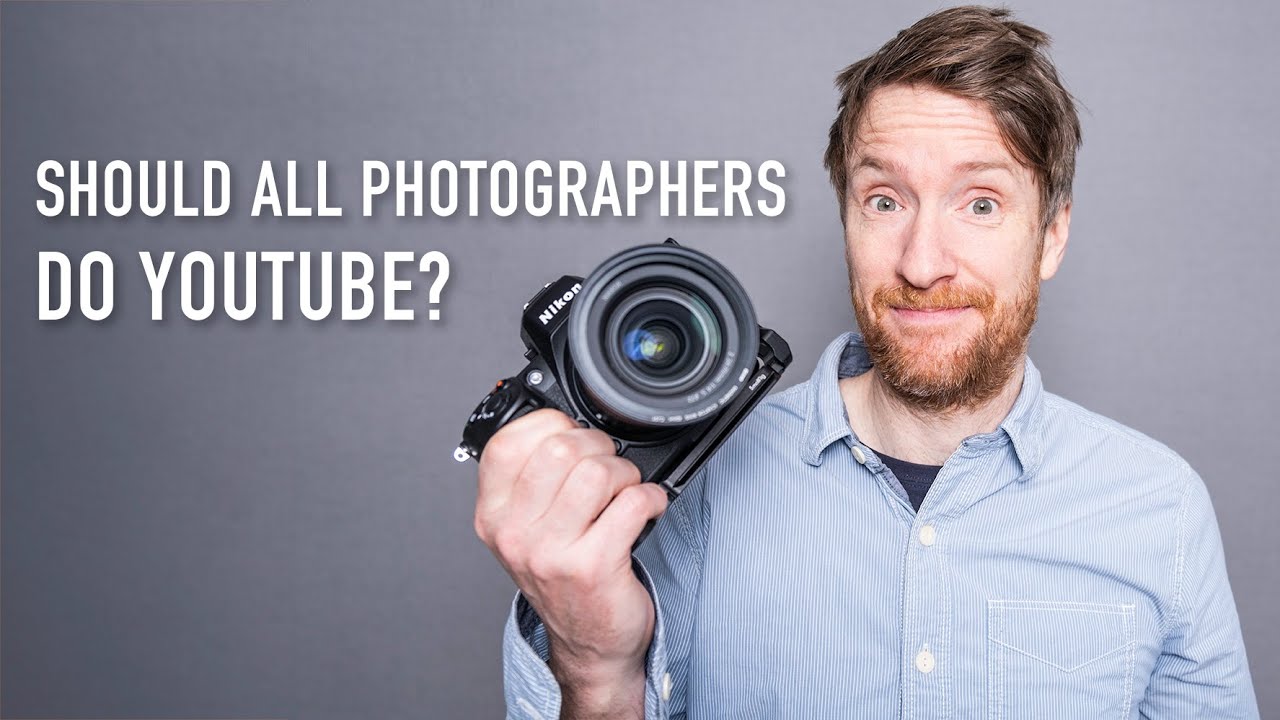
I’ve had the “should I start a YouTube channel?” conversation more times than I can count, usually over coffee with someone who already has a strong eye for photography but zero idea how to translate that into video. The hesitation is always the same: I’m too late, I’m too old, I don’t know what I’m doing on camera. What nobody tells these photographers is that the barrier is almost never what they think it is.
Watch the full tutorial on YouTube
In this Thomas Heaton tutorial, the landscape photographer reflects on nearly a decade of building his channel from zero, and he cuts straight through the noise. Heaton isn’t selling a course or a method. He’s a working photographer who credits YouTube entirely for turning a private passion into a global career, and that honesty makes his advice land differently than most “grow your channel” content you’ll find. What follows is a breakdown of the practical steps he walks through, with my own notes folded in from the experience of building a photography presence online from scratch.
Step 1: Decide Whether YouTube Actually Fits Your Relationship With Photography
 Heaton speaking directly to camera about who YouTube is for
Before you shoot a single frame of video, ask yourself an honest question: why do you take photos? If photography is deeply personal, meditative, a private practice you protect carefully, then a public channel could genuinely damage that. Heaton is clear that he’s not saying every photographer needs to be on YouTube. If shooting landscapes is your way of getting quiet, don’t invite an audience into that silence just because it seems like a smart career move.
Heaton speaking directly to camera about who YouTube is for
Before you shoot a single frame of video, ask yourself an honest question: why do you take photos? If photography is deeply personal, meditative, a private practice you protect carefully, then a public channel could genuinely damage that. Heaton is clear that he’s not saying every photographer needs to be on YouTube. If shooting landscapes is your way of getting quiet, don’t invite an audience into that silence just because it seems like a smart career move.
But if you want your work seen, if you want to connect with people who care about the same things you do, and if the idea of building something around your photography sounds exciting rather than exhausting, then YouTube offers something no other platform quite matches: it lets viewers know the person behind the image, not just the image itself.
Step 2: Stop Telling Yourself You’re Too Late or Too Old
 Heaton referencing starting his channel at age 30 with no audience
Heaton started his channel at 30 with no following, no name recognition, and a few hundred views on Flickr as his entire track record. He’s emphatic that the photography audience on YouTube skews older, that landscape and wildlife photography viewers are not teenagers, and that being in your 30s, 40s, 50s, or beyond is not a disadvantage. It might actually be the opposite.
Heaton referencing starting his channel at age 30 with no audience
Heaton started his channel at 30 with no following, no name recognition, and a few hundred views on Flickr as his entire track record. He’s emphatic that the photography audience on YouTube skews older, that landscape and wildlife photography viewers are not teenagers, and that being in your 30s, 40s, 50s, or beyond is not a disadvantage. It might actually be the opposite.
The people who watch photography content want experience, patience, and a genuine point of view. They’re not there for viral energy or trending audio. If you’ve been shooting for years and you know things, that is your content. The idea that YouTube is a young person’s game is something Heaton dismisses outright, and after seeing what resonates with my own Sunday morning photo walk community, I’d back him up completely.
Step 3: Mentally Separate a Photography Shoot From a Video Shoot
 Heaton explaining the mindset shift before going into the field
This is the piece of advice Heaton calls his most important, and it’s the one I wish someone had handed me early on. When you go out with the intention of making a video about your photography, you are not on a photography shoot. You are on a video shoot that happens to involve photography. That distinction sounds small. It is not.
Heaton explaining the mindset shift before going into the field
This is the piece of advice Heaton calls his most important, and it’s the one I wish someone had handed me early on. When you go out with the intention of making a video about your photography, you are not on a photography shoot. You are on a video shoot that happens to involve photography. That distinction sounds small. It is not.
When you conflate the two, you end up compromising both. You either get so absorbed in chasing the perfect shot that you forget to capture any of the storytelling moments your video needs, or you interrupt your creative flow every five minutes to explain yourself to a camera and you come home with nothing you’re proud of on either front. Decide before you leave the house which one you’re doing, and then commit to it fully.
Step 4: Share More Than the Final Image
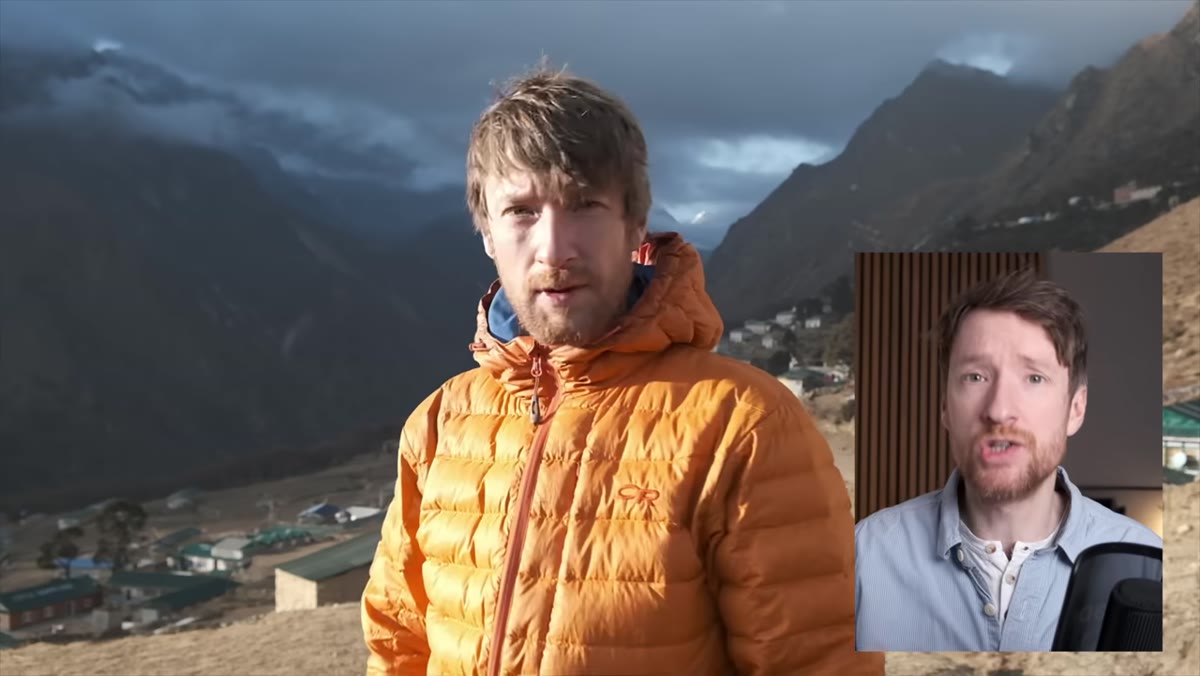 Heaton describing what YouTube lets photographers communicate beyond the photo
One of the core arguments Heaton makes for YouTube over a static portfolio or Instagram feed is that video lets you share the entire story around an image, not just the image itself. A viewer who watches you hike to a location, struggle with the light, adjust your composition twelve times, and finally get the frame you were after has a completely different relationship with that photograph than someone who scrolls past it in a grid.
Heaton describing what YouTube lets photographers communicate beyond the photo
One of the core arguments Heaton makes for YouTube over a static portfolio or Instagram feed is that video lets you share the entire story around an image, not just the image itself. A viewer who watches you hike to a location, struggle with the light, adjust your composition twelve times, and finally get the frame you were after has a completely different relationship with that photograph than someone who scrolls past it in a grid.
That connection is what builds a real audience. Tips and behind-the-scenes context, your decision-making process, even the shots that didn’t work, all of it adds texture that a single image simply cannot carry. If you’ve ever had a stranger ask you how you got a particular shot (which, for me, is actually what started my whole teaching side), you already know how hungry people are for that context. Video is just the most scalable way to give it to them.
Step 5: Think of the Channel as a Long-Term Platform, Not a Quick Win
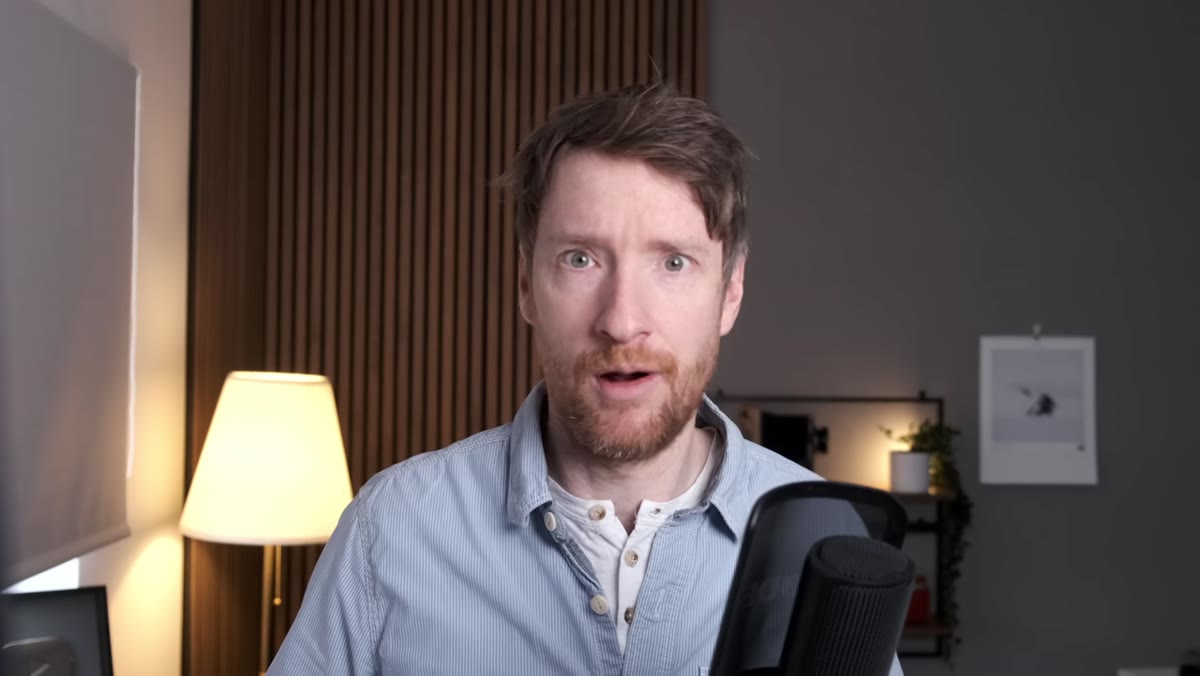 Heaton crediting YouTube entirely for his photography career trajectory
Heaton is ten years into this. His career, his income, his ability to travel and shoot for a living, he points to YouTube as the engine behind all of it. That timeline matters. Nobody builds a meaningful channel in three months, and photographers especially can fall into the trap of measuring early traction against the work it took to develop their photography skills, forgetting that those skills also took years.
Heaton crediting YouTube entirely for his photography career trajectory
Heaton is ten years into this. His career, his income, his ability to travel and shoot for a living, he points to YouTube as the engine behind all of it. That timeline matters. Nobody builds a meaningful channel in three months, and photographers especially can fall into the trap of measuring early traction against the work it took to develop their photography skills, forgetting that those skills also took years.
Treat the channel the way you treat your photography: show up consistently, study what’s working, and give yourself permission to be imperfect while you develop. The audience will grow in proportion to the effort and honesty you put in, not the production value of your first ten videos.
A Note From My Own Experience
The mindset shift in Step 3 is the one I personally had to learn the hard way. I spent an entire vacation trying to nail a specific waterfall shot, and I was so locked into photographer mode that I captured almost nothing usable for the video I’d planned to make. The footage was either missing or an afterthought. The photos were great. The video was a disaster.
Now I plan differently. If I know I want content from a shoot, I build in dedicated moments for talking to camera, I note what story I want to tell before I leave, and I treat the video as its own creative project with its own requirements. Photography and video can absolutely coexist, but they need their own space in your planning.
The single biggest takeaway from Heaton’s tutorial is this: YouTube works for photographers because it creates a connection that images alone cannot. If you want people to care about your work over time, and not just double-tap and move on, giving them the story behind the shot is how you do it. It’s not about being young or trendy or technically perfect on camera. It’s about being honest and consistent.
Watch the full tutorial on YouTube
Comments
Leave a Comment