The 4-Step Composition Process That Changed How I Read a Scene

The 4-Step Composition Process That Changed How I Read a Scene

Every Sunday morning I do a photo walk. No agenda, no client, no pressure. Just me, whatever camera I feel like grabbing, and whatever Seattle decides to look like that day. And for years, I would show up to a location, pull out my camera within about 30 seconds, and start shooting. I thought I was being efficient. What I was actually doing was skipping the most important part. I came across a tutorial by landscape photographer Mark Denney where he breaks down his four-step process for finding and building a strong composition on location.

The Skill No Camera Can Teach You: How Empathy Makes You a Better Portrait Photographer

The Skill No Camera Can Teach You: How Empathy Makes You a Better Portrait Photographer

I’ve been teaching photography for a few years now, and the question I get most often from beginners is some version of “which lens should I use for portraits?” Rarely does anyone ask, “How do I make my subject feel safe enough to be themselves?” And that gap right there is exactly why so many portrait sessions produce technically fine images that are also somehow completely lifeless. The gear is fine.

Why Manual Focus Might Actually Make You a Faster Shooter (Yes, Really)

Why Manual Focus Might Actually Make You a Faster Shooter (Yes, Really)

Every Sunday morning I take a photo walk through whatever neighborhood Seattle decides to throw at me that week. And for a long time, I noticed something embarrassing: I kept missing moments. A laugh right before I expected it. A glance that lasted half a second. By the time my camera locked focus and confirmed it, the shot was gone. I blamed my timing. Turns out, I might have been blaming the wrong thing.

Karl Taylor's 5 Portrait Photography Tips (And What I'd Add From the Field)

Karl Taylor's 5 Portrait Photography Tips (And What I'd Add From the Field)

Portrait sessions used to make me genuinely nervous — not because of the camera settings, but because of everything happening on the other side of the lens. I’d spend so much mental energy on my lighting ratios that by the time my subject arrived, I was distracted and they could feel it. The photos showed it too. Stiff expressions, guarded eyes, that unmistakable look of someone who just wants to get it over with.

Stop Guessing Your Exposure: A Working Photographer's Guide to Manual Mode

Stop Guessing Your Exposure: A Working Photographer's Guide to Manual Mode

Every Sunday morning I take a photo walk through my neighborhood in Seattle, and for the first two years of doing that, I was fighting my camera the whole time. I’d dial in aperture priority, watch the meter, and still come home with a card full of images where the bright sky was blown out or the shadows turned to mud. I kept tweaking exposure compensation, guessing, compensating again. It felt like negotiating with someone who didn’t speak my language.

Photographer's Block Is Real — Here's the 3-Step Reset That Actually Works

Photographer's Block Is Real — Here's the 3-Step Reset That Actually Works

Every working photographer hits that wall. You pick up the camera, look through the viewfinder, and feel absolutely nothing. No pull, no curiosity, no itch to shoot. I had one of those stretches last winter where my Sunday photo walks started to feel like a chore. I was shooting the same corners of Seattle I’d walked a hundred times, importing cards full of “fine” images, and wondering what the point was.

What Happens When Three Photographers Shoot the Same Model (And What It Taught Me About My Own Eye)

What Happens When Three Photographers Shoot the Same Model (And What It Taught Me About My Own Eye)

I used to think that if two photographers stood in the same spot with the same gear, they’d come back with more or less the same photo. I held onto that assumption for longer than I’d like to admit. It wasn’t until I started shooting with other photographers on my Sunday morning photo walks that I realized how wrong I was. Same light, same street corner, sometimes the same focal length, and we’d come back with images that looked like they were taken on different days by different people.

Your Lightroom Catalog Is One Outage Away From Gone - Here's What To Do About It

Your Lightroom Catalog Is One Outage Away From Gone - Here's What To Do About It

There’s a conversation I keep having with photographer friends, usually over coffee, that goes something like this: “Where do you actually keep your photos?” The answer is almost always some version of “in Lightroom” - and that answer has started to genuinely worry me. Not because Lightroom is bad software, but because most of us have quietly handed over custody of our entire creative life to a subscription service without thinking too hard about what that means.

Stop Guessing Exposure: A Practical Guide to Camera Metering Modes

Stop Guessing Exposure: A Practical Guide to Camera Metering Modes

Every Sunday morning I take a photo walk through Seattle, and I still run into the same exposure problem I had when I first picked up a camera: a bright sky blowing out behind a subject, or a dark foreground turning everything murky. I spent a long time thinking I was doing something wrong with my settings, when the real issue was that I didn’t fully understand what my camera was actually measuring when it tried to set the exposure for me.

Two Habits That Are Quietly Killing Your Photography (And How to Fix Them)

Two Habits That Are Quietly Killing Your Photography (And How to Fix Them)

There’s a version of me from a few years ago who would open Instagram first thing in the morning, scroll through feeds from photographers shooting in Patagonia and Iceland, and then put my camera down for the rest of the day. Not because I was tired. Because I felt defeated before I’d even started. I live in Seattle. My Sunday photo walks wind through the same neighborhoods week after week. The shots I was seeing on my phone made what I had in front of me feel small and pointless.

How to Photograph a Waterfall: Lessons From Shooting in the Rain With a Wide Angle

How to Photograph a Waterfall: Lessons From Shooting in the Rain With a Wide Angle

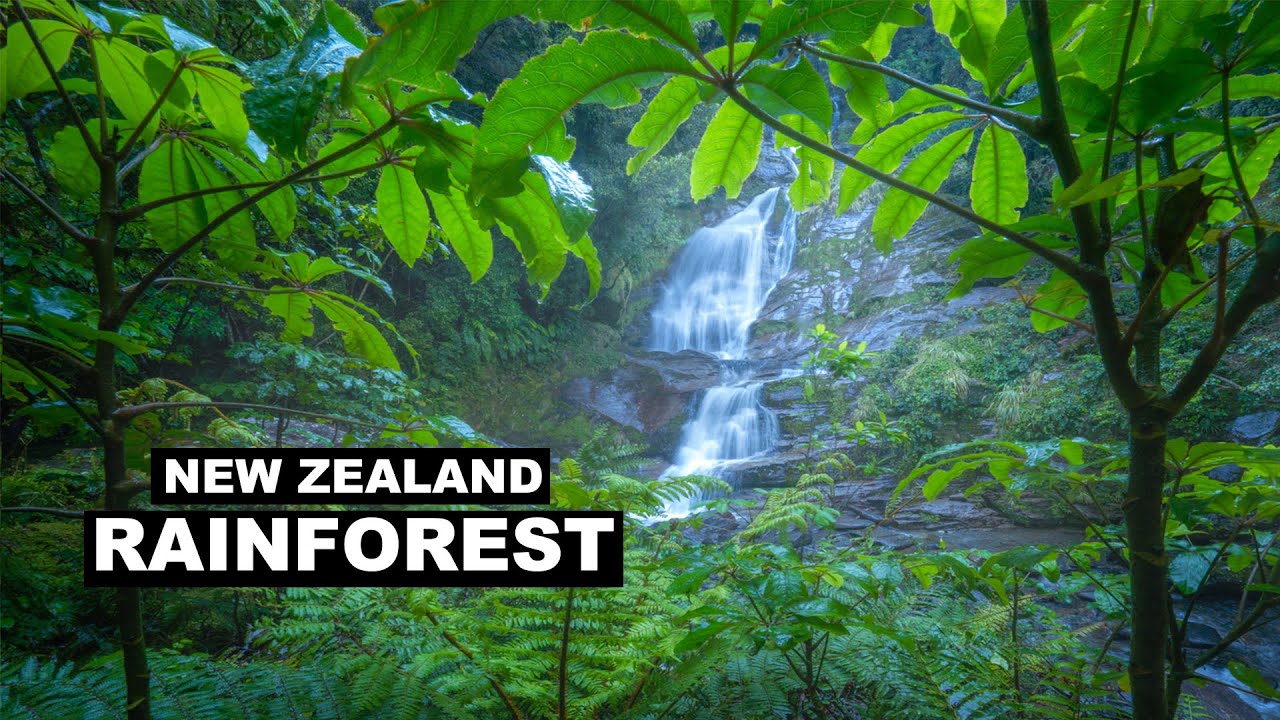
I once spent four days on a trip to the Oregon coast trying to nail a single waterfall shot. I missed dinner twice, came back to the cabin soaking wet every evening, and still didn’t get the image I had in my head. What I wish I’d had was a more systematic way of working through a scene instead of just wading in and hoping for the best. That’s exactly what makes this tutorial so useful.

From Technical to Intentional: What Brandon's Photography Breakthrough Can Teach You

From Technical to Intentional: What Brandon's Photography Breakthrough Can Teach You

There’s a specific kind of frustration that hits photographers around the two-to-five year mark. You know your camera. You understand exposure, you can shoot in manual, you’ve read about the rule of thirds so many times you could recite it in your sleep. And yet something still feels off. The photos come back technically fine, but they don’t move anyone. They don’t even move you. That gap, between knowing how a camera works and knowing how to make a photograph that actually says something, is one of the hardest things to close on your own.