What a Hasselblad on the Coast Taught Me About Shooting Film Without a Safety Net

What a Hasselblad on the Coast Taught Me About Shooting Film Without a Safety Net

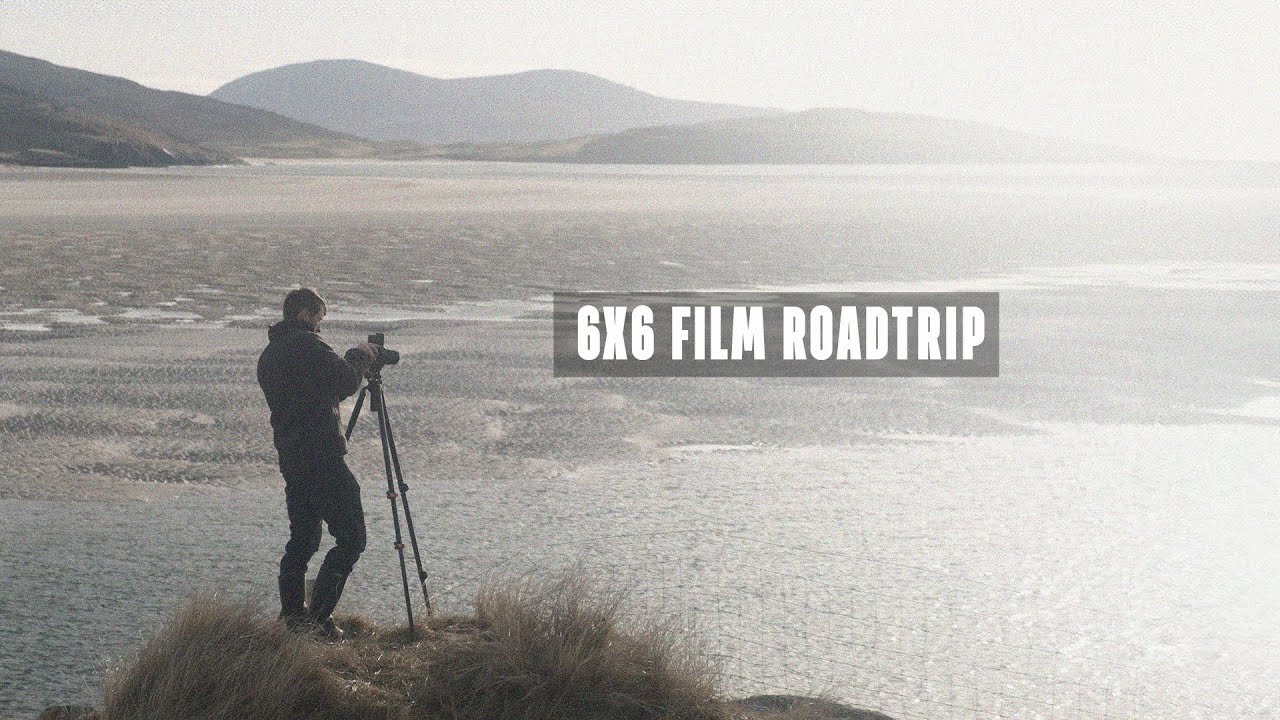
Every film photographer I know has a version of the same story: you drive an hour to a location, set up your camera, and realize you forgot something important. A filter adapter. A cable release. The prism viewfinder you were absolutely certain you packed. What makes the difference between a ruined shoot and a great one isn’t perfect preparation. It’s knowing how to adapt your technique on the fly while still protecting the exposures you only get twelve of per roll.
Why Balancing Your Exposure Isn't Enough — And What to Do Instead

Why Balancing Your Exposure Isn't Enough — And What to Do Instead

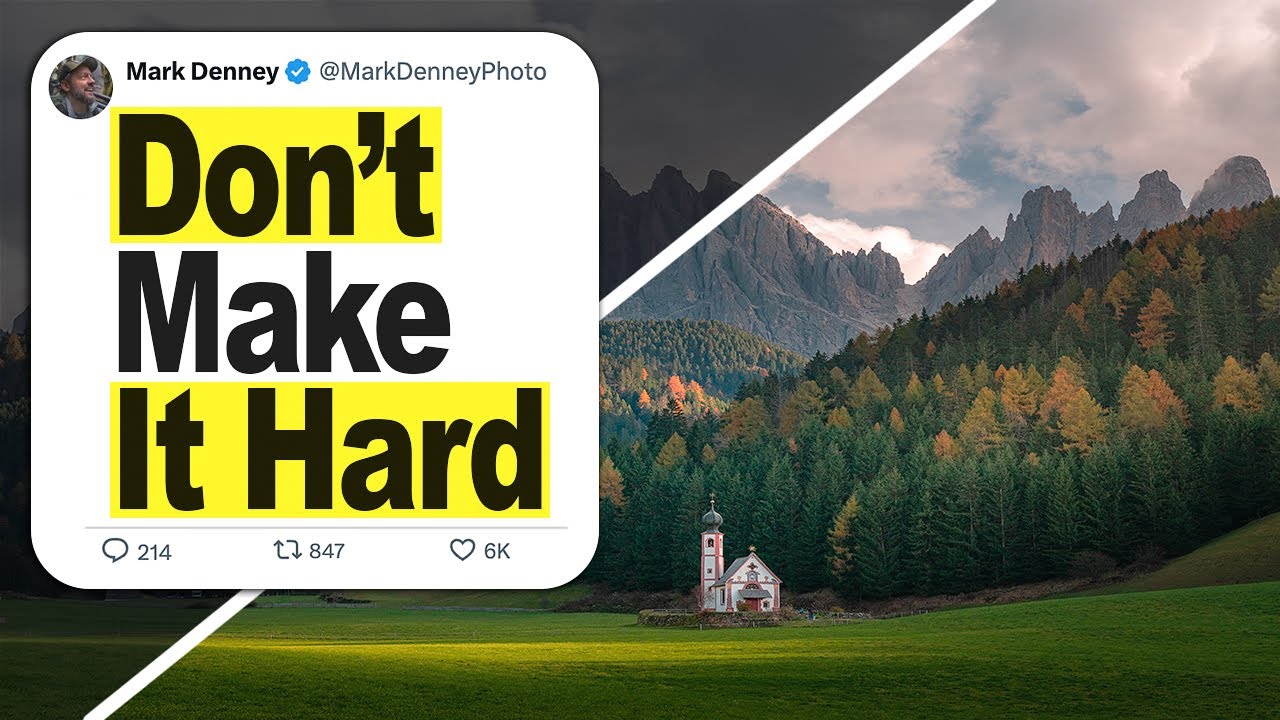
I used to think the goal of editing was simple: make the photo look like what I saw with my eyes. So I’d drag sliders around until everything was bright, balanced, and visible. The highlights came down, the shadows came up, and technically the image looked “correct.” But something always felt off. The photos were readable, sure, but they weren’t engaging. They looked flat in a way I couldn’t quite name, and I spent a long time blaming my camera or my locations instead of my editing logic.

How to Photograph Wildflowers in Moody Weather (Lessons from a New Zealand Lupine Shoot)

How to Photograph Wildflowers in Moody Weather (Lessons from a New Zealand Lupine Shoot)

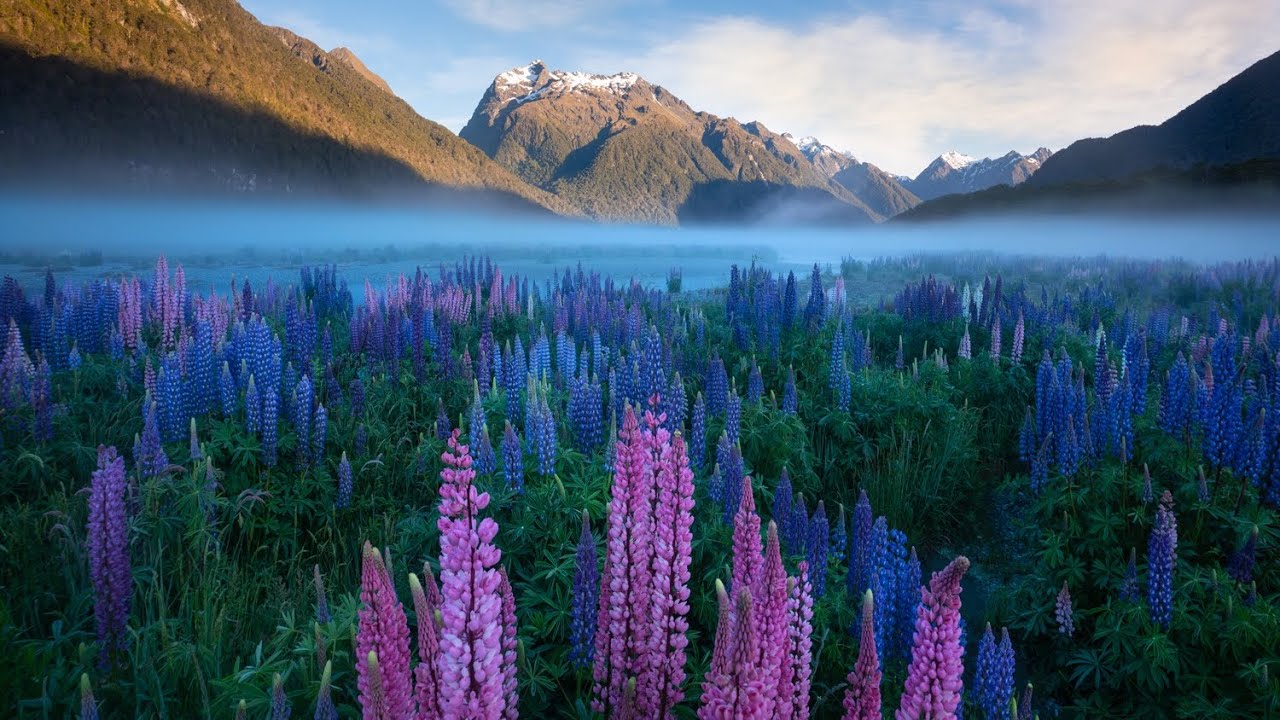
There’s a specific kind of morning I used to talk myself out of. Sky looks rough, the light seems flat, and staying in bed feels like the rational choice. It wasn’t until I started studying how working landscape photographers actually make decisions in the field that I realized how much I was leaving on the table by waiting for “perfect” conditions. In this William Patino tutorial shot in New Zealand’s South Island, he walks through a full lupine photography session that starts in fog and near-darkness and ends with a rainbow hanging over a mountain range.

The Storyboard Method: How to Shoot More Intentionally and Come Home With Images That Actually Tell a Story

The Storyboard Method: How to Shoot More Intentionally and Come Home With Images That Actually Tell a Story

Every Sunday morning I do a photo walk. No agenda, no client brief, just me and whatever lens I feel like carrying. And for years, I would come home from those walks with maybe one image I liked. One. Out of two hours of shooting. I used to chalk it up to the conditions being off, or the light not cooperating, but honestly? The problem was my process. I would find a scene I loved, plant myself in front of it, fire off a bunch of nearly identical frames, and call it done.

Six Reasons Your Photos Look Soft (And How to Fix Every One)

Six Reasons Your Photos Look Soft (And How to Fix Every One)

I spent an entire vacation chasing a waterfall shot. Perfect conditions, good light, a composition I’d scouted for two days. I got home, pulled the images up on my monitor, and found soft, mushy details where I expected crisp edges. I blamed the lens. Then I blamed the light. Then I blamed the waterfall. It took me an embarrassing amount of time to realize the problem was entirely within my control, and entirely preventable.

Stop Overthinking It: How William Patino Shoots and Edits with Joyful Simplicity

Stop Overthinking It: How William Patino Shoots and Edits with Joyful Simplicity

Forest photography is one of those situations that can absolutely paralyze you. There’s too much going on, the light changes every thirty seconds, and every direction you point the camera feels like both a great idea and a terrible one simultaneously. I know that feeling well. I once spent four days in Olympic National Park circling the same grove of trees, convinced that if I just waited long enough, everything would click into place.

Is the F-Stop Ajna the Right Camera Bag for Landscape Photographers? Here's What Eight Months of Real Use Looks Like

Is the F-Stop Ajna the Right Camera Bag for Landscape Photographers? Here's What Eight Months of Real Use Looks Like

I have a complicated relationship with camera bags. I’ve owned probably a dozen of them over the years, and every single one was “the one” until it wasn’t. Too small for a full day out, too heavy for a quick street session, zippers that catch on everything, straps that dig in after two miles. When you’re hiking to a location before sunrise with your whole kit on your back, a bad bag isn’t just annoying - it actively gets in the way of making good images.

How to Photograph Rainforest Waterfalls in Bad Weather (And Why You Should Go Anyway)

How to Photograph Rainforest Waterfalls in Bad Weather (And Why You Should Go Anyway)

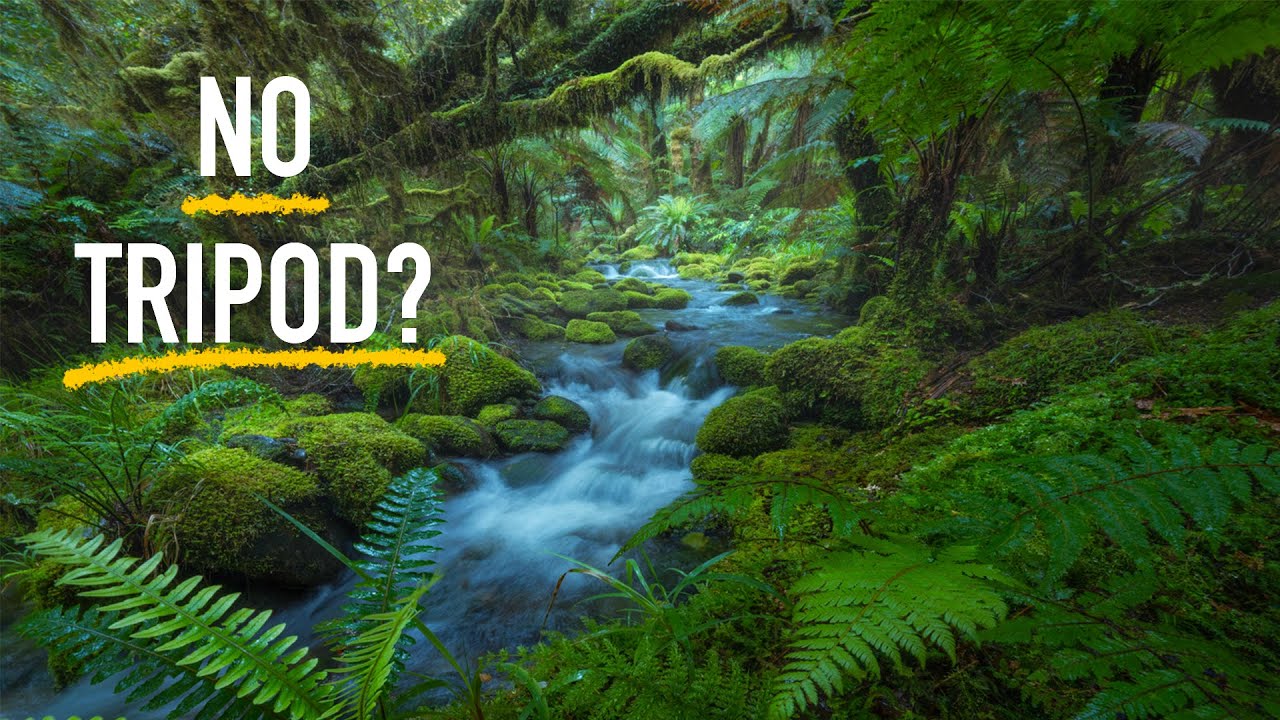
I once spent an entire vacation chasing a single waterfall shot. Every evening, my dinner went cold while I crouched in wet boots adjusting my tripod by millimeters. My family thought I’d lost my mind. But here’s the thing I kept trying to explain: waterfalls only look that good after heavy rain. The flow is fuller, the rocks are slick and dark, the ferns are dripping and lush. The miserable conditions are the whole point.

How to Read Light in the Field: Lessons from a Day of Autumn Landscape Photography

How to Read Light in the Field: Lessons from a Day of Autumn Landscape Photography

Every Sunday morning I do a photo walk. It started as a way to stay sharp between paid shoots, but it’s turned into the single best thing I do for my photography. The problem I kept running into, especially in the early days, was showing up to a beautiful location and coming home with nothing. The light was fine, the scenery was there, but I had no framework for how to find a shot when one wasn’t obviously presenting itself.

How Color Grading Transforms Flat Landscape Photos Into Atmospheric Images

How Color Grading Transforms Flat Landscape Photos Into Atmospheric Images

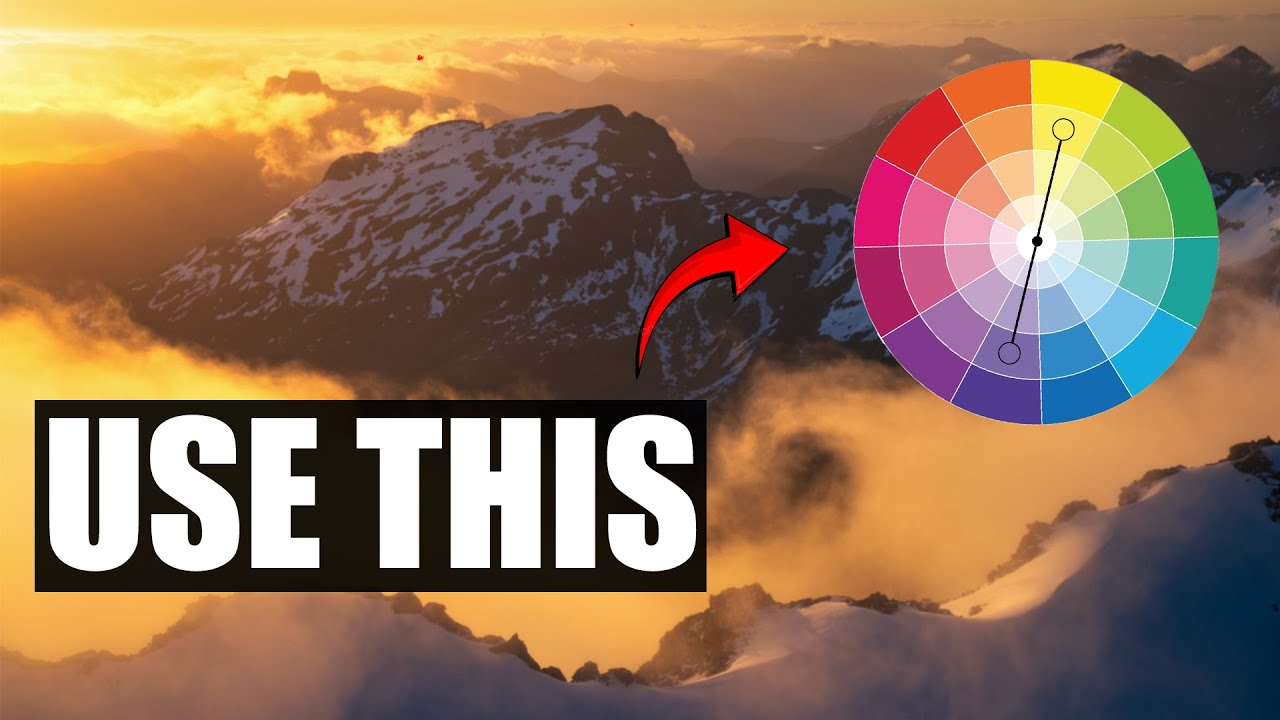
For years, my go-to move when processing a golden hour shot was to drag the temperature slider to the right and call it warm. The problem? Warming up a whole image also warms up your shadows, and suddenly you lose that beautiful contrast between the glowing light and the cool, moody dark areas that made you hit the shutter in the first place. Everything just looks… orange. Flat in a different way than it started.

How to Actually See the Forest (And Stop Forcing Shots That Aren't There)

How to Actually See the Forest (And Stop Forcing Shots That Aren't There)

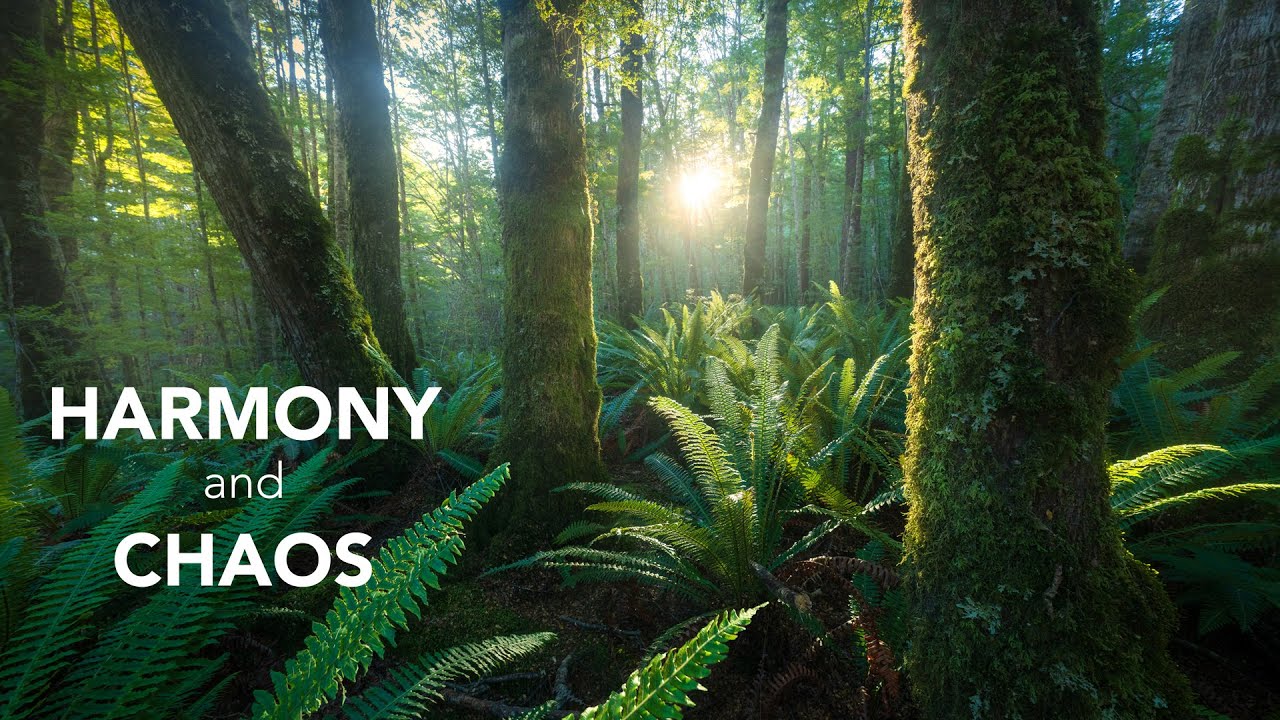
Forest photography has a way of humbling you fast. I’ve walked into beautiful woodland scenes with a full bag of gear and walked out with nothing I wanted to keep. The problem was never the forest. It was me, rushing, forcing compositions that looked good in my head but fell flat on the sensor. I’d frame up a shot, decide it wasn’t working, move twenty feet, try again, and repeat until the light was gone.

5 Landscape Photography Lessons I Took From William Patino's Year-End Breakdown

5 Landscape Photography Lessons I Took From William Patino's Year-End Breakdown

There’s a specific kind of frustration I know well: standing in front of a genuinely beautiful scene, something that makes your chest feel full, and walking away with a flat, disconnected image that doesn’t come close to what your eyes saw. For me it usually happens near water. I’ll be on one of my Sunday morning photo walks here in Seattle, the light is doing something incredible over the sound, and I fumble through my settings trying to hold onto it.