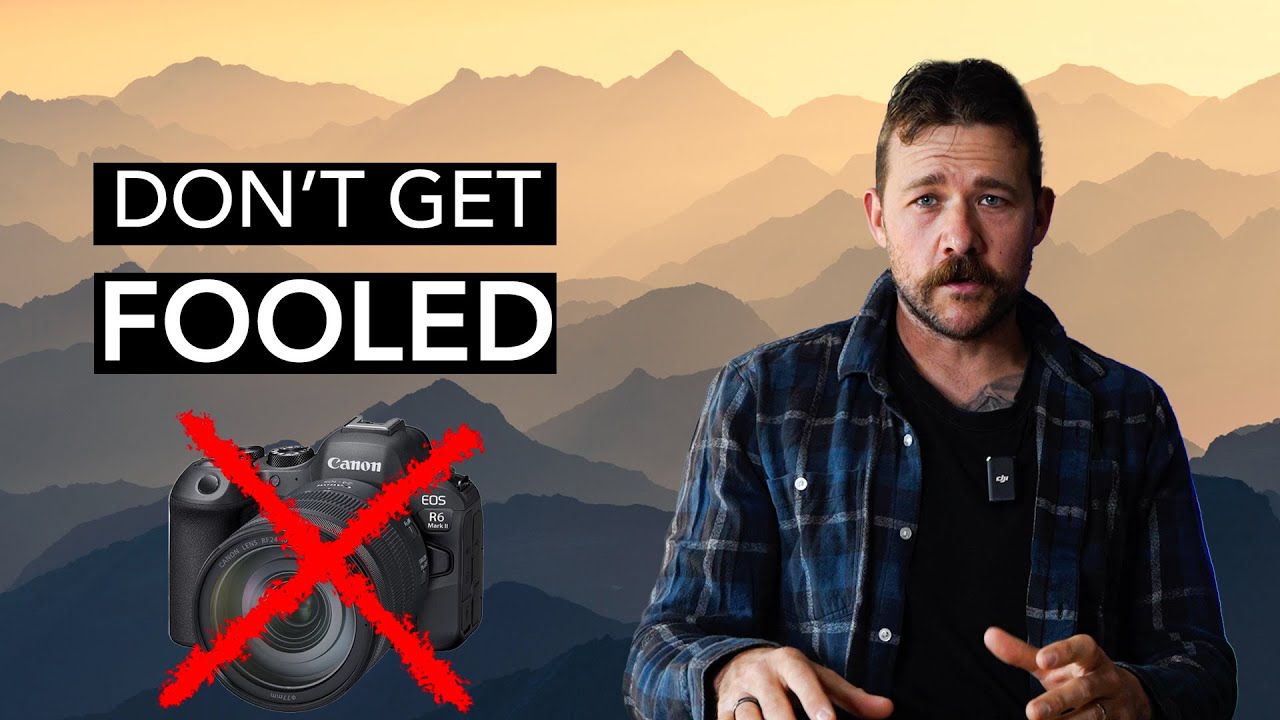
I spent an entire vacation chasing a specific waterfall shot. I had the angle mapped out, the forecast bookmarked, the ND filter ready. I missed dinner four nights in a row. And the photo I ended up being most proud of from that trip? A blurry phone snapshot I took of fog rolling over a mountain ridge while I was hiking back to the car, defeated and hungry. I didn’t plan it. I just felt something and grabbed my phone.
That experience kept nagging at me until I watched a recent tutorial from landscape photographer William Patino, and everything clicked. Watch the full tutorial on YouTube - it’s worth your time even if you don’t shoot landscapes. Patino’s core argument is deceptively simple: the photographs that last, the ones that mean something years from now, are not selected based on gear, location, or technical execution. They’re selected based on emotion. What you felt in the moment. What the image carries because of that feeling.
This isn’t a tutorial about camera settings. It’s better than that. It’s about the decision you make before you even raise the camera to your eye, and why getting that decision right will improve every image you take from here forward.
Step 1: Recognize What You’re Actually Selecting For
 Patino explaining his final image selection process
When Patino reviews his raw files and chooses what goes on his website, he’s not filtering by sharpness or focal length or even whether the light was technically “good.” He’s asking one question: what did this moment mean to me? If the emotional memory isn’t there, the image doesn’t make the cut, even if it looks objectively strong on paper.
Patino explaining his final image selection process
When Patino reviews his raw files and chooses what goes on his website, he’s not filtering by sharpness or focal length or even whether the light was technically “good.” He’s asking one question: what did this moment mean to me? If the emotional memory isn’t there, the image doesn’t make the cut, even if it looks objectively strong on paper.
Start practicing this with your own editing sessions. Before you open Lightroom, try writing one sentence about each shoot location, just what you actually felt when you were there. Excited? Rushed? Peaceful? That single sentence becomes your filter. Images that connect to that feeling get serious attention. Images that don’t, even technically nice ones, move to the maybe pile.
Step 2: Notice the Variety in Your Portfolio and Find the Common Thread
 Patino describing diverse images: seascapes, forests, grand landscapes
Patino points out that his own portfolio covers wildly different subjects: crashing seascapes shot at 400mm, sweeping New Zealand mountain ranges, quiet forest interiors, intimate close-up scenes. On the surface, they have almost nothing in common aesthetically. But underneath all of it is the same thing: a specific felt experience that made him press the shutter.
Patino describing diverse images: seascapes, forests, grand landscapes
Patino points out that his own portfolio covers wildly different subjects: crashing seascapes shot at 400mm, sweeping New Zealand mountain ranges, quiet forest interiors, intimate close-up scenes. On the surface, they have almost nothing in common aesthetically. But underneath all of it is the same thing: a specific felt experience that made him press the shutter.
Pull up your last 20 published photos or your favorites folder and look at them without reading the metadata. Don’t think about where you were or what settings you used. Ask instead: is there a feeling that runs through the ones I love most? For me, it’s almost always a sense of quiet - stillness in a landscape or a city street before it wakes up. Once you identify your thread, you can start making more intentional decisions about which moments to pursue.
Step 3: Shift From Hunter to Observer in the Field
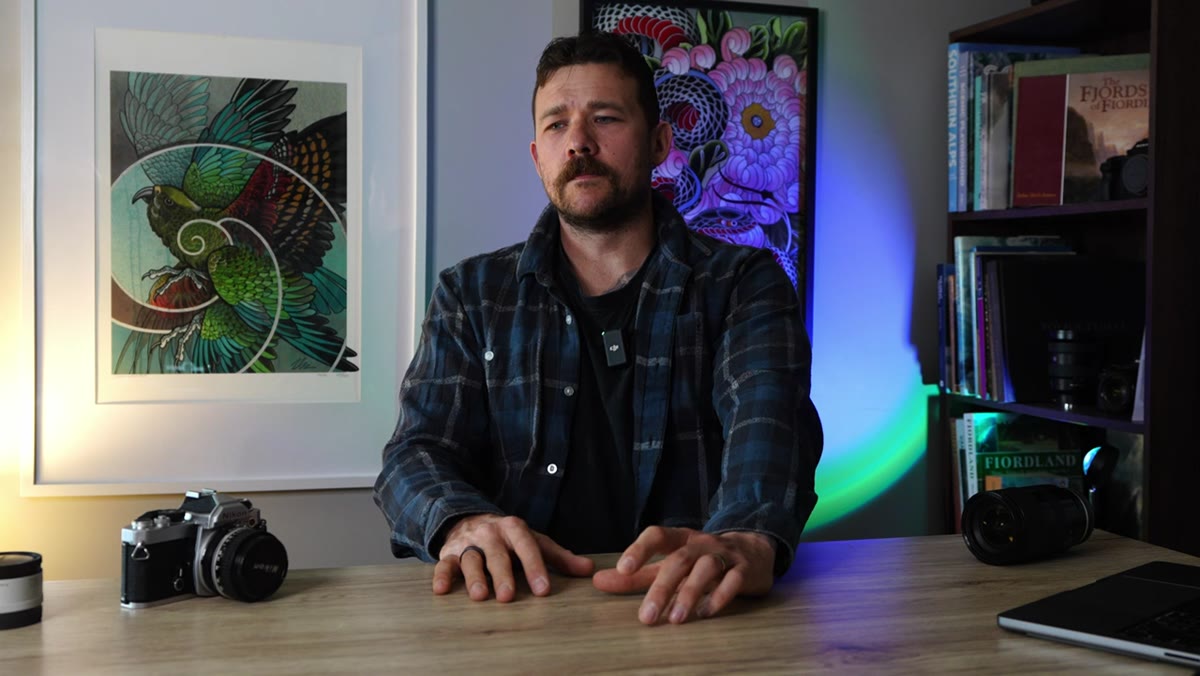 Patino talking about being an observer rather than hunting for shots
This is the step that changes everything, and it’s also the hardest one if you’re early in your photography journey. Most of us go out with a mission: get the shot. We have a composition in mind, a spot we scouted, a specific frame we want to fill. Patino suggests flipping that entirely. Go out with the intention of having a good time in a place that interests you, and see what moves you. The photograph reveals itself from that place, rather than being forced.
Patino talking about being an observer rather than hunting for shots
This is the step that changes everything, and it’s also the hardest one if you’re early in your photography journey. Most of us go out with a mission: get the shot. We have a composition in mind, a spot we scouted, a specific frame we want to fill. Patino suggests flipping that entirely. Go out with the intention of having a good time in a place that interests you, and see what moves you. The photograph reveals itself from that place, rather than being forced.
Practically, this means leaving the tripod in the car for the first 20 minutes of any shoot. Just walk. Just look. I started doing this on my Sunday morning photo walks around Seattle’s neighborhoods, and it genuinely changed what I come home with. When you stop performing the role of “photographer hunting content,” you start noticing things that actually surprise you. Those are almost always the stronger images.
Step 4: Let the Moment Determine the Image, Not the Other Way Around
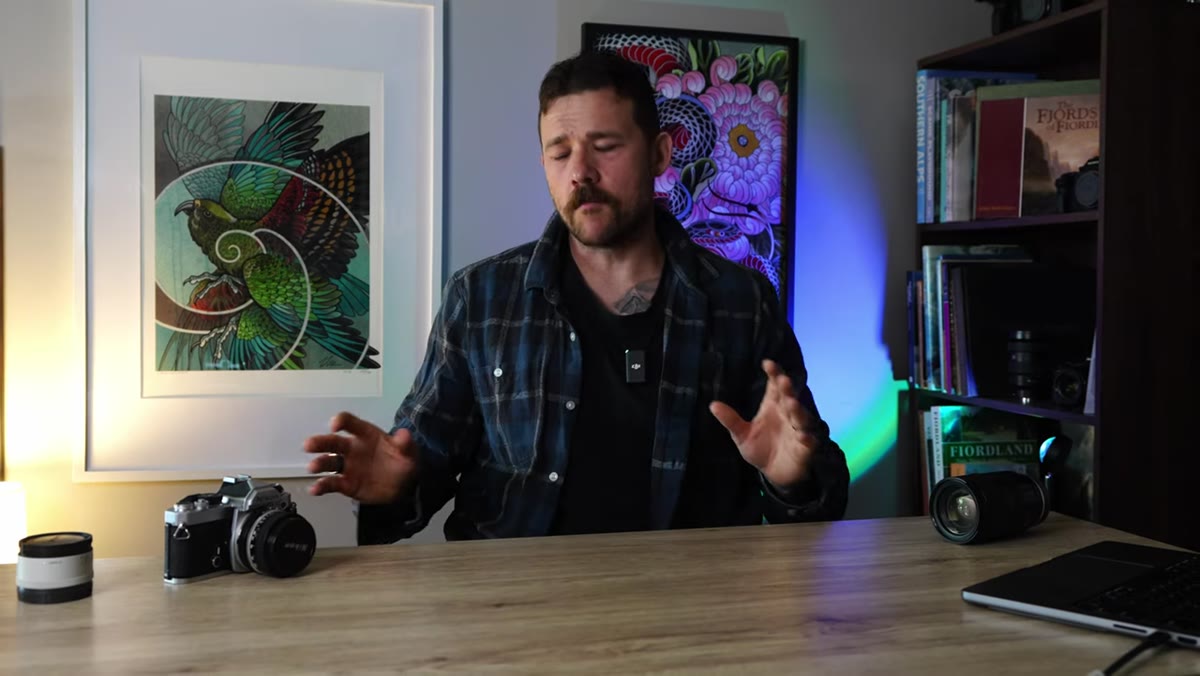 Patino explaining how the photo presents itself when you stop forcing it
Once you’ve shifted into observer mode, Patino’s point is that you’ll find the image comes to you. Something catches your attention, something that produces a physical or emotional response, and that response is your signal. That’s when you pick up the camera. Not before. Not on a schedule. Not because the light is technically interesting. Because something happened inside you first.
Patino explaining how the photo presents itself when you stop forcing it
Once you’ve shifted into observer mode, Patino’s point is that you’ll find the image comes to you. Something catches your attention, something that produces a physical or emotional response, and that response is your signal. That’s when you pick up the camera. Not before. Not on a schedule. Not because the light is technically interesting. Because something happened inside you first.
This requires a bit of trust, especially if you’re used to structured shooting. The practical habit to build is pausing before you shoot anything and asking: do I actually feel something here, or am I just taking a photo because I’m supposed to? You don’t need to meditate on it. A one-second gut check is enough. If the answer is “I feel something,” shoot. If the answer is “this looks like a good photo,” put the camera down and keep walking.
Step 5: Use Emotion as Your Editing Compass, Not Just a Shooting Filter
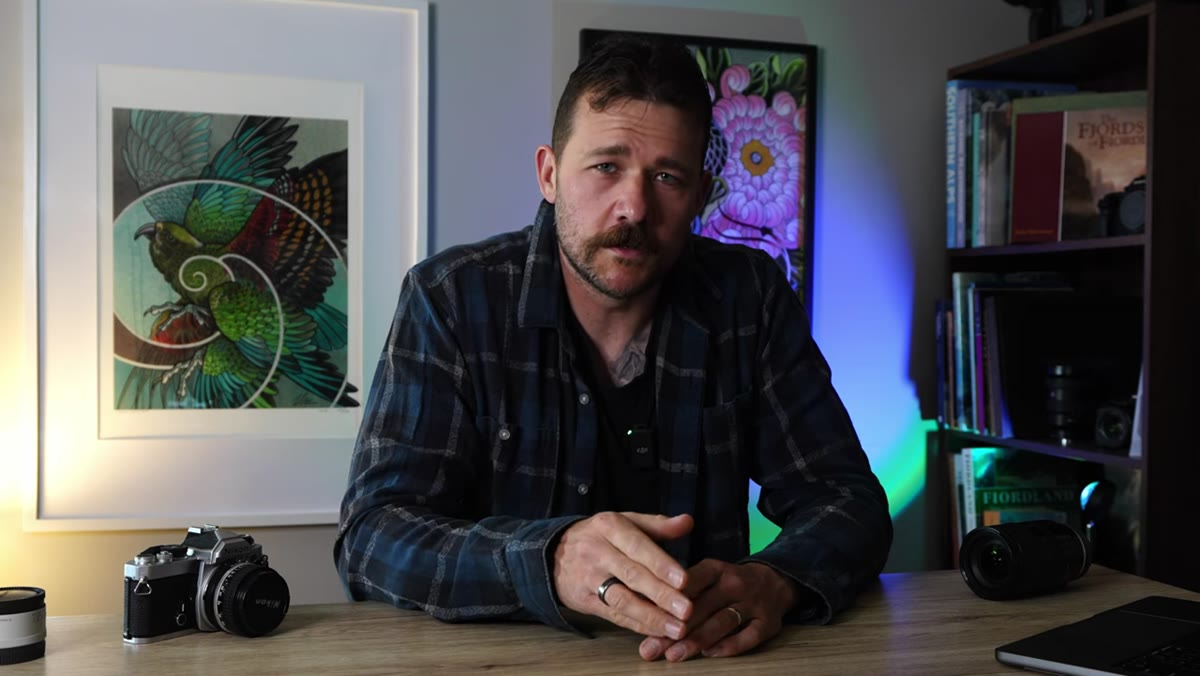 Patino discussing which images make it to his published portfolio
The emotional filter doesn’t stop when you come home. Patino describes sitting with draft images until the last minute, deleting ones that don’t carry the feeling, even if they look technically fine. This is a discipline that takes some practice but it produces a cleaner, more honest portfolio.
Patino discussing which images make it to his published portfolio
The emotional filter doesn’t stop when you come home. Patino describes sitting with draft images until the last minute, deleting ones that don’t carry the feeling, even if they look technically fine. This is a discipline that takes some practice but it produces a cleaner, more honest portfolio.
In your editing workflow, try adding one step before you start any adjustments: sit with the full-resolution image for 30 seconds and try to recall what you felt when you took it. If you can’t recall anything specific, that’s useful information. It doesn’t mean you delete the image automatically, but it means you process it with realistic expectations. Save your best editing energy for the ones that still make you feel something when you look at them cold.
What I’d Add From My Own Shooting
Patino’s framework is built around landscape photography, but I’d argue it matters even more if you shoot in environments you can’t fully control, like travel, street, or documentary work. When you’re in a busy market or a foreign city, you simply don’t have time to plan compositions and wait for perfect light. What you have is your instinct, your eye, and your ability to feel something fast and respond.
I make playlists for different shooting environments, calm and ambient for early morning walks, something more energetic for busy street scenes, and I think that practice actually primes my emotional state before I even arrive. It sounds a little unconventional, but anything that gets you out of your head and into a feeling before you shoot will make Patino’s approach easier to execute.
The single biggest takeaway from this tutorial is that the technical side of photography is learnable and finite. Emotion is your actual creative fingerprint, and it can’t be downloaded or upgraded. Start making choices based on what you feel, and your portfolio will start to look like you.
Watch the full tutorial on YouTube and hear Patino walk through this philosophy in his own words. It’s one of those videos that sits with you longer than you expect.
Comments (1)
Shared this with my photography group. Everyone loved it.
Leave a Comment