Chasing the Southern Lights: A Practical Guide to Photographing the Aurora

Chasing the Southern Lights: A Practical Guide to Photographing the Aurora

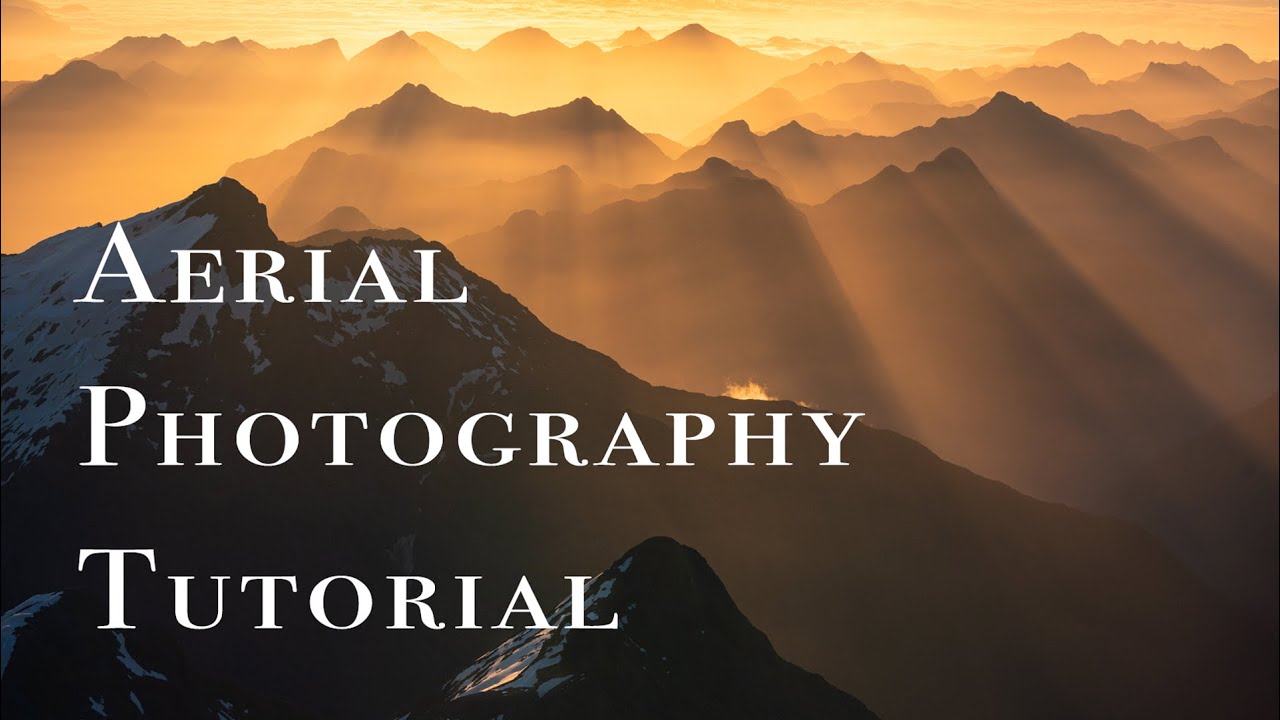
There are photographs you plan for months and still miss, and then there are the ones that find you at 3 a.m. when you were supposed to be asleep. Aurora photography lives entirely in that second category. It rewards the prepared and punishes anyone who decides to call it a night too early. I’ve spent enough sleepless hours chasing the northern lights from the Pacific Northwest that I’ve built up opinions about what actually works out in the field, and when I came across this William Patino tutorial shot in Fiordland, New Zealand, I kept pausing it to take notes.

Is Your Camera Gear Quietly Limiting Your Creativity? What Mark Denney's System Switch Taught Me

Is Your Camera Gear Quietly Limiting Your Creativity? What Mark Denney's System Switch Taught Me

There’s a question I ask myself every time I come home from a Sunday photo walk with shots I’m not excited about: was it the light, was it me, or was it my gear? Usually the honest answer is me. But occasionally, gear really does get in the way, and the tricky part is that it happens so gradually you don’t notice until you’re reviewing your portfolio and realizing you stopped shooting entire categories of images you used to love.

How to Shoot a Year's Worth of Keepers: Lessons from Thomas Heaton's Behind-the-Scenes Calendar Project

How to Shoot a Year's Worth of Keepers: Lessons from Thomas Heaton's Behind-the-Scenes Calendar Project

There’s a particular kind of pressure that comes with committing to a long-term photography project. I felt it when I challenged myself to shoot a “best of the year” collection for the first time - suddenly every outing felt like it either counted or didn’t, and I started second-guessing compositions I would have just shot freely before. What I needed wasn’t more gear advice. I needed to see how a working landscape photographer actually makes decisions in the field, across different locations, different seasons, different light.

Your Camera's Default Focus Setting Is Quietly Ruining Your Landscape Photos

Your Camera's Default Focus Setting Is Quietly Ruining Your Landscape Photos

I spent an entire vacation chasing a single waterfall shot. Tripod, my sharpest lens, f/11 like clockwork, and I still came home with soft images that made me want to throw my memory card into the river I’d been photographing. It took me an embarrassingly long time to figure out the problem had nothing to do with my gear or my exposure. It was something I had never thought to question: the autofocus mode my camera shipped with, still active, still making decisions I didn’t know it was making.

How to Kill Decision Fatigue and Actually Go Shoot (A Lesson from Thomas Heaton)

How to Kill Decision Fatigue and Actually Go Shoot (A Lesson from Thomas Heaton)

Every Sunday morning I grab my camera and go for a walk with no destination in mind. It’s my favorite ritual. But even with that loose structure, I still sometimes stand in my kitchen at 6am, coffee in hand, completely frozen. The weather is good, the light is coming, and I cannot decide where to go. It sounds absurd when I type it out, but decision fatigue is real, and it quietly kills more potential photo sessions than bad weather ever does.

The 4-Step Composition Process That Changed How I Read a Scene

The 4-Step Composition Process That Changed How I Read a Scene

Every Sunday morning I do a photo walk. No agenda, no client, no pressure. Just me, whatever camera I feel like grabbing, and whatever Seattle decides to look like that day. And for years, I would show up to a location, pull out my camera within about 30 seconds, and start shooting. I thought I was being efficient. What I was actually doing was skipping the most important part. I came across a tutorial by landscape photographer Mark Denney where he breaks down his four-step process for finding and building a strong composition on location.

How to Photograph a Waterfall: Lessons From Shooting in the Rain With a Wide Angle

How to Photograph a Waterfall: Lessons From Shooting in the Rain With a Wide Angle

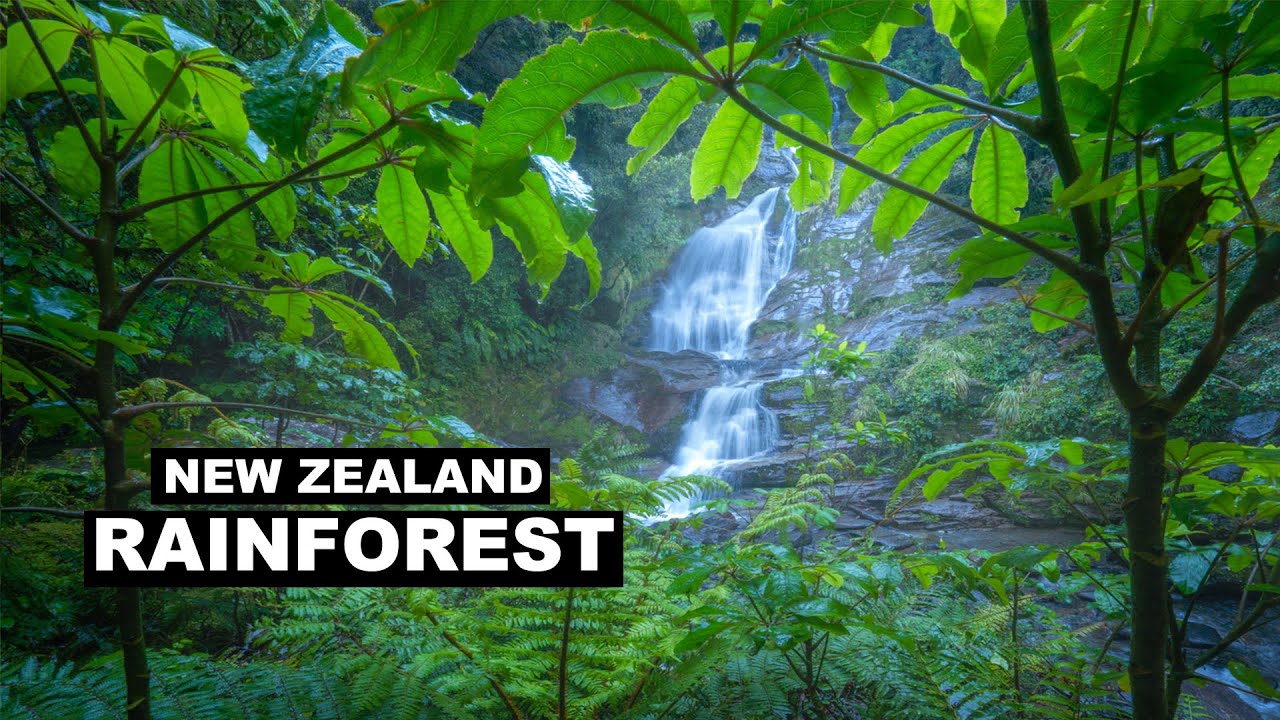
I once spent four days on a trip to the Oregon coast trying to nail a single waterfall shot. I missed dinner twice, came back to the cabin soaking wet every evening, and still didn’t get the image I had in my head. What I wish I’d had was a more systematic way of working through a scene instead of just wading in and hoping for the best. That’s exactly what makes this tutorial so useful.

How to Photograph Ice Caves: Lessons from a Glacier Overnight Trip

How to Photograph Ice Caves: Lessons from a Glacier Overnight Trip

There’s a specific kind of photography problem I think about a lot: what do you do when the location does everything right, and you still come home with flat images? You had the dramatic setting. You had the weird, beautiful light. And somehow the photos look like a postcard someone already took. I’ve been in that exact situation more times than I’d like to admit, usually in places where I only get one shot at it.

When Everything Goes Wrong: What Nigel Danson's Worst Photography Day Teaches Us About Shooting in Bad Conditions

When Everything Goes Wrong: What Nigel Danson's Worst Photography Day Teaches Us About Shooting in Bad Conditions

There’s a version of photography that lives on Instagram — golden hour, perfectly packed camera bag, zero wind. Then there’s the version most of us actually live, which involves wet gloves, gear that breaks at the worst possible moment, and at least one decision you’ll spend the drive home regretting. I’ve had those days. One Sunday morning walk in Seattle I dropped my 50mm on a wet dock and spent the rest of the shoot on my phone, refusing to go home empty-handed.

How to Use Layered Foregrounds for Stunning Wide-Angle Landscape Photos (Lessons from Mount Cook)

How to Use Layered Foregrounds for Stunning Wide-Angle Landscape Photos (Lessons from Mount Cook)

I spent an entire vacation chasing a single waterfall shot. I kept moving closer to the falls, trying to fill the frame with water and mist, and every image came back looking flat. The problem wasn’t the location. It was that I kept removing myself from the scene, getting closer and closer until there was no sense of scale, no journey for the eye to take. That instinct to walk right up to your subject and shoot is one of the hardest habits to unlearn, and it quietly ruins more landscape photos than almost any technical mistake.

How to Use Atmospheric Perspective in Photoshop to Make Your Photos Feel Three-Dimensional

How to Use Atmospheric Perspective in Photoshop to Make Your Photos Feel Three-Dimensional

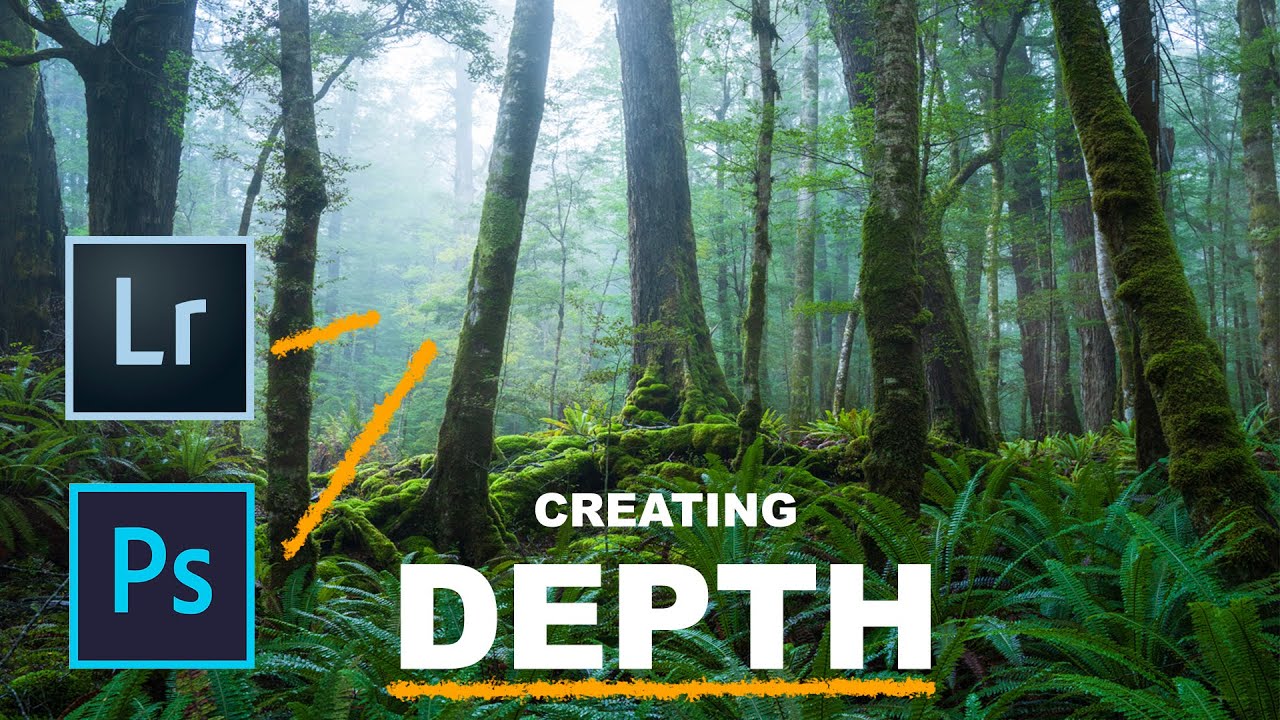
There’s a version of every photographer who resists post-processing for as long as humanly possible. I was that person. For the first year or so of shooting seriously, I told myself that a good photo should speak for itself straight out of camera. Then I started comparing my raw files to the finished work of photographers I admired, and the gap was humbling. The camera captures light. Post-processing is where you tell the viewer how to read that light.

Stop Chasing the Perfect ISO: Two Beginner Mistakes That Are Hurting Your Photos

Stop Chasing the Perfect ISO: Two Beginner Mistakes That Are Hurting Your Photos

Every Sunday morning I take a photo walk around Seattle. No agenda, just me and whatever camera I grab off the shelf. And for the first couple of years I was doing that, I was quietly sabotaging myself with one specific habit: I kept my ISO glued to the lowest possible number, no matter what. I thought that was the disciplined, correct thing to do. Turns out it was actually one of the most common mistakes beginner photographers make, and it was costing me shots I can never get back.