How to Choose a Camera Bag That Actually Works for Your Style of Shooting

How to Choose a Camera Bag That Actually Works for Your Style of Shooting

I have a complicated relationship with camera bags. I’ve bought at least six in the last four years, and every single one of them was purchased because it looked good in a product photo rather than because it solved an actual problem I had. One bag was too heavy before I even put a lens in it. Another had no water bottle holder, which sounds minor until you’re on a three-hour photo walk and your hydration is rattling loose in the main compartment.

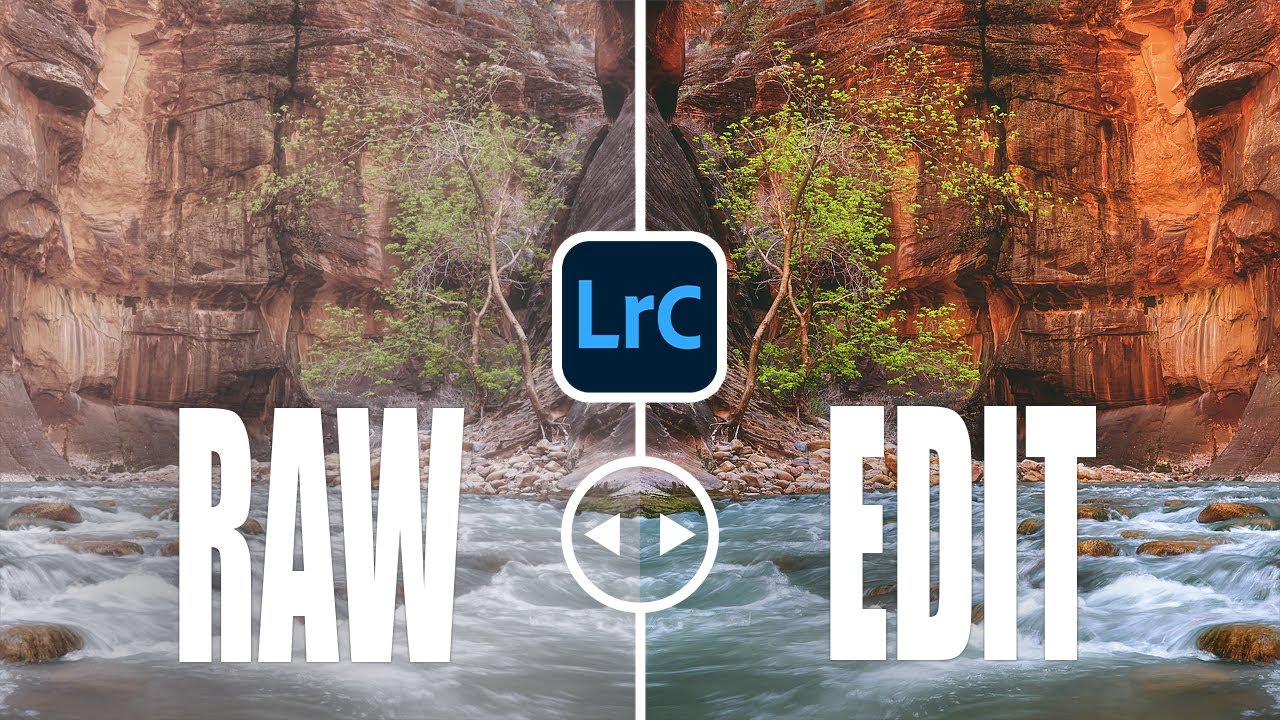
How Joel Grimes Shoots Giant Landscape Panoramas at the Edge of the Grand Canyon (And What You Can Actually Learn From It)

How Joel Grimes Shoots Giant Landscape Panoramas at the Edge of the Grand Canyon (And What You Can Actually Learn From It)

There’s a particular kind of torture that comes with standing in front of a breathtaking landscape and knowing your camera can’t hold what your eyes are seeing. The sky is blowing out, the shadows are a muddy mess, and a single frame just doesn’t capture the scale of what you’re standing in front of. I’ve been there more times than I want to admit, including one memorable trip where I spent three days trying to photograph a waterfall and kept walking away with images that felt flat and small compared to the real thing.

How to Read a Moody Landscape and Shoot It Anyway: Lessons from a Winter Scotland Road Trip

How to Read a Moody Landscape and Shoot It Anyway: Lessons from a Winter Scotland Road Trip

There’s a specific kind of frustration I know well: you’ve driven hours to a location, the light is flat, the foreground is uninspiring, and your wide-angle lens is basically useless. I’ve stood at the edge of a beautiful lake in the Pacific Northwest and felt completely stuck, watching gorgeous mountains sit behind a shoreline that gave me absolutely nothing to work with. That feeling used to send me back to the car empty-handed.

Shutter Speed for Waterfalls and Seascapes: What I Learned From Mark Denney's Approach

Shutter Speed for Waterfalls and Seascapes: What I Learned From Mark Denney's Approach

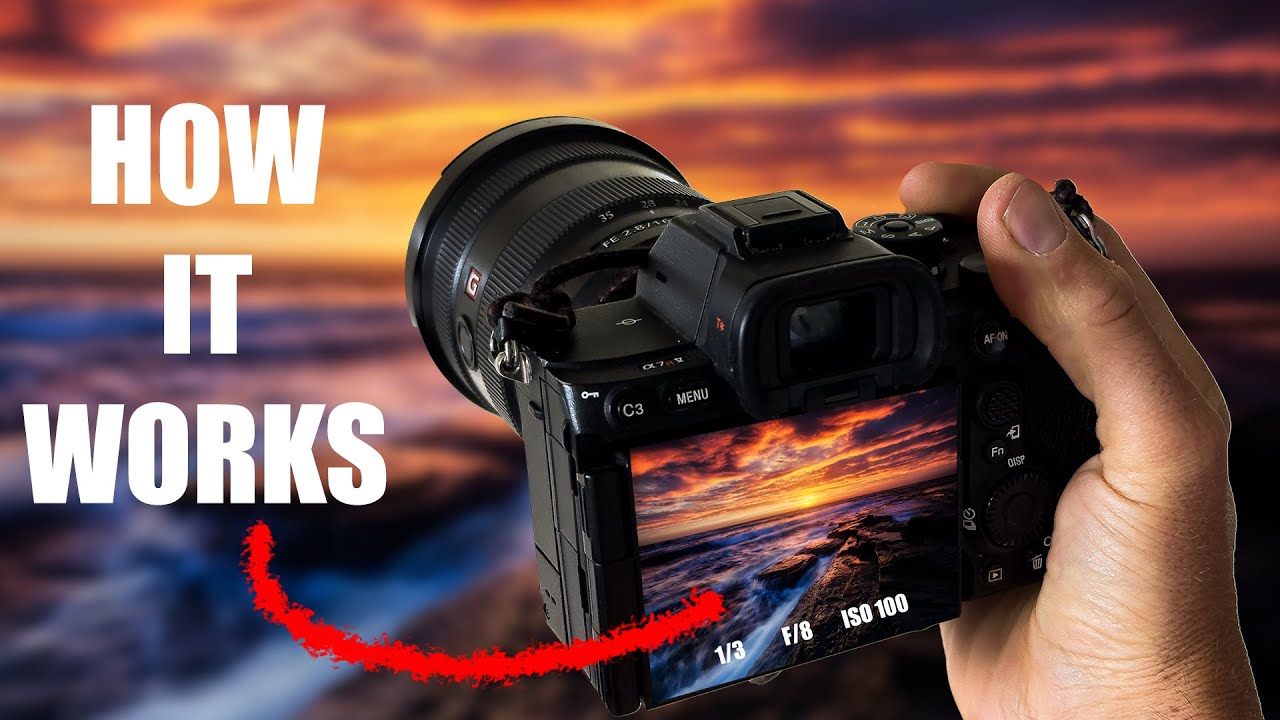
I once spent four consecutive evenings at the same waterfall on a trip to Oregon, missing dinner every night, trying to nail one shot. The water looked either too frozen or too smooth, and I kept second-guessing myself at the dial. The problem wasn’t my gear or even my composition. It was that I hadn’t actually decided what I wanted the water to look like before I pressed the shutter. I was guessing, and it showed.

Why Chasing Better Photos Can Actually Stall Your Growth (And What to Do Instead)

Why Chasing Better Photos Can Actually Stall Your Growth (And What to Do Instead)

There’s a specific kind of frustration that sneaks up on you the longer you shoot. It’s not the beginner confusion of “which aperture do I use?” It’s quieter and harder to name. You know your camera. You know your editing software. You’ve got a style. And yet something feels stuck. I’ve hit that wall more than once, usually right before I start a new project, when the gap between what I want to make and what I’m actually making feels uncomfortably wide.

Blue Hour Photography: Why I'm Done Packing Up at Sunset

Blue Hour Photography: Why I'm Done Packing Up at Sunset

My Sunday photo walks used to follow the same script every week. Arrive before sunrise or stay through sunset, chase the color, pack up the second the sky went gray. I treated everything after golden hour like dead time, like the light had clocked out and there was nothing left worth shooting. I was wrong, and it took watching someone else deliberately stay out past sunset to finally shake that habit.

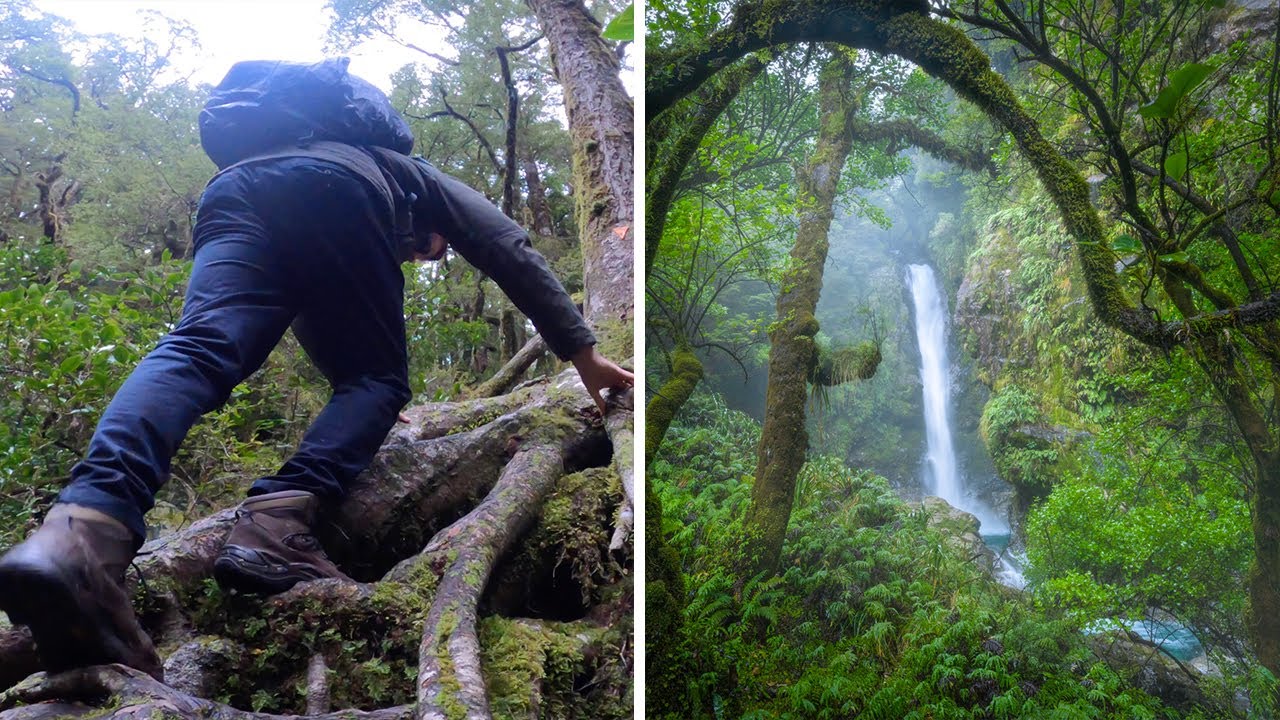
How to Stop Overthinking and Actually See the Shot: Lessons from New Zealand's Wildest Landscape

How to Stop Overthinking and Actually See the Shot: Lessons from New Zealand's Wildest Landscape

There’s a particular kind of paralysis that hits me every time I step into a dense forest with my camera. Too many trees. Too much texture. No obvious subject. I stand there rotating slowly like a confused sprinkler, and somehow leave with 300 mediocre frames of nothing. If you’ve felt that, this one’s for you. I recently watched William Patino’s behind-the-scenes tutorial from a nine-day photography workshop he ran in Fiordland, New Zealand, one of the most visually overwhelming landscapes on the planet, and something clicked.

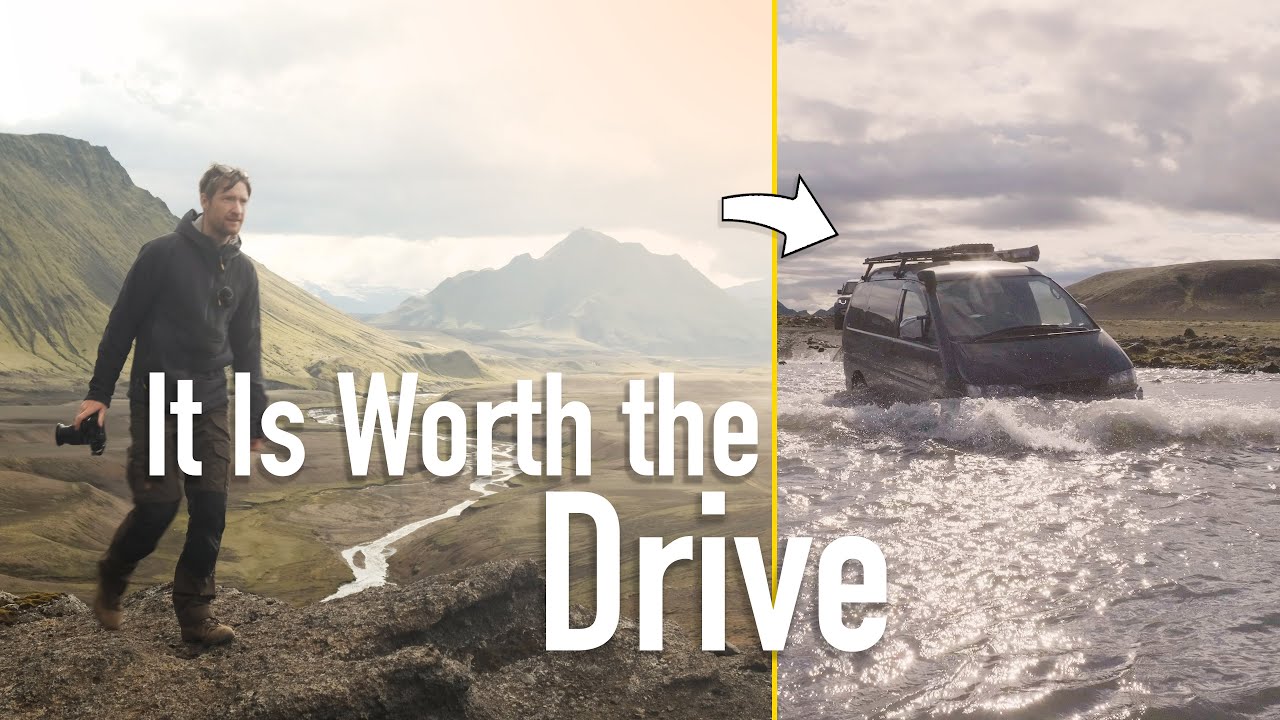
Why Just Wing It Is Killing Your Travel Photography (And What to Do Instead)

Why Just Wing It Is Killing Your Travel Photography (And What to Do Instead)

I spent an entire vacation in Iceland chasing one specific waterfall shot. Every evening, same trail, same tripod position, different disappointment. I missed dinners, missed conversations, missed the northern lights happening two fields over. I came home with technically fine images and a quiet sense that I’d done the whole trip wrong. What I was running from, though I couldn’t name it at the time, was the obvious problem with traveling for photography: you almost never have enough time to actually understand a new place before the light disappears.

Do Combo ND-Polarizer Filters Actually Hold Up in the Field? A Look at PolarPro's QuartzLine

Do Combo ND-Polarizer Filters Actually Hold Up in the Field? A Look at PolarPro's QuartzLine

There’s a specific kind of frustration that hits when you’re standing at a waterfall location, light is changing fast, and you’re fumbling with two separate filters trying to stack them without introducing vignette or misalignment. I’ve been there more times than I’d like to admit. I once missed dinner three nights in a row on a trip chasing one particular waterfall shot, and I can tell you that the last thing you want between you and the image is an equipment puzzle.

How Micro Four Thirds Cameras and a Homemade Rail Can Produce Stunning Time-Lapse Footage

How Micro Four Thirds Cameras and a Homemade Rail Can Produce Stunning Time-Lapse Footage

I’ll be honest: time-lapse has always been the technique I’d recommend to students before I’d fully committed to it myself. I shoot travel and lifestyle work, and for years I treated time-lapse as a “someday” skill. Something I’d pick up properly when I had the right gear, the right trip, the right block of time. Then I spent a Sunday morning on the Seattle waterfront watching the fog roll in over Elliott Bay, wishing I had something running on a tripod while I wandered around with my phone.

Three Photography Habits That Feel Like Progress (But Are Quietly Keeping You Stuck)

Three Photography Habits That Feel Like Progress (But Are Quietly Keeping You Stuck)

I used to think that putting in the hours was enough. Show up, shoot, repeat. And for a while, that belief carried me. But there’s a particular kind of frustration that sets in when you’ve been shooting for years and your photos still feel like they’re circling the same drain. You’re not a beginner anymore, but you’re not where you want to be either. That middle space is uncomfortable, and it’s sneaky, because the habits keeping you there are usually the same ones that helped you get started.

Why Landscape Photography Success Starts Before You Leave Home

Why Landscape Photography Success Starts Before You Leave Home

Why Landscape Photography Success Starts Before You Leave Home I’ve learned something important over my years shooting landscapes: the best photos aren’t born from spontaneity alone. They come from deliberate preparation. If you’ve ever headed out with your camera only to feel disappointed with your results, I want to share why that happens—and more importantly, how to fix it. The Planning Difference Here’s what I’ve observed: photographers who take time to plan their shoots consistently produce stronger work than those who simply wander around hoping to stumble upon great light and composition.