Four Things Standing Between Your Phone and Better Landscape Photos

Four Things Standing Between Your Phone and Better Landscape Photos

I still shoot on my phone more than most people expect from someone who makes a living with a camera. Sunday morning photo walks, quick grabs when the light does something unexpected, or just to remind myself that gear is rarely the real problem. What’s usually the problem is not having a clear framework for the decisions that happen before you tap the shutter. That’s exactly what makes this tutorial so useful.
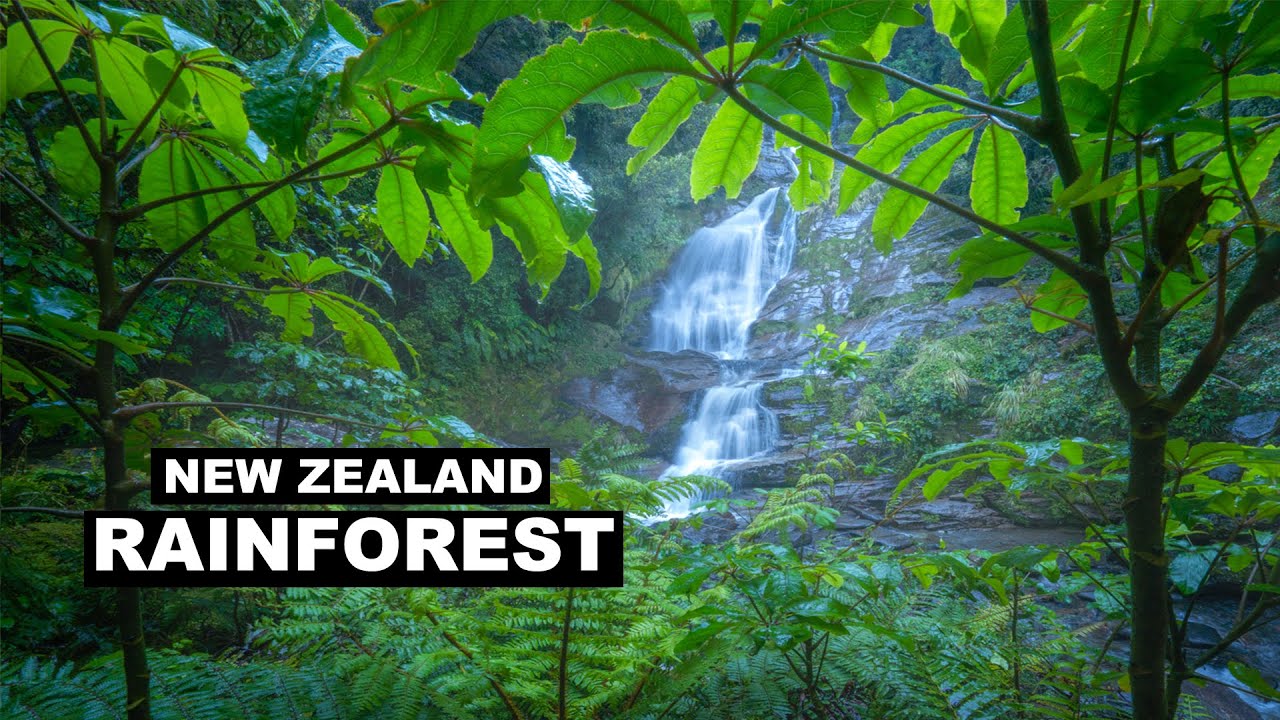

How to Find and Frame Forest Shots in Unpredictable Weather (Lessons from Fiordland)

How to Find and Frame Forest Shots in Unpredictable Weather (Lessons from Fiordland)

I once spent an entire vacation chasing a single waterfall shot. I missed dinner four nights in a row, came back to the hotel soaked every time, and walked away with maybe two frames I actually liked. What I lacked wasn’t gear or patience. I lacked a system for reading a chaotic natural scene quickly and building a composition on the fly, in changing light, in wet conditions that were doing their best to ruin everything.

Why Small Framing Decisions Make or Break a Landscape Shot

Why Small Framing Decisions Make or Break a Landscape Shot

Every Sunday morning I take a photo walk through whatever neighborhood I happen to be in. No agenda, no client, no brief. Just me and whatever camera I grabbed on the way out the door. And almost every single time I come home with at least one shot that frustrates me, not because the light was wrong or the gear failed, but because I can tell something is slightly off and I can’t name it fast enough to fix it in the field.

When the Light Fails You: How to Use Long Exposure to Rescue a Flat, Lifeless Scene

When the Light Fails You: How to Use Long Exposure to Rescue a Flat, Lifeless Scene

There’s a specific kind of frustration I know well: you’ve scouted the location, set the alarm, driven out in the dark, and then stood there watching a flat gray sky deliver absolutely nothing. No color, no drama, choppy water, moving subjects. I’ve packed up and gone home on mornings like that more times than I’d like to admit. What I’ve been working on lately is reframing that moment. Instead of treating bad conditions as a dead end, treating them as a constraint that forces a creative solution.

How to Read a Seascape Scene Before You Shoot: Lessons from Bombo Quarry

How to Read a Seascape Scene Before You Shoot: Lessons from Bombo Quarry

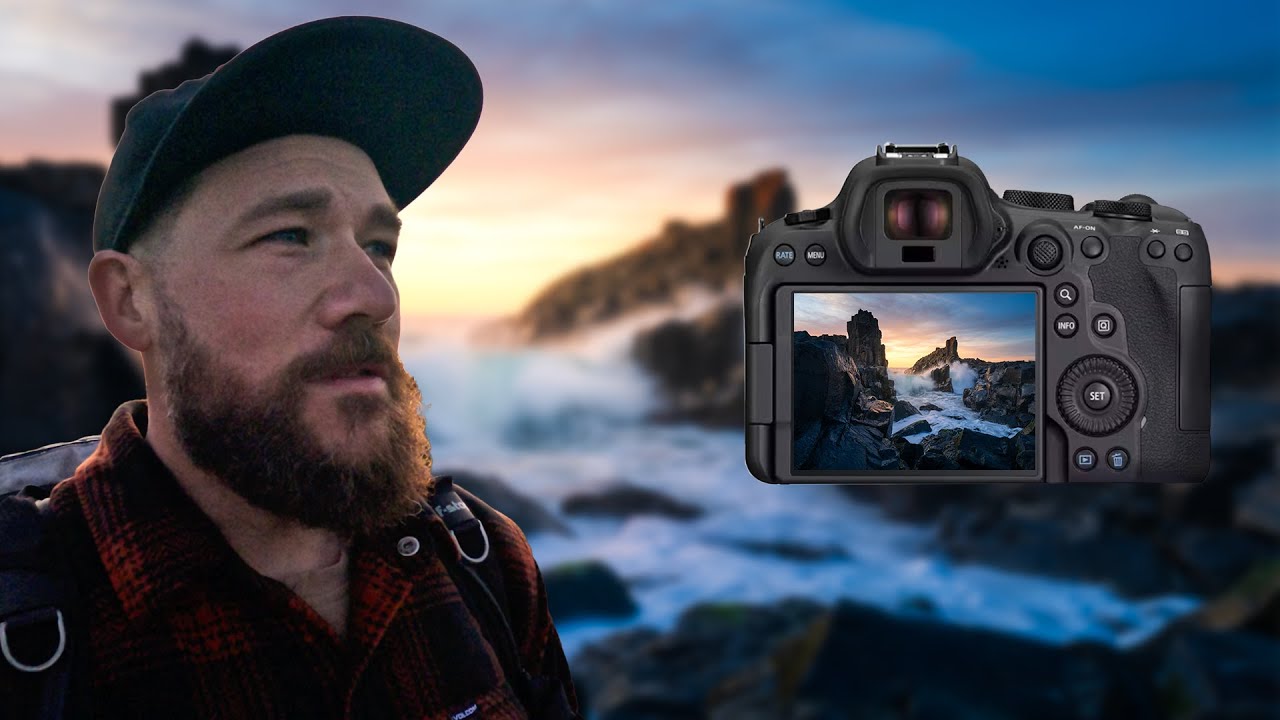
There’s a particular kind of paralysis that hits me at dramatic coastal locations. Too many foreground options, water that won’t stay still, light that’s changing every thirty seconds. I either freeze up and shoot the “obvious” frame everyone else shoots, or I move too fast and miss the moment entirely. What I’ve needed, for a long time, is a reliable process for reading a scene before committing to a shot.

When Bad Weather Creates Rare Shots: What I Learned from Photographing a Flooded Ancient Forest

When Bad Weather Creates Rare Shots: What I Learned from Photographing a Flooded Ancient Forest

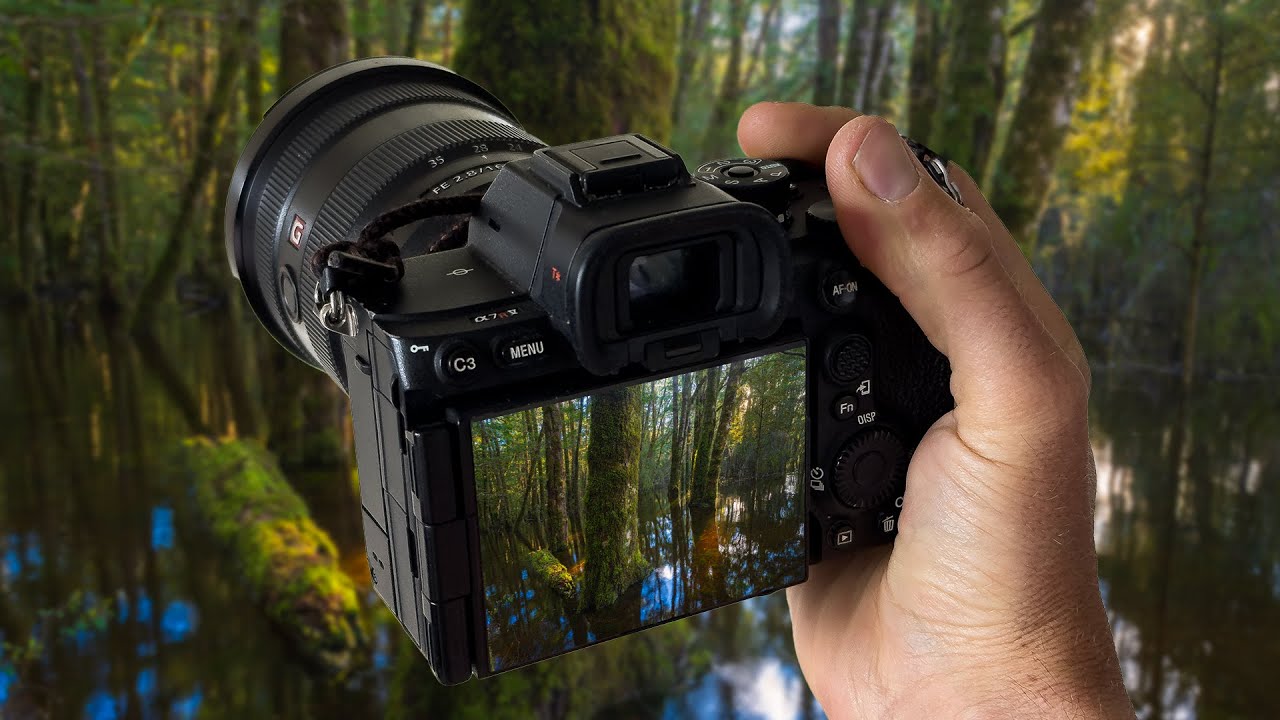
I used to treat bad weather like a closed door. Rain meant staying home, overcast meant flat light, flooding meant stay away from the gear. It took me an embarrassingly long time to flip that around and start asking: what does this weather make possible that didn’t exist yesterday? That shift in mindset is exactly what this William Patino tutorial put into words better than I’ve managed to. Watch the full tutorial on YouTube

Stop Overcomplicating Your Landscape Shots: Composition Lessons From a Pro Who's Been There

Stop Overcomplicating Your Landscape Shots: Composition Lessons From a Pro Who's Been There

Every Sunday morning I do a photo walk. No agenda, no client brief, just me and whatever light shows up. And for a long time, those walks felt frustrating because my images looked cluttered, busy, like I was trying to say ten things at once. I knew something was off with my compositions but I couldn’t name what. Turns out I was skipping the most fundamental step entirely. That’s exactly what stopped me mid-scroll when I found this tutorial by New Zealand-based landscape photographer and educator William Patino.

7 Photography Lessons I Wish Someone Had Told Me at the Start

7 Photography Lessons I Wish Someone Had Told Me at the Start

There’s a particular kind of frustration that comes from looking back at your early work and realizing you were solving the wrong problems. I spent a embarrassing amount of time early on obsessing over whether I needed a better wide-angle lens when what I actually needed was to learn how to stand in a better spot. The gear wasn’t the problem. I was. Once I accepted that, things started to click.

Stop Setting Up Your Tripod So Fast — Three Physical Shifts That Transform Your Compositions

Stop Setting Up Your Tripod So Fast — Three Physical Shifts That Transform Your Compositions

Every Sunday morning I take a photo walk around Seattle, and for an embarrassing stretch of time, I came home with the same kinds of shots week after week. Same angles, same horizon placement, same feeling of “this is fine, but it’s not exciting.” I wasn’t doing anything wrong technically. The exposures were solid, the focus was clean. But something was missing, and I couldn’t name it until I watched a tutorial that finally put words to the problem.

Aperture and Depth of Field, Finally Explained in a Way That Actually Sticks

Aperture and Depth of Field, Finally Explained in a Way That Actually Sticks

Every Sunday morning I’m out walking with my camera, and I still run into beginners who are shooting in full auto because aperture confuses them. Not bores them. Confuses them. The numbers go the wrong direction, the results feel unpredictable, and nobody ever explains what’s actually happening inside the lens. I get it. It tripped me up too. That’s exactly why I appreciated stumbling onto this William Patino tutorial on aperture and depth of field.

How Shooting for the Crop Changed the Way I Think About Composition

How Shooting for the Crop Changed the Way I Think About Composition

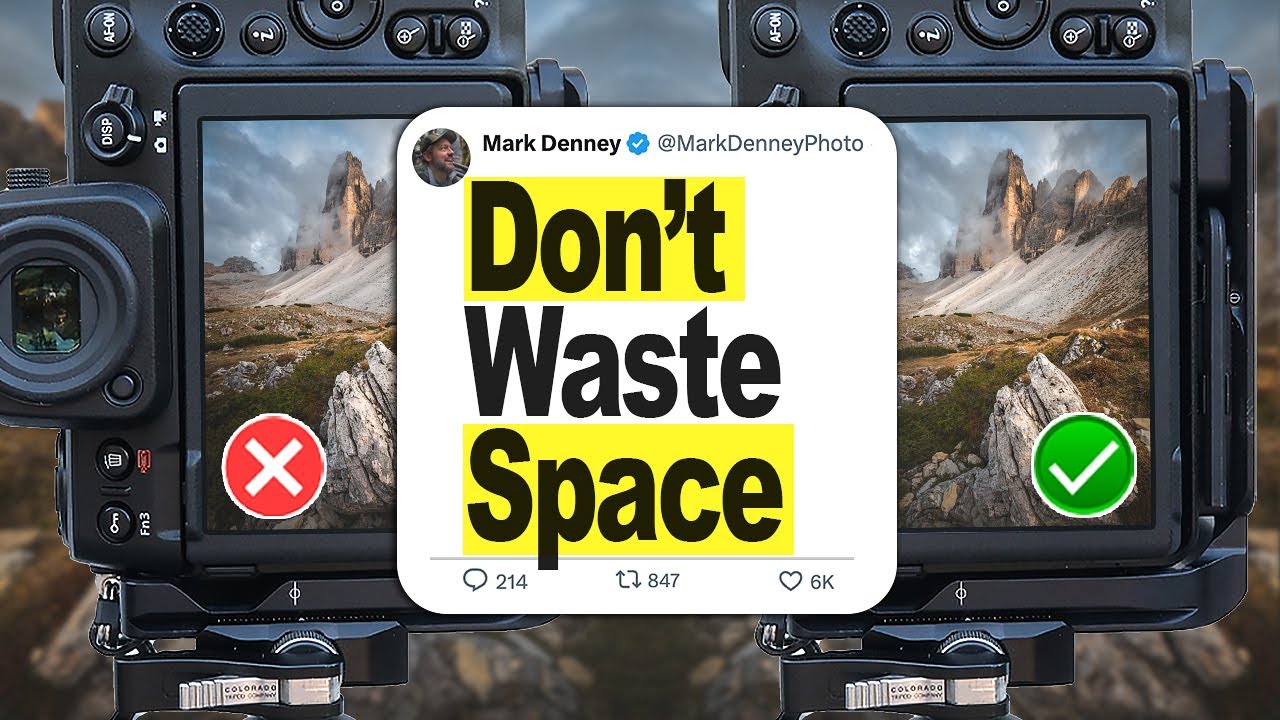
For a long time, composition felt like the part of photography where the rules multiplied faster than I could memorize them. Rule of thirds, leading lines, negative space, golden ratio — all useful, all valid, and yet somehow none of it answered the most practical question I kept running into in the field: what do I actually do when I’m not sure if I have the shot? I’d come home from a shoot, pull up my files, and realize the thing that was bothering me about an image was something I could have fixed right there on location if I’d only given myself a little room to work.

What Happens When You Leave Your Digital Camera at Home (And Only Shoot Film)

What Happens When You Leave Your Digital Camera at Home (And Only Shoot Film)

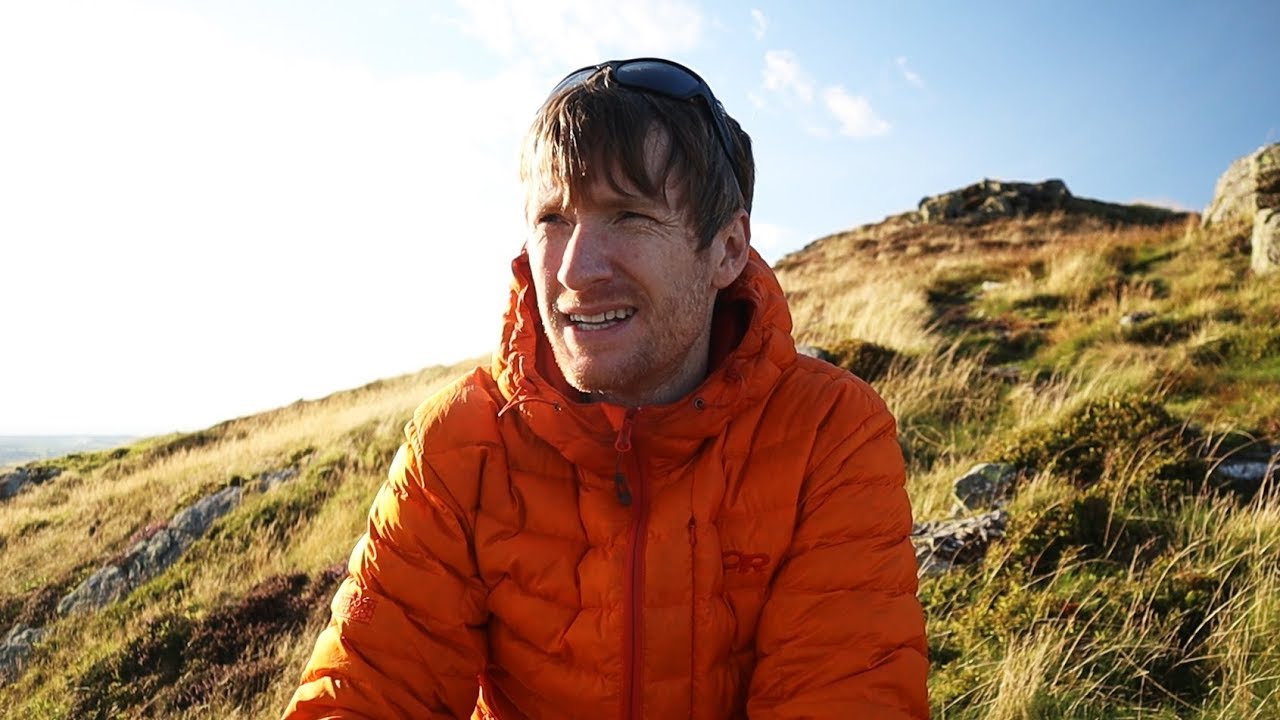
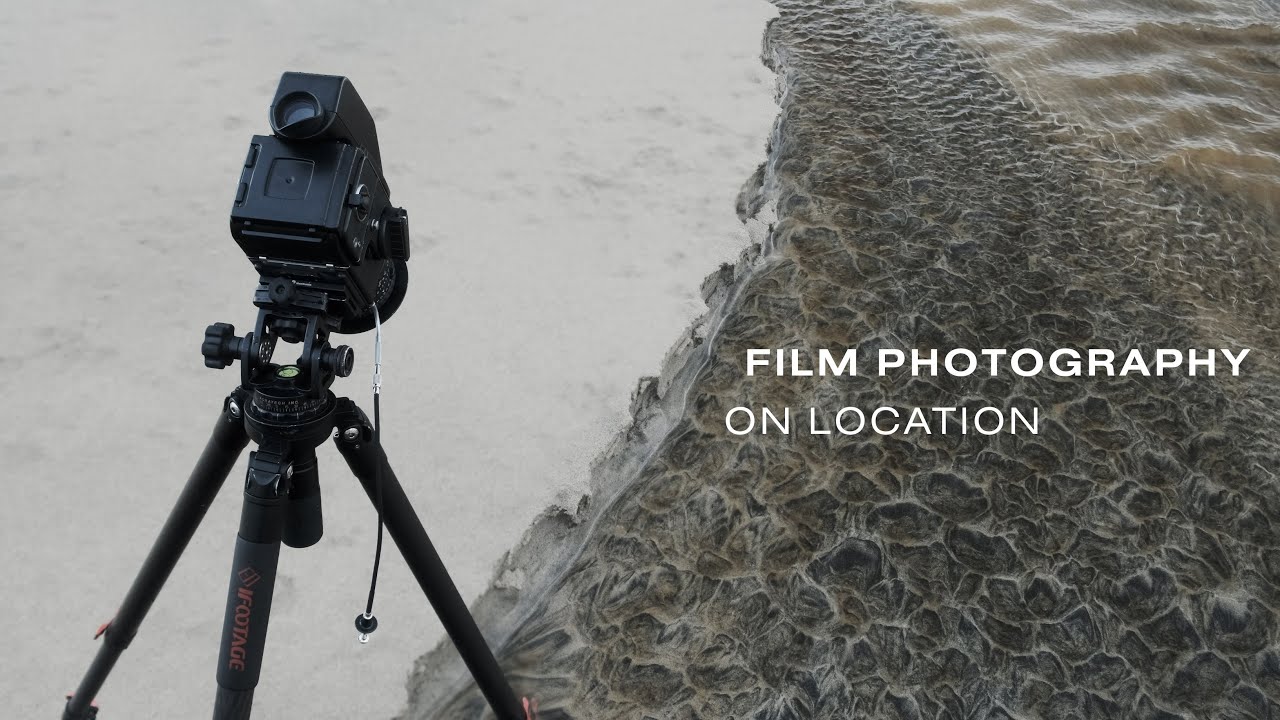
There’s a specific kind of anxiety that hits when you realize you can’t rely on your usual tools. I know it well. I once spent an entire vacation trying to nail one waterfall shot, missing dinner every night, convinced that if I just got the settings right I’d finally have the image. What I actually needed was to stop fussing and start seeing. That tension between gear dependency and genuine vision is exactly what Thomas Heaton explores in his recent trip to the Outer Hebrides, a rugged cluster of islands off the coast of Scotland.