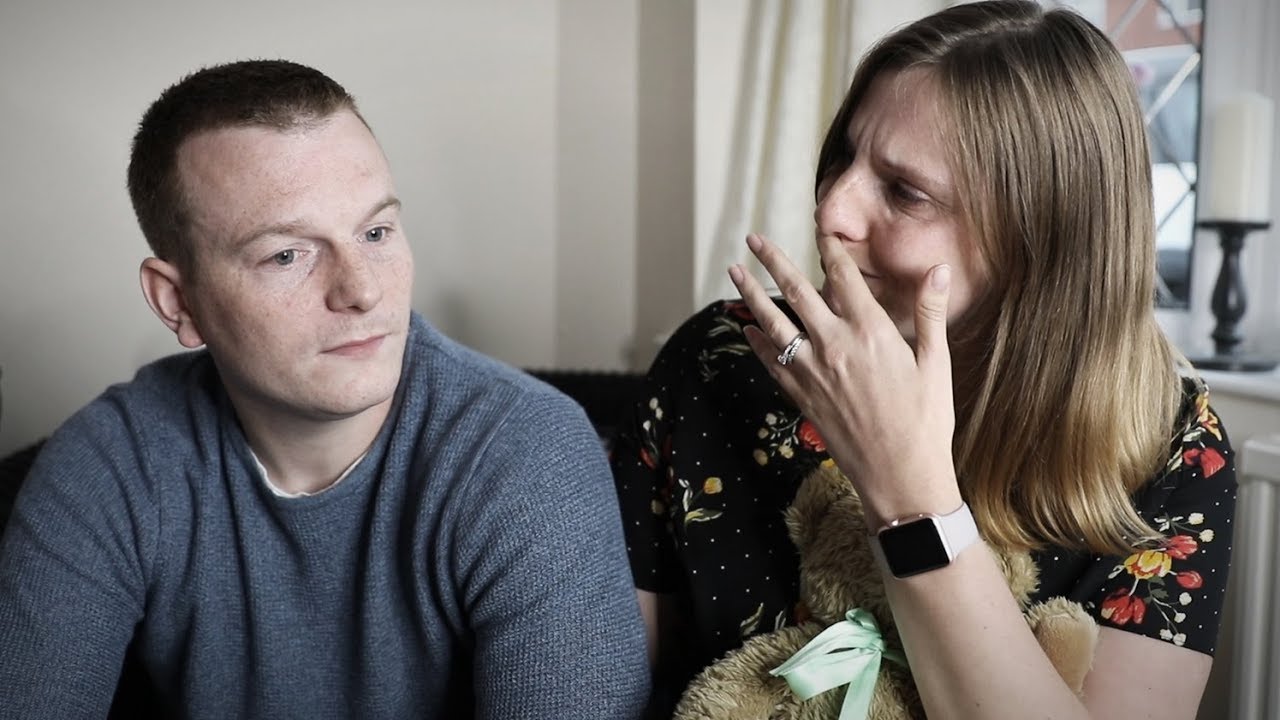
There’s a specific kind of photographer paralysis I run into every few months. I have the gear, I have the free weekend, and I still can’t make myself go out and shoot. Not because conditions are bad, but because I have no real reason to be there. No target. No stakes. It took watching a deeply moving video from Thomas Heaton to remind me how transformative a structured photography project can be, not just creatively, but personally. Watch the full tutorial on YouTube
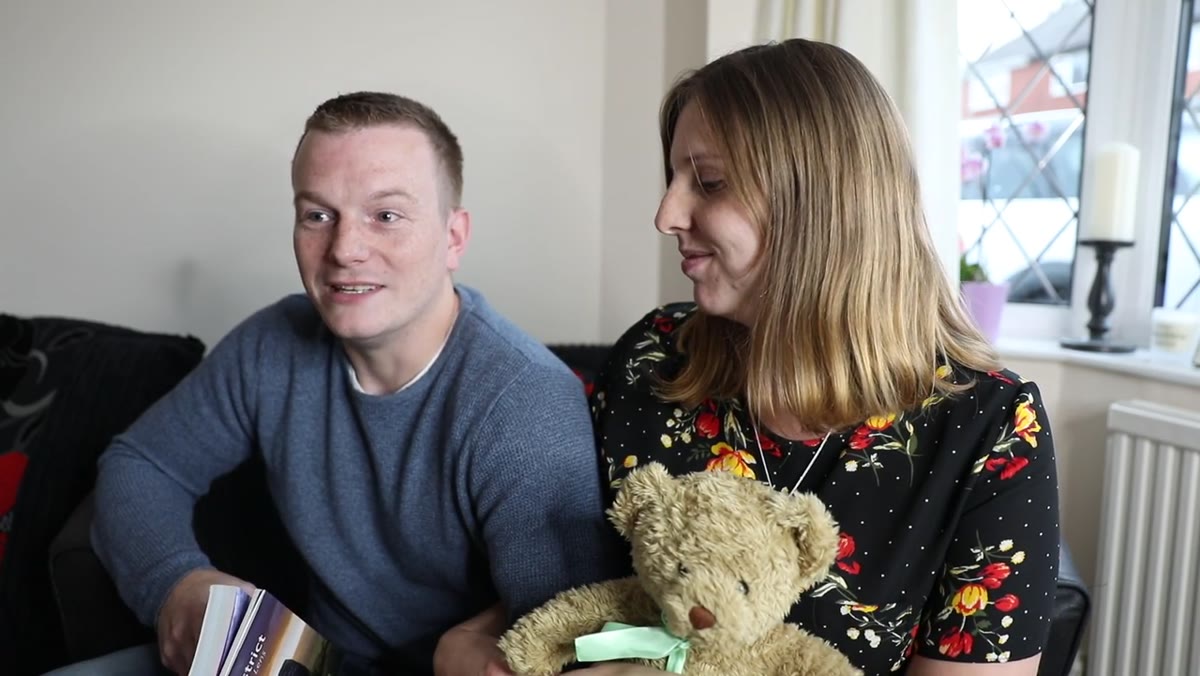
In this Thomas Heaton video, he joins a couple named Stu and Tracy who are working through grief after losing their daughter Emily shortly after birth. Rather than retreating inward, they channeled that pain into something concrete: a challenge called 73/73, photographing 73 landscape locations across the Peak District in 73 days, all at golden hour, all while holding down jobs. The project is tied to a book called “Peak District Through the Lens” by local author James Grant, and the couple is raising funds for three charities connected to the care they received. What Heaton captures here is not just a charity story. It’s a masterclass in how intentional project structure forces you to become a better, more committed photographer.
I want to break down exactly what this challenge demonstrates in terms of real photographic habits, because the techniques embedded in their approach are ones I use myself and recommend constantly.
Step 1: Anchor Your Project to a Finite, Specific Goal
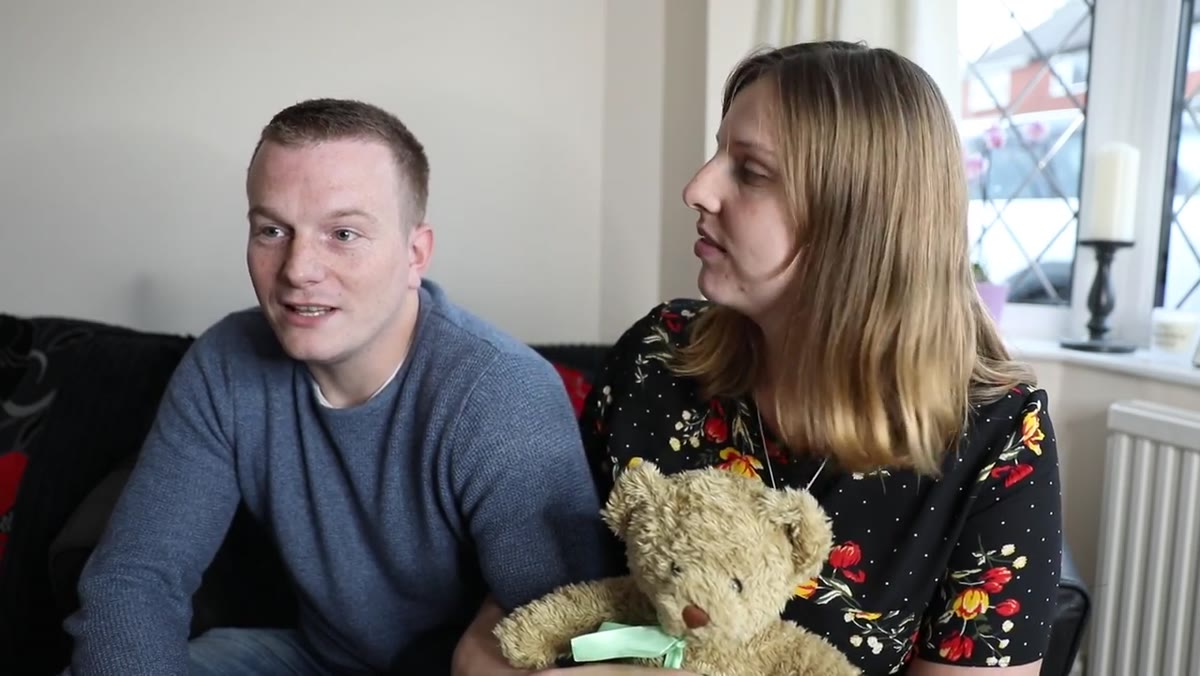 Stu explaining the 73 locations and 73-day timeline
Vague goals produce vague photography. “I want to shoot more landscapes” doesn’t get you out of bed at 3 a.m. “73 specific locations in 73 days” does. When Stu describes the challenge, the specificity is the whole point. Every location is named in the source book. Every shot has a deadline built in by the calendar.
If you’re building your own project, write down a number and a deadline on day one. It can be 30 portraits in 30 days, 12 local parks in one season, or 10 compositions of your own street. The number creates accountability. Without it, you’ll always have a reason to push the shoot to next week.
Step 2: Use a Published Reference to Pre-Scout Locations
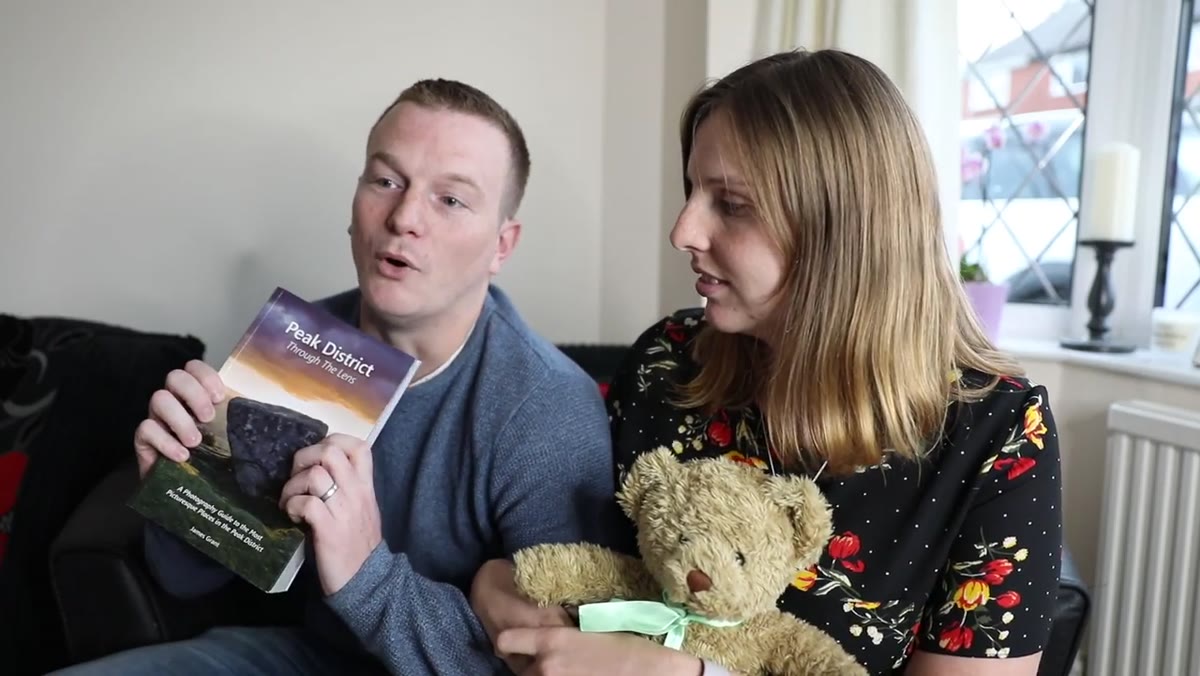 The Peak District guidebook used as a location planning tool
One of the smartest decisions Stu and Tracy made was anchoring the entire project to an existing guidebook. James Grant’s book gave them a curated list of proven, photogenic locations. They weren’t spending hours on Google Maps every morning trying to find somewhere worth visiting. The pre-scouting was already done.
This is a technique I use before any travel shoot. I’ll pull one or two regional photography books, check the Photographer’s Ephemeris for light direction, and mark locations on a saved Google Maps list before I ever leave the house. You’re not cheating by using someone else’s location knowledge. You’re being efficient with the limited time you have.
Step 3: Commit to Golden Hour, Every Single Time
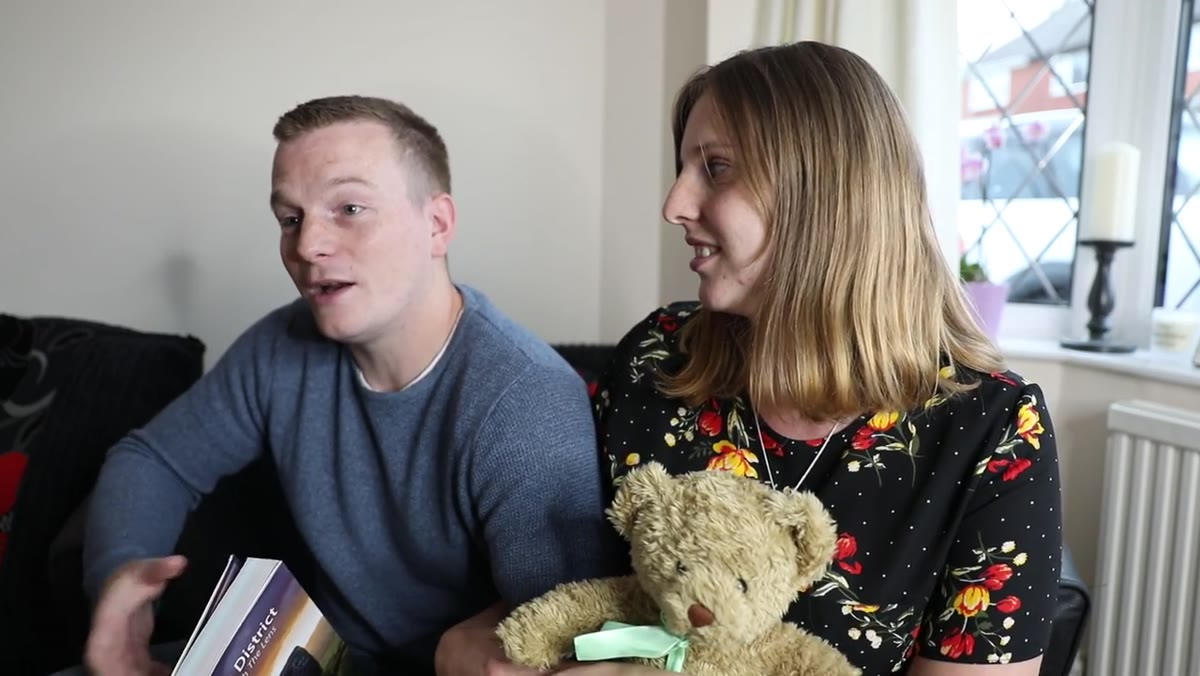 Stu describing the goal of shooting at sunrise and sunset each day
The couple’s rule is strict: every location must be photographed at golden hour, either sunrise or sunset. That constraint sounds limiting, but it’s actually liberating. It eliminates the question of when to shoot. The answer is always the same: early or late.
Golden hour light is soft, directional, and warm. It wraps around rocks and hillsides in a way that midday light simply doesn’t. The practical implication is that you need to check sunrise and sunset times for your shoot location the night before, build in a drive and hike buffer, and set an alarm that feels unreasonable. The 3 a.m. alarms Stu mentions are real. So is the payoff.
Step 4: Shoot Between Obligations, Not Around Them
 Stu noting they are trying to complete shoots between work commitments
One of the most honest moments in the video is when Stu mentions that fitting this around work has been its own challenge. They’re not retired photographers with unlimited days off. They’re working people who rearranged their routines to make the project happen.
This reframe is worth sitting with. I used to tell myself I’d do serious shooting when I had a full free day. That day rarely came. The better habit is treating a 90-minute window before work the same way you’d treat a booked shoot. Pack your bag the night before, know your location, and go. Some of my best shots from the last year came from 45-minute sessions before my first meeting.
Step 5: Let the Hard Days Be Part of the Process
 Stu acknowledging the tough days and leaning on the community for support
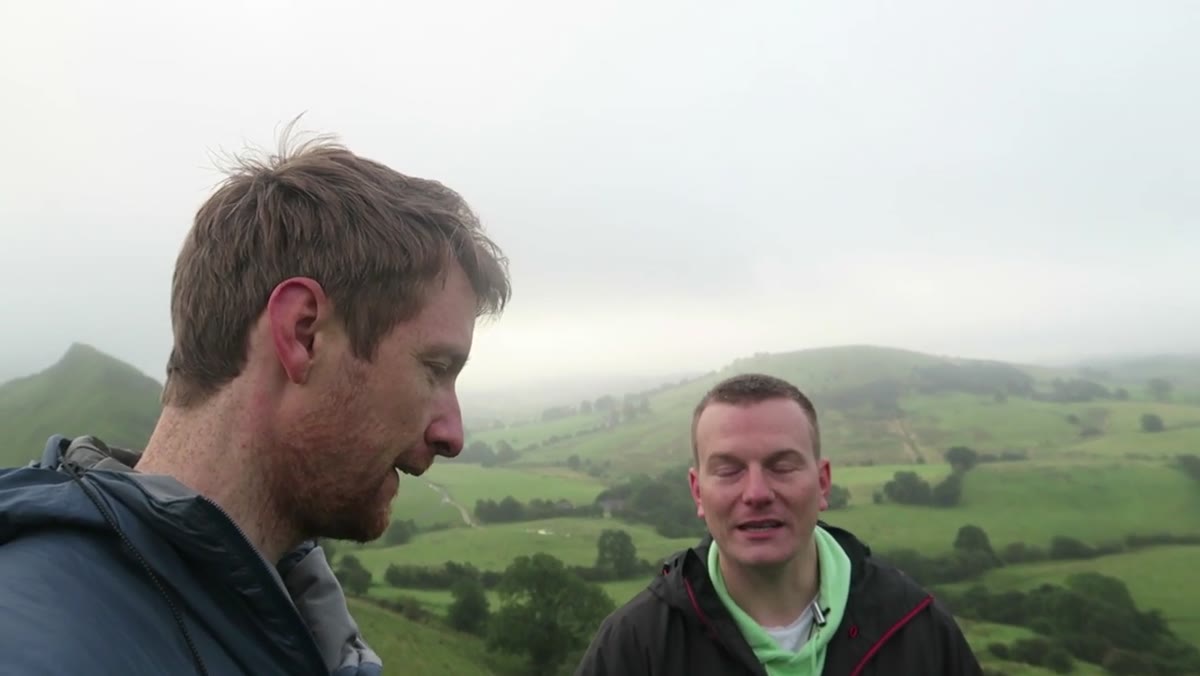
At 49 locations in, Stu is honest: there have been genuinely difficult days. What kept them going was leaning on the people around them, whether that was James the author, Thomas Heaton himself, or others who joined them on individual shoots.
This is practical advice, not just emotional support. When you build a project with public accountability or a shooting partner, the social contract becomes a second motivation engine. Tell someone about your project. Post a progress update. Invite a friend to one session. External commitment fills the gaps when internal motivation drops.
Step 6: Accept Imperfect Conditions and Shoot Anyway
 The pair noting the weather looked promising but was not delivering
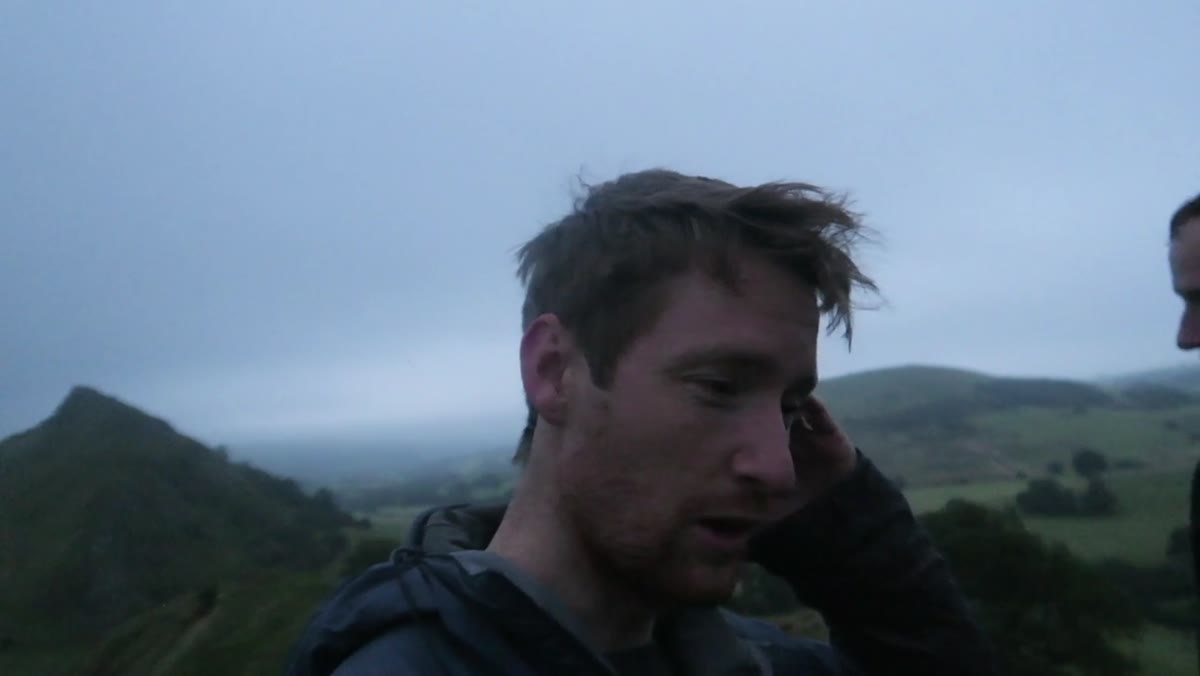
One scene early in the video shows Stu and Heaton looking at the sky at Chrome Park and realizing the promising forecast hasn’t materialized. There’s no dramatic pivot or decision to abandon the shoot. They set up their cameras and work with what’s there.
Chasing perfect conditions is one of the fastest ways to never build a body of work. I spent an entire vacation in Iceland waiting for the northern lights on a single night and missed three other genuinely beautiful scenes. Weather apps are a starting point, not a guarantee. The discipline is showing up and shooting anyway, because even flat light teaches you something about composition and patience.
What I’d Add From My Own Experience
The 73/73 structure works because it combines a clear deliverable with a personal stake. What I’ve found in my own projects is that the emotional reason behind a project matters more than most photographers admit. I started my Sunday morning photo walk tradition during a stretch of work burnout, specifically as a non-negotiable hour that belonged only to me and whatever light showed up. That personal stake is what’s kept it going for two years. When you’re building your own challenge, ask yourself not just what you’ll photograph, but why it matters to you right now. That answer will get you out the door on the mornings when nothing else will.
What Stu and Tracy are doing is extraordinary on a human level, and it also happens to demonstrate some of the most reliable principles in photography: specificity, structure, consistent timing, and showing up even when conditions disappoint. The single most important takeaway here is that a project with clear parameters will always produce more growth than open-ended intention. Pick a number. Pick a deadline. Go.
Watch the full tutorial on YouTube
Comments
Leave a Comment