There’s a specific kind of panic that comes with realizing you have no idea why you keep taking the same kinds of photos. I noticed it a few years back when I was sorting through my Lightroom catalog and found shots from completely different years, different countries, different cameras, and somehow they all looked like they were made by the same slightly obsessed person with a thing for moody skies and leading lines through wet pavement. I didn’t know if that was a strength or a rut. Probably both.
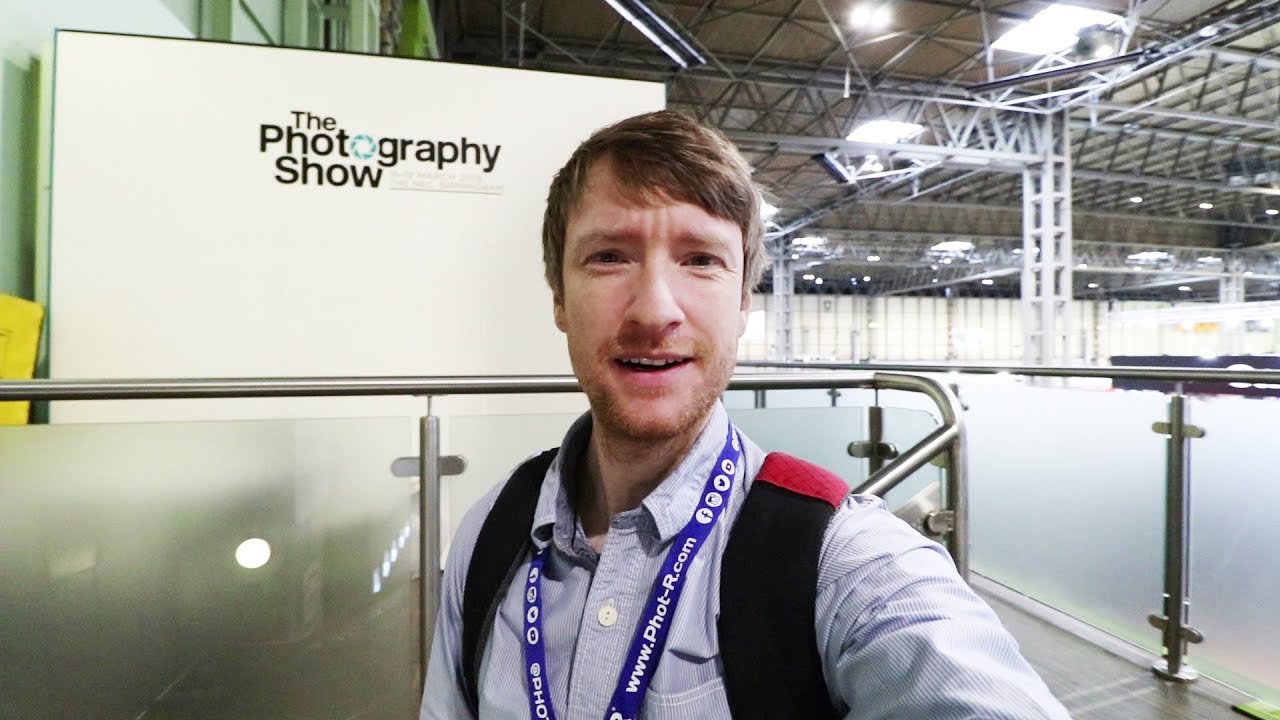
That question came back to me while watching Watch the full tutorial on YouTube, a behind-the-scenes vlog from landscape photographer Thomas Heaton documenting his trip to the UK Photography Show 2018. On the surface it’s a travel vlog. But buried inside is one of the most useful creative exercises I’ve seen, and it costs nothing and takes about twenty minutes.
What Heaton shares backstage at his presentation is simple: he placed his oldest landscape photograph next to one he had taken just two days before. The visual similarities were, in his words, uncanny. Same instincts. Same eye. Decades apart. That kind of self-awareness about your creative tendencies is something most photographers stumble into by accident, if they find it at all. Here’s how to do it on purpose.
Step 1: Dig Out Your Oldest Landscape or Subject Photo
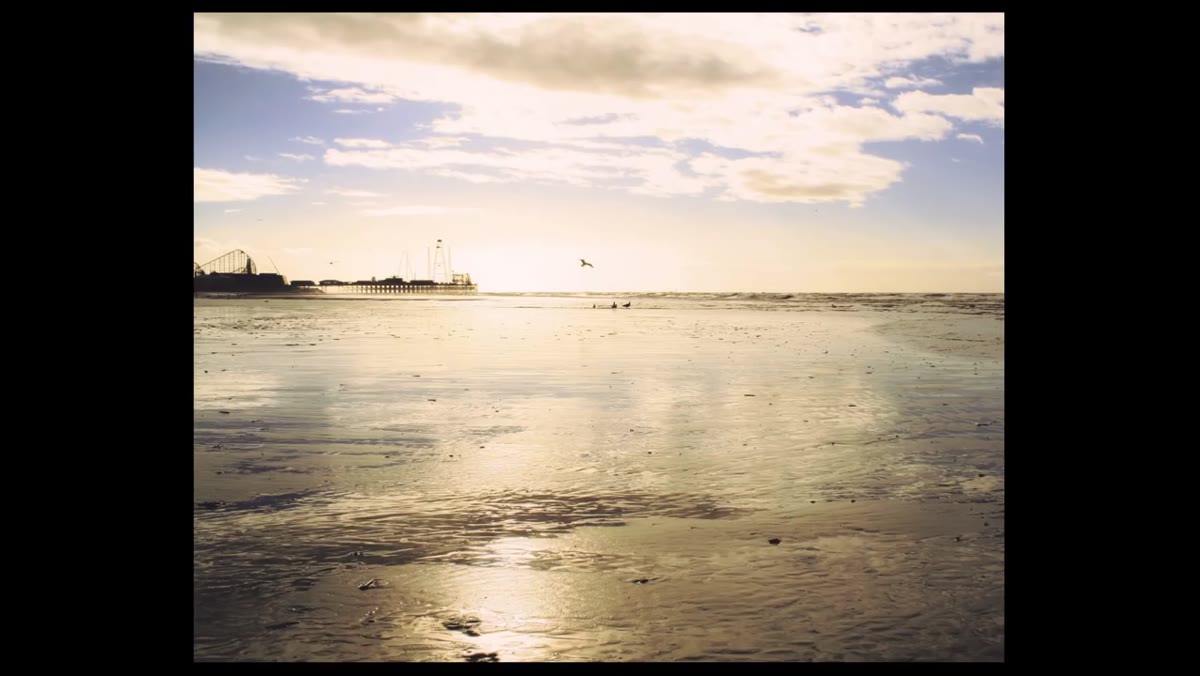 Thomas Heaton showing a scanned print of his oldest landscape photo
Go find the earliest photograph you have of the subject you shoot most. For Heaton, this meant digging up a scanned print, a physical photograph digitized from his pre-digital days. For most of us it means scrolling back to the oldest folder in Lightroom, an early hard drive backup, or even your phone’s camera roll from 2012. Don’t skip this step by approximating. The further back you can actually go, the more revealing the comparison will be.
If you shoot landscapes like I do, pull your earliest outdoor shot. If you’re a portrait photographer, find the first portrait you kept. The subject category matters because you’re looking for the through-line in what genuinely attracts your eye, not just what you happened to point a camera at once.
Step 2: Select a Very Recent Photo of the Same Subject
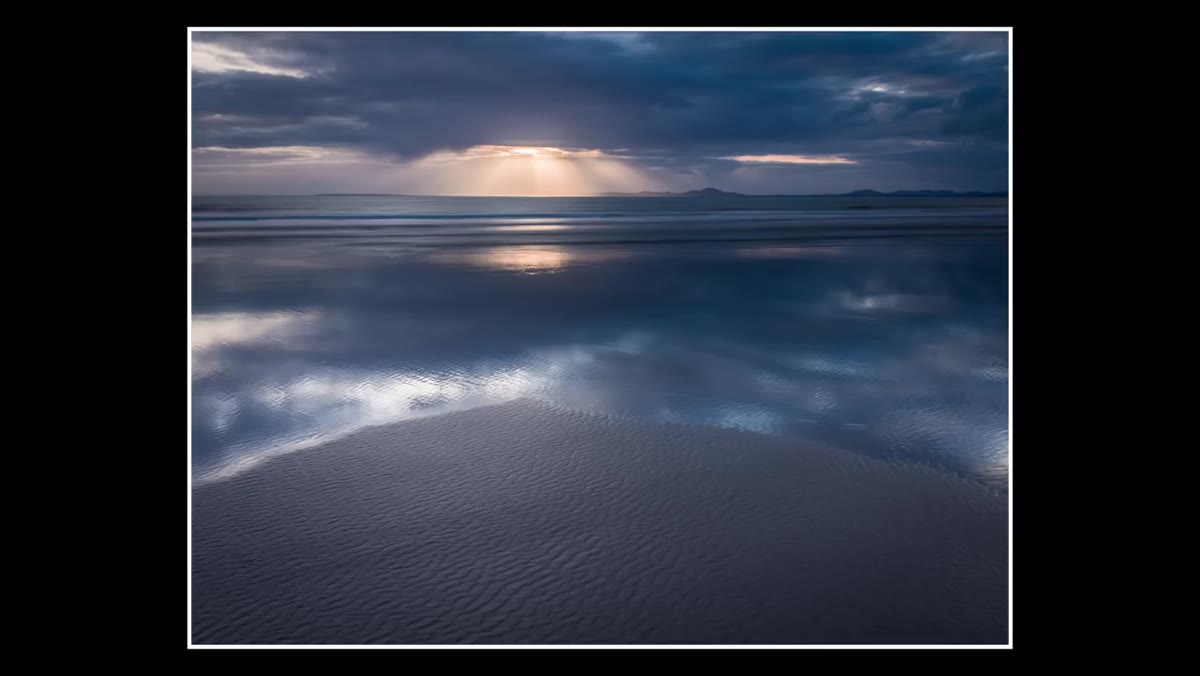 Heaton displaying a recent landscape photograph taken two days prior
Pull a photo you’ve taken in the last week or two of the same subject type. Heaton used a shot he had taken just two days before his presentation. The recency is important because you want your current instincts, not a greatest-hit you’ve been proud of for years. Greatest hits are curated. A photo from last Tuesday is honest.
Don’t reach for your best recent shot either. Just pull something representative, something that came out the way you intended. The goal isn’t to compare quality. It’s to compare instinct.
Step 3: Put Them Side by Side Without Editing Either One
 Two landscape photographs displayed side by side on screen
Open both images at the same size and look at them together. Use your photo editing software’s compare view, or just open two browser windows and resize them. Resist the urge to crop or reprocess the older image to make it look more comparable. Warts and all is the point.
Give yourself a full minute of quiet looking before you start analyzing. Notice what your eyes do first. Where do they land? What compositional moves repeat? What does each photo seem to be emotionally about? You’re not grading yourself here. You’re reading yourself.
Step 4: Write Down Three Specific Similarities
 Heaton gesturing at the visual similarities between the two images
Get specific in writing, not just in your head. Vague impressions fade. Write three concrete observations about what the two images share. Not “they both feel moody” but “both images have a strong foreground element on the left side with open sky dominating the upper two-thirds.” The more granular your language, the more useful the insight.
When I did this exercise myself, I realized I have a stubborn tendency to place my horizon line unusually high and to underexpose slightly compared to what most people would consider correct. I thought I was making intentional choices each time. Turns out I was just doing the same thing reflexively. Knowing that let me start deciding when it serves the image and when it’s just habit.
Step 5: Identify One Instinct to Lean Into and One to Challenge
 Heaton reflecting on how childhood experiences shape a photographer’s eye
Heaton’s point in his presentation was that childhood experiences and early exposure to the outdoors shaped who he became as a photographer. That means some of your instincts are deeply rooted in something real, and worth protecting. Others are just defaults you never questioned.
From your three observations, pick one pattern that feels like genuine creative identity. That’s yours to develop intentionally. Then pick one that might be a comfort zone you’ve been calling a style. That’s worth deliberately breaking on your next shoot, not permanently, just to see what’s on the other side of it.
Step 6: Repeat the Comparison Once a Year
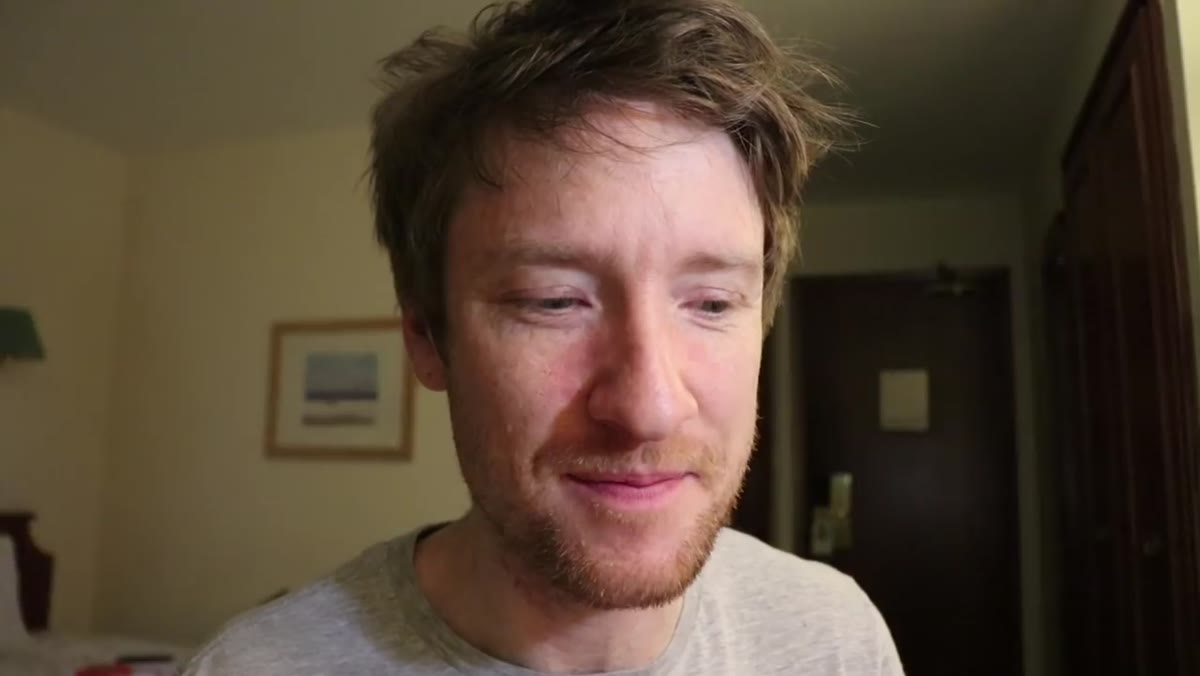
 Heaton preparing presentation slides late the night before the show
Heaton seemed genuinely surprised by what he found when putting his presentation together the night before the show. He wasn’t doing a formal archive review. He stumbled onto the insight. You can make that stumbling deliberate by scheduling it.
Once a year, same subject, oldest vs. most recent. Keep notes each time. Over three or four years, you’ll have a map of how your eye has evolved and which instincts have stayed stable. That’s not just useful for your own growth. It’s fascinating material if you ever teach, speak, or write about your work.
My Own Extension: Do This With Someone Else’s Archive Too
I’ve started doing a version of this exercise with photographers I admire, pulling their oldest publicly available work next to their current portfolio. It’s a completely different kind of education. You start to see that the photographers you respect most weren’t born with a fully formed vision. They had early instincts they refined over time. That is reassuring in a way that no gear review or post-processing tutorial can be.
Try it with three photographers whose work you wish you made. Write down what changed and what didn’t. You’ll learn as much about your own taste as you will about theirs.
The single most transferable idea from Heaton’s video isn’t about gear, locations, or camera settings. It’s that your creative identity has a history, and that history is already sitting in your archive waiting to be read. Most photographers treat old photos as embarrassing evidence of how far they’ve come. Treat them as source material instead.
Watch the full tutorial on YouTube to see Heaton walk through his Photography Show experience and hear him describe the moment he noticed the connection between his oldest and newest work. The vlog format makes it feel like you’re along for the trip, which honestly makes the insight land harder when it arrives.
Comments
Leave a Comment