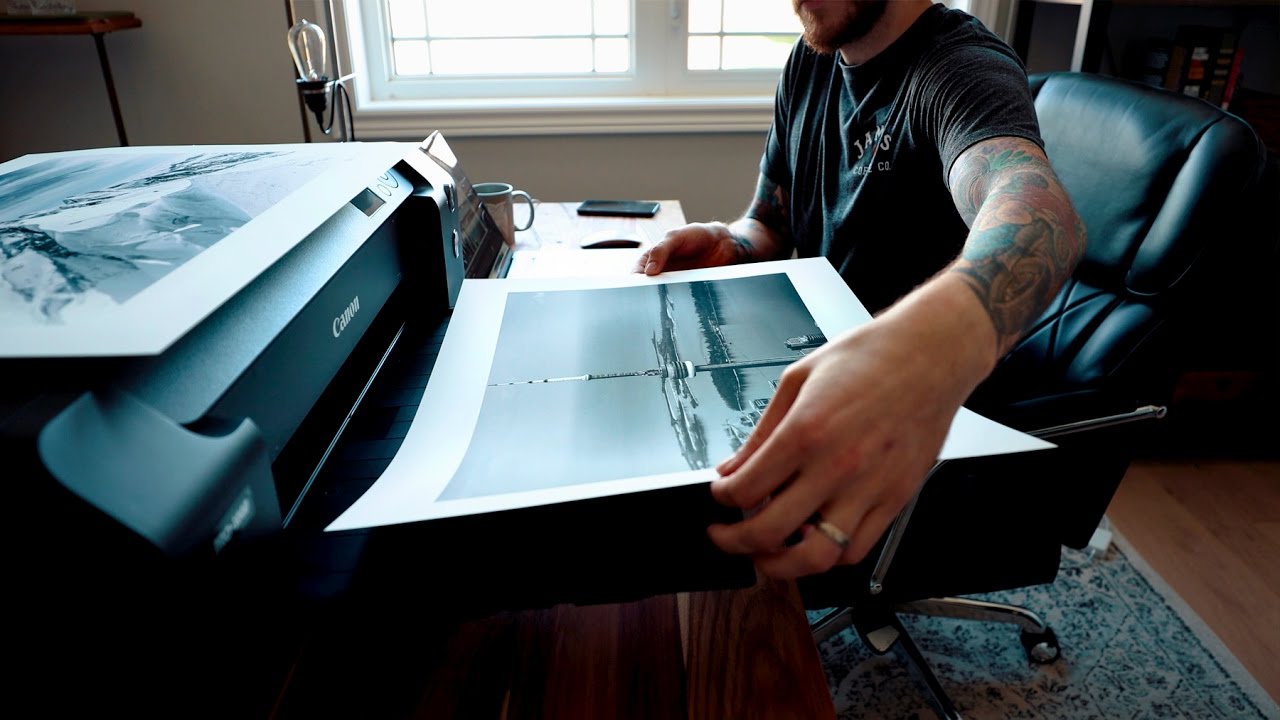
Why Printing Your Photos Is the Missing Half of Your Photography Practice

Why Printing Your Photos Is the Missing Half of Your Photography Practice

Every Sunday morning I take a photo walk around my neighborhood in Seattle. I shoot, I edit, I post. Then I move on. For years that was the entire arc of a photograph for me: capture, process, publish, repeat. It wasn’t until I started printing some of my favorite shots that I realized I had been cutting the process in half without even knowing it. That’s exactly what Peter McKinnon digs into in this tutorial, and it hit closer to home than I expected.
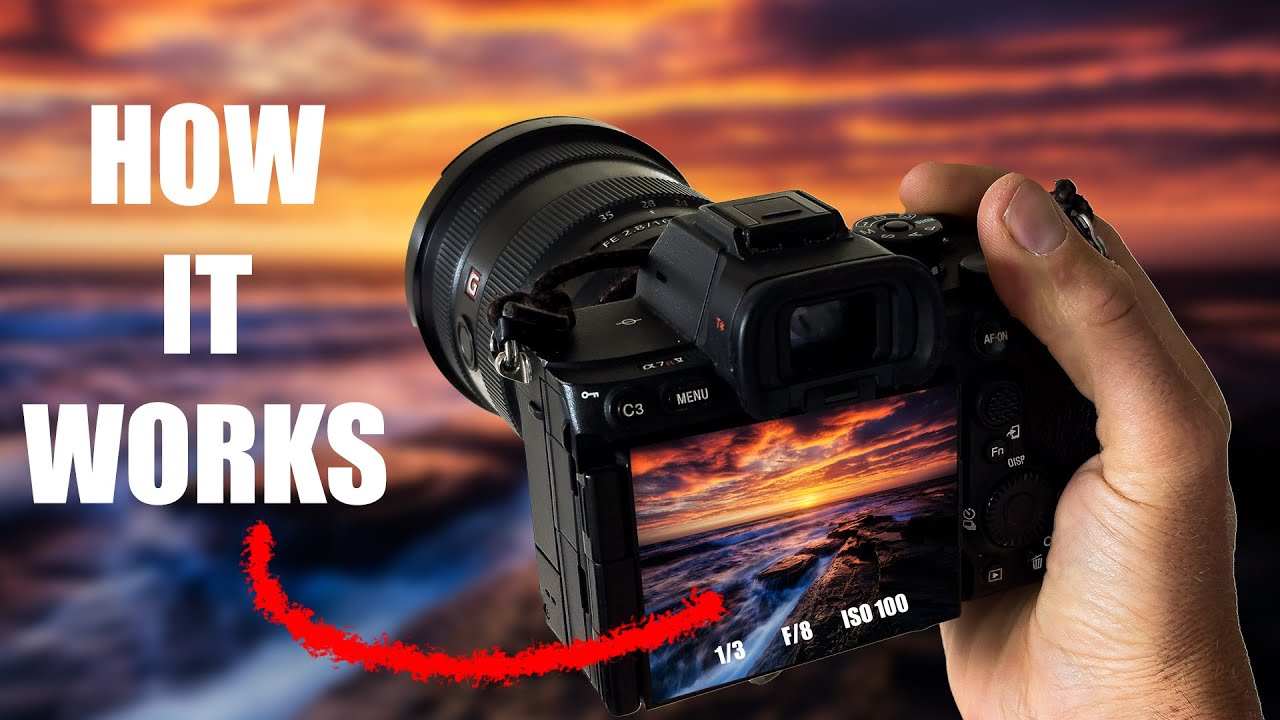

Aperture and Depth of Field, Finally Explained in a Way That Actually Sticks

Aperture and Depth of Field, Finally Explained in a Way That Actually Sticks

Every Sunday morning I’m out walking with my camera, and I still run into beginners who are shooting in full auto because aperture confuses them. Not bores them. Confuses them. The numbers go the wrong direction, the results feel unpredictable, and nobody ever explains what’s actually happening inside the lens. I get it. It tripped me up too. That’s exactly why I appreciated stumbling onto this William Patino tutorial on aperture and depth of field.

sRGB, Adobe RGB, or ProPhoto RGB? Here's How to Actually Choose the Right Color Space

sRGB, Adobe RGB, or ProPhoto RGB? Here's How to Actually Choose the Right Color Space

I used to export photos straight from Lightroom without giving color spaces a second thought. The images looked fine on my monitor, I’d post them, and then wonder why they looked slightly dull or weirdly shifted on my phone or a friend’s laptop. It wasn’t until I started digging into color management that I realized I had been skipping one of the most consequential settings in my entire workflow. This is one of those invisible problems that affects every single image you share, and most photographers don’t even know it’s happening.

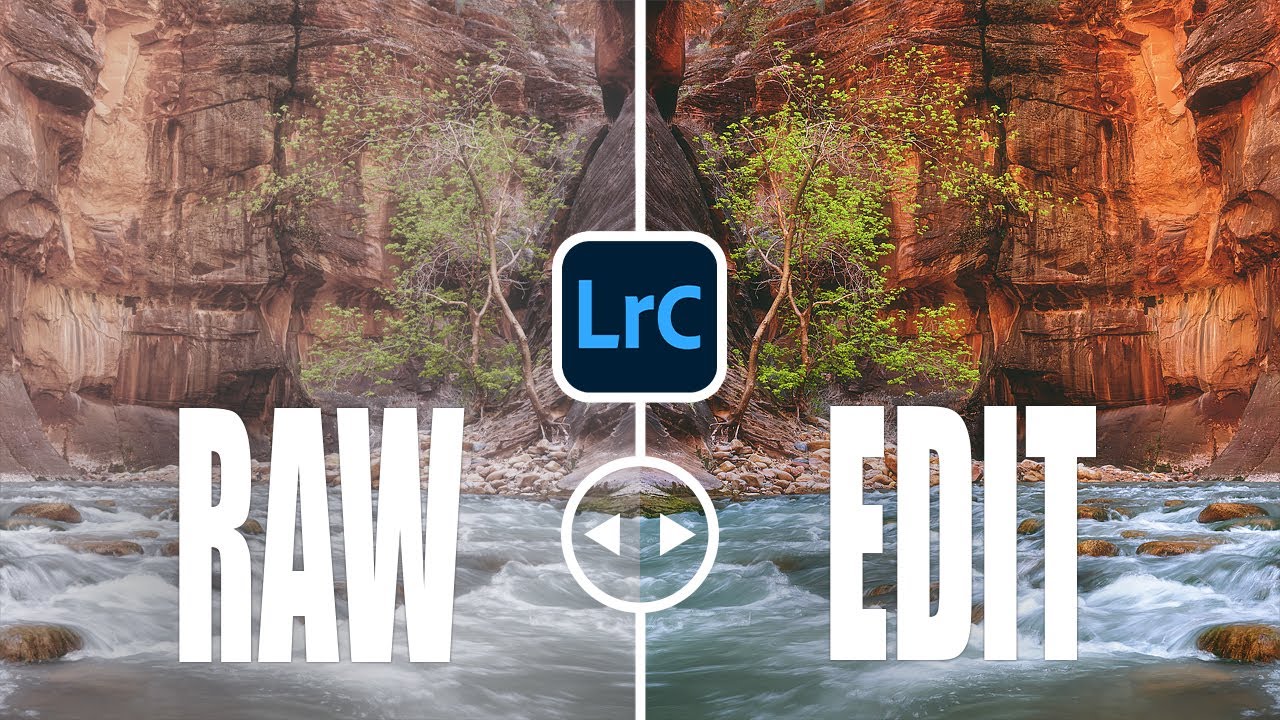
How to Actually Edit RAW Landscape Photos: A 5-Step Lightroom Workflow That Works

How to Actually Edit RAW Landscape Photos: A 5-Step Lightroom Workflow That Works

I spent an entire vacation chasing a waterfall shot. Five days, missed dinners, soaked boots. When I finally got home and opened the RAW files, I had no idea what I was doing in Lightroom and nearly threw away some of the best frames I’d ever captured. That experience is exactly why I get a little emotional when beginners tell me they just shoot JPEG because it’s “easier.” I understand the logic.

Why Your Outdoor Photos Have Weird Shadows (And What Bounced Light Has to Do With It)

Why Your Outdoor Photos Have Weird Shadows (And What Bounced Light Has to Do With It)

I used to blame myself when outdoor portraits came out looking “off” in a way I couldn’t quite name. The exposure was fine, the focus was sharp, but something about the light felt unresolved. It wasn’t until I started paying close attention to what was around my subject, not just above them, that things started clicking. Reflected light, the kind that bounces off walls, pavement, and buildings back onto your subject, is one of those fundamentals that nobody talks about enough at the beginner stage.

You're Already a Photographer — Here's How to Stop Talking Yourself Out of It

You're Already a Photographer — Here's How to Stop Talking Yourself Out of It

I started teaching photography because a stranger at a coffee shop asked how I got a particular shot on my phone. Not my camera. My phone. I almost deflected the question with “oh, I’m not really a teacher” before I caught myself. Here I was, someone who had spent years shooting professionally, about to tell a complete stranger that I wasn’t qualified to explain what I had literally just done. That moment stuck with me, and it’s exactly why I kept coming back to this video.

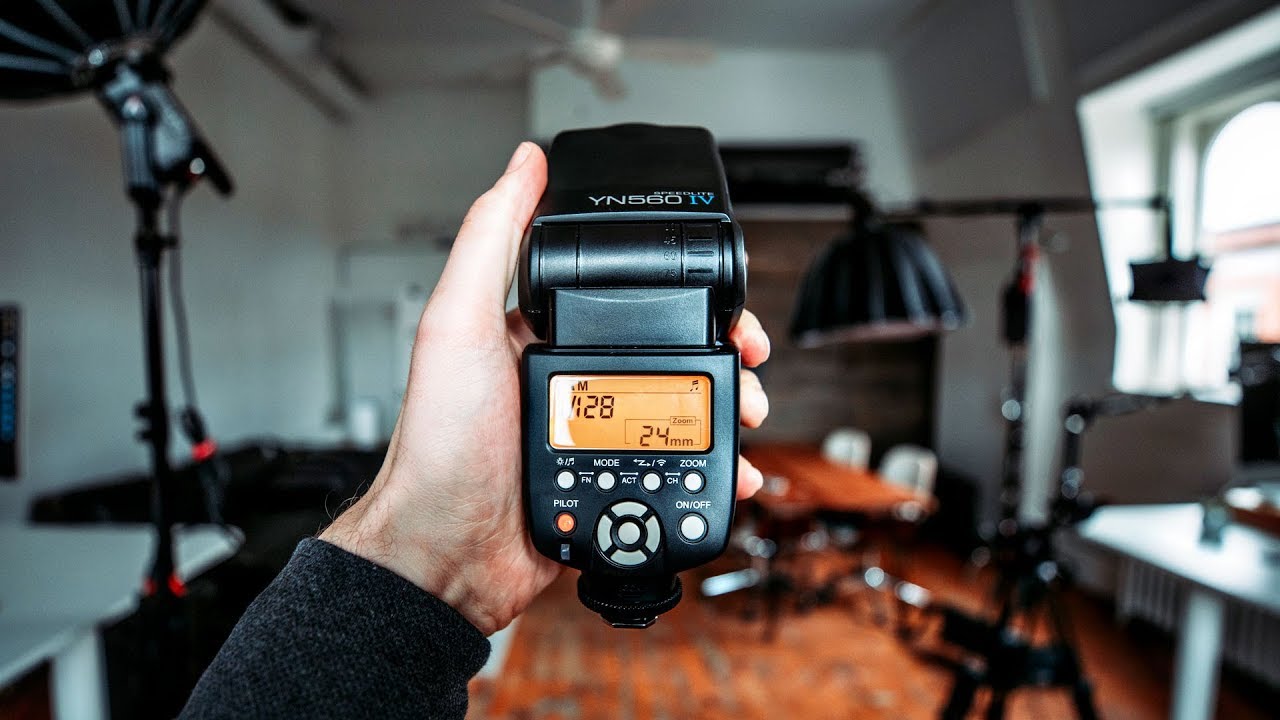
The $99 Flash That Changed How I Shoot Portraits (And Why You Don't Need to Spend More)

The $99 Flash That Changed How I Shoot Portraits (And Why You Don't Need to Spend More)

I avoided buying a flash for an embarrassingly long time. I told myself I was a natural light photographer, that flashes were complicated, that I’d figure it out eventually. The truth? I was intimidated. Then I started shooting events for extra income and realized pretty quickly that “available light” stops being romantic at 8pm inside a dim reception hall. I needed a flash, and I needed to actually understand how to use one.

Move Your Light Behind the Subject — The Simple Shift That Makes Photos Look Expensive

Move Your Light Behind the Subject — The Simple Shift That Makes Photos Look Expensive

Every Sunday morning I take a photo walk through my neighborhood in Seattle, and I can tell you from years of doing it: most of the difference between a mediocre shot and a compelling one isn’t the camera, the subject, or even the composition. It’s where the light is coming from. I spent an embarrassing amount of time early in my career placing lights directly in front of subjects and wondering why my photos looked flat and lifeless.

How to Shoot Lifestyle Photos That Actually Feel Alive (Not Like Ads)

How to Shoot Lifestyle Photos That Actually Feel Alive (Not Like Ads)

I had a client ask me once why their product photos looked “too perfect.” At first I thought that was a strange complaint. But I knew exactly what they meant. The images were clean, well-lit, technically correct, and completely soulless. Nobody looked at them and thought, I want to be in that moment. They looked at them and thought, that’s a shoe. That gap, between a product shot and a lifestyle shot, is something I’ve spent years learning to close.

Steal Like a Student: How Imitating Other Photographers Actually Builds Your Own Style

Steal Like a Student: How Imitating Other Photographers Actually Builds Your Own Style

Every Sunday morning I do a photo walk around my Seattle neighborhood, and for a long time I’d come home, edit the shots, and feel like something was off. The images were technically fine but they felt borrowed. Like I was wearing someone else’s jacket. I knew I was imitating photographers I admired, but I wasn’t doing it with any real intention. I was just absorbing influences at random and wondering why nothing felt like mine.

Six Reasons Your Photos Look Soft (And How to Fix Every One)

Six Reasons Your Photos Look Soft (And How to Fix Every One)

I spent an entire vacation chasing a waterfall shot. Perfect conditions, good light, a composition I’d scouted for two days. I got home, pulled the images up on my monitor, and found soft, mushy details where I expected crisp edges. I blamed the lens. Then I blamed the light. Then I blamed the waterfall. It took me an embarrassing amount of time to realize the problem was entirely within my control, and entirely preventable.

Stop Waiting for the Perfect Moment: What Last Photos Teach Us About Shooting Every Day

Stop Waiting for the Perfect Moment: What Last Photos Teach Us About Shooting Every Day

There’s a particular kind of guilt that creeps in when you’re a photographer walking through a city and you don’t take any photos. You tell yourself you were tired, the light was bad, you didn’t have the right lens. I’ve done this on my own Sunday morning photo walks here in Seattle more times than I’d like to admit. The camera’s around my neck and I’m just… walking. Not seeing. That habit of actively not shooting is something I’ve been working against for years, and it’s exactly what Watch the full tutorial on YouTube addresses so well.