Shadow Sharpness and Density: The Two-Light Skill That Changed How I Think About Every Shot

Shadow Sharpness and Density: The Two-Light Skill That Changed How I Think About Every Shot

There is a moment in almost every beginner photographer’s journey where the technical stuff clicks into place and suddenly everything looks intentional. For me, that moment came with light - not finding more of it, but understanding what it does after it hits the subject. Specifically, what it does with shadows. I spent a long time treating shadows like a problem to eliminate. Now I treat them like a second subject in the frame, and that shift changed everything about how I work.

How to Actually Approach Strangers for Portraits (A Street Photographer's Honest Breakdown)

How to Actually Approach Strangers for Portraits (A Street Photographer's Honest Breakdown)

Every Sunday morning I do a photo walk through my neighborhood in Seattle. I’ve been doing it for years. And for years I would come home with beautiful shots of storefronts, fog rolling off the water, the occasional dog trotting past. Almost never a person. Not a real portrait, anyway. Nothing where I looked someone in the eye and asked if I could photograph them. The opportunity was always there. The nerve, less so.

Stop Overthinking It: How William Patino Shoots and Edits with Joyful Simplicity

Stop Overthinking It: How William Patino Shoots and Edits with Joyful Simplicity

Forest photography is one of those situations that can absolutely paralyze you. There’s too much going on, the light changes every thirty seconds, and every direction you point the camera feels like both a great idea and a terrible one simultaneously. I know that feeling well. I once spent four days in Olympic National Park circling the same grove of trees, convinced that if I just waited long enough, everything would click into place.

When Your Classic Car (or Your Shot) Just Won't Fire: Lessons from Peter McKinnon's Looks Can Be Deceiving

When Your Classic Car (or Your Shot) Just Won't Fire: Lessons from Peter McKinnon's Looks Can Be Deceiving

There’s a particular kind of frustration that every photographer knows. Everything looks right. The light is good, your composition is solid, your settings are dialed. And yet something is off and you can’t name it. The image just won’t breathe. I’ve been there on rainy Sunday mornings in Seattle, standing in front of a scene that should be working, cycling through my camera menu like I’m looking for a missing sock.

Affordable Instant Photography Just Got More Accessible: What You Need to Know About Budget-Friendly Instant Cameras

Affordable Instant Photography Just Got More Accessible: What You Need to Know About Budget-Friendly Instant Cameras

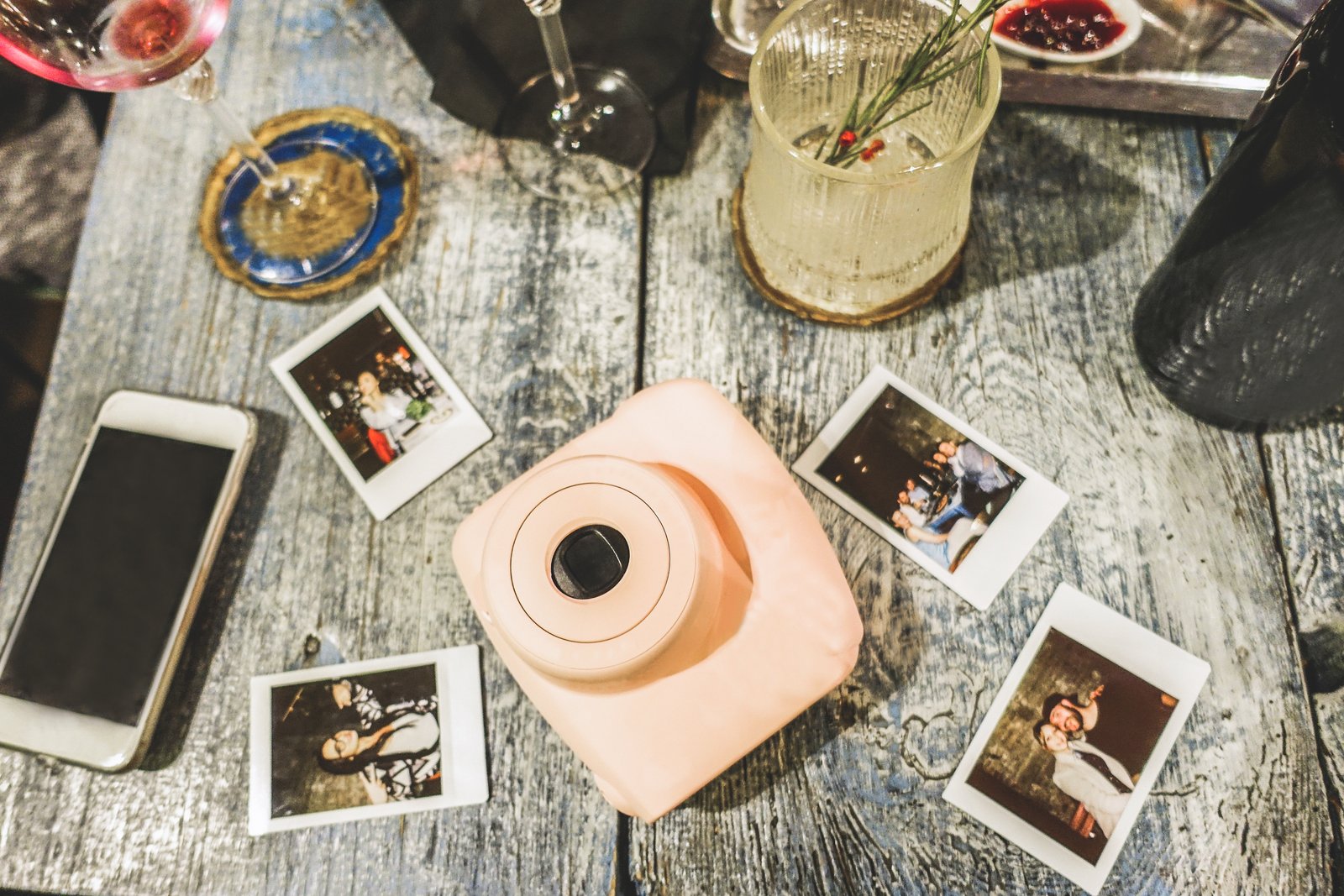
Making Instant Photography Accessible to Everyone I’ve watched instant film photography make a remarkable comeback over the past decade, and I’m thrilled to see manufacturers responding to demand by creating genuinely affordable options. Recently, I came across some exciting news that reinforces this trend: compact instant cameras are now available at price points that won’t intimidate beginners or drain your budget. Why This Matters for New Photographers When I started mentoring beginner photographers, cost was always a barrier to trying instant film.

Street Photography and the Law: What You Actually Need to Know Before You Shoot

Street Photography and the Law: What You Actually Need to Know Before You Shoot

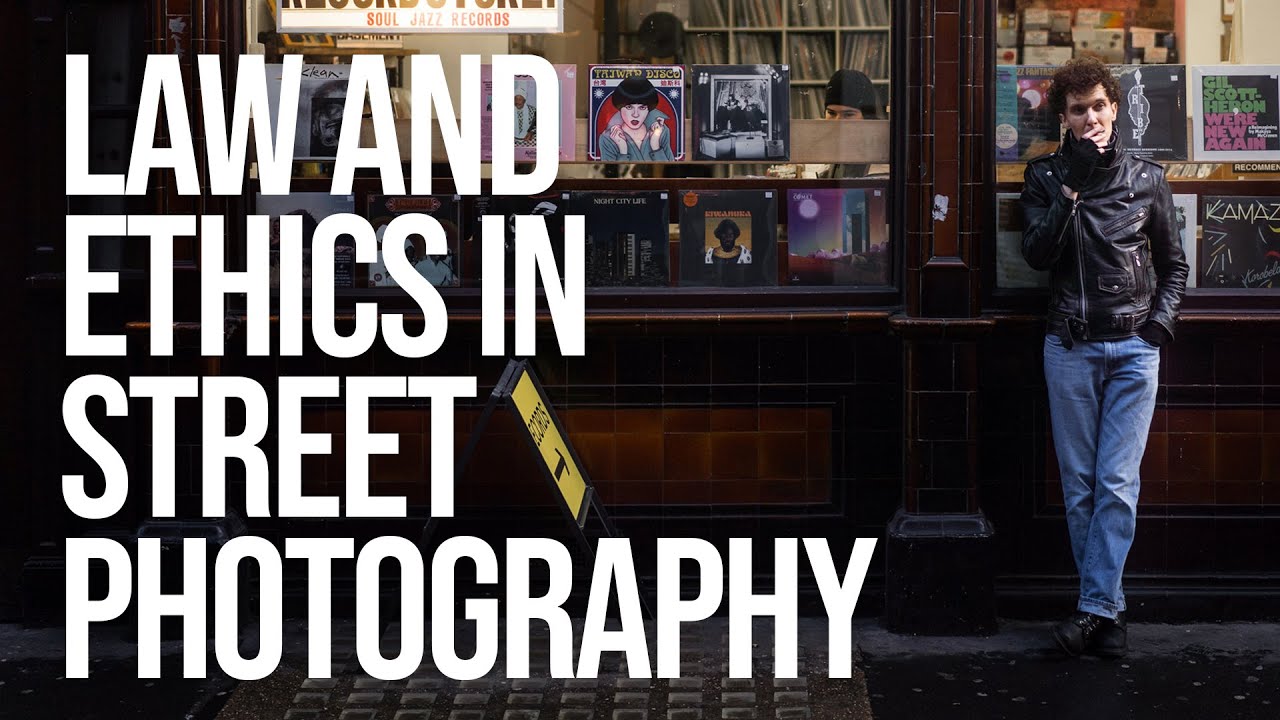
Every time I post a street photo on Instagram where someone’s face is clearly visible, I brace myself. Not because I’ve done anything wrong, but because the comments section turns into a courtroom. “Did you get their permission?” “Isn’t this illegal?” “What about GDPR?” I used to fumble through responses, half-confident in my answers. I knew enough to keep shooting, but not enough to explain myself clearly. That changed when I sat down with this Sean Tucker tutorial on law and ethics in street photography.

5 Photography Habits That Will Change How You See a Shot (Based on Peter McKinnon's Best Advice)

5 Photography Habits That Will Change How You See a Shot (Based on Peter McKinnon's Best Advice)

Every Sunday morning I take a photo walk through my neighborhood in Seattle. No agenda, no client, no pressure. Just me and whatever camera I feel like carrying that day, sometimes my mirrorless, sometimes honestly just my phone. And even after years of shooting professionally, I still catch myself falling into lazy habits: same eye level, same angle, same safe composition. Which is exactly why I sat down with this Peter McKinnon tutorial a while back and ended up taking notes like I was back in school.

Why a Golf Ball Might Be the Best Lighting Teacher You've Never Used

Why a Golf Ball Might Be the Best Lighting Teacher You've Never Used

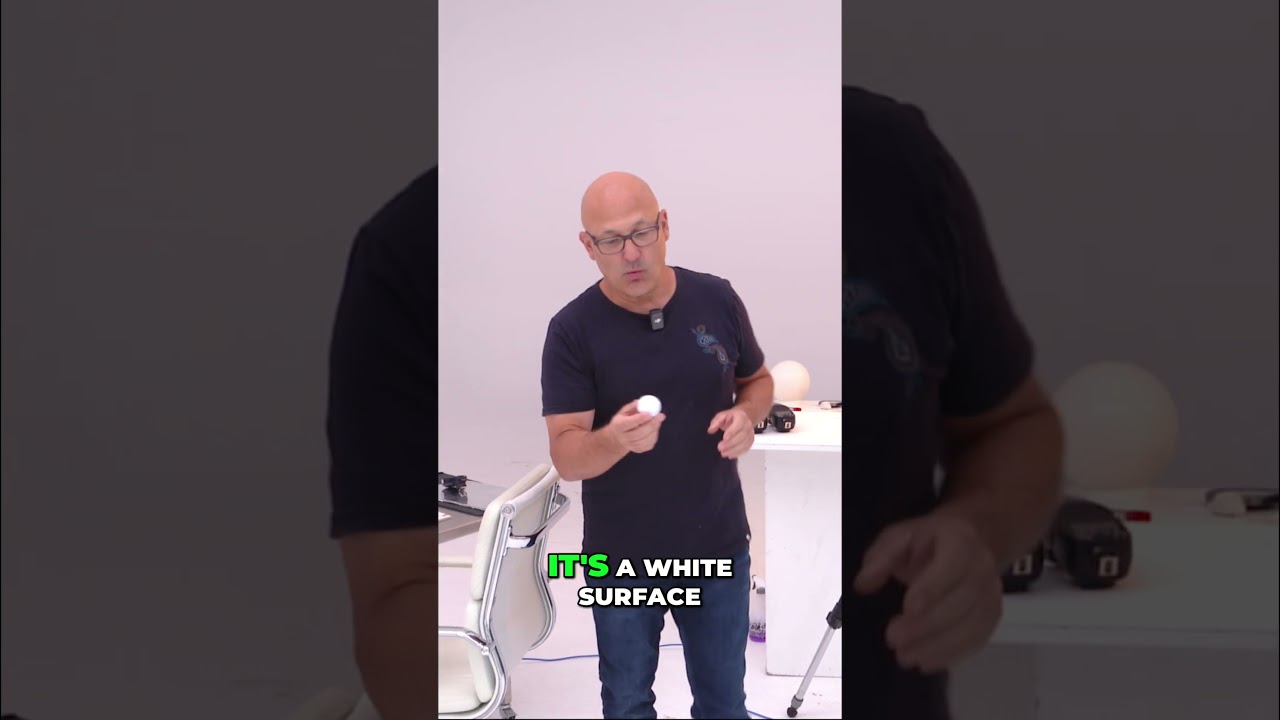
I’ve been photographing products on and off for years, mostly to supplement travel work during slow seasons. And the thing that tripped me up the longest wasn’t gear or editing. It was learning to read light before I set anything up. I’d arrange my softbox, place the subject, take a test shot, and then spend twenty minutes moving things two inches at a time wondering why it still looked flat. What I was missing was a simple, unforgiving subject that would show me exactly what the light was doing.

Why Changing Your Location Might Be the Best Photography Lesson You Never Planned

Why Changing Your Location Might Be the Best Photography Lesson You Never Planned

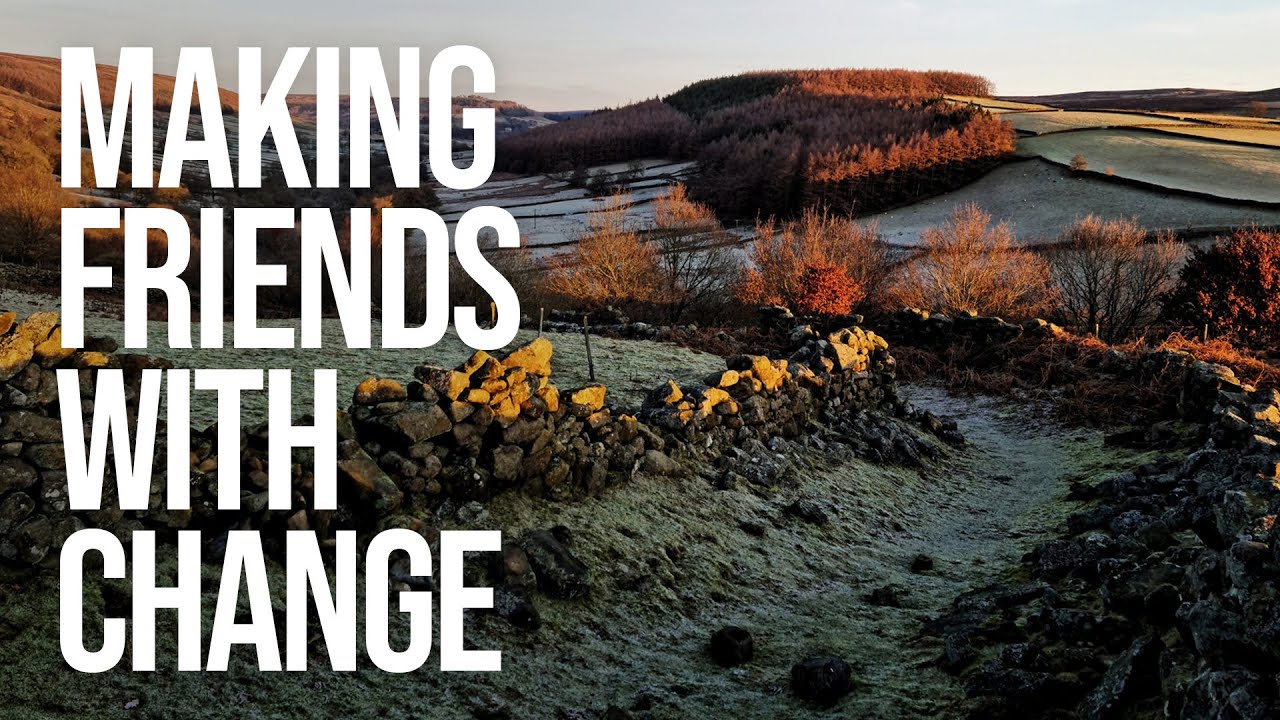
There’s a version of me from a few years ago who had Seattle completely figured out, photographically speaking. I knew which corners of Pike Place caught the best morning light, which rainy-day reflections looked best on Broadway, and exactly what time the ferries created that perfect silhouette against the sound. It felt like mastery. Looking back, it was actually a trap. I stumbled onto this exact idea while watching a recent tutorial from Sean Tucker, a photographer whose thoughtful, reflective approach to the craft I genuinely admire.

How the Distance Between Your Light and Subject Changes Everything (And Not Just Brightness)

How the Distance Between Your Light and Subject Changes Everything (And Not Just Brightness)

I’ve been shooting long enough to know that most lighting problems aren’t actually exposure problems. But I had to relearn that lesson recently when I was working on some indoor lifestyle shots and couldn’t figure out why two setups that looked identical on my histogram felt completely different in the final image. Same subject, same aperture, same shutter speed. One had this beautiful, sculpted quality to the shadows. The other looked flat in a way I couldn’t immediately explain.

The Light Size Rule That Changed How I Think About Every Single Shot

The Light Size Rule That Changed How I Think About Every Single Shot

Last week I was shooting a friend’s brand launch outdoors, and the light was doing that infuriating thing where it looked gorgeous to my eye but flat and clinical on the back of my camera. I had a speedlight in my bag, I had a small diffusion panel, and I still couldn’t figure out why the images felt lifeless. I knew the answer was somewhere in my understanding of light quality, but I couldn’t quite put my finger on the mechanical reason.

How Street Photography Became My Mental Health Practice (And How It Can Become Yours)

How Street Photography Became My Mental Health Practice (And How It Can Become Yours)

Every Sunday morning I do a photo walk. Rain, shine, or the classic Seattle grey drizzle that falls somewhere between both. I started this tradition partly for the creative practice, but I kept it going because of how I feel when I come home. Clearer. Quieter. Like something that was coiled up has been allowed to unwind. I didn’t have a good framework for explaining why that happened until I watched this interview.