
There’s a particular kind of guilt that creeps in when you’re a photographer walking through a city and you don’t take any photos. You tell yourself you were tired, the light was bad, you didn’t have the right lens. I’ve done this on my own Sunday morning photo walks here in Seattle more times than I’d like to admit. The camera’s around my neck and I’m just… walking. Not seeing. That habit of actively not shooting is something I’ve been working against for years, and it’s exactly what Watch the full tutorial on YouTube addresses so well.
In this Peter McKinnon tutorial, Peter sits down with filmmaker and photographer Jesse Driftwood for a “photo stories” conversation where they walk through five photos each and unpack the story behind how the image came to be. It’s part interview, part technique breakdown, and honestly one of the most honest conversations I’ve seen about why we take pictures and what gets in the way. Jesse, despite being a skilled photographer, admits he doesn’t shoot enough stills. Peter gives him constant grief about it. That tension between knowing you should shoot more and actually doing it is real, and watching two working creatives name it out loud is useful.
What you’ll take away from this isn’t a Lightroom preset or a camera setting. It’s a framework for how to think about your images differently, and how to start building the habit of actually making photographs instead of just being around cameras.
Step 1: Recognize the Shots You’re Already Walking Past
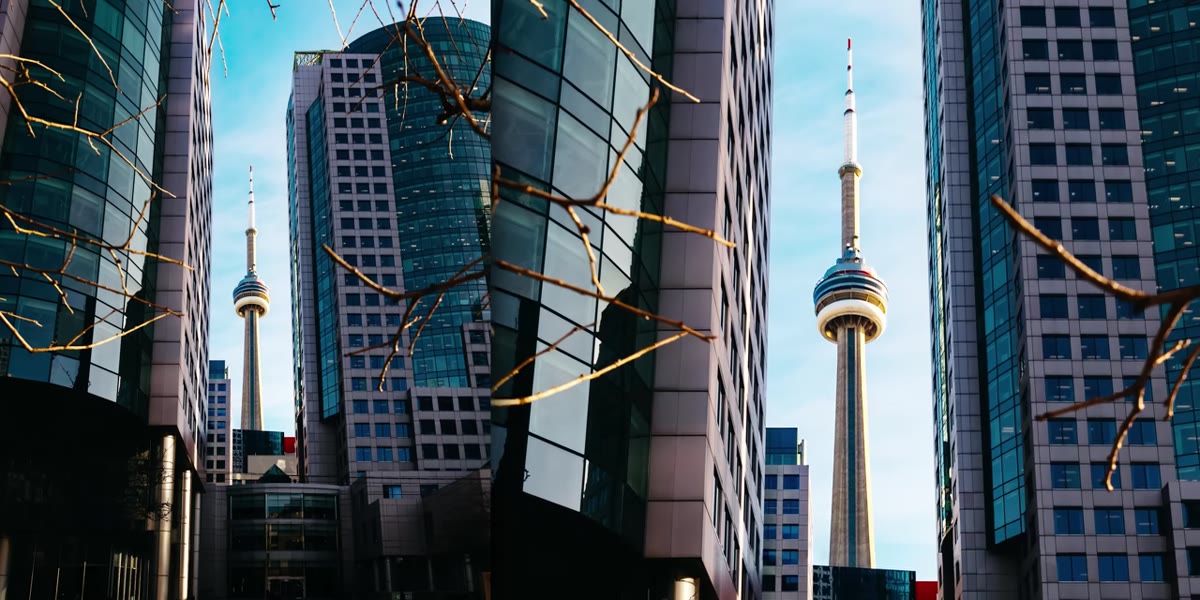 Jesse describing spotting the CN Tower framed in a city gap
Jesse tells a story about walking between events in Toronto when he looked up and noticed a perfectly framed view of the CN Tower through a gap in the buildings. He had walked that city plenty of times before. He’d never noticed that spot. The only difference that day was that he was thinking like a photographer.
Jesse describing spotting the CN Tower framed in a city gap
Jesse tells a story about walking between events in Toronto when he looked up and noticed a perfectly framed view of the CN Tower through a gap in the buildings. He had walked that city plenty of times before. He’d never noticed that spot. The only difference that day was that he was thinking like a photographer.
This is the first and most transferable lesson from the whole conversation: the shot was always there. Your job on any given walk, commute, or errand is to switch your brain into “noticing mode.” One practical way I do this is to pick one single constraint before I leave the house. Something like “I’m only shooting reflections today” or “everything has to be framed by something else.” Constraints force you to look harder at what’s already in front of you, and that’s exactly the instinct Jesse was exercising.
Step 2: Take the Photo Even When It Feels “Standard”
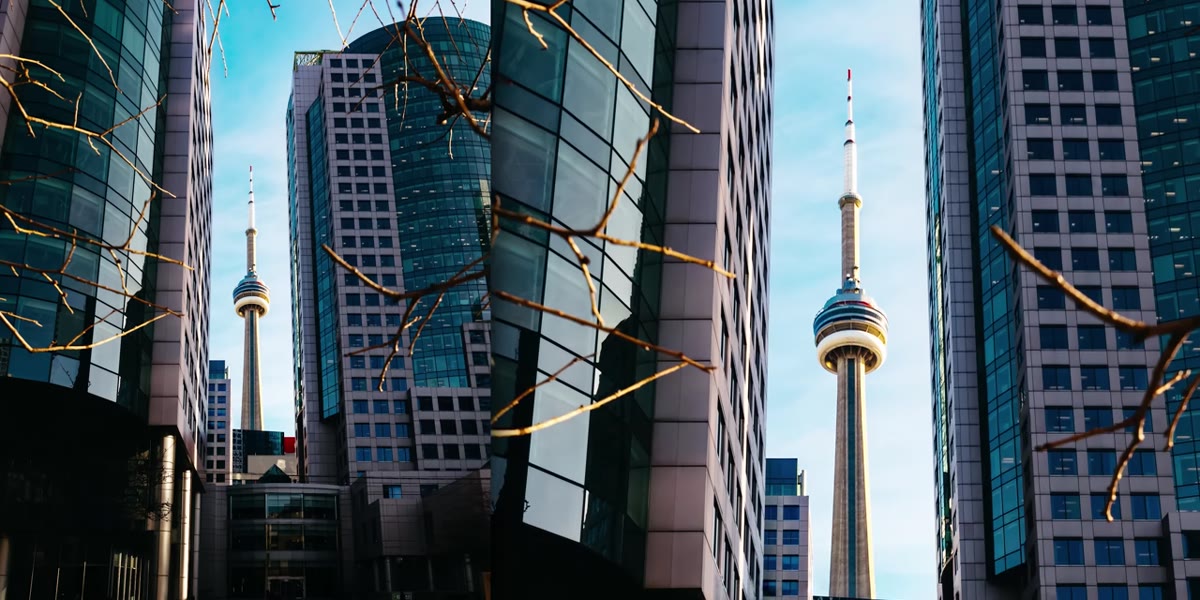 Peter describing the CN Tower photo as a nice but standard shot
Peter describes Jesse’s CN Tower image as a technically solid but not groundbreaking shot. Bright, well-balanced, saturated. He says it plainly: it’s nothing special as a photograph. But that’s not the point. The point is that Jesse stopped, composed it, and pressed the shutter instead of thinking “eh, everyone’s taken that photo.”
Peter describing the CN Tower photo as a nice but standard shot
Peter describes Jesse’s CN Tower image as a technically solid but not groundbreaking shot. Bright, well-balanced, saturated. He says it plainly: it’s nothing special as a photograph. But that’s not the point. The point is that Jesse stopped, composed it, and pressed the shutter instead of thinking “eh, everyone’s taken that photo.”
This matters because the instinct to skip a shot because it feels too common is one of the most reliable ways to stop growing. Every photographer has shot a cliche angle. What separates the ones who improve is that they shoot it anyway, and then they start asking what would make it less cliche next time. Don’t let “someone’s already taken this” be a reason to put your camera away. Take the obvious version, then look for the less obvious one right next to it.
Step 3: Let the Story Live in Your Post-Processing Too
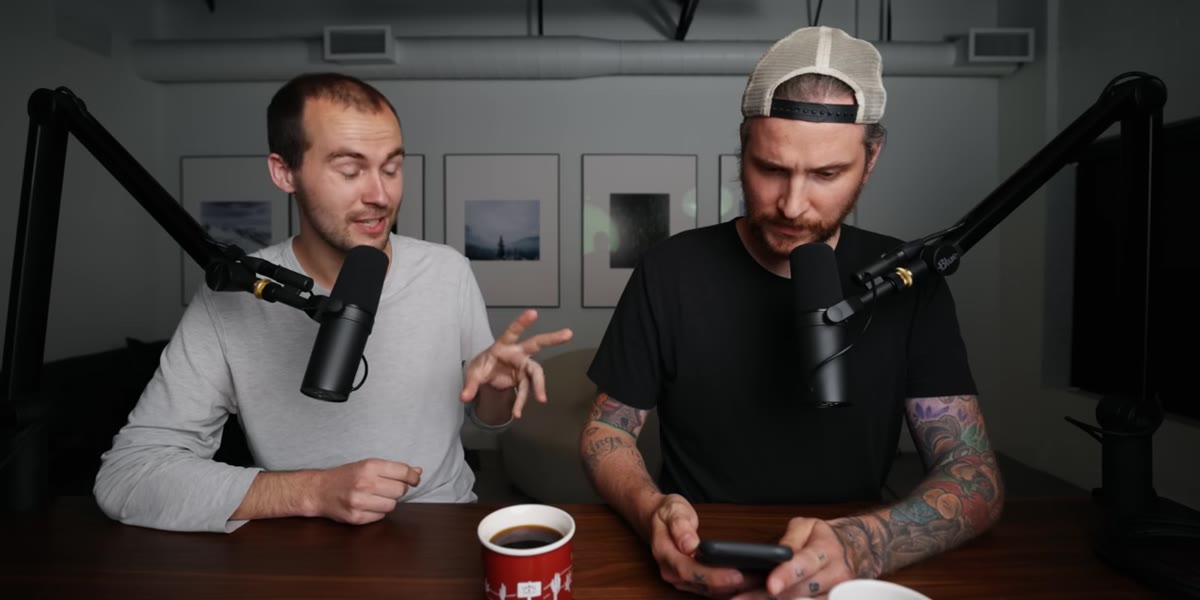 Peter noting the photo’s memory extends into post-production
Peter makes a point I find really valuable: the memory of a photo lives in both the taking of it and the editing of it. When he looks back at that CN Tower image, he remembers the event he came from, the walk through the city, and the specific editing session afterward. The post-processing isn’t separate from the story. It’s part of it.
Peter noting the photo’s memory extends into post-production
Peter makes a point I find really valuable: the memory of a photo lives in both the taking of it and the editing of it. When he looks back at that CN Tower image, he remembers the event he came from, the walk through the city, and the specific editing session afterward. The post-processing isn’t separate from the story. It’s part of it.
Practically, this means your editing choices should be intentional enough to be memorable. When you sit down with an image, ask yourself: what was the mood of that moment? Was it chaotic and warm, or quiet and cool? Let that inform your tone and color decisions rather than reaching for a preset that has nothing to do with how the moment actually felt. Your edits are part of the story you’re telling.
Step 4: Build Accountability Into Your Shooting Habit
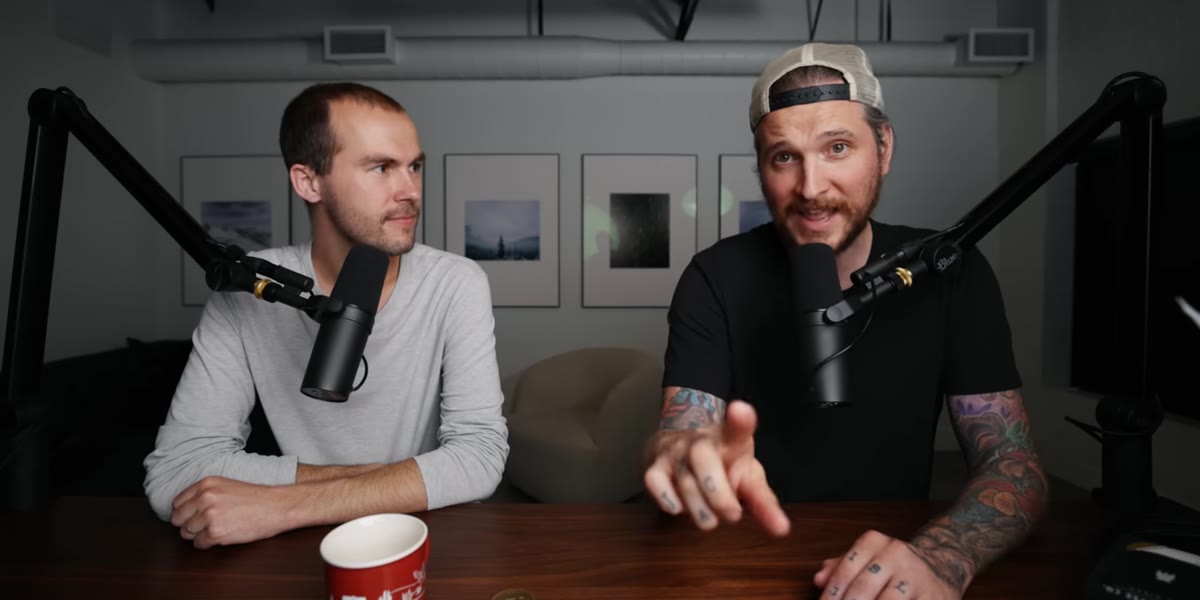 Peter calling out Jesse for not shooting enough photos regularly
One of the most candid moments in the video is Peter telling Jesse, in front of a camera, that he consistently doesn’t shoot enough. Jesse doesn’t argue. He agrees. And the reason it keeps coming up is that Jesse has the skill but not the habit.
Peter calling out Jesse for not shooting enough photos regularly
One of the most candid moments in the video is Peter telling Jesse, in front of a camera, that he consistently doesn’t shoot enough. Jesse doesn’t argue. He agrees. And the reason it keeps coming up is that Jesse has the skill but not the habit.
Skill without habit means your best work is random. If you’re like Jesse (and honestly, like most of us), you need some kind of external pressure to keep the reps up. That might be a weekly photo walk, a 30-day shooting challenge, or even just one photographer friend who will call you out when you go two weeks without posting anything new. I started teaching photography partly because explaining what I was doing forced me to keep doing it consistently. Find your version of that accountability loop.
Step 5: Use Every Shoot to Build a Relationship With Your Own Style
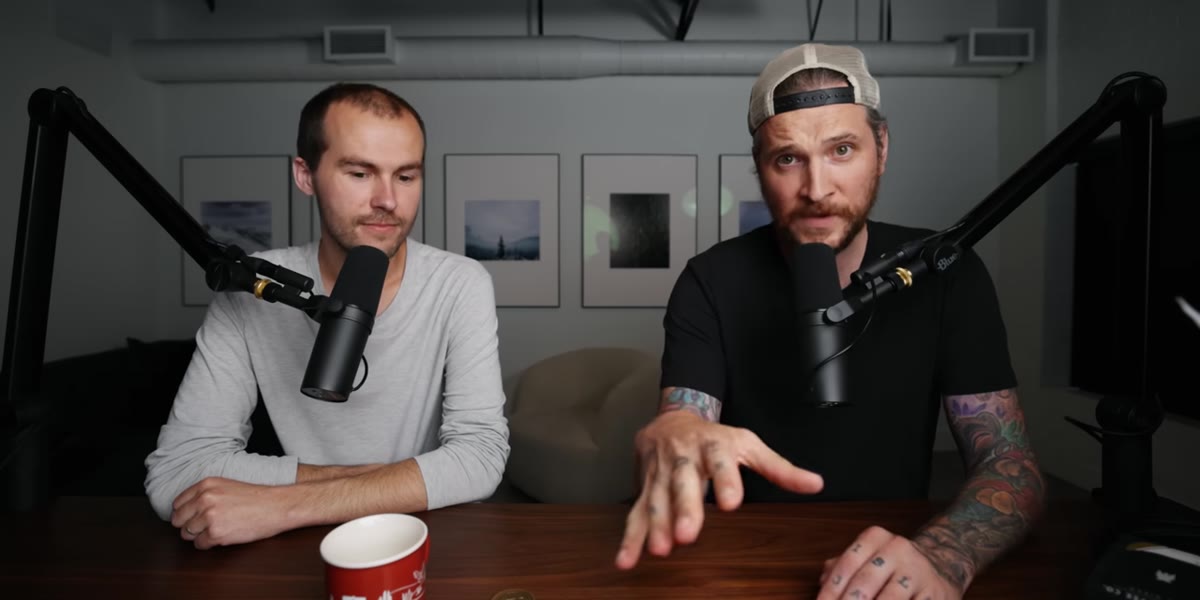 Peter praising Jesse’s photography as equal to his filmmaking skill
Peter’s argument for why Jesse should shoot more stills isn’t just “practice makes perfect.” It’s that Jesse’s photographic voice is already strong, and the only thing holding him back from owning it is volume. He’s not shooting enough images to see his own patterns, preferences, and instincts reflected back at him.
Peter praising Jesse’s photography as equal to his filmmaking skill
Peter’s argument for why Jesse should shoot more stills isn’t just “practice makes perfect.” It’s that Jesse’s photographic voice is already strong, and the only thing holding him back from owning it is volume. He’s not shooting enough images to see his own patterns, preferences, and instincts reflected back at him.
This is how you figure out what your style actually is. Not by copying someone else’s preset or composition rule, but by taking enough photos that themes start to emerge. You start noticing you’re always drawn to harsh shadows, or you always crop tighter than you think you should, or you always come home with photos of strangers from behind. Those patterns are your style talking to you. The only way to hear them is to keep shooting.
One Thing I’d Add From My Own Experience
The conversation between Peter and Jesse is warm and funny and genuinely useful, but it mostly covers the “what” of taking more photos rather than the “how to actually start.” Here’s what has worked for me: I treat my Sunday photo walk like a non-negotiable appointment. I have a playlist specifically for it, something with enough momentum to keep me moving but not so distracting I stop noticing things. I bring whatever camera I feel like that day, sometimes my mirrorless kit, sometimes just my phone. The consistency of showing up every week, regardless of conditions or gear, has taught me more about my own eye than any single technique I’ve ever learned.
The goal isn’t to come home with a gallery-ready shot every time. The goal is to stay fluent in the language of looking.
The single most important thing Peter and Jesse’s conversation gives you is permission to treat ordinary, unspectacular photos as worth taking. Not every frame needs to justify your equipment or your skill level. Some photos are just the record of a Tuesday afternoon when you were paying attention. Taken together, those photos add up to something real.
Watch the full tutorial on YouTube and listen especially to how both of them talk about the context surrounding each image. The stories behind the photos are the lesson.
Comments (3)
Simple but effective. Sometimes that's all you need.
Great breakdown. The step-by-step approach really helps.
This is exactly what I needed today. Been struggling with this for weeks.
Leave a Comment