How the Distance Between Your Light and Subject Changes Everything (And Not Just Brightness)

How the Distance Between Your Light and Subject Changes Everything (And Not Just Brightness)

I’ve been shooting long enough to know that most lighting problems aren’t actually exposure problems. But I had to relearn that lesson recently when I was working on some indoor lifestyle shots and couldn’t figure out why two setups that looked identical on my histogram felt completely different in the final image. Same subject, same aperture, same shutter speed. One had this beautiful, sculpted quality to the shadows. The other looked flat in a way I couldn’t immediately explain.
The Light Size Rule That Changed How I Think About Every Single Shot

The Light Size Rule That Changed How I Think About Every Single Shot

Last week I was shooting a friend’s brand launch outdoors, and the light was doing that infuriating thing where it looked gorgeous to my eye but flat and clinical on the back of my camera. I had a speedlight in my bag, I had a small diffusion panel, and I still couldn’t figure out why the images felt lifeless. I knew the answer was somewhere in my understanding of light quality, but I couldn’t quite put my finger on the mechanical reason.

How Street Photography Became My Mental Health Practice (And How It Can Become Yours)

How Street Photography Became My Mental Health Practice (And How It Can Become Yours)

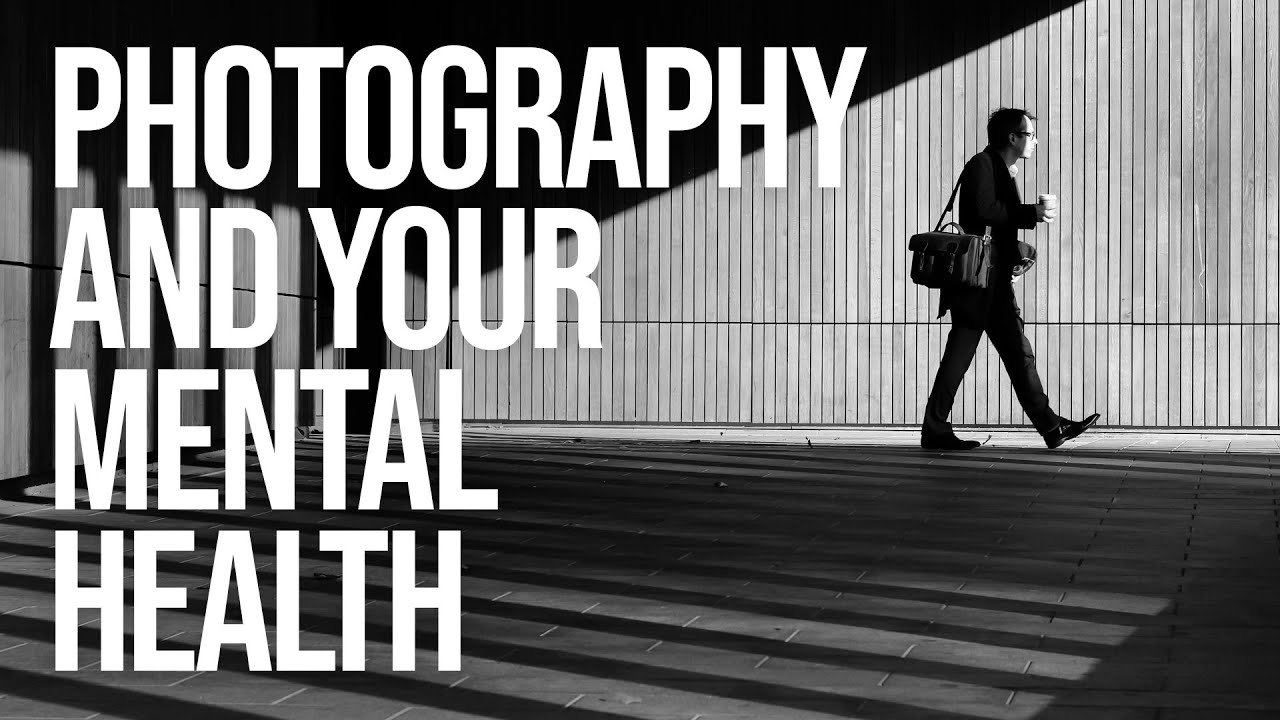
Every Sunday morning I do a photo walk. Rain, shine, or the classic Seattle grey drizzle that falls somewhere between both. I started this tradition partly for the creative practice, but I kept it going because of how I feel when I come home. Clearer. Quieter. Like something that was coiled up has been allowed to unwind. I didn’t have a good framework for explaining why that happened until I watched this interview.

Your iPhone Is Too Good at Photography (And That's the Problem)

Your iPhone Is Too Good at Photography (And That's the Problem)

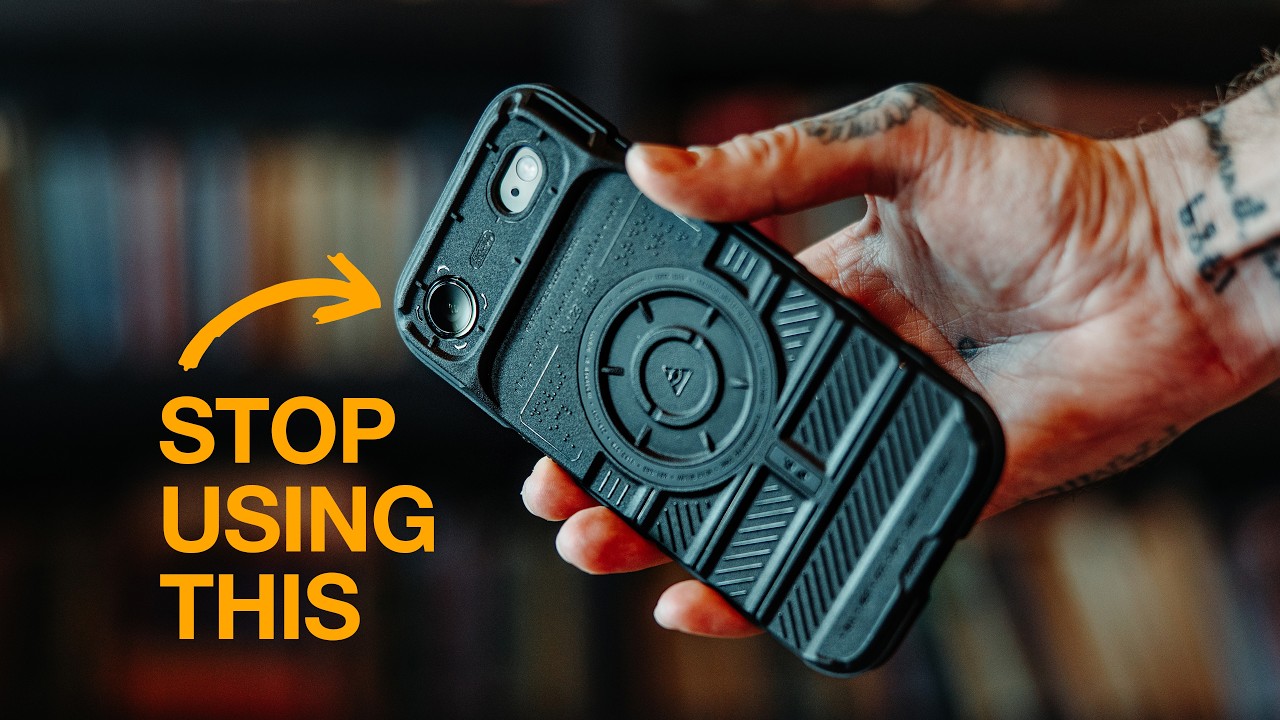
Every few months I catch myself defaulting back to my phone. Not because my mirrorless is too heavy to carry, but because the iPhone just works. It’s fast, it’s always in my pocket, and honestly, the results look good enough to post without touching them in Lightroom. That convenience, I’ve come to realize, is exactly the trap. Watch the full tutorial on YouTube In this Peter McKinnon video, he sits down with a fellow photographer and drops what he calls a hot take: the iPhone isn’t a real camera, and we should stop treating it like one.

How to Use Adobe Camera Raw as a Full Editing Suite Inside Photoshop

How to Use Adobe Camera Raw as a Full Editing Suite Inside Photoshop

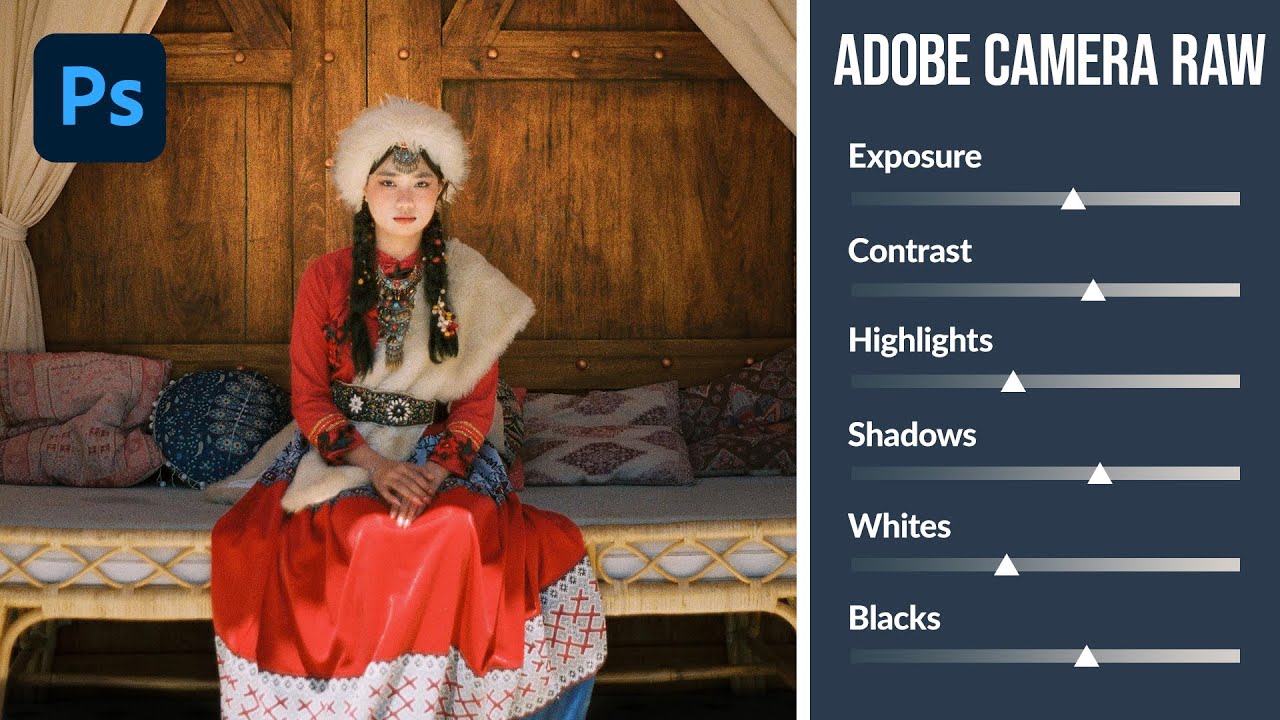
If you’ve ever felt like Lightroom and Photoshop exist in two separate universes that you have to keep shuttling between, this workflow is going to feel like a relief. For years I edited portraits in Lightroom, exported a TIFF, dragged it into Photoshop for any compositing or retouching work, then realized I needed to tweak the exposure again and had to start the whole round-trip over. It was tedious, and honestly it made me avoid certain edits just because the back-and-forth wasn’t worth it.

Why Encouraging Other Photographers Is One of the Most Powerful Things You Can Do

Why Encouraging Other Photographers Is One of the Most Powerful Things You Can Do

There’s a version of photography culture that feels like a competition. Whose gear is better, whose edit is cleaner, whose follower count is climbing faster. I spent my first couple of years shooting in that headspace, quietly comparing myself to everyone and saying very little to the people around me. What changed things wasn’t a new lens or a Lightroom preset. It was a stranger at a coffee shop asking how I got a particular shot, and me actually sitting down and explaining it.

Why Your Edited Photos Look Flat (And the Lightroom Technique That Fixed It for Me)

Why Your Edited Photos Look Flat (And the Lightroom Technique That Fixed It for Me)

For a long time, I had a complicated relationship with photo editing. I’d come home from a Sunday morning photo walk with images I was genuinely excited about, sit down at my desk, open Lightroom, and immediately feel the enthusiasm drain out of me. I knew the tools were there. I just didn’t know what I was actually trying to do with them beyond making things brighter and hoping for the best.

How to Stop Being Invisible and Start Owning the Street: Body Language Lessons from a Pro

How to Stop Being Invisible and Start Owning the Street: Body Language Lessons from a Pro

There is a specific kind of photograph I have almost never taken, and for years I told myself it was a style choice. I preferred quiet, graphic, geometry-forward street work. Clean lines, long shadows, anonymous silhouettes. Honestly, some of that is true. But if I’m being real, some of it was also avoidance. Getting close to strangers with a camera strapped around your neck is uncomfortable, and if you can build an aesthetic identity around not doing the scary thing, it’s easy to convince yourself you’re being intentional when you’re actually just being cautious.

The 4-Step Composition Process That Changed How I Read a Scene

The 4-Step Composition Process That Changed How I Read a Scene

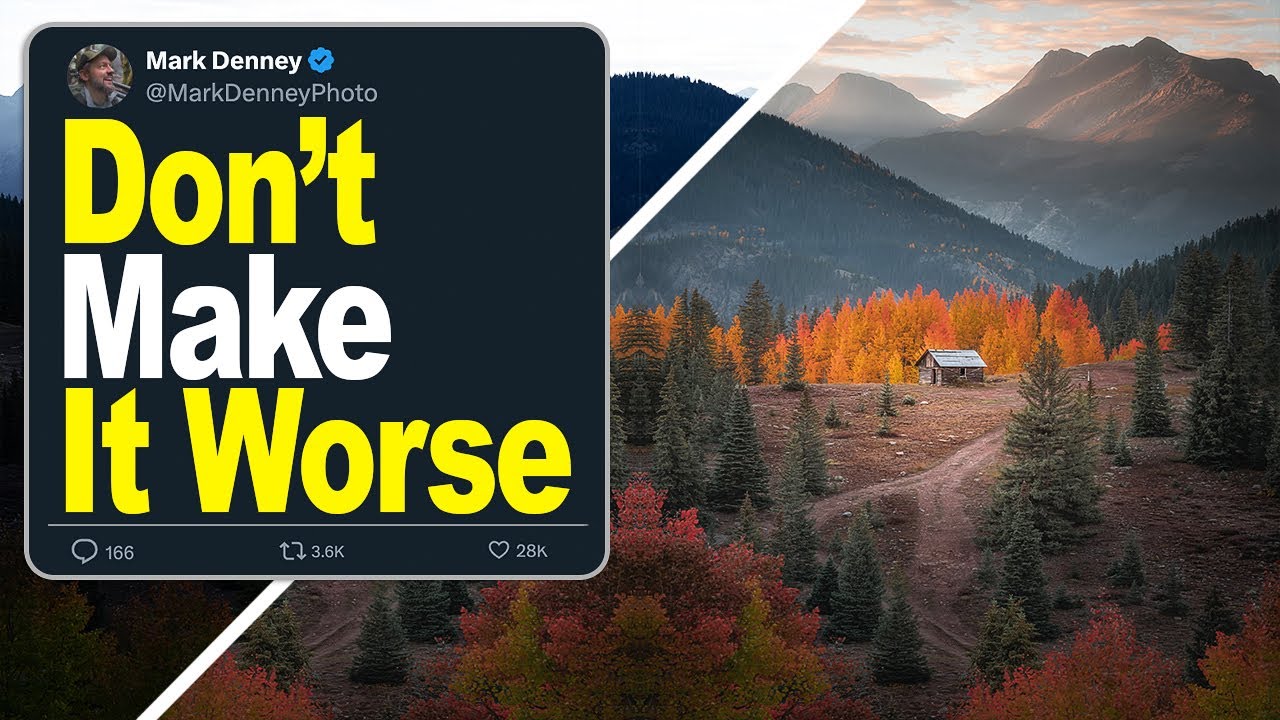
Every Sunday morning I do a photo walk. No agenda, no client, no pressure. Just me, whatever camera I feel like grabbing, and whatever Seattle decides to look like that day. And for years, I would show up to a location, pull out my camera within about 30 seconds, and start shooting. I thought I was being efficient. What I was actually doing was skipping the most important part. I came across a tutorial by landscape photographer Mark Denney where he breaks down his four-step process for finding and building a strong composition on location.

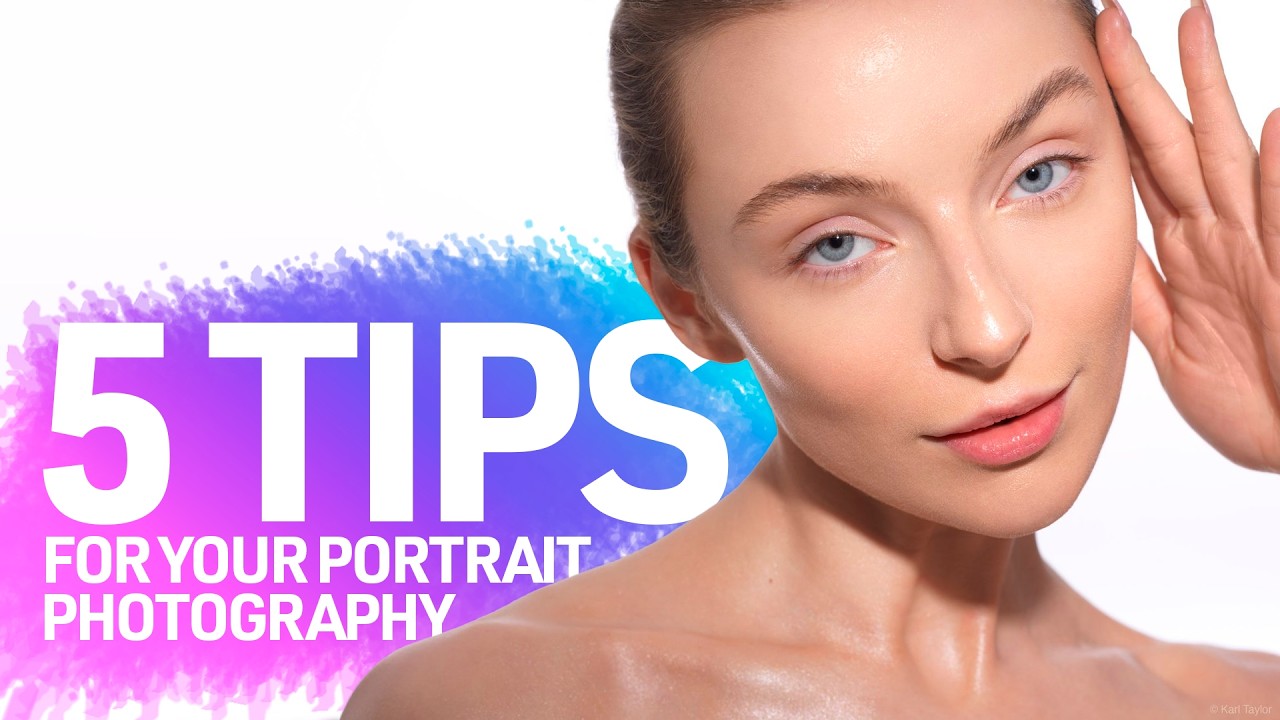
Karl Taylor's 5 Portrait Photography Tips (And What I'd Add From the Field)

Karl Taylor's 5 Portrait Photography Tips (And What I'd Add From the Field)

Portrait sessions used to make me genuinely nervous — not because of the camera settings, but because of everything happening on the other side of the lens. I’d spend so much mental energy on my lighting ratios that by the time my subject arrived, I was distracted and they could feel it. The photos showed it too. Stiff expressions, guarded eyes, that unmistakable look of someone who just wants to get it over with.

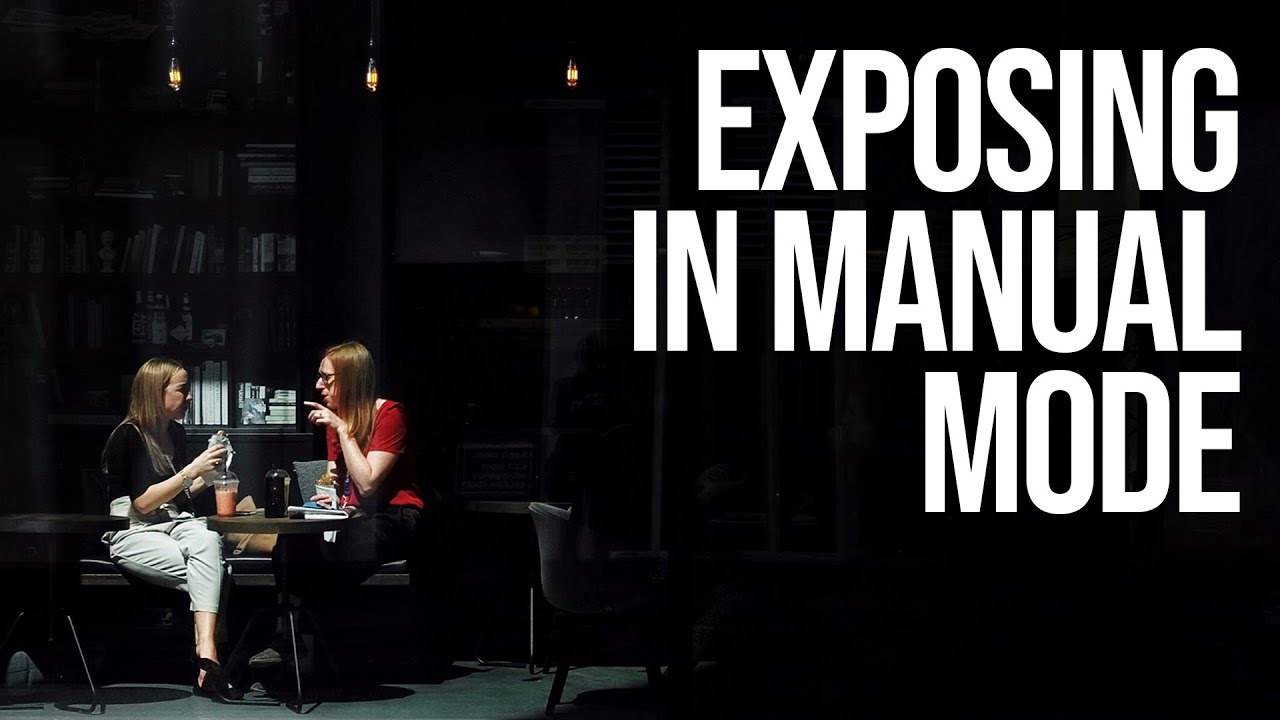
Stop Guessing Your Exposure: A Working Photographer's Guide to Manual Mode

Stop Guessing Your Exposure: A Working Photographer's Guide to Manual Mode

Every Sunday morning I take a photo walk through my neighborhood in Seattle, and for the first two years of doing that, I was fighting my camera the whole time. I’d dial in aperture priority, watch the meter, and still come home with a card full of images where the bright sky was blown out or the shadows turned to mud. I kept tweaking exposure compensation, guessing, compensating again. It felt like negotiating with someone who didn’t speak my language.

Stop Guessing Exposure: A Practical Guide to Camera Metering Modes

Stop Guessing Exposure: A Practical Guide to Camera Metering Modes

Every Sunday morning I take a photo walk through Seattle, and I still run into the same exposure problem I had when I first picked up a camera: a bright sky blowing out behind a subject, or a dark foreground turning everything murky. I spent a long time thinking I was doing something wrong with my settings, when the real issue was that I didn’t fully understand what my camera was actually measuring when it tried to set the exposure for me.