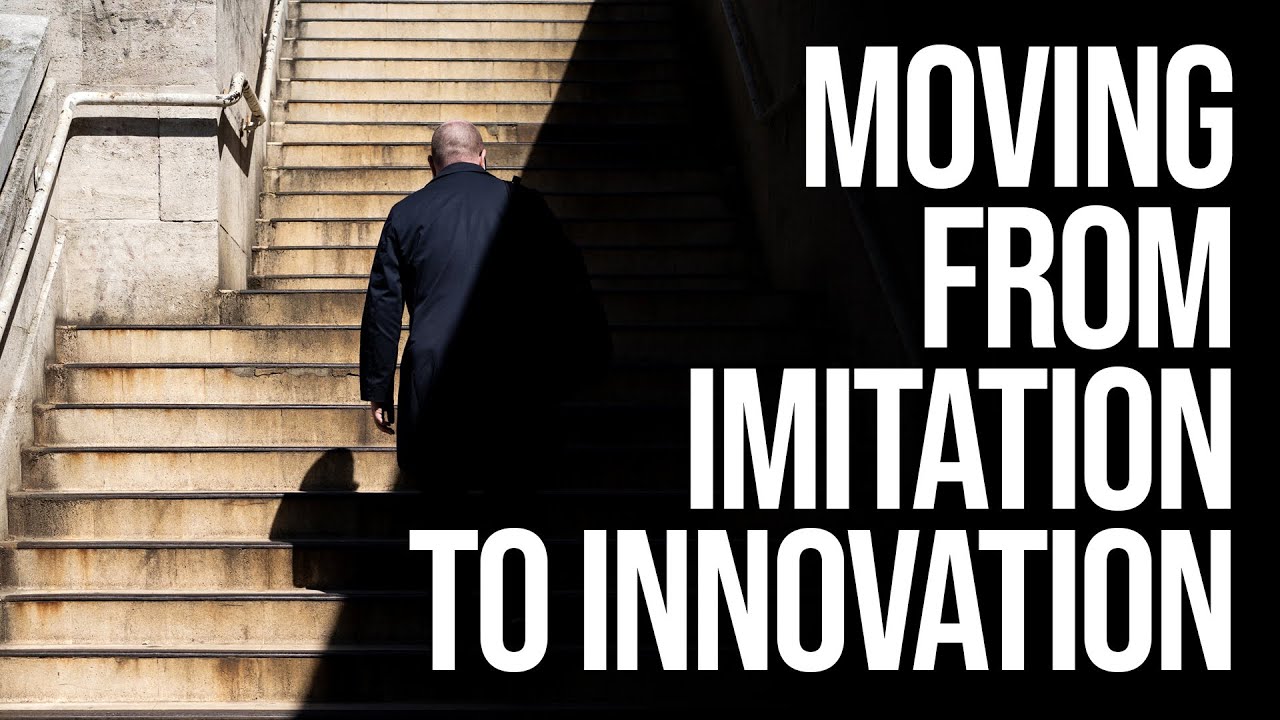
Every Sunday morning I do a photo walk around my Seattle neighborhood, and for a long time I’d come home, edit the shots, and feel like something was off. The images were technically fine but they felt borrowed. Like I was wearing someone else’s jacket. I knew I was imitating photographers I admired, but I wasn’t doing it with any real intention. I was just absorbing influences at random and wondering why nothing felt like mine.
That changed when I watched Sean Tucker work through this exact question in his tutorial on imitation and creative development. Watch the full tutorial on YouTube. Tucker is one of those educators who talks about photography the way a thoughtful mentor would, not like a gear reviewer or a technique robot. This particular video gets at something I wish someone had laid out for me when I was starting out: imitation is not a shortcut or a moral failing. It’s a stage. The problem is most of us never think carefully about how to use it well, or when to move past it.
What follows is a breakdown of Tucker’s framework, rewritten into steps you can actually put into practice. This is less about camera settings and more about how you structure your creative learning. That said, it’s some of the most useful photographic advice I’ve encountered.
Step 1: Accept That Imitation Is a Legitimate Learning Tool
 Tucker speaking to camera about beginner photographers copying others
When you’re starting out, copying another photographer’s work is not only okay, it’s one of the most efficient ways to develop your eye. Tucker makes the point that this is simply how humans learn: we observe, we attempt to replicate, we adjust. Think about how you learned to cook, or drive, or write. You followed someone else’s lead first. Photography is no different. If you’ve been quietly embarrassed that your early shots look a lot like someone whose work you follow, let that go. It’s a sign you’re paying attention.
Tucker speaking to camera about beginner photographers copying others
When you’re starting out, copying another photographer’s work is not only okay, it’s one of the most efficient ways to develop your eye. Tucker makes the point that this is simply how humans learn: we observe, we attempt to replicate, we adjust. Think about how you learned to cook, or drive, or write. You followed someone else’s lead first. Photography is no different. If you’ve been quietly embarrassed that your early shots look a lot like someone whose work you follow, let that go. It’s a sign you’re paying attention.
Step 2: Choose Multiple Photographers as Your Targets, Not Just One
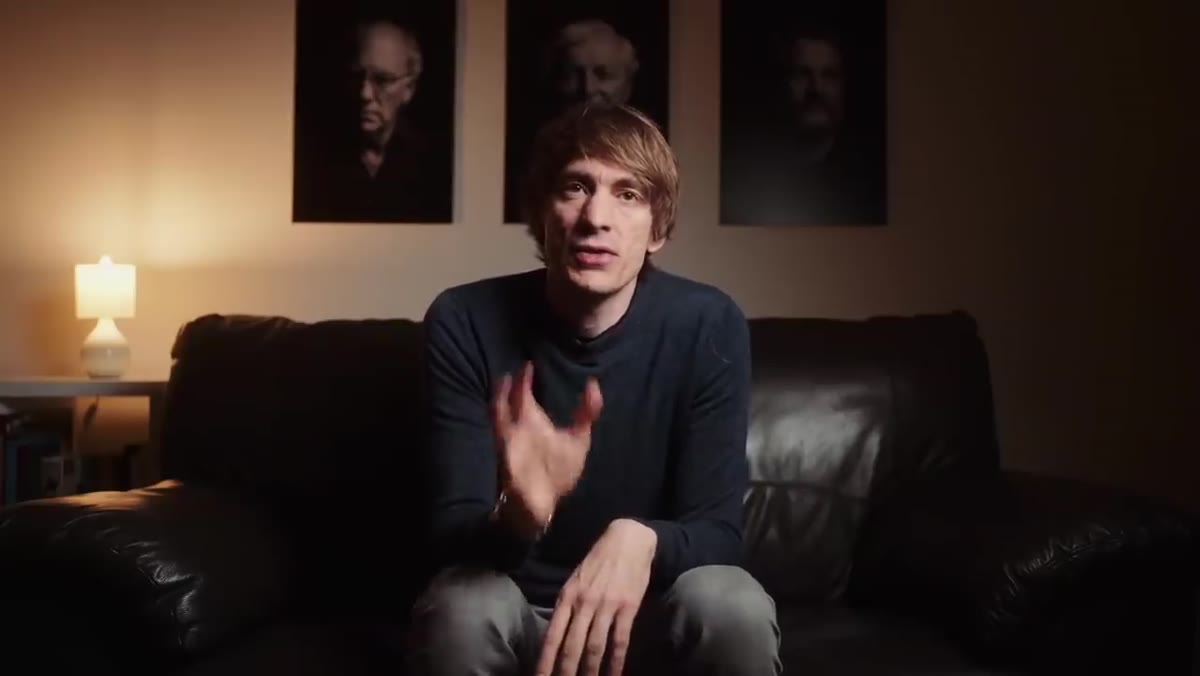 Tucker listing photographers he studied across different genres
Here’s where most beginners make a costly mistake, and I made it too. We fall hard for one photographer and try to replicate everything they do while ignoring everything else out there. Tucker is clear about the risk here: if you follow a single photographer too closely, you may come out of that learning phase with a narrow skill set that’s basically a diluted copy of someone else’s voice. Instead, pick a small group of photographers whose work genuinely moves you, and use each of them as a separate target. Tucker himself studied portrait photographers like Steve McCurry and Irving Penn for their use of natural light and human connection, while separately studying street photographers like Fan Ho and Ray Metzker for their bold use of contrast and shadow. These weren’t the same lessons, and drawing from both made him more versatile.
Tucker listing photographers he studied across different genres
Here’s where most beginners make a costly mistake, and I made it too. We fall hard for one photographer and try to replicate everything they do while ignoring everything else out there. Tucker is clear about the risk here: if you follow a single photographer too closely, you may come out of that learning phase with a narrow skill set that’s basically a diluted copy of someone else’s voice. Instead, pick a small group of photographers whose work genuinely moves you, and use each of them as a separate target. Tucker himself studied portrait photographers like Steve McCurry and Irving Penn for their use of natural light and human connection, while separately studying street photographers like Fan Ho and Ray Metzker for their bold use of contrast and shadow. These weren’t the same lessons, and drawing from both made him more versatile.
Practically speaking: open a folder on your phone or desktop and save 10 to 15 images from three to five photographers you admire. Look at them often. Let each one teach you something different.
Step 3: Use Their Work as a Target, Not a Template
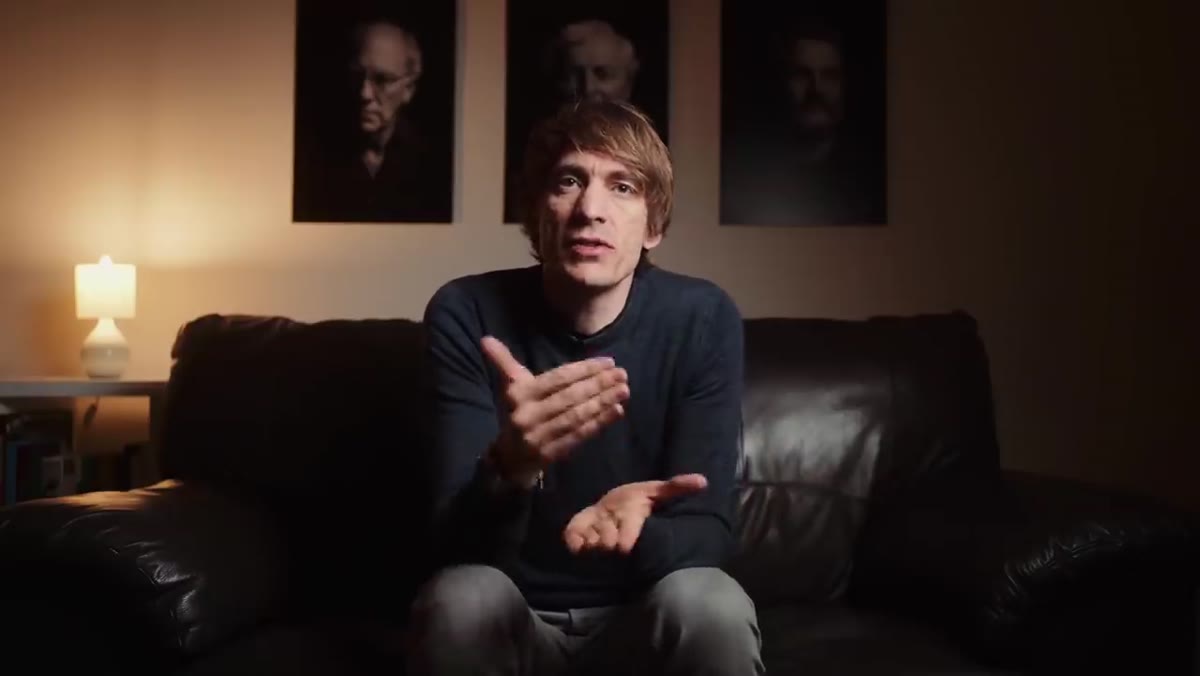 Tucker explaining the concept of setting targets you won’t fully reach
There’s an important mindset shift here. The goal of imitating a photographer you admire is not to produce an identical image. You probably can’t, and that’s actually the point. Tucker describes these photographers as targets: something to aim at that pulls you forward and teaches you new things in the attempt. You’re not supposed to arrive. You’re supposed to learn everything that happens between here and there. So when you go out to shoot, bring one of those reference images with you mentally and ask yourself: what is this photographer doing with light? With framing? With the relationship between subject and background? Then try to do that. You’ll fall short. That shortfall is the lesson.
Tucker explaining the concept of setting targets you won’t fully reach
There’s an important mindset shift here. The goal of imitating a photographer you admire is not to produce an identical image. You probably can’t, and that’s actually the point. Tucker describes these photographers as targets: something to aim at that pulls you forward and teaches you new things in the attempt. You’re not supposed to arrive. You’re supposed to learn everything that happens between here and there. So when you go out to shoot, bring one of those reference images with you mentally and ask yourself: what is this photographer doing with light? With framing? With the relationship between subject and background? Then try to do that. You’ll fall short. That shortfall is the lesson.
Step 4: Identify What Specifically You’re Trying to Learn From Each Influence
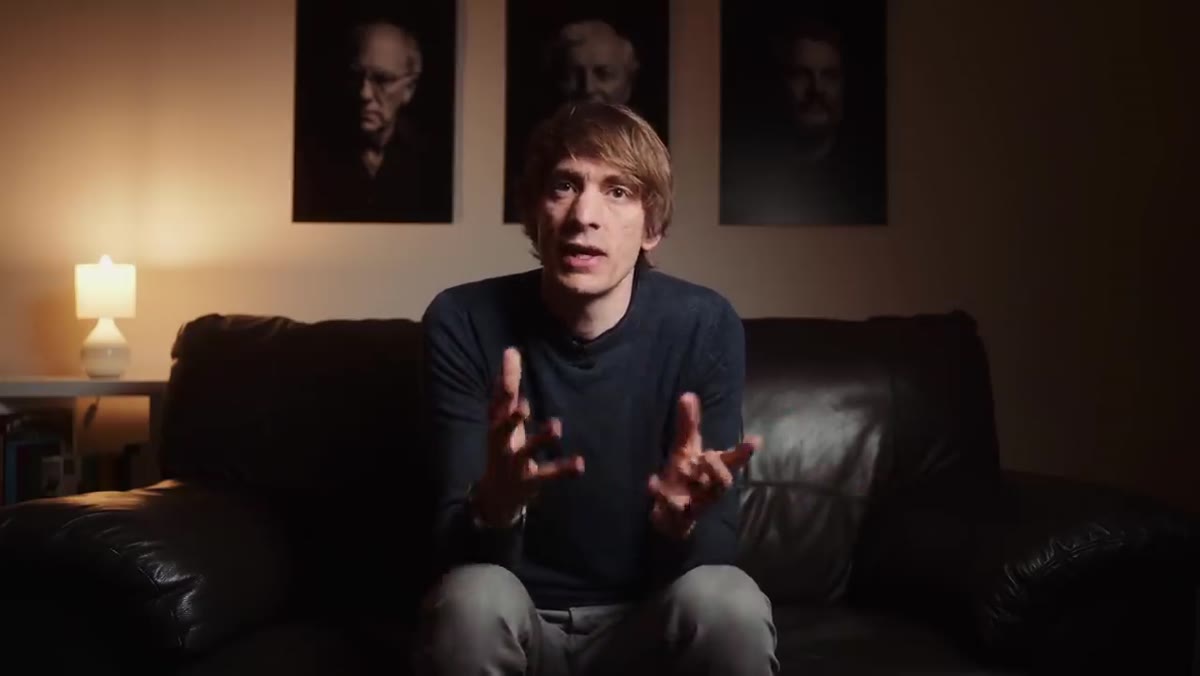 Tucker describing specific qualities he sought from different photographers
Vague admiration doesn’t produce growth. If you love a photographer’s work but can’t articulate why, you’re not going to learn much from trying to imitate them. Tucker breaks his own influences down by specific quality: humanity and sensitivity in light from portrait photographers, dramatic shadow and surrealism from street photographers. When you choose your targets, write down one or two sentences about what you’re specifically studying from each person. Is it their use of golden hour backlight? Their framing of negative space? The way they direct subjects? Getting specific turns admiration into a curriculum.
Tucker describing specific qualities he sought from different photographers
Vague admiration doesn’t produce growth. If you love a photographer’s work but can’t articulate why, you’re not going to learn much from trying to imitate them. Tucker breaks his own influences down by specific quality: humanity and sensitivity in light from portrait photographers, dramatic shadow and surrealism from street photographers. When you choose your targets, write down one or two sentences about what you’re specifically studying from each person. Is it their use of golden hour backlight? Their framing of negative space? The way they direct subjects? Getting specific turns admiration into a curriculum.
Step 5: Notice When Imitation Stops Helping You Grow
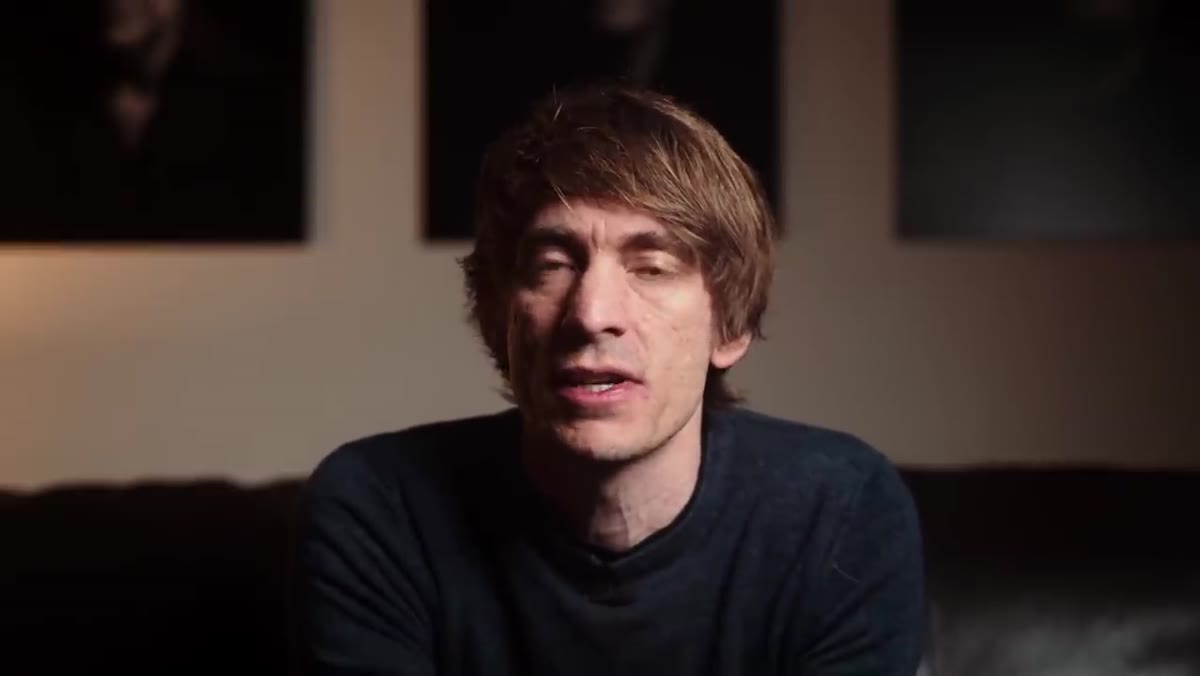 Tucker explaining when copying becomes a limitation rather than a tool
There’s a clear inflection point Tucker describes, and I think it’s one of the most practically useful things in the video. Imitation stops being useful when it becomes a substitute for developing your own perspective rather than a path toward one. This usually shows up in one of two ways. Either you feel creatively stuck, like you’re spinning in someone else’s orbit without moving forward, or you start making deliberate choices based on your own instincts and realize they’re pulling you away from your reference points. Both of those are healthy signs. The first is a warning; the second is graduation.
Tucker explaining when copying becomes a limitation rather than a tool
There’s a clear inflection point Tucker describes, and I think it’s one of the most practically useful things in the video. Imitation stops being useful when it becomes a substitute for developing your own perspective rather than a path toward one. This usually shows up in one of two ways. Either you feel creatively stuck, like you’re spinning in someone else’s orbit without moving forward, or you start making deliberate choices based on your own instincts and realize they’re pulling you away from your reference points. Both of those are healthy signs. The first is a warning; the second is graduation.
For me, the moment I started trusting my own eye was when I stopped asking “would this fit a photographer I love?” and started asking “does this feel true to what I actually see?” Those are different questions, and the second one is yours alone to answer.
A Note From My Own Experience: Give Yourself Permission to Outgrow Your Heroes
Something Tucker doesn’t say directly but that I’d add from years of shooting: at some point your influences start to feel like a ceiling. That’s not ingratitude, it’s growth. The photographers you studied so carefully still shaped your eye, your sense of light, your instinct for a frame. They’re in your work even when you can’t see them. But the goal was never to stay in that learning stage forever. I still shoot with my phone sometimes, partly because it forces me back to basics, and partly because constraints strip away habit and make room for something more instinctive. Whatever tool or exercise does that for you, use it deliberately. The point is to keep moving toward work that could only have been made by you.
The single most important thing I took from Tucker’s tutorial: imitation is a stage, not a destination. Use it intentionally, draw from multiple sources, know what you’re trying to learn from each, and pay attention to the moment when your own voice starts pushing back against your influences. That’s when things get interesting.
Watch the full tutorial on YouTube and let Tucker walk you through the full thinking behind this. It’s worth the time even if you’ve been shooting for years.
Comments (2)
I tried this on a client project yesterday and the results were way better than expected.
I've watched a dozen tutorials on this and yours is the clearest by far.
Leave a Comment