How to Finally Stop Being Afraid of Manual Mode (And Actually Use It)

How to Finally Stop Being Afraid of Manual Mode (And Actually Use It)

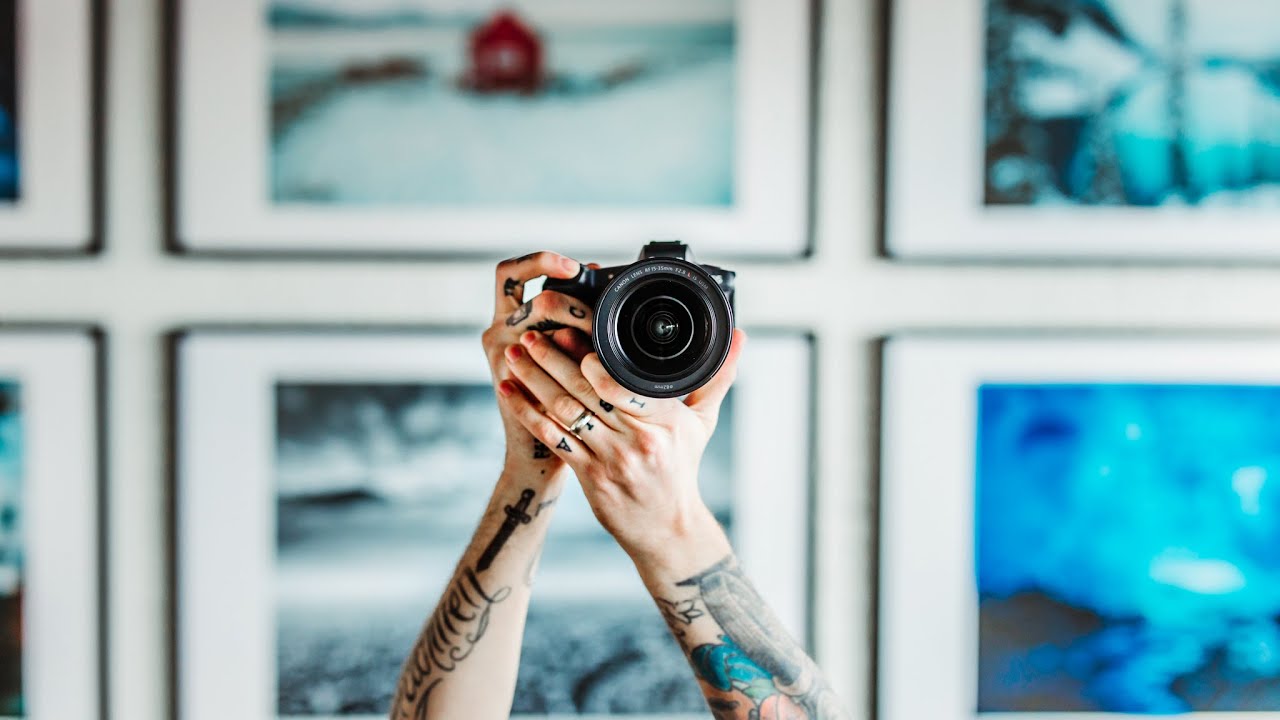
I used to flip to manual mode, panic, and flip right back to aperture priority. Not because I didn’t understand the concepts in theory, but because in the moment, under pressure, with a subject waiting on me, I couldn’t make the three settings talk to each other fast enough. It wasn’t a knowledge problem. It was a fluency problem. That changed when I sat down with this crash course from Kelvin Designs and actually worked through it step by step, not just nodded along while half-watching.

The Composition Framework Joel Grimes Uses to Make Every Shot Feel Intentional

The Composition Framework Joel Grimes Uses to Make Every Shot Feel Intentional

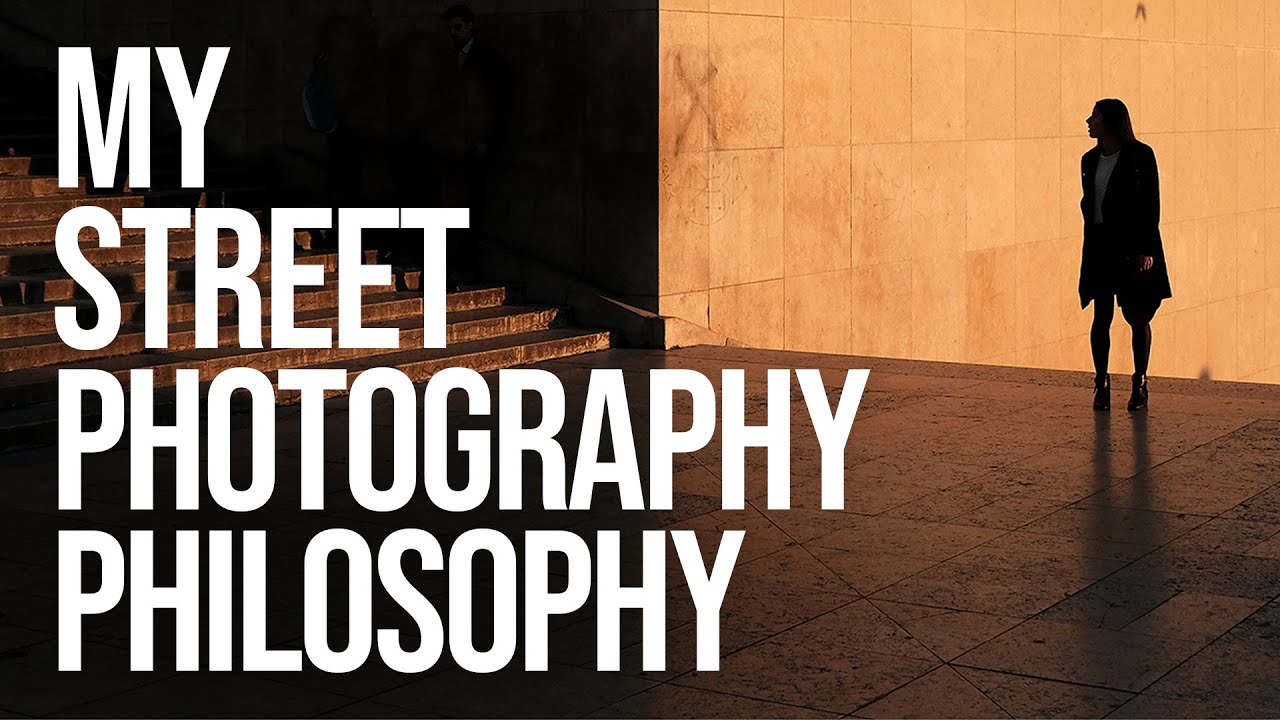
I’ve been doing Sunday morning photo walks for years now, and I’ll be honest: for a long time, I was mostly just reacting. I’d see something interesting, raise the camera, and hope the frame felt right. Sometimes it did. Often it didn’t. I’d get home, cull through a hundred shots, and find maybe three that actually held up — and I couldn’t always explain why those three worked and the others didn’t.

What John Greengo's Canon R6 Mark III Tutorial Taught Me About My Own Bad Habits

What John Greengo's Canon R6 Mark III Tutorial Taught Me About My Own Bad Habits

I’ve been shooting long enough that I sometimes skip over “fundamentals” content. Big mistake. I sat down with this tutorial recently because I’d been getting inconsistent results on a recent travel job, the kind of subtle inconsistency that’s hard to diagnose. Skin tones slightly off in one batch, sharpness that felt unpredictable across a shoot. I thought I knew my camera. Turns out I knew enough to get by, which isn’t the same thing.

How to Build Stronger Compositions Using a Simple Layering Framework (Joel Grimes Method)

How to Build Stronger Compositions Using a Simple Layering Framework (Joel Grimes Method)

I’ve been shooting long enough that composition feels instinctive most of the time. But “instinctive” is a dangerous word. It can quietly become “lazy.” I noticed this a few months ago when I was reviewing a batch of travel shots from a weekend trip to the Oregon coast. Technically fine. Sharp, well-exposed, decent light. But flat. Every single frame felt like a postcard instead of a photograph. Nothing was pulling the eye anywhere.

The Portrait Lighting Ratio That Stopped Me From Overcomplicating My Setups

The Portrait Lighting Ratio That Stopped Me From Overcomplicating My Setups

Last month I was setting up a quick portrait session in my living room, two speedlights, a reflector propped against the couch, and I kept chasing the wrong problem. The shadows looked muddy, the highlights were blowing out, and I kept adjusting power instead of position. It took me longer than I’d like to admit to realize I wasn’t dealing with a gear issue. I’d just stopped thinking about ratio. I found this Visual Education tutorial shortly after, and it reframed something I thought I already understood.

How Joel Grimes Thinks About Composition (And Why It Changed How I Frame Every Shot)

How Joel Grimes Thinks About Composition (And Why It Changed How I Frame Every Shot)

I’ve been teaching photography long enough to know that most beginners think composition is about rules. The rule of thirds. Leading lines. The golden ratio. They memorize the list, they tick the boxes, and then they wonder why their photos still feel flat. That’s the problem I kept running into with students who came to my Sunday morning photo walks. They’d do everything “right” and still produce images that didn’t have any pull to them.

Spec Sheets Don't Tell the Whole Story: What New Camera Buyers Really Need to Know

Spec Sheets Don't Tell the Whole Story: What New Camera Buyers Really Need to Know

Spec Sheets Don’t Tell the Whole Story: What New Camera Buyers Really Need to Know When you’re ready to invest in your first serious camera, it’s tempting to get caught up in the numbers. More autofocus points must mean better performance, right? A faster burst rate sounds more professional. Bigger specs equal a better camera. At least, that’s what I thought when I was starting out. The Spec Sheet Trap I once purchased a camera based almost entirely on its technical specifications—choosing a model with impressive autofocus capabilities and rapid-fire shooting speeds over another option.

Why AI Photography Advice Can Look Right But Fail You In The Field

Why AI Photography Advice Can Look Right But Fail You In The Field

Why AI Photography Advice Can Look Right But Fail You In The Field I’ve been teaching photography for fifteen years, and I’ve watched something shift in the questions my students ask. More and more often, they arrive at lessons having already consulted an AI chatbot about exposure, composition, or lens selection. What concerns me isn’t that they’re seeking information—it’s that they’re confidently following advice that sounds authoritative but will fail them when they step into actual shooting conditions.

Your Camera's Default Settings Are Holding You Back—Here's What to Change

Your Camera's Default Settings Are Holding You Back—Here's What to Change

Your Camera’s Default Settings Are Holding You Back—Here’s What to Change I’ve spent years helping photographers transition from casual snapshots to intentional image-making, and I’ve noticed a consistent pattern: most people never touch their camera’s default settings. I understand why—the factory presets exist for a reason. They’re designed to work reasonably well for almost anyone, anywhere, without requiring technical knowledge. But here’s the problem: those defaults aren’t built for your photography.

The Secret Search Queries Every Photographer Makes (And Why That's Perfectly Normal)

The Secret Search Queries Every Photographer Makes (And Why That's Perfectly Normal)

I’ve been photographing for over a decade, and I still find myself typing embarrassingly basic questions into Google at odd hours. I suspect I’m not alone in this. There’s a peculiar disconnect in photography between our public personas and our actual work habits. On Instagram and at portfolio reviews, we discuss compositional theory and lighting ratios with confidence. But behind closed doors? We’re frantically searching for things we’re convinced we should already know.

Demystifying Your Camera's Dial: A Clear Breakdown of Every Exposure Mode

Demystifying Your Camera's Dial: A Clear Breakdown of Every Exposure Mode

Demystifying Your Camera’s Dial: A Clear Breakdown of Every Exposure Mode I’ve watched countless photographers stare at their camera’s mode dial with genuine confusion. Those cryptic letters—P, A, S, M—might as well be a secret code. Add in the fact that Canon uses different abbreviations than Nikon, and you’ve got a recipe for frustration. I’m here to change that. Understanding these modes is genuinely important because they directly control how your camera captures light.