Every few weeks someone slides into my DMs with a version of the same question: “I love photography. Should I try to make it my job?” I never give a quick answer, because the honest answer isn’t quick. There’s a version of professional photography that looks like creative freedom and passport stamps. There’s also a version that looks like corporate training videos shot in a beige conference room. Both are real, and if you skip straight to the glamorous version you’re going to hit a wall fast.
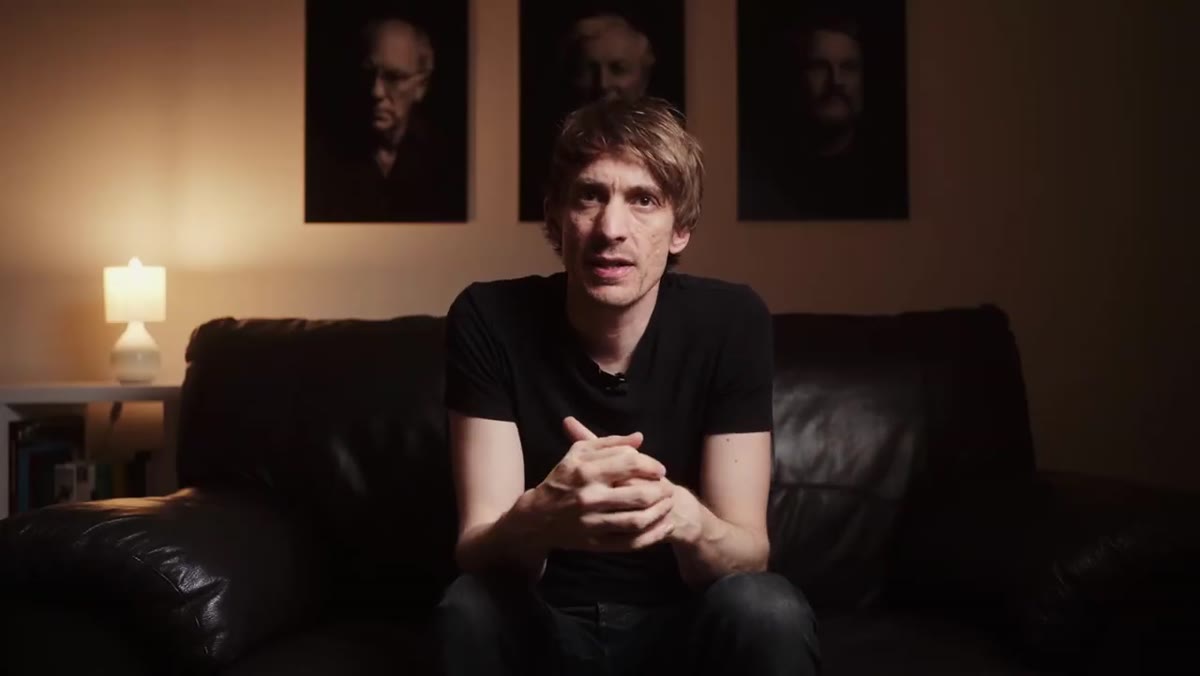
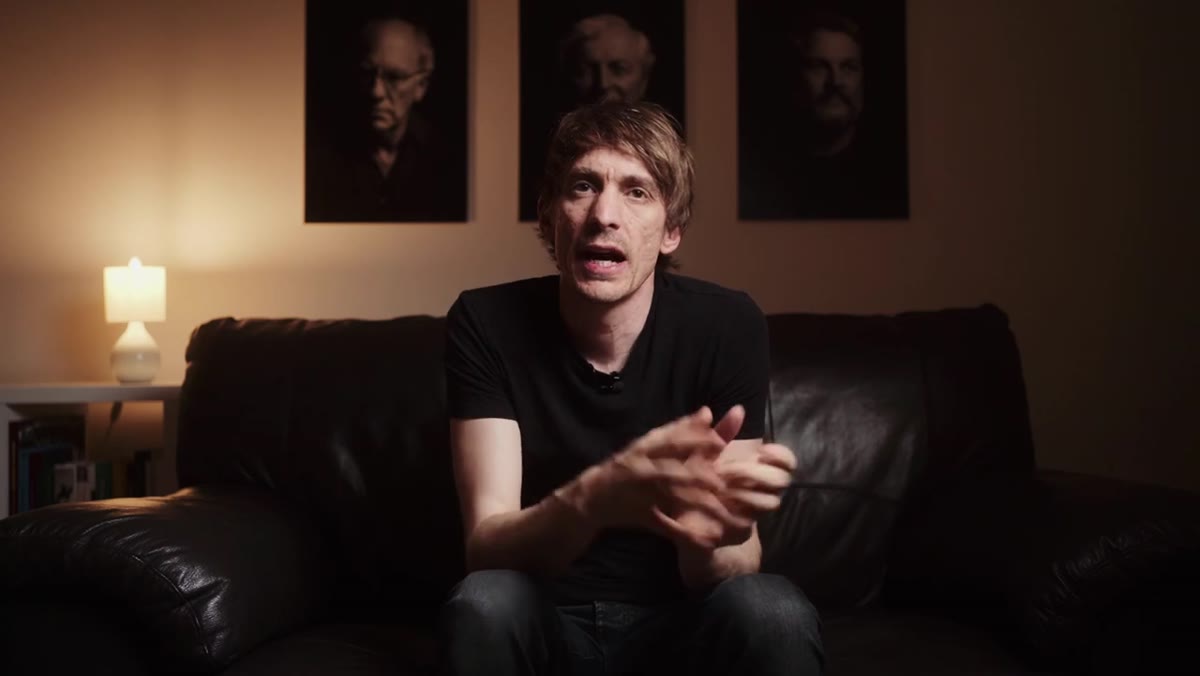
That’s why I keep coming back to this Sean Tucker tutorial, Watch the full tutorial on YouTube, where he walks through his own path from side-hustle shooter to professional photographer. What I respect about it is that he doesn’t sell you a dream. He sells you a sequence. And that sequence maps almost perfectly onto what I’ve watched work for photographers I know, including myself.
If you’re sitting with that “should I go pro?” question right now, this breakdown is for you. Here’s what Tucker covers, and why each piece matters more than it might first appear.
Step 1: Start Making Money With Whatever You Currently Have
 Tucker holding an early consumer DV handycam, smiling
Tucker’s entry point wasn’t a full-frame camera and a business plan. It was a small consumer DV handycam and an opportunity right in front of him: youth camps he was already involved in running. He filmed the weekend, edited it into a watchable package, and sold DVDs to the kids who attended. No client pitch. No portfolio. Just a useful thing made with a camera he already owned.
Tucker holding an early consumer DV handycam, smiling
Tucker’s entry point wasn’t a full-frame camera and a business plan. It was a small consumer DV handycam and an opportunity right in front of him: youth camps he was already involved in running. He filmed the weekend, edited it into a watchable package, and sold DVDs to the kids who attended. No client pitch. No portfolio. Just a useful thing made with a camera he already owned.
This matters because most aspiring pros stall waiting for better gear or a more “legitimate” first job. Tucker’s early work wasn’t prestigious, but it did two critical things at once: it built editing and storytelling skills under real deadline pressure, and it started the habit of exchanging creative work for money. That psychological shift, from hobbyist to someone who gets paid, is harder to make than people expect. Starting small is the fastest way through it.
Step 2: Use Early Work to Justify a Strategic Gear Upgrade
 Canon XH A1S camera shown on a desk with basic lighting setup
Once Tucker had some income coming in from those early video jobs, he reinvested it into a more capable camera, specifically a Canon XH A1S, which opened the door to corporate training video work. Notice the logic: he didn’t upgrade first and hope the work would follow. He built a small track record, then used the money that track record generated to level up.
Canon XH A1S camera shown on a desk with basic lighting setup
Once Tucker had some income coming in from those early video jobs, he reinvested it into a more capable camera, specifically a Canon XH A1S, which opened the door to corporate training video work. Notice the logic: he didn’t upgrade first and hope the work would follow. He built a small track record, then used the money that track record generated to level up.
For photographers this translates directly. If you’re shooting portraits on a crop-sensor body and you have ten paid shoots behind you, you have a much stronger case for upgrading to full-frame than if you’ve never charged anyone a dollar. Clients and gear both respond to demonstrated commitment, not aspirational spending.
Step 3: Grow Through Referrals, Not Marketing
 Simple corporate interview setup, person seated in front of camera
Tucker’s corporate video work didn’t come from a website or a social media presence. A friend inside a company brought him in, liked the result, and recommended him to someone else. That chain of referrals is how his side income quietly grew. The work was unglamorous by his own admission, but it kept cash moving and his skills improving.
Simple corporate interview setup, person seated in front of camera
Tucker’s corporate video work didn’t come from a website or a social media presence. A friend inside a company brought him in, liked the result, and recommended him to someone else. That chain of referrals is how his side income quietly grew. The work was unglamorous by his own admission, but it kept cash moving and his skills improving.
Here’s the practical takeaway: your first ten clients will almost certainly come from people who already know you or who get a recommendation from someone who does. Building a referral pipeline means doing good work, being easy to work with, and explicitly asking satisfied clients if they know anyone else who might need what you offer. A simple “if you know anyone planning a similar project, I’d love an introduction” at the end of a job costs nothing and compounds over time.
Step 4: Learn to Shoot Both Stills and Video Before You Specialize
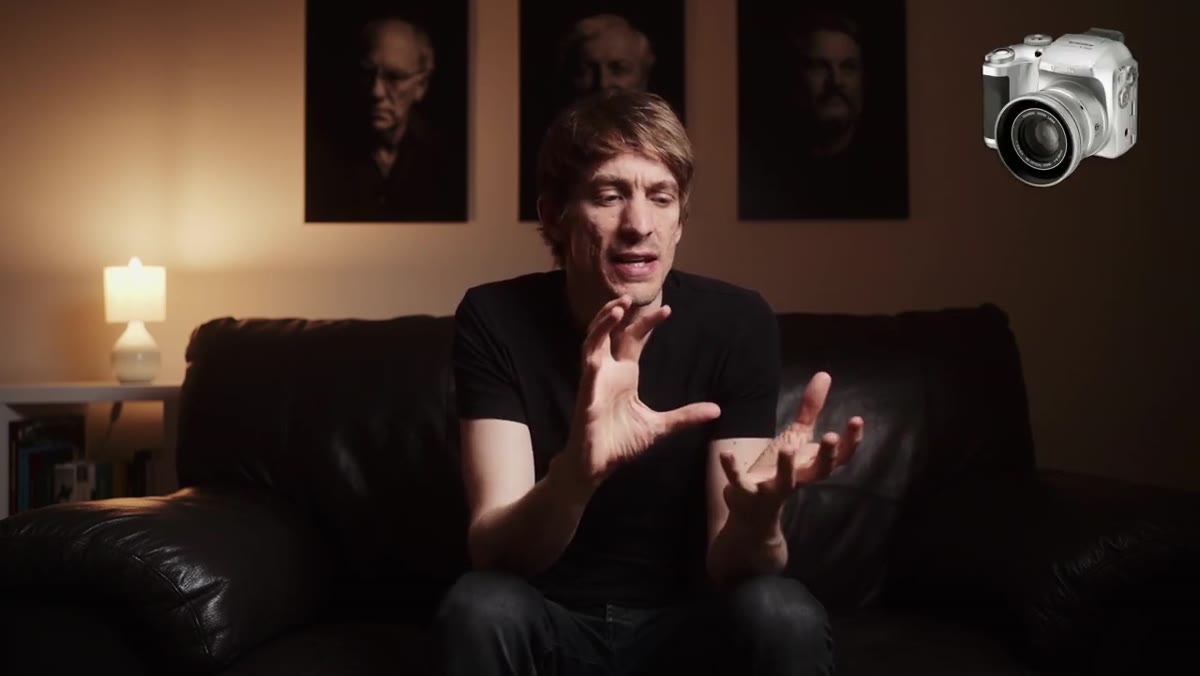 Fuji point-and-shoot camera in Tucker’s hand outdoors
Tucker’s pivot to stills photography happened alongside his video work, not instead of it. He was already building a visual skill set with moving images when he picked up a budget Fuji point-and-shoot for personal use. That cross-pollination of skills, understanding light, composition, and timing across both mediums, made him more versatile and more hireable when he eventually consolidated everything into one kit.
Fuji point-and-shoot camera in Tucker’s hand outdoors
Tucker’s pivot to stills photography happened alongside his video work, not instead of it. He was already building a visual skill set with moving images when he picked up a budget Fuji point-and-shoot for personal use. That cross-pollination of skills, understanding light, composition, and timing across both mediums, made him more versatile and more hireable when he eventually consolidated everything into one kit.
This doesn’t mean you have to become a hybrid shooter forever. But early on, saying yes to adjacent work teaches you faster than narrowing down prematurely. Many of the strongest portrait photographers I know spent time shooting products. Several of the best travel photographers I follow did years of event work first. The breadth pays off later even when you eventually specialize.
Step 5: Consolidate Your Kit Around What Clients Actually Need
 Two Canon 550D bodies and three lenses laid out in a backpack
When Tucker moved from video cameras to DSLRs, he sold his entire existing setup and rebuilt around two Canon 550D bodies and three lenses, all fitting in a single backpack. The key word is consolidated. He wasn’t chasing every tool. He was building a kit that could shoot promotional video, weddings, and portrait stills from the same bag.
Two Canon 550D bodies and three lenses laid out in a backpack
When Tucker moved from video cameras to DSLRs, he sold his entire existing setup and rebuilt around two Canon 550D bodies and three lenses, all fitting in a single backpack. The key word is consolidated. He wasn’t chasing every tool. He was building a kit that could shoot promotional video, weddings, and portrait stills from the same bag.
For photographers just going pro, this principle is worth writing on a sticky note. A focused kit you know deeply beats a sprawling arsenal you’re still learning. Two bodies (so you never miss a shot to a dead battery or a camera fault), a workhorse zoom, a fast prime, and a telephoto covers most paying work at the entry level. Master that before you add anything.
What I’d Add From My Own Experience
Tucker’s story is a great map for going pro, but there’s one thing I’d underline that he touches on without dwelling on it: the psychological cost of monetizing something you love is real, and it’s worth preparing for. The first time a client asks you to reshoot something you thought was beautiful, it stings in a way that a stranger critiquing a hobby shot never does. Your creative identity gets tangled up in someone else’s budget and brief.
I started teaching photography partly because I needed an outlet where I could shoot for pure joy again, separate from client work. Whether that’s a weekly photo walk, a personal project you never monetize, or, honestly, just shooting on your phone sometimes to prove the point that it’s about seeing and not about gear, you need something that stays yours. Protect that space early, before the business pressure makes it feel like you need permission to be creative.
The single most important idea in Tucker’s tutorial is this: going pro is a sequence, not a leap. You build income on what you have, reinvest carefully, grow through relationships, and expand your skill set before you narrow it. Nobody sustainable starts at the top.
Watch the full tutorial on YouTube to hear Tucker tell this story in his own words. His delivery is calm and honest in a way that’s genuinely rare for a topic this loaded with hype. Worth your hour.
Comments (1)
The before and after really sells it. Incredible difference.
Leave a Comment