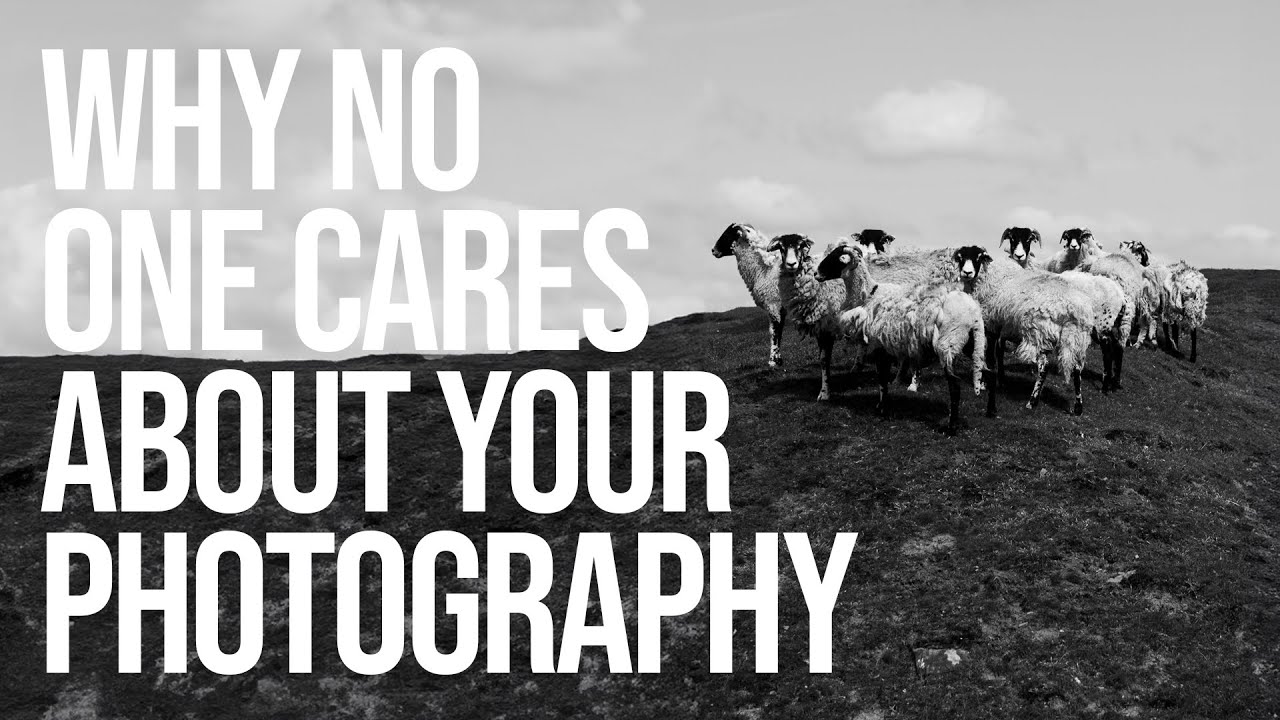
There’s a specific kind of frustration I know a lot of photographers feel but rarely talk about out loud. You spend real time and creative energy on an image. You push yourself somewhere new technically or emotionally. You post it. And it lands with a quiet thud. Then you throw up something quick, a photo you almost didn’t bother editing, and it blows up. Comments, shares, people sliding into your DMs. I’ve been shooting for over a decade and this still happens to me regularly. My most-liked Instagram photo was taken on a $200 phone, and while I love that image, it’s genuinely not my best work.
So when I came across this Sean Tucker tutorial, Watch the full tutorial on YouTube, I sat with it for a while. Tucker and his guest Simon Baxter (one of the best woodland photographers working today, and that’s not hyperbole) put a name to something I had felt but never fully articulated. The core argument is simple but it reshapes how you think about online feedback entirely. Here’s how to actually work through the ideas Tucker lays out, step by step.
Step 1: Recognize Who Is Actually Giving You Feedback
 Text overlay showing “who is doing all the liking and commenting”
Before you can evaluate any feedback on your work, you need to honestly assess where that feedback is coming from. Tucker opens by pointing out something most photographers know intuitively but don’t sit with long enough: the overwhelming majority of people interacting with your photos online are beginners. Not because the photography community is shallow, but because this is simply true of every art form. There are always far more people starting out than people who have reached creative maturity.
Text overlay showing “who is doing all the liking and commenting”
Before you can evaluate any feedback on your work, you need to honestly assess where that feedback is coming from. Tucker opens by pointing out something most photographers know intuitively but don’t sit with long enough: the overwhelming majority of people interacting with your photos online are beginners. Not because the photography community is shallow, but because this is simply true of every art form. There are always far more people starting out than people who have reached creative maturity.
This isn’t a criticism of beginners. I was one. You probably were too. But it’s a crucial framing device. When you understand that most of your likes, comments, and shares are coming from people who are early in their own photographic journey, you start to understand why certain images consistently outperform others, and why that performance data isn’t necessarily telling you what you think it’s telling you.
Step 2: Understand What Beginners Respond To
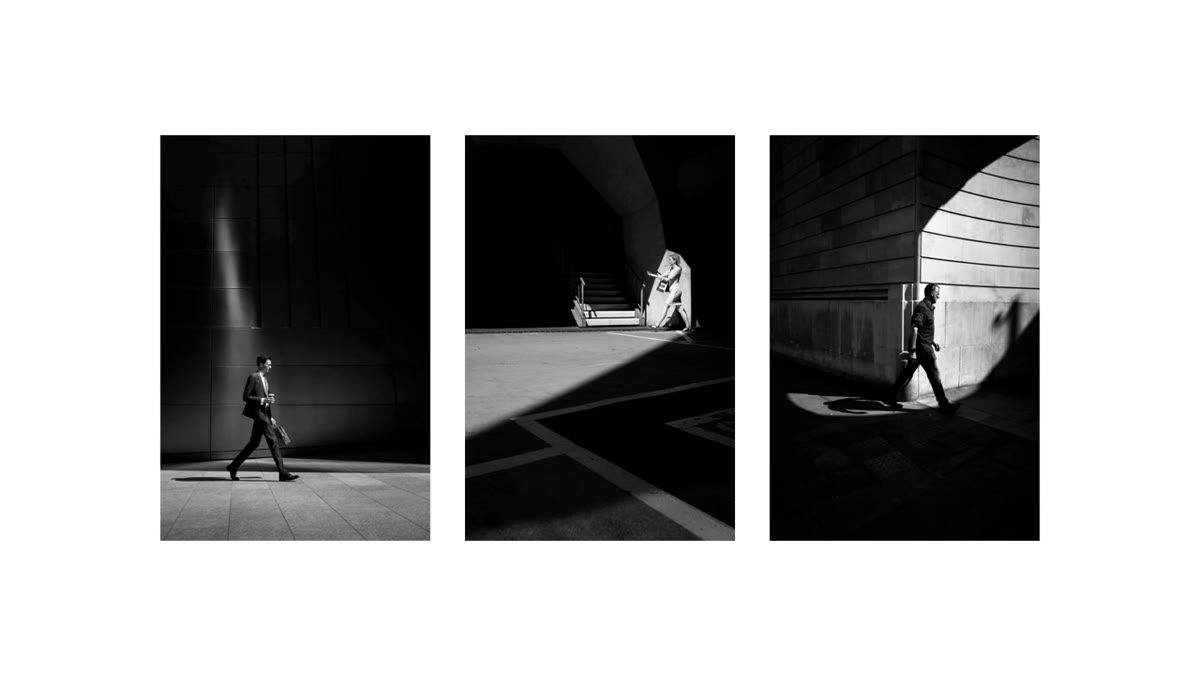 Side-by-side comparison of two photographs with different complexity levels
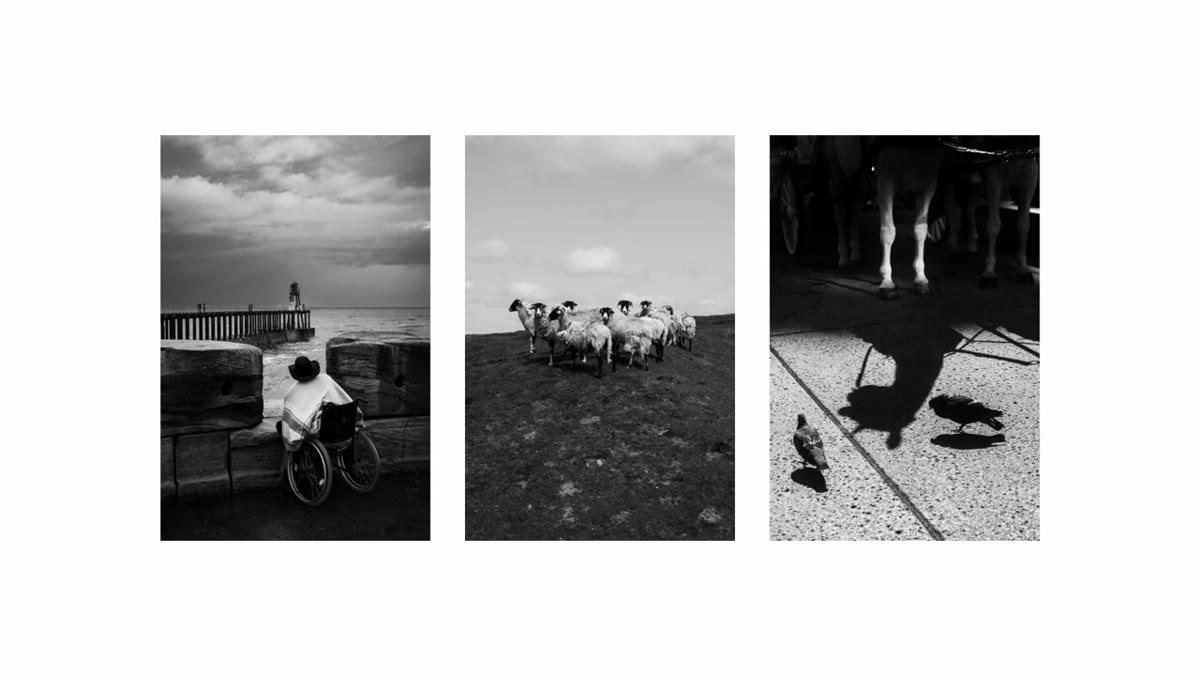
Tucker gives a clear and honest example from his own portfolio. Images that use straightforward, eye-catching techniques, think strong silhouettes, dramatic exposures, classic golden hour shots, tend to perform very well online. These images are accessible. A beginner can look at one and immediately understand what made it work. They can picture themselves making it. That recognition creates engagement.
Side-by-side comparison of two photographs with different complexity levels
Tucker gives a clear and honest example from his own portfolio. Images that use straightforward, eye-catching techniques, think strong silhouettes, dramatic exposures, classic golden hour shots, tend to perform very well online. These images are accessible. A beginner can look at one and immediately understand what made it work. They can picture themselves making it. That recognition creates engagement.
More complex, nuanced images, ones where the craft is quieter and the meaning takes longer to settle, those often get less interaction. Sometimes they even attract negative comments. Viewers who are still developing their eye may genuinely not see what makes those images interesting yet. That’s not a failure on their part. It’s just where they are in the process. Your job is to know the difference between feedback that reflects your audience’s current skill level and feedback that reflects the actual quality of your work.
Step 3: Audit Your Own Image History With This Lens
 Tucker gesturing while describing his own portfolio examples
This is where the tutorial becomes a practical exercise, not just a theory. Go back through your recent posts and separate them into two piles mentally. Pile one: images that performed well and that you’re also proud of. Pile two: images that performed well but that you know, honestly, represent you playing it safe or repeating a formula that worked before.
Tucker gesturing while describing his own portfolio examples
This is where the tutorial becomes a practical exercise, not just a theory. Go back through your recent posts and separate them into two piles mentally. Pile one: images that performed well and that you’re also proud of. Pile two: images that performed well but that you know, honestly, represent you playing it safe or repeating a formula that worked before.
Be ruthless here. I did this with my own feed last year and found a clear pattern. My Sunday morning phone shots, which I post mostly for fun, consistently outperformed the images I had carefully planned and executed over weeks. That told me something useful about my audience but nothing useful about my craft. Keeping these two things separate is the whole ballgame.
Step 4: Stop Using Engagement as a Proxy for Growth
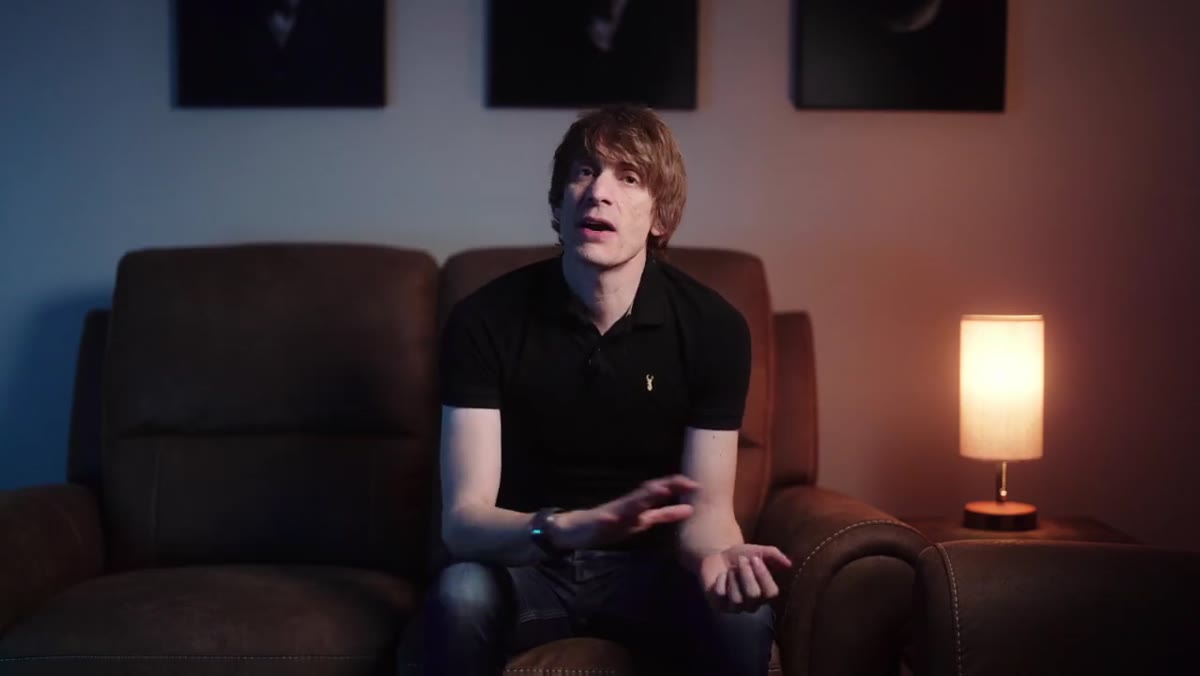
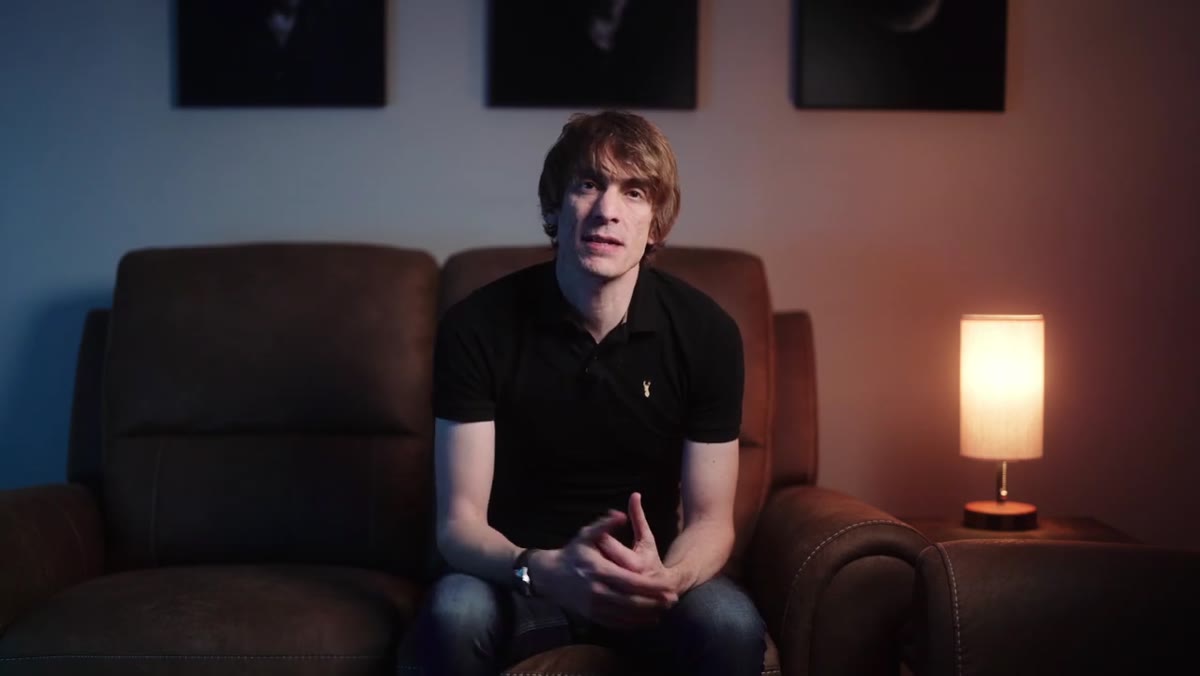 Tucker speaking directly to camera about maturity in work
Tucker’s real point here is about the danger of optimizing for validation. If you start chasing the response, if you keep making the images that get likes and pull back from the harder, stranger, more personal work, you will stall. You’ll get better at producing a specific kind of image that a specific kind of audience responds to. That’s not nothing, but it’s a ceiling, not a trajectory.
Tucker speaking directly to camera about maturity in work
Tucker’s real point here is about the danger of optimizing for validation. If you start chasing the response, if you keep making the images that get likes and pull back from the harder, stranger, more personal work, you will stall. You’ll get better at producing a specific kind of image that a specific kind of audience responds to. That’s not nothing, but it’s a ceiling, not a trajectory.
Professional photographers and advanced practitioners, the people whose opinions you might actually want on your work, have very little time to spend commenting on social media. They’re shooting, editing, meeting clients, and developing their own vision. The feedback loop on social media is structurally biased toward beginner taste, and that’s worth knowing before you let it steer your creative decisions.
Step 5: Build a Separate System for Evaluating Your Own Progress
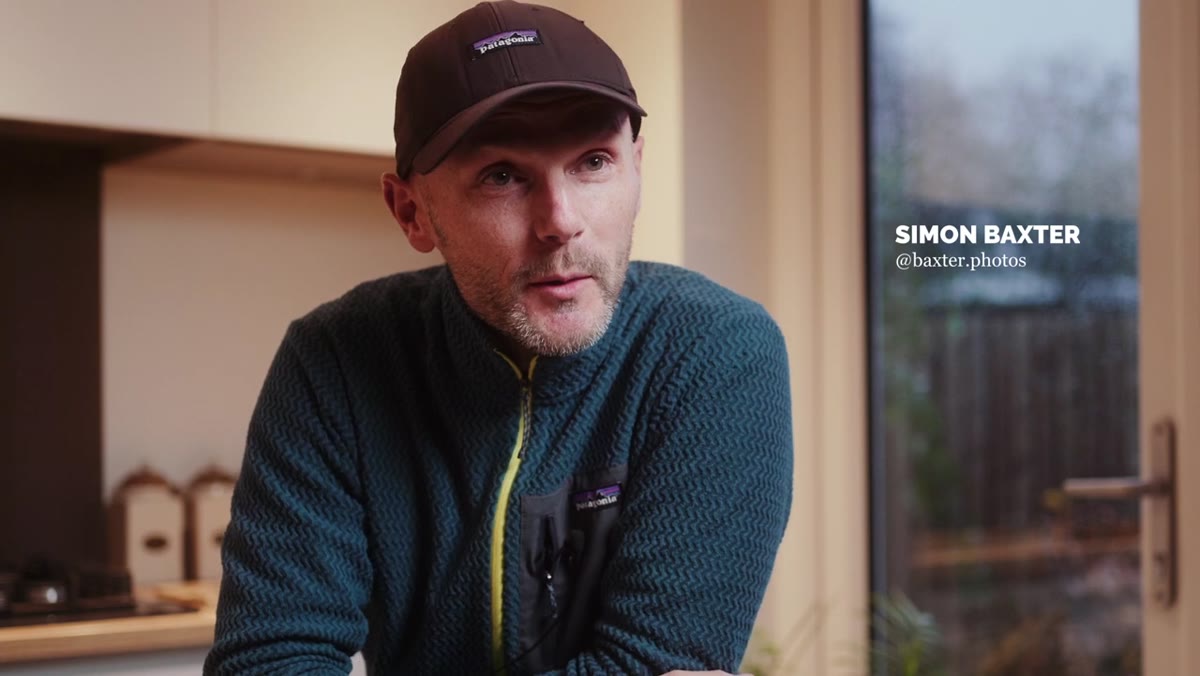 Simon Baxter appearing on screen for the first time
Tucker’s conversation with Simon Baxter gets at something practical: you need a feedback system that isn’t social media. Baxter talks about how his most meaningful creative work doesn’t always land online, and how he’s had to build a separate internal metric for what growth looks like for him.
Simon Baxter appearing on screen for the first time
Tucker’s conversation with Simon Baxter gets at something practical: you need a feedback system that isn’t social media. Baxter talks about how his most meaningful creative work doesn’t always land online, and how he’s had to build a separate internal metric for what growth looks like for him.
For me, that system is my Sunday photo walks. I shoot for myself, I don’t post everything, and I review the work a week later with fresh eyes. I also keep a small folder of images I consider my actual best work, regardless of how they performed. That folder is my real benchmark. I’d encourage you to build something similar, a private collection of images that represents where you’re actually going, not where your audience expects you to stay.
A Note From My Own Experience
The hardest part of all this is that the beginner-friendly images aren’t bad images. Some of my most technically clean, emotionally direct shots are in that category. The problem isn’t making accessible work. The problem is letting the response to that work convince you to stop making everything else.
I’ve watched photographers hit a certain follower count and then quietly stop experimenting. The feed gets more consistent. The engagement stays strong. And then a year later the work looks exactly the same as it did before that milestone. Social media rewards consistency in a way that can accidentally punish growth. Knowing that going in is at least half the protection against it.
The single most important thing Tucker is saying here is this: your audience’s current taste is not a map of your potential. Let them enjoy what they enjoy. Keep growing anyway. Separate the metrics from the meaning, and use the former to understand your audience without letting it dictate your creative direction.
If this landed for you, do yourself a favor and watch Tucker’s full breakdown. He and Baxter go into even more depth on what creative maturity actually looks like in practice. Watch the full tutorial on YouTube
Comments
Leave a Comment