Newborn photography is one of those specialties that looks deceptively simple from the outside. You show up, the baby is tiny and cute, you take pictures. But anyone who has actually tried to photograph a newborn in a real home environment knows how quickly things can unravel. The baby is fussy, the parents are exhausted, the light is weird, and you’re fighting the clock. I’ve been there more times than I’d like to admit.
That’s exactly why I found this CreativeLive tutorial so valuable. Watch the full tutorial on YouTube before or after reading this breakdown. The instructor approaches newborn photography from a documentary angle rather than the heavily posed, studio-styled approach most people picture, and the practical advice is immediately usable whether you’re a seasoned shooter or just starting to take on family sessions.
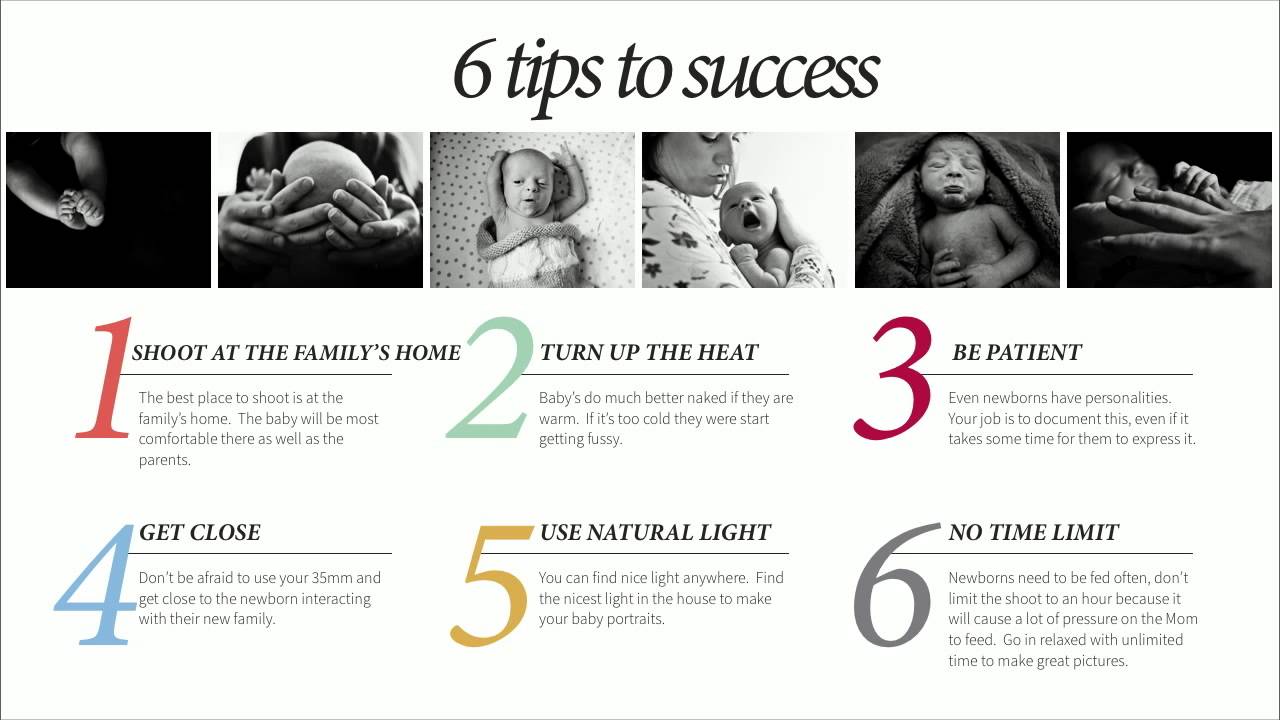
What struck me most is how much of this is about mindset and environment, not gear. These six tips reframe the entire session around making the baby and family comfortable first, and letting the photographs follow naturally from that. Here’s how to put each one into practice.
Step 1: Always Shoot at the Family’s Home
 Photographer describing why home environments matter for newborns
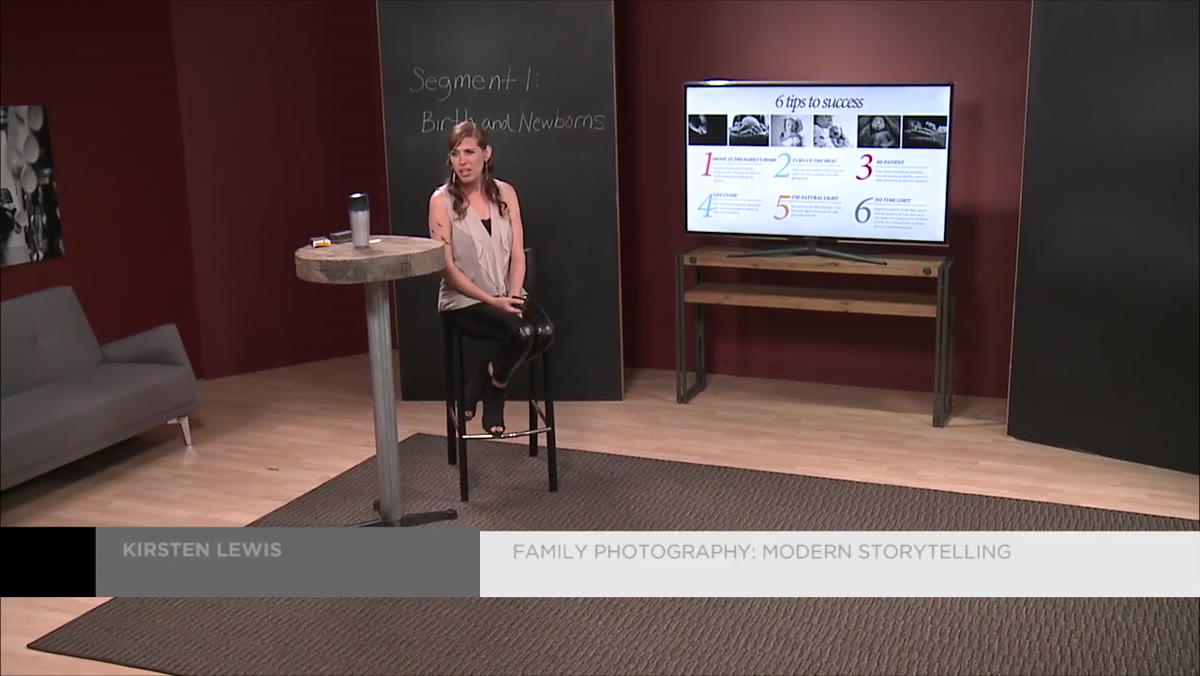
Skip the studio entirely for newborn sessions. The family’s home is not just a convenient backdrop, it’s a meaningful one. Parents are more relaxed in their own space, and babies are deeply tuned in to their parents’ emotional state. A calm parent creates a calm baby, and a calm baby gives you images worth keeping.
Photographer describing why home environments matter for newborns
Skip the studio entirely for newborn sessions. The family’s home is not just a convenient backdrop, it’s a meaningful one. Parents are more relaxed in their own space, and babies are deeply tuned in to their parents’ emotional state. A calm parent creates a calm baby, and a calm baby gives you images worth keeping.
There’s also a storytelling dimension here that I think photographers often overlook. That home might be where the child spends their first five years before the family moves somewhere bigger. Shooting in that space creates a document of where this life began, something the child can look back on decades later and feel genuinely connected to. The yellow spare bedroom, the morning light in the kitchen, the specific texture of that couch, these details matter in ways that a neutral studio backdrop never can.
Step 2: Turn Up the Heat
 Instructor explaining temperature preferences for newborn comfort
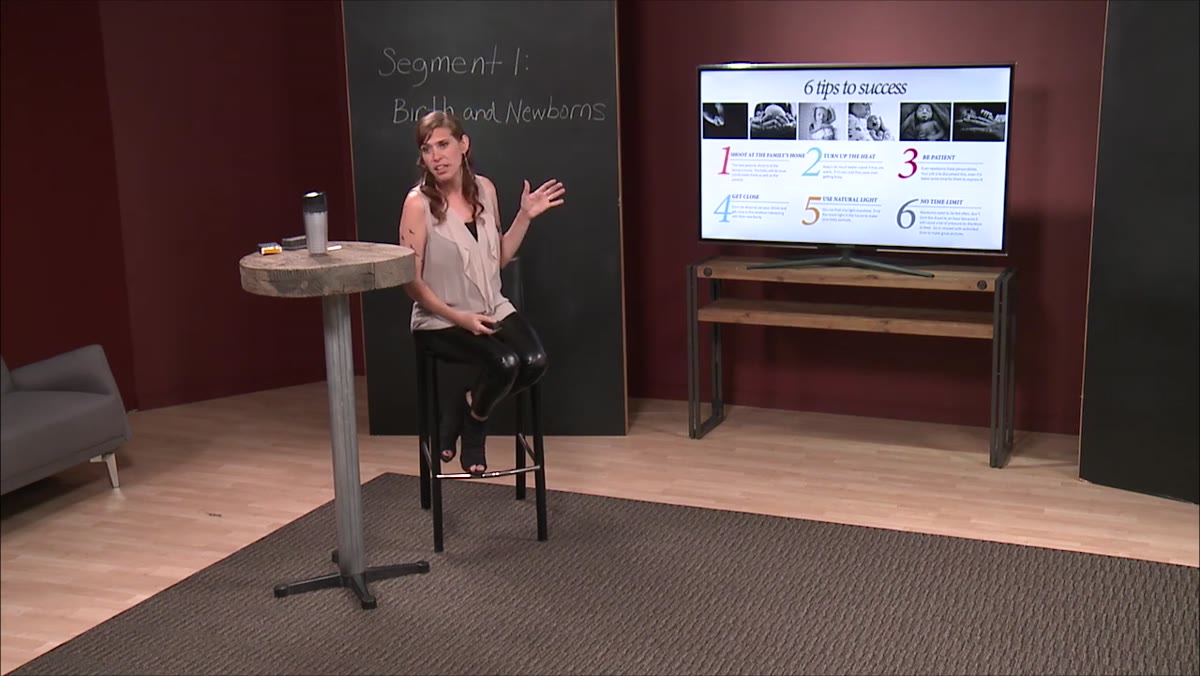
Before you arrive, ask the family to raise the thermostat. A warm room is not a photographer preference, it’s a baby preference. Newborns have spent months in an environment around 98 degrees, so anything significantly cooler than that is going to make them uncomfortable, squirmy, and harder to photograph.
Instructor explaining temperature preferences for newborn comfort
Before you arrive, ask the family to raise the thermostat. A warm room is not a photographer preference, it’s a baby preference. Newborns have spent months in an environment around 98 degrees, so anything significantly cooler than that is going to make them uncomfortable, squirmy, and harder to photograph.
Be upfront with the family when you book the session. Let them know the room will feel warm to the adults in the room, but that a comfortable baby makes for a much smoother shoot. Most parents are completely on board once they understand the reasoning. Dress in layers yourself so you can adjust, and bring water.
Step 3: Be Patient and Let Personality Come Through
 Photographer talking about newborn personalities developing in utero
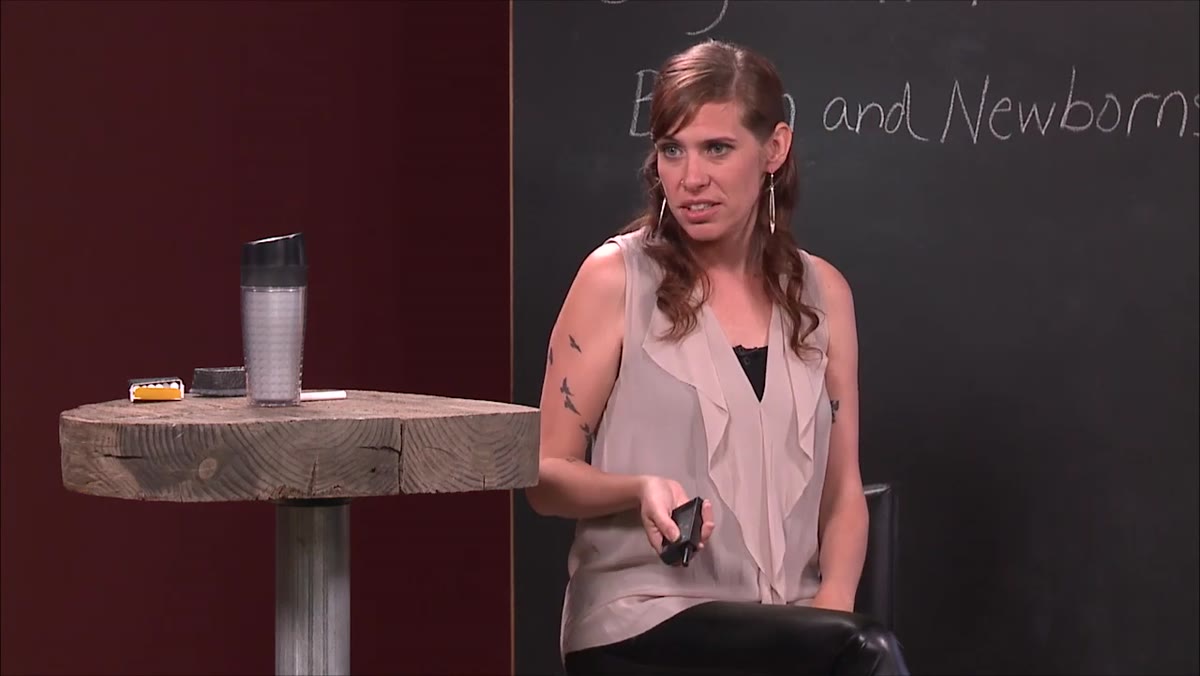
Newborns are not props. They have personalities, and those personalities are already forming before birth. If you approach the session with the attitude that you need to bend the baby to your vision, you’re going to spend the whole time frustrated. If you approach it with patience and curiosity, the baby will show you something genuine.
Photographer talking about newborn personalities developing in utero
Newborns are not props. They have personalities, and those personalities are already forming before birth. If you approach the session with the attitude that you need to bend the baby to your vision, you’re going to spend the whole time frustrated. If you approach it with patience and curiosity, the baby will show you something genuine.
Practically, this means slowing down. Don’t rush through a mental checklist of poses. Watch how the baby moves, what makes them settle, how they respond to their parent’s voice or touch. Those in-between moments, the stretch, the yawn, the tiny fist uncurling, are often the strongest frames. You can’t manufacture them, but you can be ready for them.
Step 4: Get Close, Then Get Closer
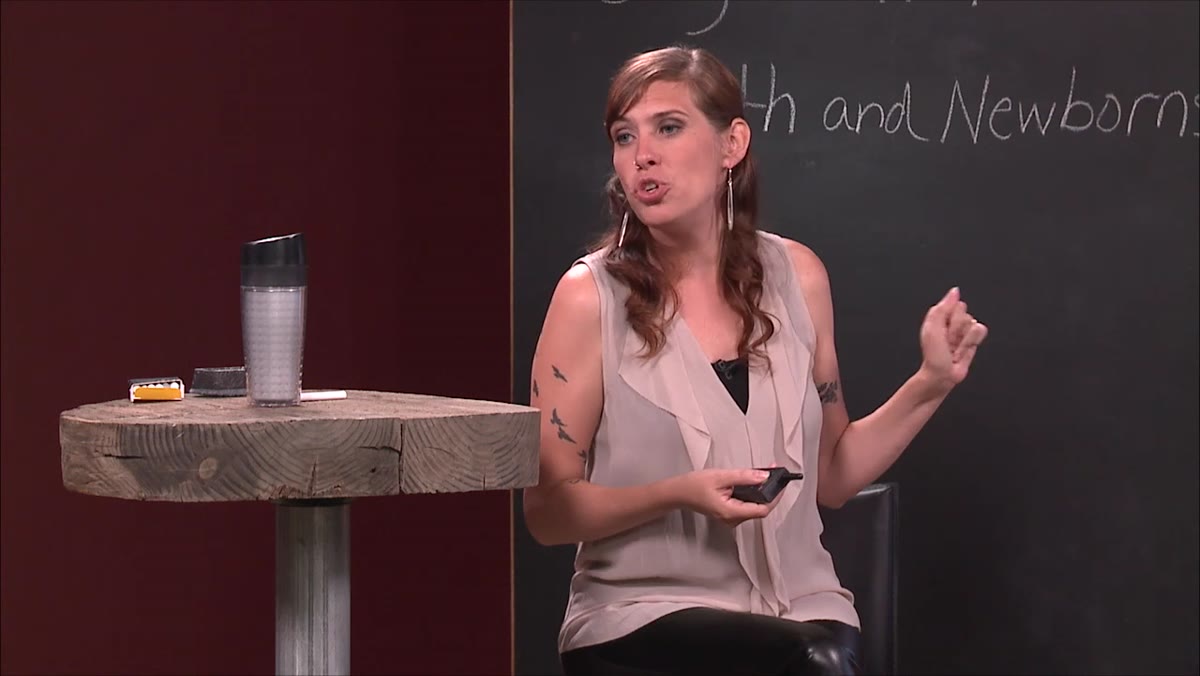 Instructor demonstrating close framing with a 35mm lens on newborns
The instructor specifically recommends a 35mm lens for newborn work, and I think that’s smart advice. It keeps you physically close to the subject, which creates intimacy in the frame, but it doesn’t distort the way a wider lens would.
Instructor demonstrating close framing with a 35mm lens on newborns
The instructor specifically recommends a 35mm lens for newborn work, and I think that’s smart advice. It keeps you physically close to the subject, which creates intimacy in the frame, but it doesn’t distort the way a wider lens would.
Don’t be timid about proximity, especially during interactions between the baby and parents. A tight frame on a parent’s hands cradling a tiny head, or a close shot of the baby’s face while a parent leans in close, these are the images that hold emotional weight. If you feel like you’re too close, check your frame. If the composition works, trust it.
Step 5: Skip the Flash and Find a Window
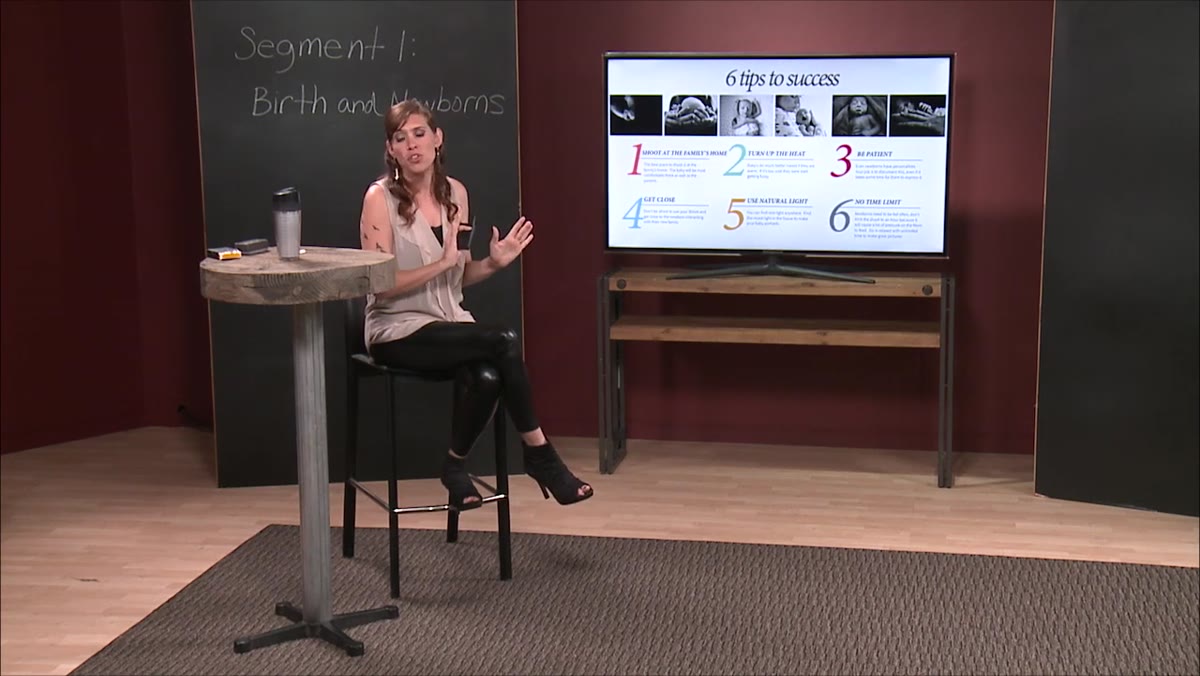 Instructor explaining why flash is unsuitable for newborn documentary sessions
Newborns are sensitive to sudden bright light. Beyond the comfort issue, flash simply doesn’t fit the documentary aesthetic. It draws attention to itself and flattens the natural warmth of a home environment.
Instructor explaining why flash is unsuitable for newborn documentary sessions
Newborns are sensitive to sudden bright light. Beyond the comfort issue, flash simply doesn’t fit the documentary aesthetic. It draws attention to itself and flattens the natural warmth of a home environment.
The good news is that almost every home has at least one usable window, and window light is genuinely beautiful for this kind of work. Look for soft, indirect daylight rather than harsh direct sun. Position the baby or parent near the light source and pay attention to how shadows fall. A sheer curtain can diffuse the light on a bright day. You may need to push your ISO higher than you’re used to, but modern cameras handle high ISO well. A slightly noisy image with gorgeous natural light beats a technically clean flash photo every time.
Step 6: Remove the Time Limit
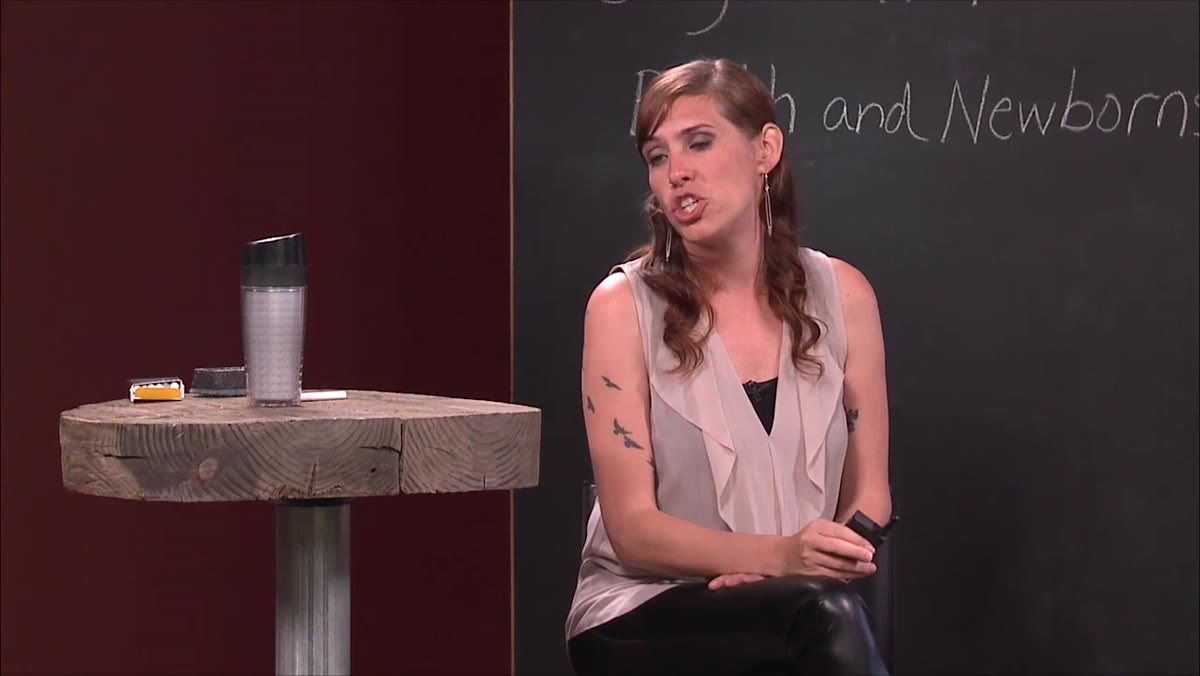 Photographer explaining why open-ended sessions reduce stress for new mothers
This tip might be the one that changes the dynamic of your sessions most dramatically. When you put a hard time limit on a newborn session, you introduce stress into a space that desperately needs calm. Babies need to feed, sometimes multiple times. They need to be changed. They get fussy for no obvious reason and then settle just as suddenly.
Photographer explaining why open-ended sessions reduce stress for new mothers
This tip might be the one that changes the dynamic of your sessions most dramatically. When you put a hard time limit on a newborn session, you introduce stress into a space that desperately needs calm. Babies need to feed, sometimes multiple times. They need to be changed. They get fussy for no obvious reason and then settle just as suddenly.
When a new mother knows you’re watching the clock, she starts rushing. She tries to cut a feeding short, or apologizes every time the baby needs something, and that anxiety transfers directly to the baby. Instead, go in with an open-ended approach. Let the family know you’re there to hang out with them for a while, not to perform a rapid shoot. And if the baby needs to feed near that beautiful window? Ask if you can photograph it. Nursing and feeding moments are some of the most tender images from a newborn session, and they happen naturally when no one feels rushed.
What I’d Add From My Own Experience
The documentary approach this tutorial describes takes real confidence to sell to clients, especially those who have seen the heavily posed, perfectly lit newborn photos all over social media. I’ve found it helps to show examples of real, unposed newborn sessions during the booking conversation so expectations are set before you ever walk through the door. When clients understand that you’re aiming for something honest and lasting rather than something artificially perfect, they tend to be more relaxed, and that ease shows up in every single frame.
The single most important idea across all six of these tips is this: your job is to create the conditions for great moments to happen, not to manufacture them. Control the environment, remove the pressure, and then get out of your own way.
Watch the full tutorial on YouTube to see the instructor demonstrate these techniques with real examples. The session footage that accompanies the tips makes everything click in a way that reading alone doesn’t quite capture.
Comments (1)
Just subscribed. If the rest of your content is this good, I'm in.
Leave a Comment