Stop Waiting for the Perfect Moment: What Last Photos Teach Us About Shooting Every Day

Stop Waiting for the Perfect Moment: What Last Photos Teach Us About Shooting Every Day

There’s a particular kind of guilt that creeps in when you’re a photographer walking through a city and you don’t take any photos. You tell yourself you were tired, the light was bad, you didn’t have the right lens. I’ve done this on my own Sunday morning photo walks here in Seattle more times than I’d like to admit. The camera’s around my neck and I’m just… walking. Not seeing. That habit of actively not shooting is something I’ve been working against for years, and it’s exactly what Watch the full tutorial on YouTube addresses so well.
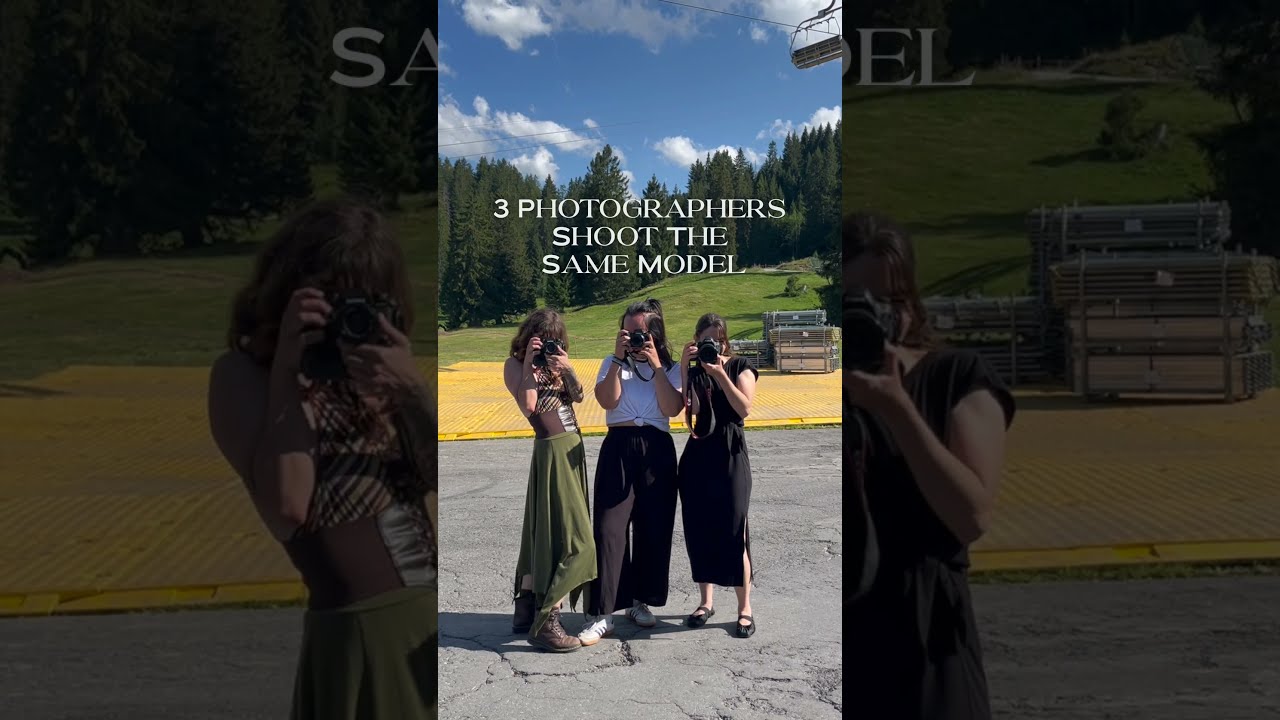
What Happens When 3 Photographers Shoot the Same Model — And What It Teaches You About Your Own Style

What Happens When 3 Photographers Shoot the Same Model — And What It Teaches You About Your Own Style

I’ve been shooting portrait sessions for years, and one of the questions I still get tripped up by is this: how much of a “good photo” is technical skill versus personal vision? I had a client session last month where everything was correct on paper — the light was soft, my settings were dialed in, the location was beautiful — and the images still felt flat to me. Not bad. Just… mine-shaped.

Shadow Sharpness and Density: The Two-Light Skill That Changed How I Think About Every Shot

Shadow Sharpness and Density: The Two-Light Skill That Changed How I Think About Every Shot

There is a moment in almost every beginner photographer’s journey where the technical stuff clicks into place and suddenly everything looks intentional. For me, that moment came with light - not finding more of it, but understanding what it does after it hits the subject. Specifically, what it does with shadows. I spent a long time treating shadows like a problem to eliminate. Now I treat them like a second subject in the frame, and that shift changed everything about how I work.

How to Actually Approach Strangers for Portraits (A Street Photographer's Honest Breakdown)

How to Actually Approach Strangers for Portraits (A Street Photographer's Honest Breakdown)

Every Sunday morning I do a photo walk through my neighborhood in Seattle. I’ve been doing it for years. And for years I would come home with beautiful shots of storefronts, fog rolling off the water, the occasional dog trotting past. Almost never a person. Not a real portrait, anyway. Nothing where I looked someone in the eye and asked if I could photograph them. The opportunity was always there. The nerve, less so.

The Tape Pull-Tab Trick: A Dead-Simple Camera Hack That Saves You Mid-Shot

The Tape Pull-Tab Trick: A Dead-Simple Camera Hack That Saves You Mid-Shot

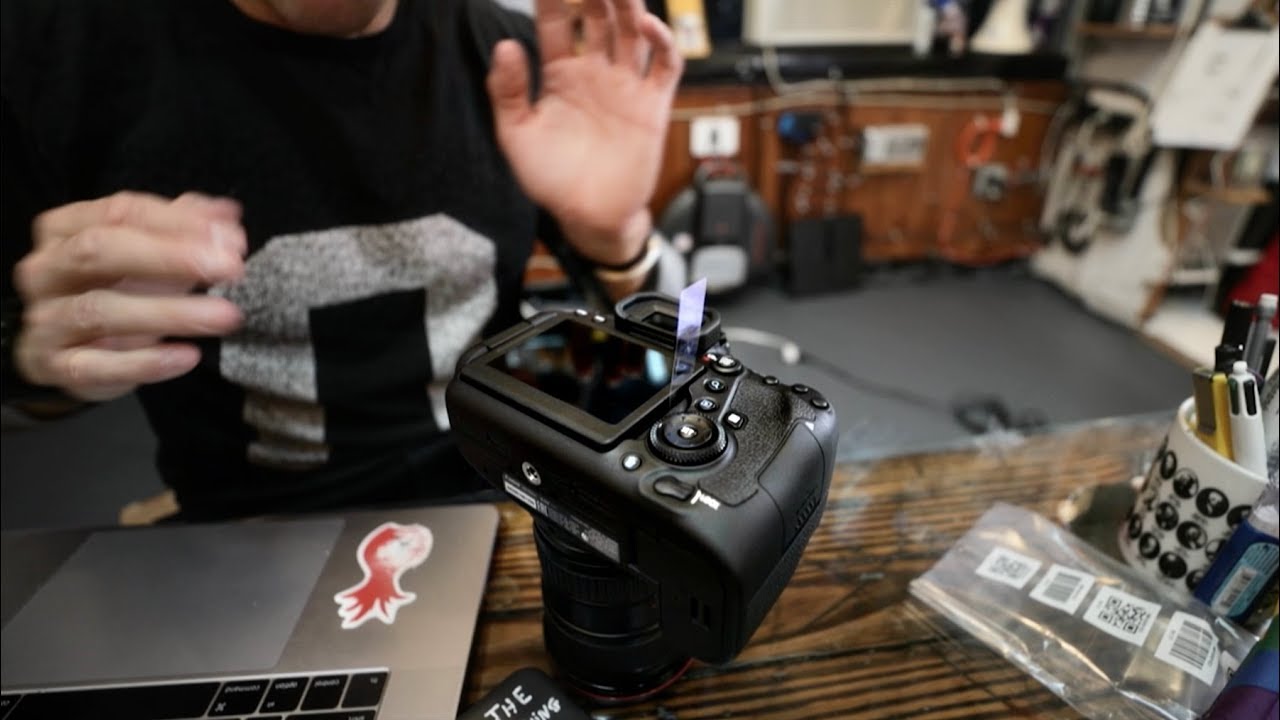
If you shoot video or run-and-gun photos with a camera that has a swivel screen, you already know the fumble. You’re moving from a third-person, behind-the-camera shot and want to flip to front-facing mode fast, but the screen is tucked flush against the body with nothing to grab onto. Your nail catches the edge, you almost drop the whole setup, and the moment is gone. I’ve been there more times than I want to count, and I’ve watched other photographers do the same embarrassing flap-and-grab dance.

Stop Overthinking It: How William Patino Shoots and Edits with Joyful Simplicity

Stop Overthinking It: How William Patino Shoots and Edits with Joyful Simplicity

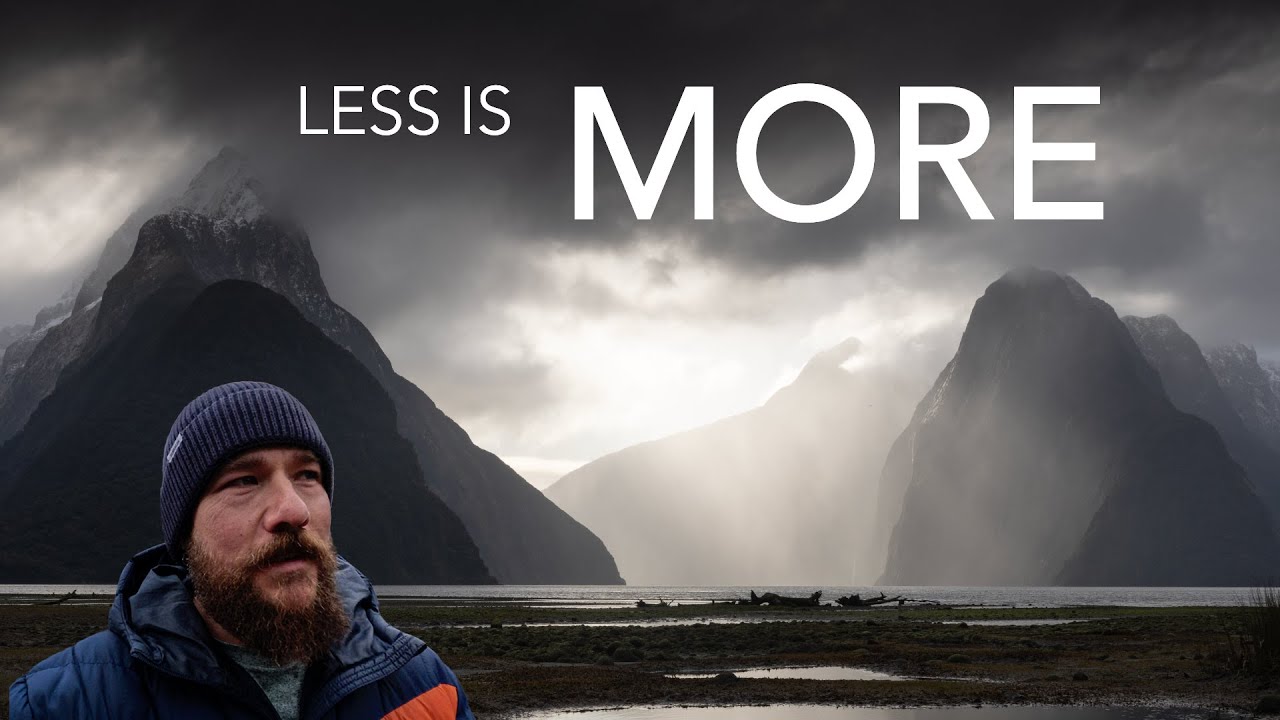
Forest photography is one of those situations that can absolutely paralyze you. There’s too much going on, the light changes every thirty seconds, and every direction you point the camera feels like both a great idea and a terrible one simultaneously. I know that feeling well. I once spent four days in Olympic National Park circling the same grove of trees, convinced that if I just waited long enough, everything would click into place.

When Your Classic Car (or Your Shot) Just Won't Fire: Lessons from Peter McKinnon's Looks Can Be Deceiving

When Your Classic Car (or Your Shot) Just Won't Fire: Lessons from Peter McKinnon's Looks Can Be Deceiving

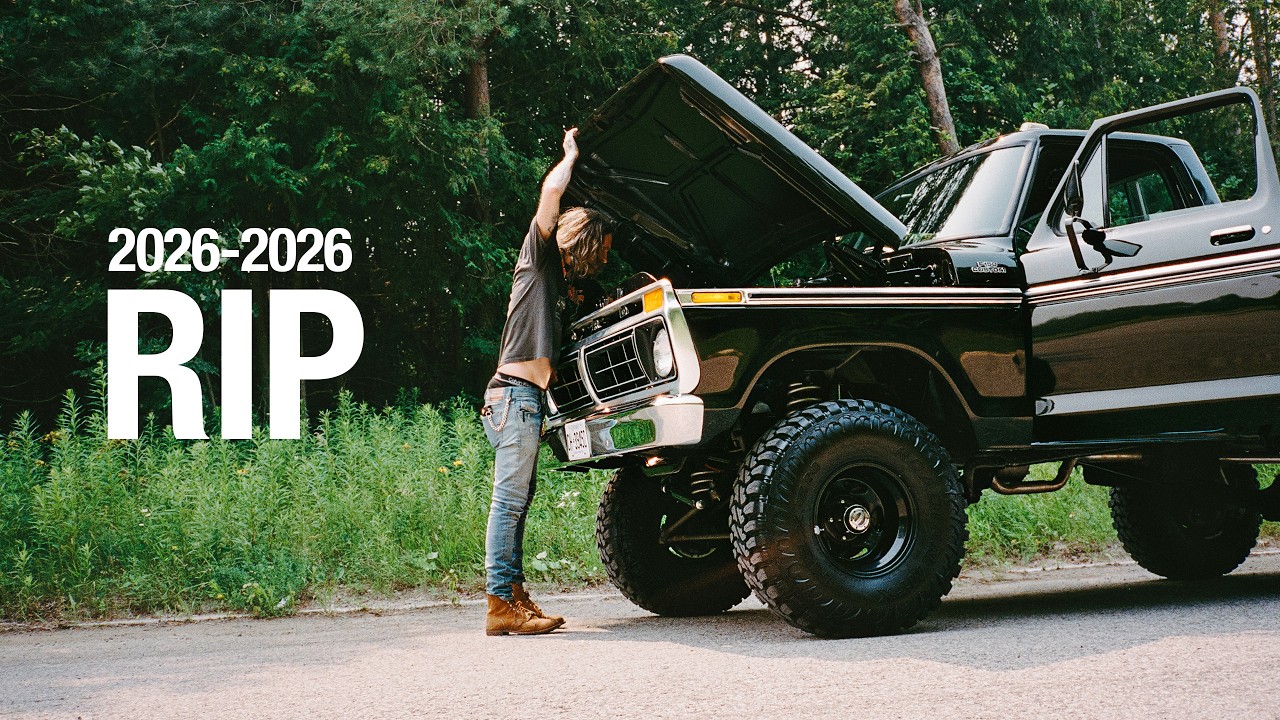
There’s a particular kind of frustration that every photographer knows. Everything looks right. The light is good, your composition is solid, your settings are dialed. And yet something is off and you can’t name it. The image just won’t breathe. I’ve been there on rainy Sunday mornings in Seattle, standing in front of a scene that should be working, cycling through my camera menu like I’m looking for a missing sock.

Zone Focus, Film Burns, and Honest Editing: What Peter McKinnon's NYC Street Shoot Taught Me

Zone Focus, Film Burns, and Honest Editing: What Peter McKinnon's NYC Street Shoot Taught Me

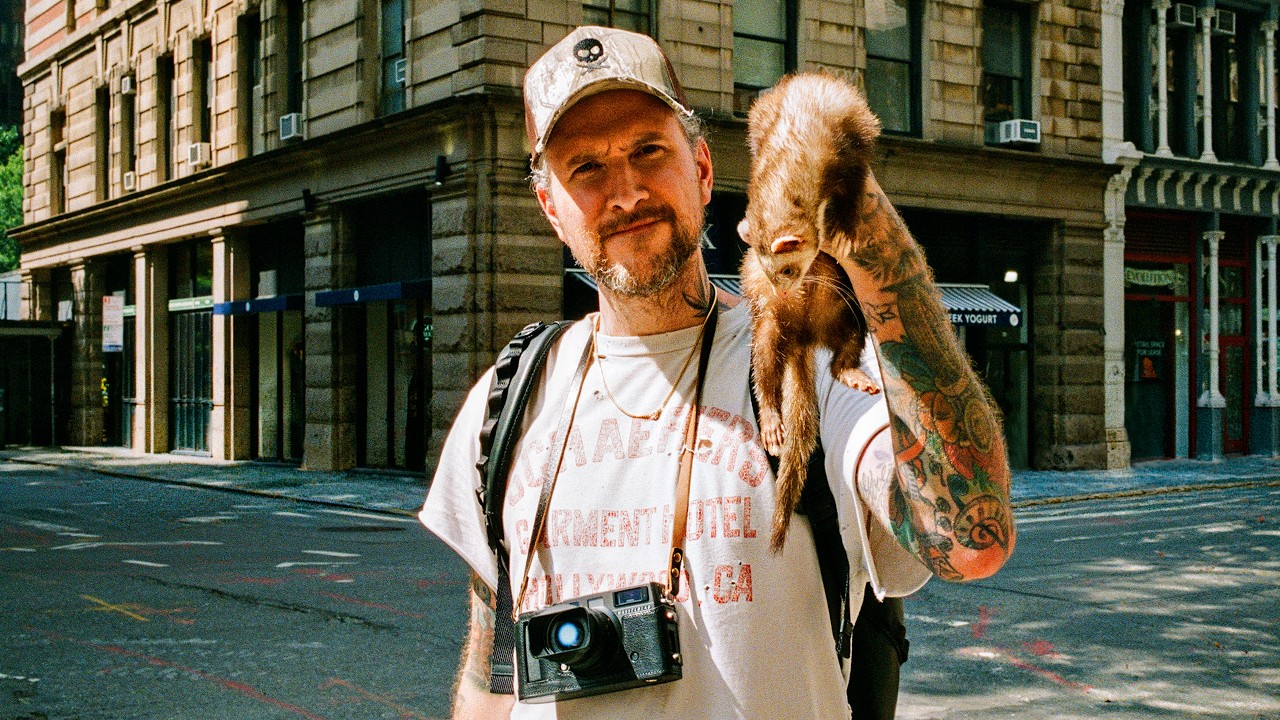
Every Sunday morning I take a photo walk. No client, no brief, just me and whatever camera I grab off the shelf. For a long time, those walks felt like practice without a destination because I was still thinking like a studio shooter. I’d wait for perfect light, fuss over focus, and come home with twelve technically fine images and zero soul. What I was missing was the street shooter’s mindset: decide your settings, commit to your zone, and let the city do the rest.

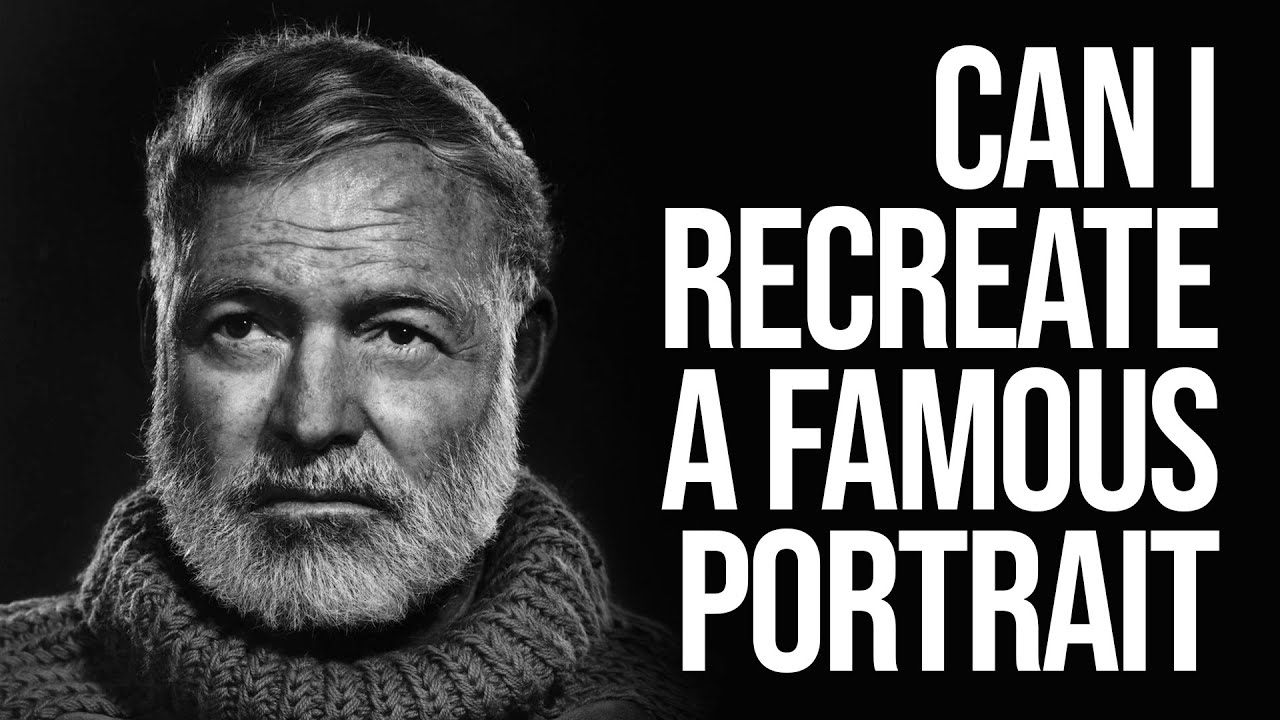
How to Reverse-Engineer Iconic Portrait Lighting (And Why You Should Try It)

How to Reverse-Engineer Iconic Portrait Lighting (And Why You Should Try It)

One skill that separates photographers who grow quickly from those who plateau is the ability to look at a finished image and work backward. Not just admire it, but actually read it. Where is the light coming from? How many sources? What quality? What angle? I learned this the hard way over years of Sunday morning photo walks, squinting at images I admired and having no real framework for understanding what I was seeing.

Stop Chasing Bangers: What Peter McKinnon's Viral Rant Taught Me About Posting Better Photos

Stop Chasing Bangers: What Peter McKinnon's Viral Rant Taught Me About Posting Better Photos

There’s a trap I fell into for a long time, and if you’ve been shooting for more than six months and posting regularly, you’ve probably fallen into it too. Every photo I shared had to be better than the last one. Every Sunday walk had to produce something jaw-dropping, something scroll-stopping, something worth the caption I’d spend twenty minutes writing. When it didn’t, I’d just… not post. And then the gap between posts would grow, and the pressure would compound, and eventually photography started to feel like a job I wasn’t getting paid for.

How to Brighten Your Photos for Print (Without Blowing Out Your Edits)

How to Brighten Your Photos for Print (Without Blowing Out Your Edits)

There is a specific kind of disappointment that hits when you pick up a print order and the image looks like it was shot in a cave. You edited it perfectly on your monitor. It looked rich and moody and exactly right. Then it came back from the lab dark, flat, and missing half the shadow detail you spent an hour coaxing out in post. I have been there more than once, and for a long time I chalked it up to “the lab” as if it were some mysterious force beyond my control.

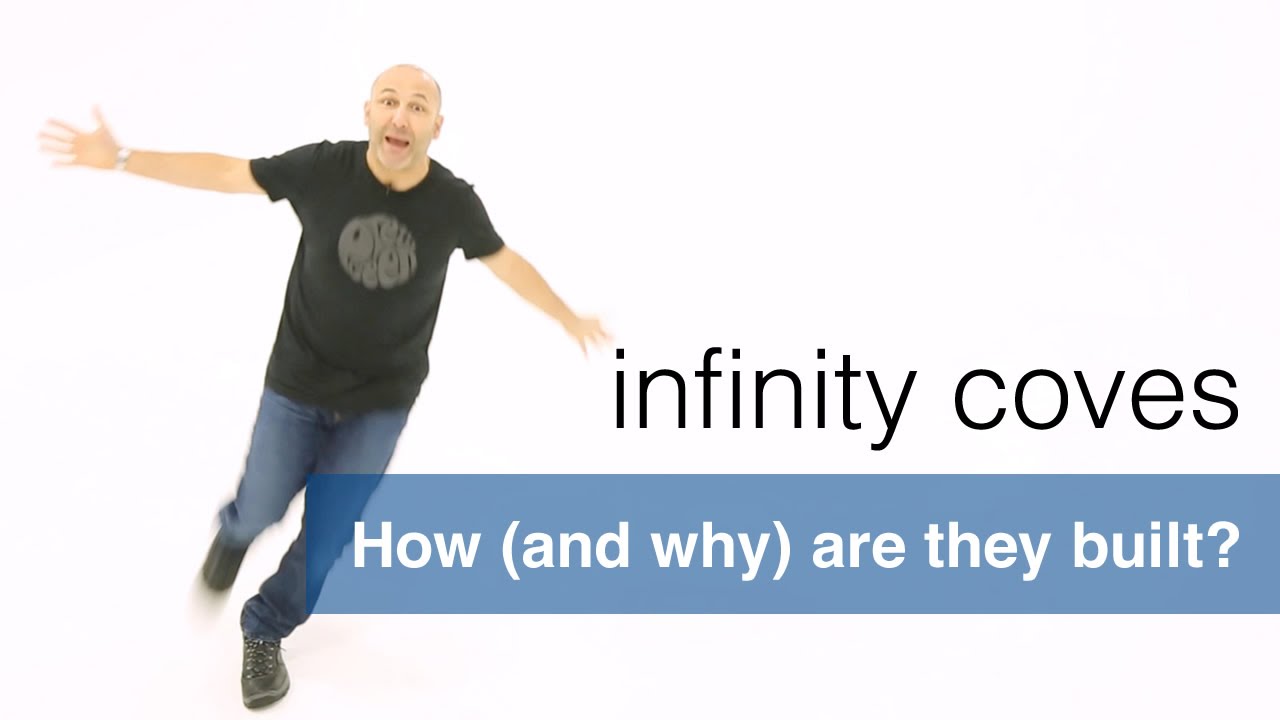
How to Build a Professional Infinity Cove (And Why It Changed How I Think About Studio Backgrounds)

How to Build a Professional Infinity Cove (And Why It Changed How I Think About Studio Backgrounds)

There is a specific frustration that comes with shooting products or full-body portraits against a regular wall. No matter how carefully you light the scene, you get a shadow line where the wall meets the floor, a hard edge that breaks the illusion of infinite space. You can fix it in post, sure, but that adds hours to a job that should feel clean from the start. I have spent more editing sessions than I care to admit painting out that corner crease, and every time I think: there has to be a better way to just build the thing right.