There is a particular kind of photographer whose work stops you mid-scroll. Not because the image is loud or chaotic, but because something in your brain quietly registers that what you are looking at required a level of intention you have not quite seen before. I had that experience the first time I came across Peter Lippmann’s portfolio, and I have gone back to it more times than I can count. If you have ever felt like your product or still life images are technically fine but somehow missing that quality, that felt sense of a real idea behind the frame, Lippmann’s work is the antidote.
In this Visual Education announcement, creator and host presents some exciting news: Peter Lippmann will be joining him for a live interview, and the conversation is open to everyone. Watch the full tutorial on YouTube. I want to break down why this matters, who Lippmann is if you have not encountered his work yet, and how you can get the most out of tuning in.
I started teaching photography after a stranger at a coffee shop leaned over and asked how I got the shot on my phone screen. That question cracked something open for me. I realized that the gap between a good image and a great one is almost always about awareness: knowing what the masters are doing and letting that awareness quietly reshape how you see. Lippmann is one of those masters, and a live interview format is one of the best ways to absorb that kind of knowledge.
Step 1: Understand Who Peter Lippmann Actually Is
 Host gesturing while naming Peter Lippmann on screen
Start here, because context shapes everything you take in afterward. Peter Lippmann is an advertising and still life photographer whose client list reads like a roll call of luxury and heritage brands. His work sits at the intersection of fine art and commercial image-making, which is a balance that very few photographers manage with any consistency.
Host gesturing while naming Peter Lippmann on screen
Start here, because context shapes everything you take in afterward. Peter Lippmann is an advertising and still life photographer whose client list reads like a roll call of luxury and heritage brands. His work sits at the intersection of fine art and commercial image-making, which is a balance that very few photographers manage with any consistency.
What makes him worth studying is not just the visual beauty of his images. It is the complexity layered inside frames that somehow still communicate a single clear idea. That combination, elaborate construction plus crystalline message, is the hardest thing to pull off in commercial photography. Most images either go simple and clear or complex and muddled. Lippmann does neither.
Step 2: Spend Time on His Portfolio Before the Interview
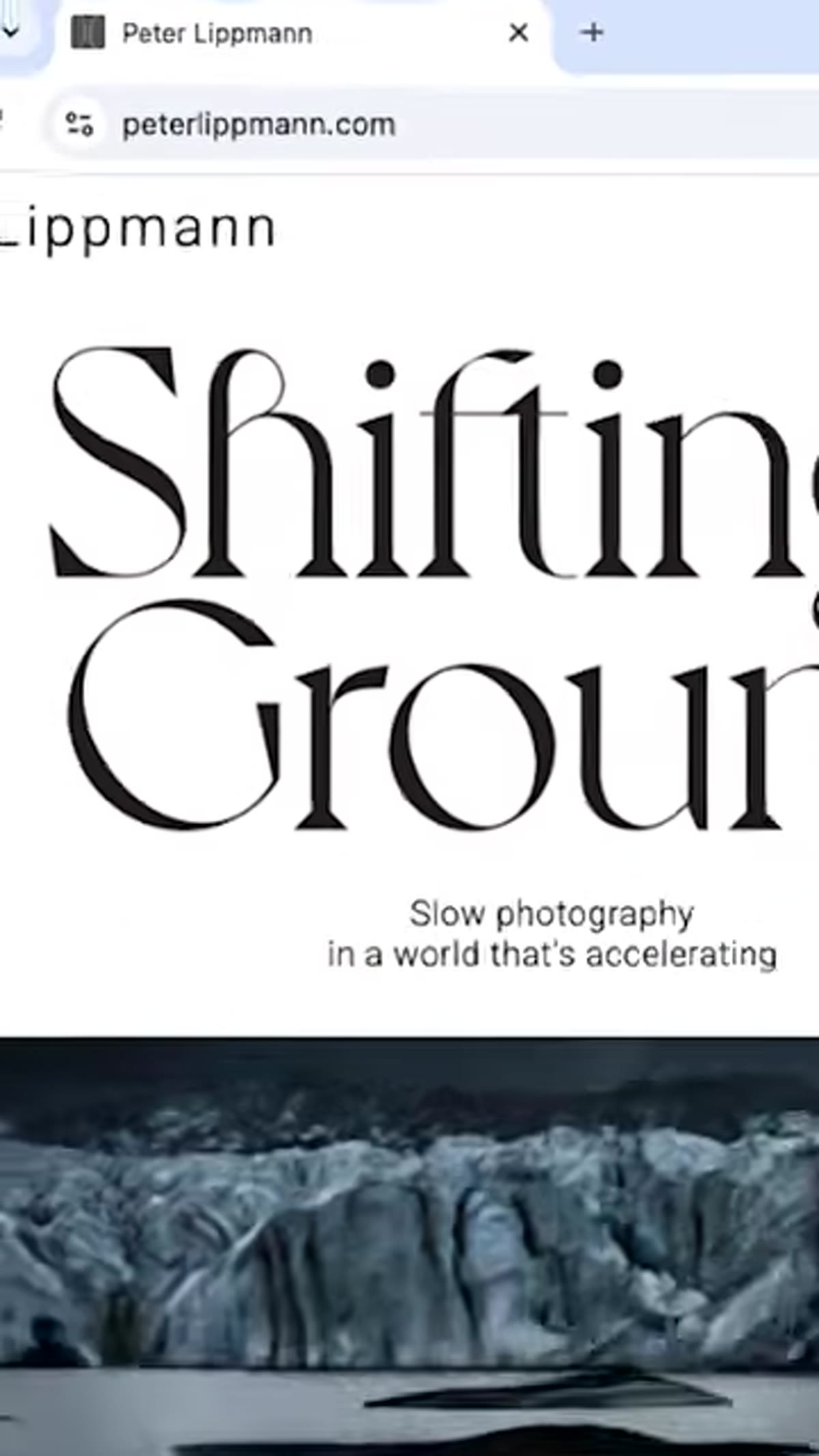 Host referencing peterlippmann.com on screen
Go to peterlippmann.com before September 29th. Do not just skim. Pick two or three images and sit with them. Ask yourself what you think was built in-camera versus composited in post, where the light is coming from and how many sources are likely involved, and what the single idea of the image is.
Host referencing peterlippmann.com on screen
Go to peterlippmann.com before September 29th. Do not just skim. Pick two or three images and sit with them. Ask yourself what you think was built in-camera versus composited in post, where the light is coming from and how many sources are likely involved, and what the single idea of the image is.
This kind of slow looking is the real prep work for getting value out of any interview. When you have already asked the question yourself, hearing someone answer it lands completely differently. Follow him on Instagram too, because his feed gives you a running sense of how his visual thinking evolves across projects rather than just a curated greatest-hits selection.
Step 3: Recognize the Role of Post-Processing in His Work
 Host gesturing while describing post-processing quality
One of the things Visual Education specifically calls out is the post-processing in Lippmann’s images. This is worth pausing on. A lot of photographers treat retouching as a cleanup task, something you do after the real work is done. In Lippmann’s images, the post-processing is clearly part of the original vision. The finishing is so integrated into the image that you cannot cleanly separate it from the shooting.
Host gesturing while describing post-processing quality
One of the things Visual Education specifically calls out is the post-processing in Lippmann’s images. This is worth pausing on. A lot of photographers treat retouching as a cleanup task, something you do after the real work is done. In Lippmann’s images, the post-processing is clearly part of the original vision. The finishing is so integrated into the image that you cannot cleanly separate it from the shooting.
If you are someone who tends to shoot first and think about editing later, watch his work with that in mind. Try to identify where the in-camera capture ends and the post work begins. Spoiler: it is genuinely difficult, and that is the point. When the two phases of image-making talk to each other from the start, the result reads as whole rather than assembled.
Step 4: Prepare Questions You Actually Want Answered
 Host explaining audience can submit questions live
The live format means you can ask your own questions, and that is not a small thing. Most photography education is one-directional. You watch, you absorb, you try to apply. Having direct access to someone working at Lippmann’s level is genuinely rare, and the Visual Education talk show format is built to use that access well.
Host explaining audience can submit questions live
The live format means you can ask your own questions, and that is not a small thing. Most photography education is one-directional. You watch, you absorb, you try to apply. Having direct access to someone working at Lippmann’s level is genuinely rare, and the Visual Education talk show format is built to use that access well.
Think about what you actually struggle with. Not general things like “how do I get better,” but specific friction points. How do you plan a shot that requires three different light setups without losing the thread of the original idea? How do you pitch a complex concept to a client who wants to see the end result before you have built it? Those are the questions worth typing into the chat.
Step 5: Tune In on September 29th via Visual Education
 Host announcing the September 29th date on visualeducation.com
The interview is hosted on visualeducation.com, which is where the full talk show lives. If you are not already familiar with the platform, it is worth bookmarking well before the live date. A live stream has a different energy than a pre-recorded tutorial, and part of that energy comes from watching alongside other photographers who are paying close attention to the same things you are.
Host announcing the September 29th date on visualeducation.com
The interview is hosted on visualeducation.com, which is where the full talk show lives. If you are not already familiar with the platform, it is worth bookmarking well before the live date. A live stream has a different energy than a pre-recorded tutorial, and part of that energy comes from watching alongside other photographers who are paying close attention to the same things you are.
Show up on time. Live interviews with working professionals at this level tend to move quickly, and the early conversation often sets the frame for everything that follows. Missing the first ten minutes of a live talk is not like scrubbing back on a YouTube video. You lose the context that makes the rest of it click.
What I Would Take Into This Interview as a Viewer
I have spent a lot of time studying photographers whose work sits above where I currently am, and the thing I keep learning is that the technical answers are rarely the most useful ones. When someone like Lippmann talks about how he achieves complexity without losing message clarity, the real answer is almost never a specific lens or lighting modifier. It is a way of thinking about an image before a single light is turned on.
If I were watching this live, I would be listening less for gear and settings and more for how he describes his process when an idea is not working. That is where the actual craft lives. Most photographers talk confidently about what goes right. The ones worth learning from can also articulate exactly where things go sideways and how they correct course.
The single most transferable thing you can take from studying any master’s work is their decision-making under uncertainty. Lippmann’s images look inevitable in retrospect, but they were built through dozens of choices that could have gone another way. That is the conversation I want to be in the room for.
Watch the full tutorial on YouTube for the full announcement and a look at some of Lippmann’s work. Then clear your calendar for September 29th.
Comments (2)
This saved me so much time on my last edit. Wish I'd found this sooner.
Really solid breakdown. This pairs perfectly with the lighting work I've been writing about.
Leave a Comment