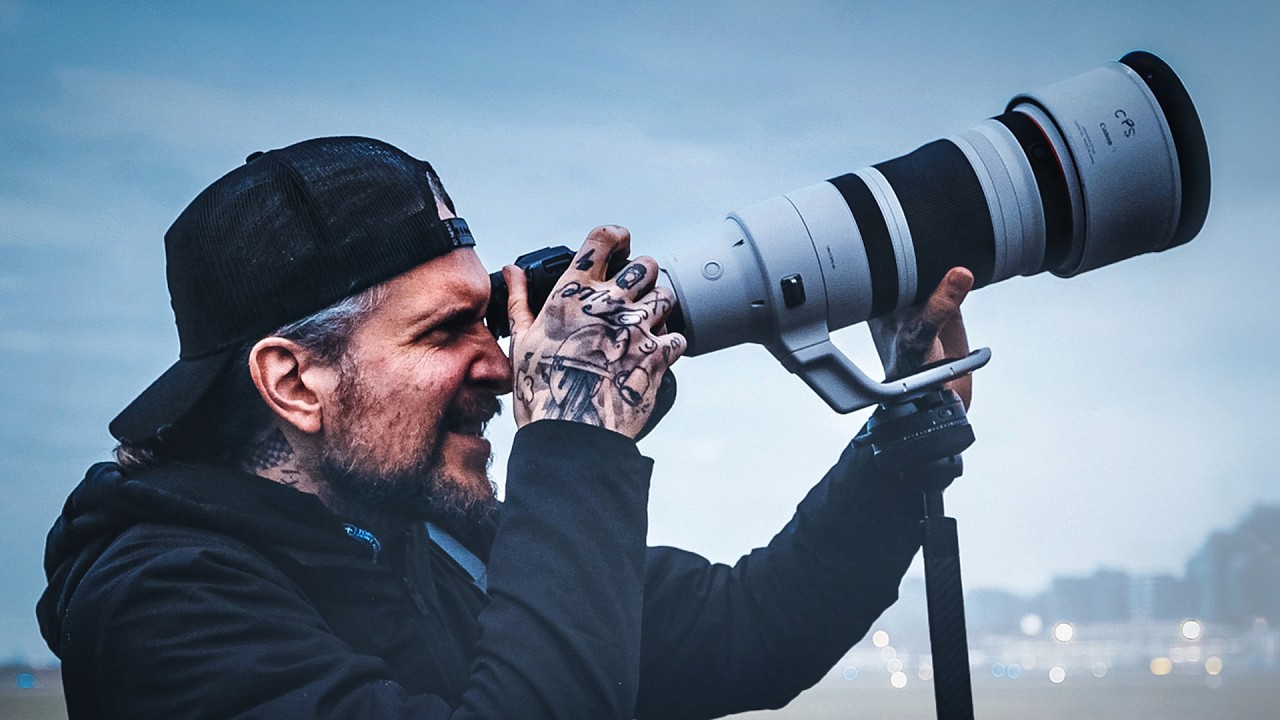
There’s a specific kind of pressure that shows up when you’re photographing something that cannot be repeated. A live stunt. A wedding ceremony. A sunrise that’s only happening once. I’ve felt it standing at a waterfall at 6 AM, soaking wet, telling myself I had one shot before the light moved. No reshoot, no “let me just try one more angle.” That pressure either makes your prep airtight or it exposes every shortcut you took.
In this Peter McKinnon tutorial, he documents a location scouting day for a Red Bull shoot: a paramotorist flying to the top of Toronto’s CN Tower to spiral down in honor of its 50th anniversary. The stakes are about as high as they come. Press release needed 90 seconds after the shot lands. A 50% chance of rain at the exact window they need to film. One pilot, one tower, one sunrise. Watching McKinnon work through his decision-making process out loud is one of the most useful things I’ve seen for photographers who shoot live, uncontrollable moments. Watch the full tutorial on YouTube
What follows is a breakdown of the workflow he uses, extracted into steps you can apply the next time you’re prepping for any high-pressure shoot.
Step 1: Embrace the Anxiety as a Signal, Not a Warning
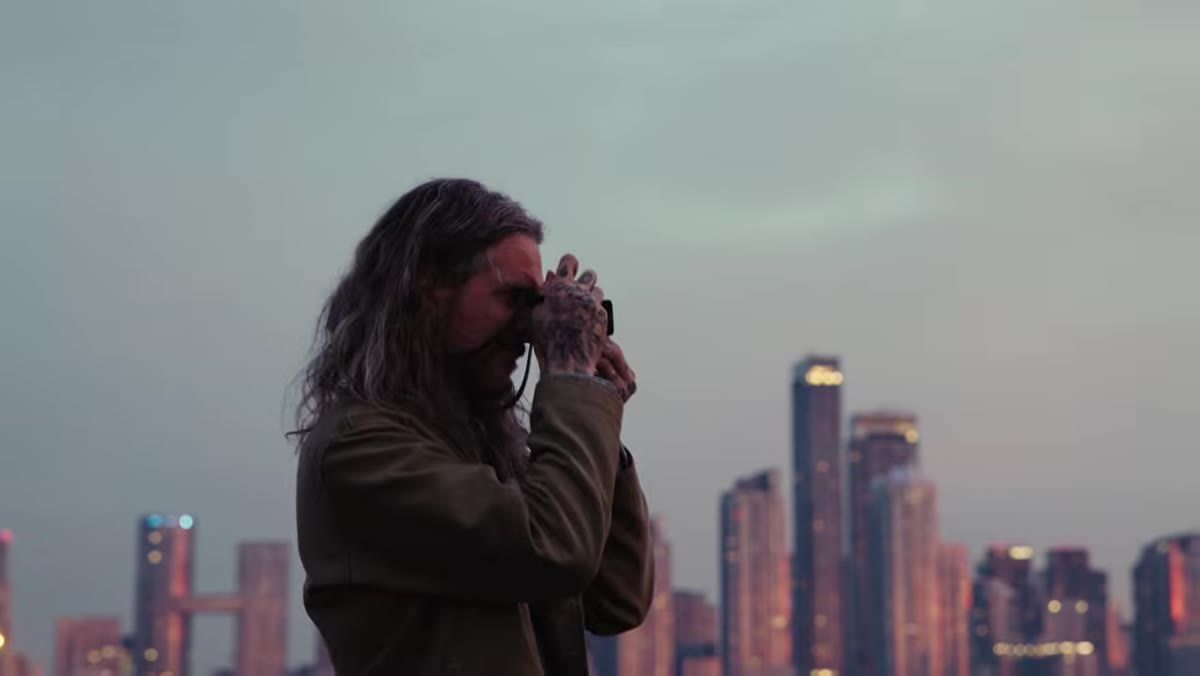 McKinnon speaking candidly about pre-shoot nerves on location
McKinnon is refreshingly honest about something most photographers don’t say out loud: even experienced pros feel like they might not be able to pull it off. He describes talking to his mom the day before the shoot, telling her he was more stressed than excited. His framing is worth sitting with: that pre-shoot anxiety isn’t a sign you chose the wrong project. It might be a sign you care enough to pay attention to the risks.
McKinnon speaking candidly about pre-shoot nerves on location
McKinnon is refreshingly honest about something most photographers don’t say out loud: even experienced pros feel like they might not be able to pull it off. He describes talking to his mom the day before the shoot, telling her he was more stressed than excited. His framing is worth sitting with: that pre-shoot anxiety isn’t a sign you chose the wrong project. It might be a sign you care enough to pay attention to the risks.
Practically speaking, this mindset shift matters because stress and preparation are close cousins. If you’re nervous, use it. Write down everything that could go wrong. Make a list of backup positions. Check your gear twice. The anxiety is your brain doing risk assessment. Let it.
Step 2: Know Your Delivery Constraints Before You Pick a Single Angle
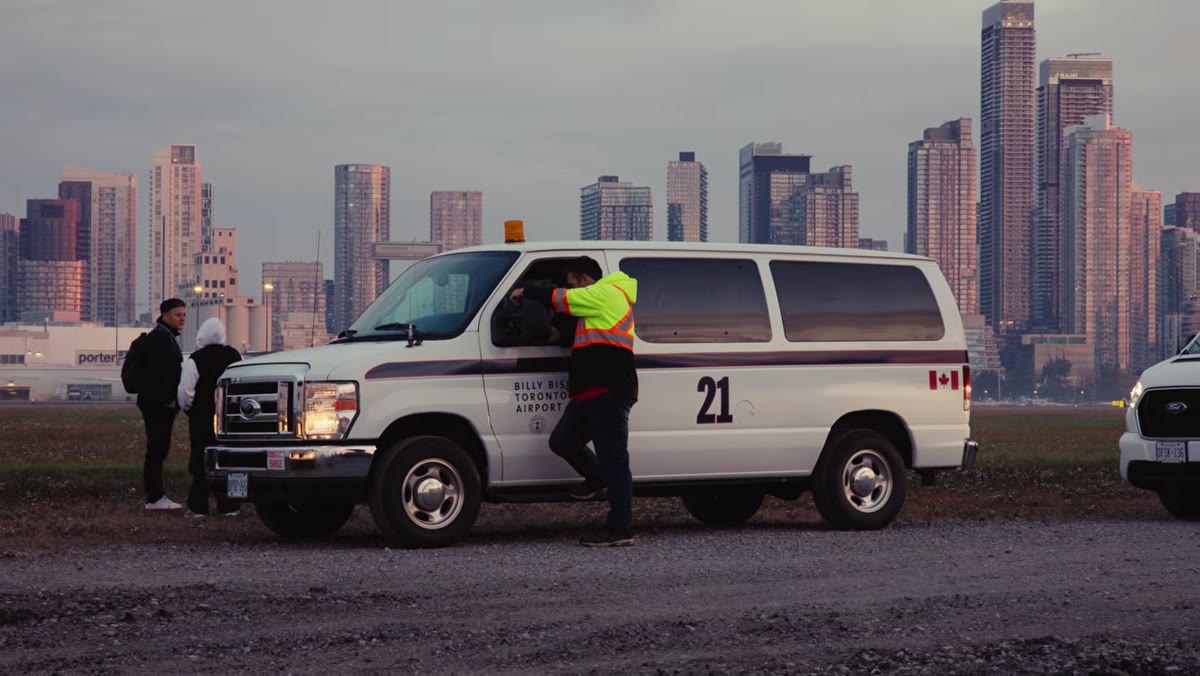 Team discussing the 90-second press release window post-shoot
McKinnon mentions that Red Bull needs a press-ready image 90 seconds after he captures the shot. Before he even scouts a single location, that constraint shapes every decision he makes: which camera body to bring, how many cards he’ll carry, whether he can afford to be somewhere that requires a long transit back to a laptop.
Team discussing the 90-second press release window post-shoot
McKinnon mentions that Red Bull needs a press-ready image 90 seconds after he captures the shot. Before he even scouts a single location, that constraint shapes every decision he makes: which camera body to bring, how many cards he’ll carry, whether he can afford to be somewhere that requires a long transit back to a laptop.
Before your next live shoot, write down the hardest deadline you’re working against and let it filter your location options. A rooftop that requires a 20-minute elevator ride might be the most beautiful angle, but if you’re delivering fast, it may not be viable. Lock in your constraints first, then scout within them.
Step 3: Check Weather Early and Build Around the Worst Case
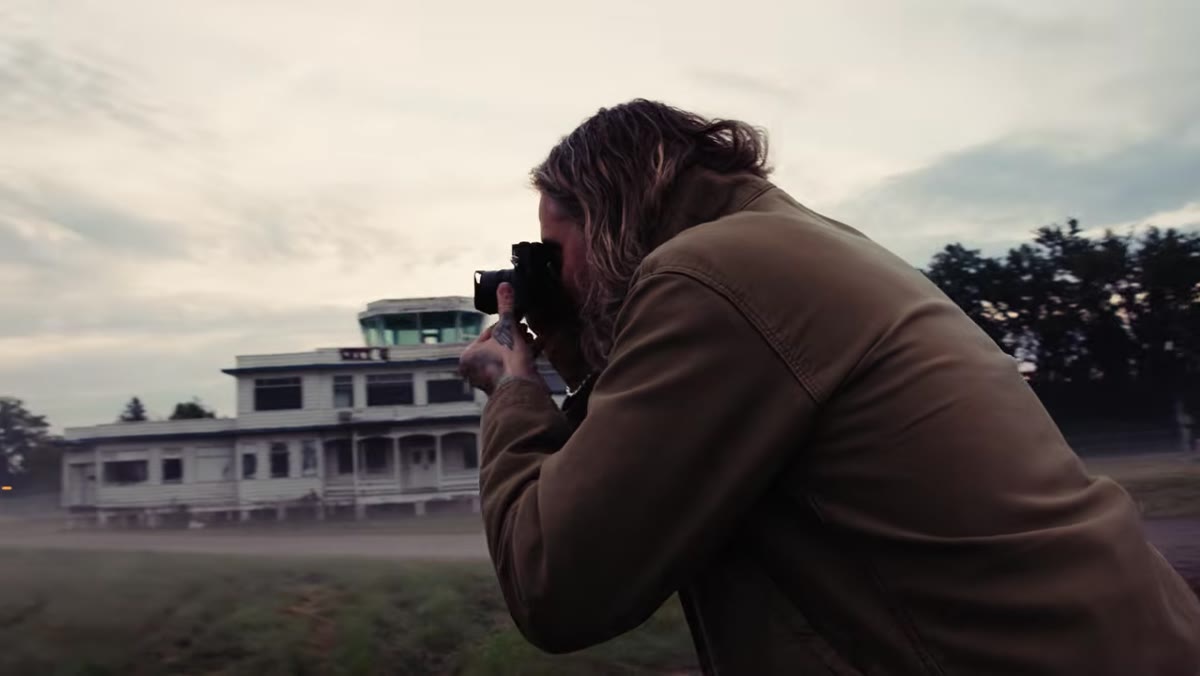 Team reviewing 50% rain forecast for 6 AM shoot window
The team flags a 50% chance of rain right in the middle of their golden hour window. McKinnon doesn’t ignore this or assume it’ll clear up. Instead, the weather check shapes the conversation: will the pilot be able to fly? Can they communicate from the plane if visibility drops? What’s the go/no-go threshold?
Team reviewing 50% rain forecast for 6 AM shoot window
The team flags a 50% chance of rain right in the middle of their golden hour window. McKinnon doesn’t ignore this or assume it’ll clear up. Instead, the weather check shapes the conversation: will the pilot be able to fly? Can they communicate from the plane if visibility drops? What’s the go/no-go threshold?
For your shoots, pull a detailed hourly forecast the night before and again the morning of. Apps like Weather Underground or Windy give you more granular data than a standard weather app. More importantly, decide your thresholds in advance. “If it’s raining at 5:45, we reschedule” is a decision that’s much easier to make at home than in the moment on a rooftop.
Step 4: Scout Multiple Positions, Then Commit to One Logic
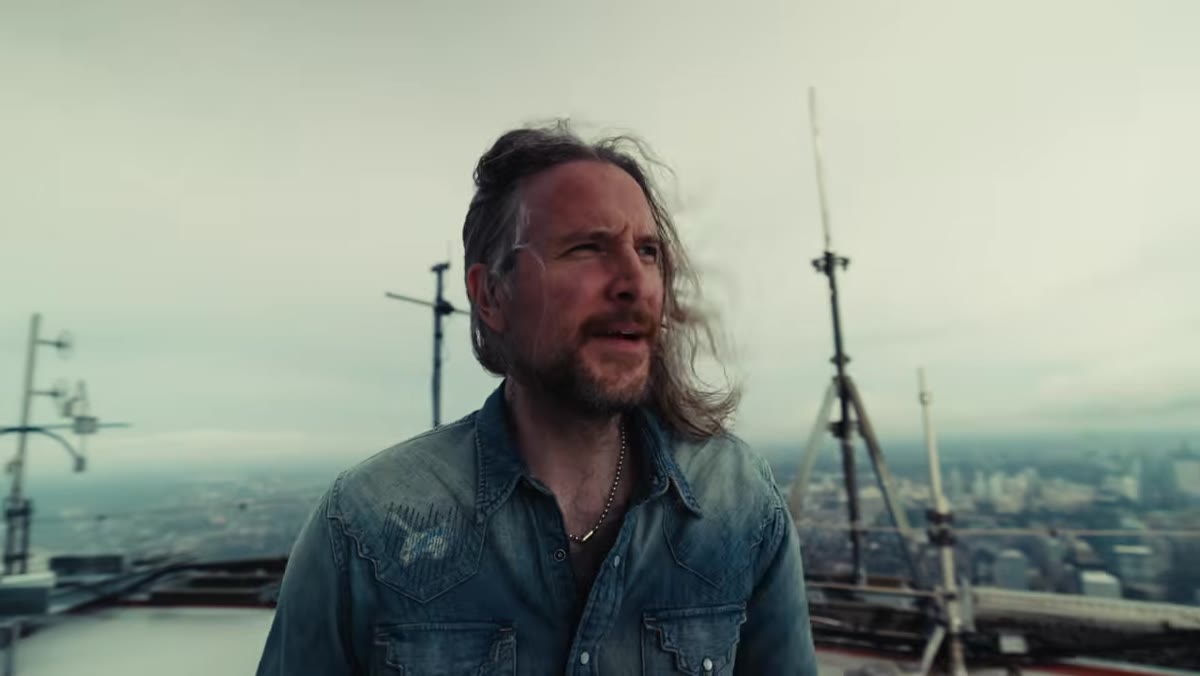 McKinnon strapped to the CN Tower edge, evaluating the angle
McKinnon tests an angle strapped to the edge of the CN Tower itself. It’s dramatic. It would make a great behind-the-scenes photo. And he decides against it, for one clean reason: if you’re on the tower, you can’t see the tower. The landmark disappears from the frame.
McKinnon strapped to the CN Tower edge, evaluating the angle
McKinnon tests an angle strapped to the edge of the CN Tower itself. It’s dramatic. It would make a great behind-the-scenes photo. And he decides against it, for one clean reason: if you’re on the tower, you can’t see the tower. The landmark disappears from the frame.
This is a principle worth internalizing. When you’re scouting, ask yourself whether your subject can actually be the subject from this position. Being inside a moment and being able to photograph a moment are two different things. He ultimately decides a rooftop across the street is better, because it lets the tower become the background while keeping the paramotorist readable in the frame.
Step 5: Prioritize the Shot That Tells the Story Over the Shot That Feels Cool
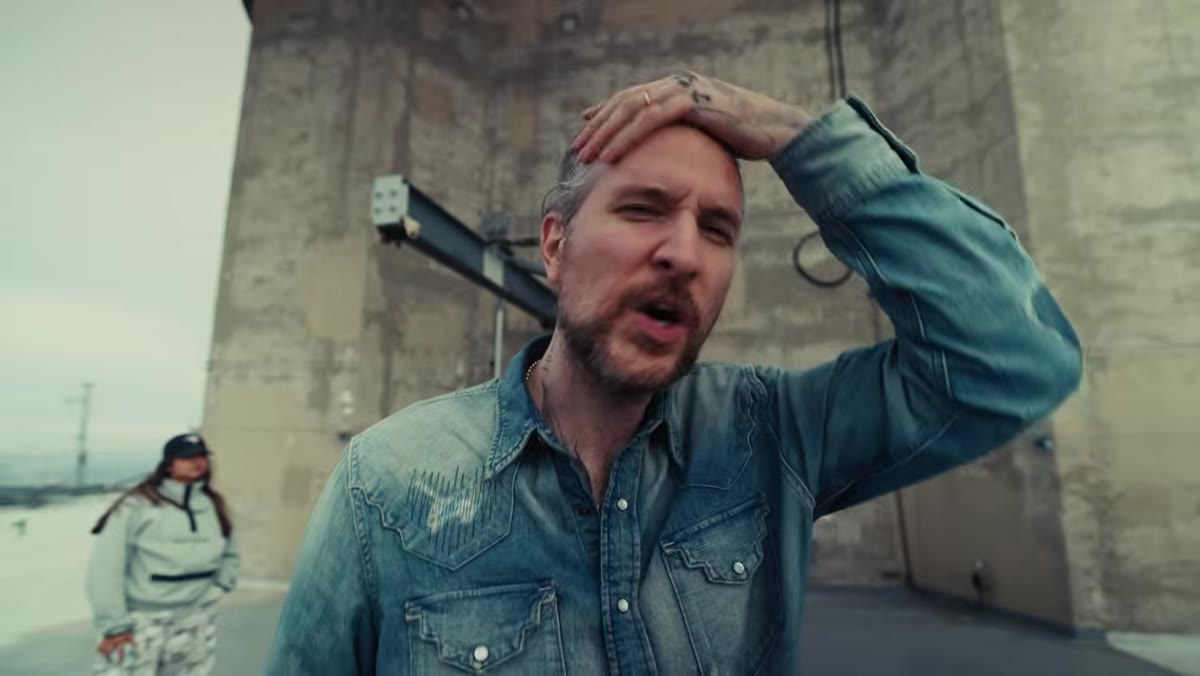 McKinnon explaining why the tower needs to be visible in frame
The distinction McKinnon draws here is one I come back to constantly. The edge-of-the-tower angle feels cool. It’s high, it’s vertiginous, it would make people ask “how did you get up there?” But it doesn’t honor the subject. The shot is supposed to mark a landmark’s anniversary. If the landmark isn’t in the frame, the shot doesn’t do its job.
McKinnon explaining why the tower needs to be visible in frame
The distinction McKinnon draws here is one I come back to constantly. The edge-of-the-tower angle feels cool. It’s high, it’s vertiginous, it would make people ask “how did you get up there?” But it doesn’t honor the subject. The shot is supposed to mark a landmark’s anniversary. If the landmark isn’t in the frame, the shot doesn’t do its job.
Before you lock in an angle, ask: what is this photo supposed to communicate? If the answer requires certain visual elements, make sure those elements can actually appear in your composition. Aesthetic thrill and story clarity don’t always live at the same address.
Step 6: Plan a Two-Camera Setup for Unpredictable Live Moments
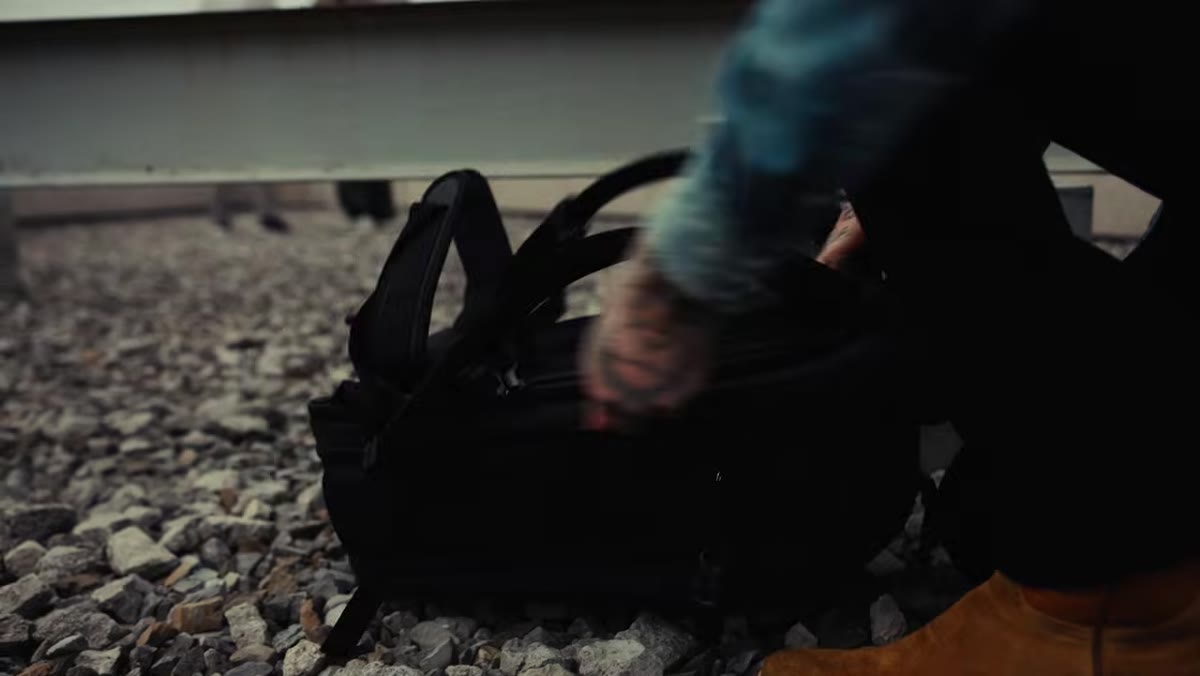 McKinnon describing his two-body camera plan for shoot day
McKinnon describes his plan for the actual shoot day: he’ll have two camera bodies ready. One for the wide, contextual frame with the tower and the pilot in the same shot. One for a telephoto close-up that can capture the pilot’s face and the emotion of the moment: the expression when the wind kicks up, the focus, the fear.
McKinnon describing his two-body camera plan for shoot day
McKinnon describes his plan for the actual shoot day: he’ll have two camera bodies ready. One for the wide, contextual frame with the tower and the pilot in the same shot. One for a telephoto close-up that can capture the pilot’s face and the emotion of the moment: the expression when the wind kicks up, the focus, the fear.
For live event work, this is not optional if you can avoid it. A two-body setup lets you respond to what the moment gives you without burning seconds swapping lenses. If you only have one body, at minimum know in advance which focal length serves your primary deliverable and keep that lens on. Decide the backup shot before the action starts, not during it.
What I’d Add From My Own Experience
The piece of this workflow that doesn’t get talked about enough is the transition from scouting to committing. McKinnon visits multiple spots, weighs them out loud, and then makes a final call. That final call is the hard part.
I’ve stood on too many rooftops in Seattle doing exactly what he warns against: second-guessing a position I’d already decided was right. What helped me was setting a decision deadline during the scout itself. I give myself until 30 minutes before I need to be set up to change my mind. After that, I commit and focus on executing rather than reconsidering. Indecision on location burns the same time as bad prep, and it costs you the mental energy you need for the actual shoot.
The single most transferable thing McKinnon demonstrates here is that professional photography under pressure is mostly a planning problem. The creative decisions, the camera work, the instincts you’ve built. those happen fast and they happen well when the logistical framework is already locked in. Scout early, know your constraints, pick your position for story reasons not aesthetic ones, and have your two-camera plan ready before the moment arrives.
Watch the full tutorial on YouTube to see McKinnon’s scouting process in real time. There’s a lot in the subtext of how he moves through locations and talks to his team that no written breakdown can fully capture.
Comments
Leave a Comment