There’s a specific kind of dread I know well. You’ve committed to a shoot. The client is confirmed, the location is booked, and somewhere between agreeing to it and actually showing up, your brain starts asking whether you were the right person for the job in the first place. I’ve felt it before a dawn beach shoot, before a corporate portrait session, before pretty much every assignment that mattered. What I didn’t expect was to watch one of the most-followed photographers on YouTube describe the exact same feeling out loud, on camera, mid-scout.
In this Peter McKinnon tutorial, Watch the full tutorial on YouTube, McKinnon doesn’t open with a gear review or a lighting setup. He opens with honesty: he’s stressed, he’s not sure he can pull off the project, and he’s out here scouting with a film camera anyway. That combination, the self-doubt sitting right next to the forward motion, is the actual technique. And it’s one that took me years to understand. If you’ve ever talked yourself out of a shoot before you even arrived, this breakdown is for you.
Step 1: Bring a Film Camera on Your Scout
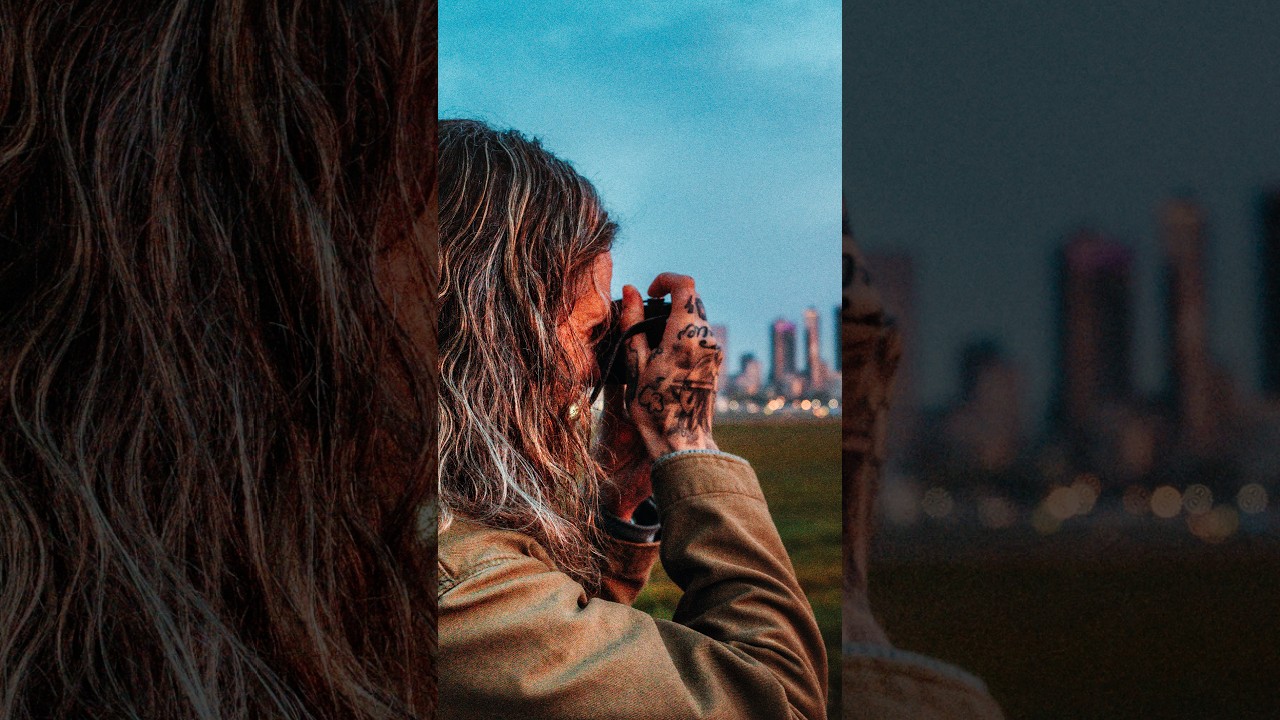
 Peter McKinnon holding a film camera on location
Before McKinnon evaluates a single angle or checks the light direction, he pulls out a film camera. This isn’t nostalgia. Shooting on film during a scout forces a discipline that digital doesn’t naturally create: you can’t spray and pray. Each frame costs something, so you’re forced to slow down and actually look at the location rather than just document it.
If you shoot digital exclusively, you can replicate this constraint. Set your camera to single-shot mode and give yourself an artificial limit, say 12 frames for the entire scout. The goal isn’t to capture the final image. It’s to train your eye to commit to a composition before you press the shutter.
Step 2: Let the Location Speak Before You Impose a Shot List
 McKinnon scanning the environment, reacting to what he sees
Notice in the early moments of the scout how McKinnon reacts to the space rather than immediately measuring it for a pre-planned shot. He moves through it, looks around, and lets something catch his attention organically. That instinctive reaction, the “wait, look at this” moment, is data. It tells you where the energy of a location actually lives, which is often different from where you assumed it would be when you planned from a desk.
On your next scout, resist opening your shot list for the first ten minutes. Walk the space empty-handed. Note what you’re drawn to and what feels flat. That first impression is worth more than any Pinterest reference board because it reflects how the space actually reads to a fresh set of eyes.
Step 3: Name Your Anxiety and Keep Moving
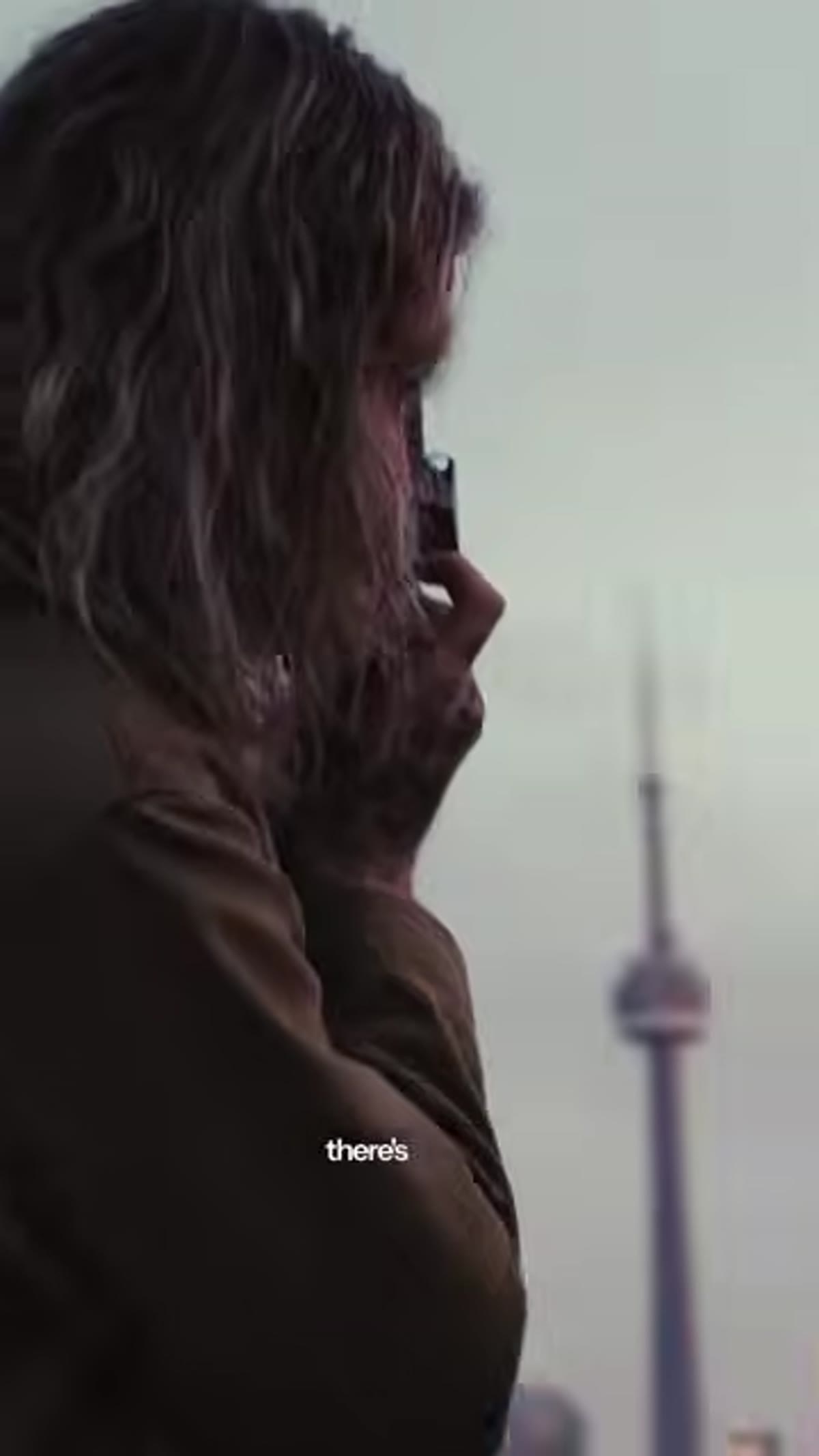 McKinnon speaking candidly about pre-shoot stress and doubt
This is the step most tutorials skip entirely because it doesn’t look like a technique. But McKinnon’s candid admission, that no matter how many projects he completes, he still questions whether he’s the right person for the next one, reframes creative anxiety as a constant rather than a warning sign. It’s not telling you to stop. It’s just weather.
The practical application here is journaling or voice-noting before a big shoot. Get the doubt out of your head and into a format where you can look at it. Once it’s external, it has less power over your decision-making on location. I started doing this before my Sunday photo walks and it changed how I arrive at a scene. Instead of second-guessing my first composition, I’ve already burned through the doubt in the car.
Step 4: Use the Scout to Build Shooting Confidence, Not Just a Shot Map
 McKinnon moving through the location, referencing past successful projects
McKinnon references a previous project, the eclipse shoot, as proof that his anxiety was wrong before. This is deliberate self-coaching, and it’s a real technique. When you’re scouting, you’re not just looking for angles. You’re also building the psychological evidence that you can execute here. Every composition you find on the scout is a small confirmation that there’s something worth shooting.
Keep a notes app entry for each location you scout. Write down three things the space has going for it. Not what you’ll do with them yet, just what exists. By the end of a twenty-minute scout, you’ll have a list of assets instead of a list of fears. That shift alone changes what you produce when you come back with your full kit.
Step 5: Commit to Doing It Live
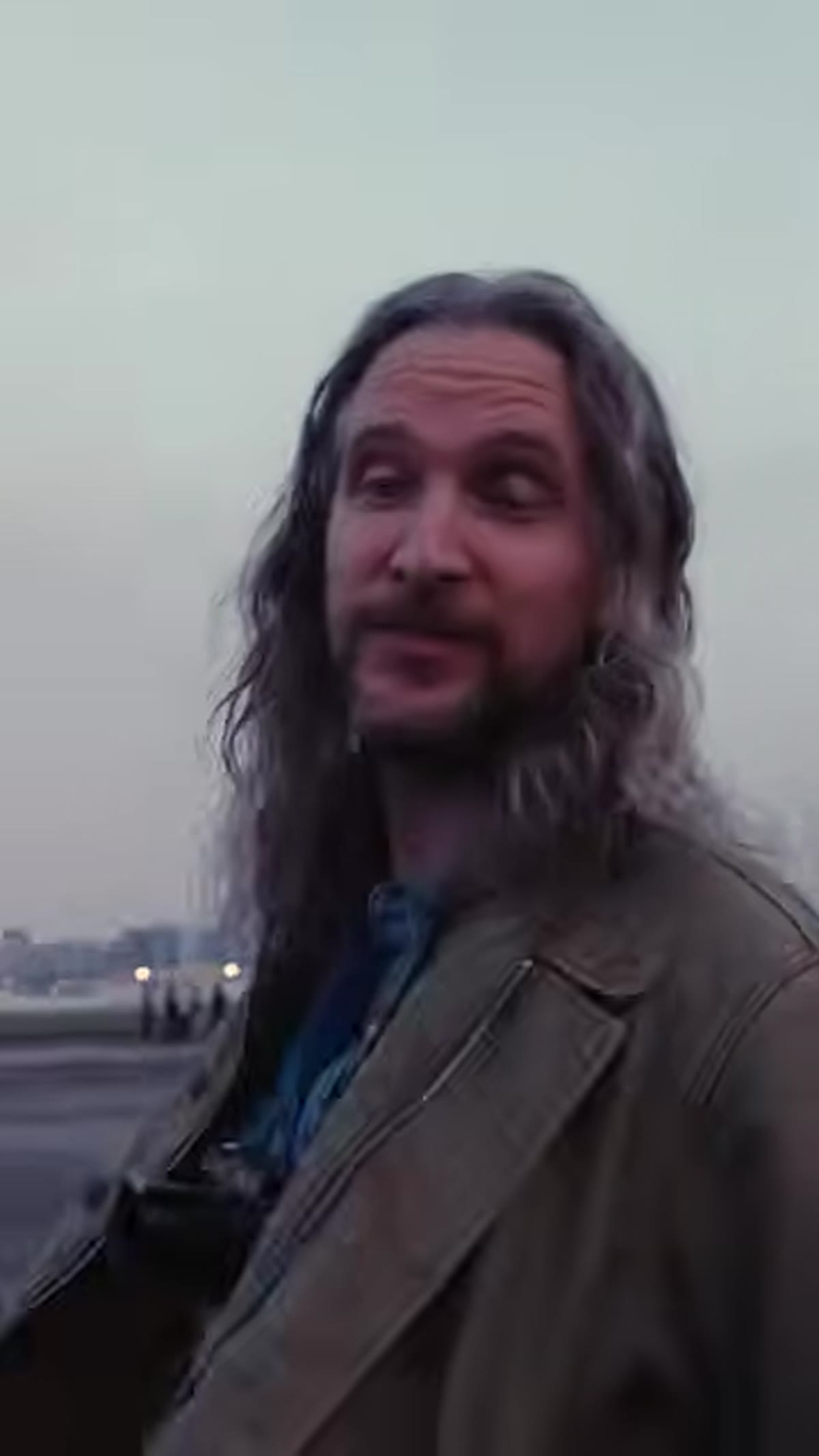 McKinnon declaring they’ll figure it out on location in real time
The closing move of McKinnon’s scout mentality is the decision to proceed without certainty. He doesn’t wait until he’s confident. He commits to working through it in real time, on location, with whatever conditions show up. For photographers who over-plan or over-research before a shoot, this is the hardest step and also the most important one.
Practically, this means setting a non-negotiable arrival time for your shoot and holding it regardless of how prepared you feel. Preparation has a ceiling. At some point, showing up is the only remaining task. Once you’re on location with your camera in hand, the creative problem-solving that actually produces good images kicks in automatically.
My Own Addition: Scout the Same Spot Twice if You Can
I’ve been scouting locations for shoots since I first started teaching workshops here in Seattle, and the single biggest upgrade to my process was returning to a location a second time, ideally at a different hour. Your first scout shows you what’s there. Your second scout shows you what changes. Light shifts, shadows move, crowds thin out or build up. The gap between visit one and visit two is where your actual shot plan comes together.
If a second scout isn’t logistically possible, at least pull up a sun position app like PhotoPills or Sun Surveyor and run a simulation of how the light will move during your planned shooting window. It won’t replace being there, but it closes some of the gap.
The single most important thing McKinnon models here is that doubt and action are not mutually exclusive. You don’t have to resolve the anxiety before you start working. The scout is the work. Showing up with a film camera and an honest conversation with yourself about whether you can pull it off, that’s not weakness. That’s how serious photographers actually operate.
Watch the full tutorial on YouTube and pay attention to how McKinnon moves through the space. There’s as much to learn from his process as from anything he says out loud.
Comments
Leave a Comment