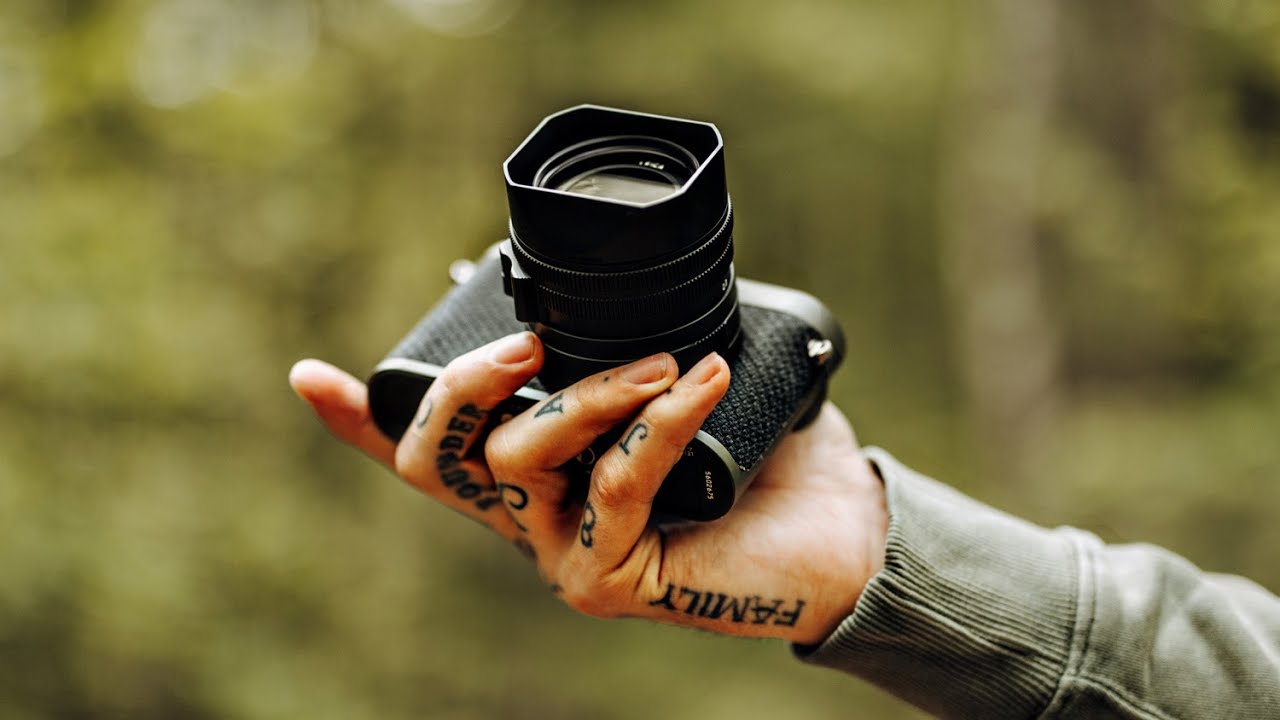
There’s a particular kind of creative rut that’s hard to name but easy to recognize. You’re not taking bad photos. You’re just taking the same photos. Same focal length, same approach, same instincts firing in the same order. I lived in that rut for longer than I’d like to admit, mostly because my system worked and nothing forced me to question it. It wasn’t until I started paying attention to photographers who deliberately boxed themselves in that I understood constraints could be the most useful tool in the bag.
In this Peter McKinnon tutorial, Watch the full tutorial on YouTube, McKinnon documents what happened when he picked up the Leica Q2 Reporter Edition after spending nearly two decades loyal to a small circle of familiar cameras and lenses. What makes this video worth studying isn’t the camera itself. It’s the shift in thinking that comes with committing to a single fixed focal length and letting that limitation reshape how you see.
This is one of those tutorials that doesn’t hand you a list of settings. It hands you a philosophy. And if you’ve been shooting on autopilot, it might be exactly the disruption you need.
Step 1: Recognize When Comfort Has Become a Ceiling
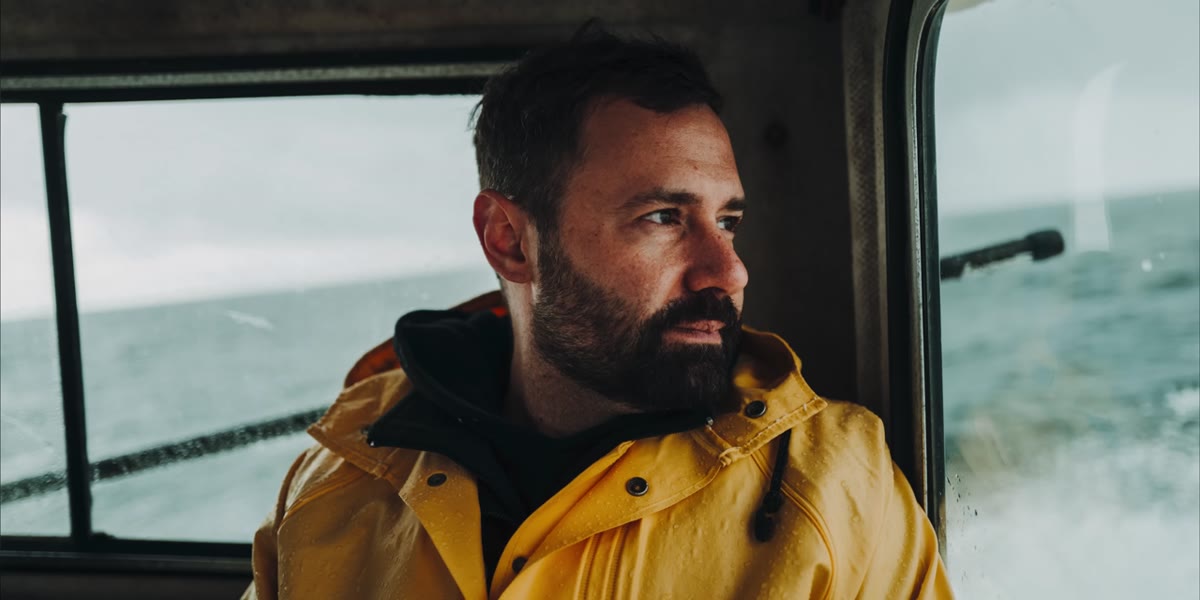 McKinnon describing 17 years of using the same cameras
McKinnon opens by being unusually honest for a gear video. He’s spent 17 years traveling the world with his camera, but almost entirely within a familiar set of tools. Different focal lengths here and there, different apertures, sure. But the core system stayed the same. The lesson here isn’t about brand loyalty being bad. It’s about noticing when familiarity stops serving your growth and starts substituting for it.
Take a look at your last 50 photos. Are they all shot at roughly the same distance from your subject? Same lens? That pattern isn’t necessarily wrong, but it’s worth naming. The first step in McKinnon’s process is simply awareness: he acknowledges the rut before he can leave it.
Step 2: Choose a Camera That Forces a Different Behavior
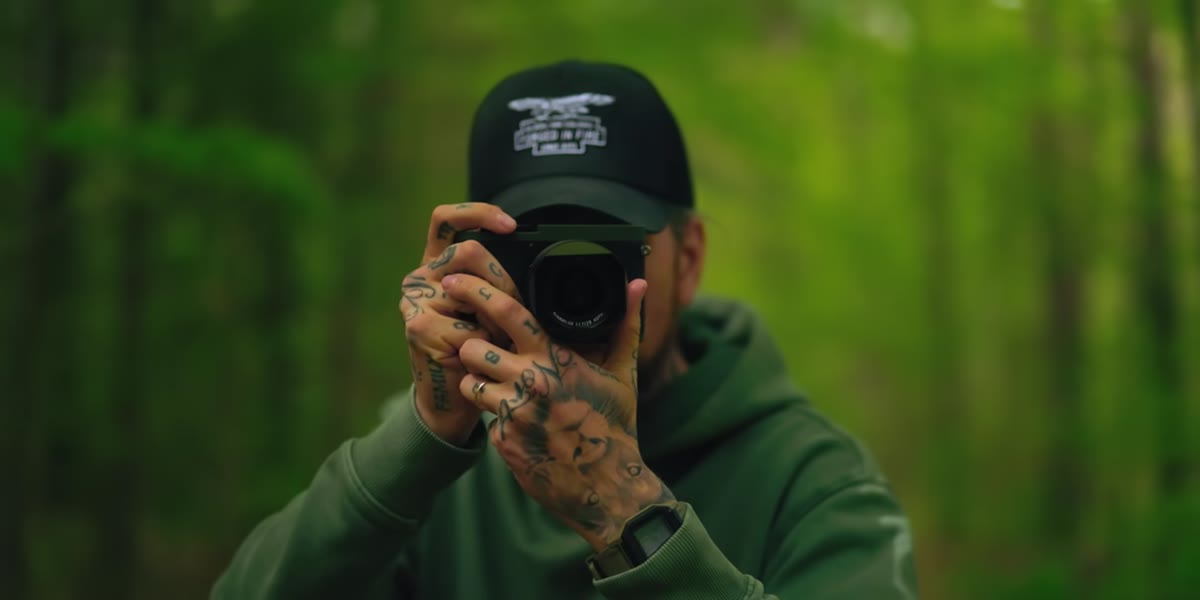
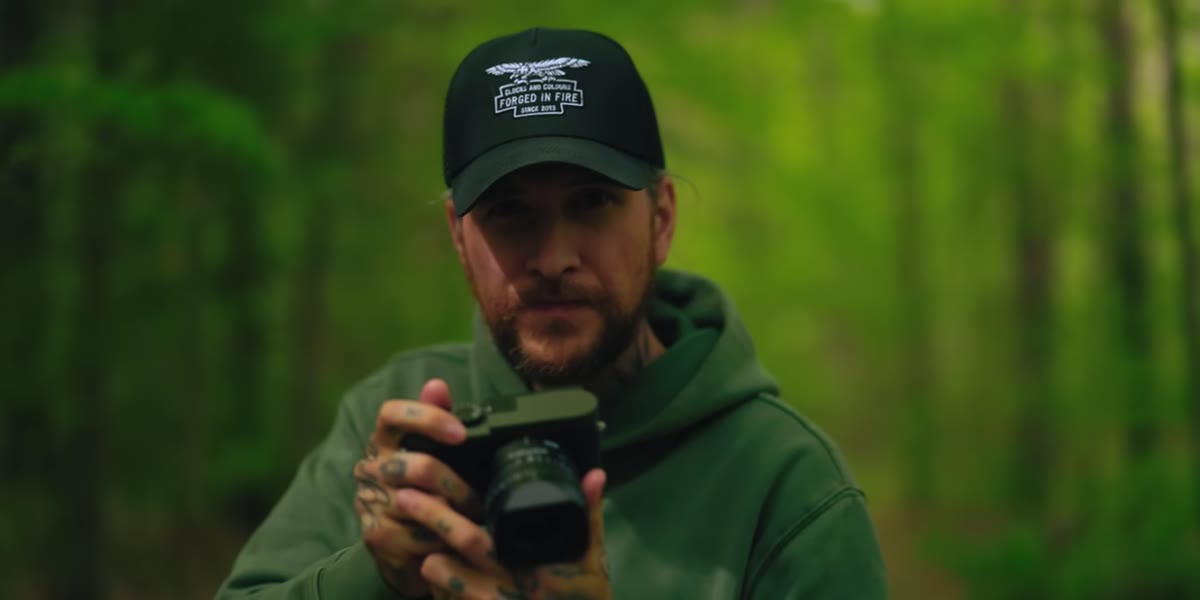 McKinnon holding the Leica Q2 Reporter Edition
The Leica Q2 Reporter Edition is a fixed-lens camera. It ships with a 28mm f/1.7 lens and that’s the only lens it will ever have. You cannot swap it out. There is no interchangeable mount. For a photographer accustomed to pulling a 50mm or 85mm when the scene calls for it, this is a real constraint. McKinnon is clear that this is exactly why he was drawn to it.
If you’re not in the market for a Leica, that’s fine. The gear isn’t the point. The point is selecting one lens, one focal length, one camera body, and committing to it for an extended period. Tape your zoom lens at 35mm. Leave your second body at home. Create the same kind of problem for yourself and see how your shooting adapts.
Step 3: Learn to Read a Camera’s Native Character
 McKinnon and Matty reviewing Tofino shots on a laptop
Something McKinnon kept coming back to, and that his photographer friends all confirmed independently, is that the Leica Q2 produces images with a look that’s hard to articulate but immediately recognizable. Deeper blacks. A quality to the shadows that reads almost like film. He and his colleague reviewed their Tofino shots side by side on a laptop and kept asking each other: what is different here?
This is a useful exercise regardless of your camera. After a shoot, pull up your images and look at them as a set. What does your camera do with shadows? How does it render skin tones or greens? Every sensor has tendencies, and understanding yours means you can lean into those tendencies instead of fighting them in post. McKinnon didn’t try to make his Leica files look like his usual camera. He studied what the camera wanted to do and worked with it.
Step 4: Let the Focal Length Change How You Move
 McKinnon discussing how the fixed lens changes his shooting approach
A fixed 28mm wide-angle lens means you have to get physically closer to your subject to fill the frame the way you might with a 50mm or longer. This changes your relationship with the scene. You’re not standing back and pulling it toward you optically. You’re moving your body, adjusting your angle, getting into the space rather than observing it from a distance.
McKinnon describes this as the camera trying to get him to shoot differently. That’s a good frame to borrow. When you pick up an unfamiliar focal length, stop thinking about what you’re losing and start asking what behavior this focal length requires of you. A 28mm asks you to commit. It puts you in the scene. That’s a creative demand, not a limitation.
Step 5: Embrace Subtle, Unbranded Gear for Candid Work
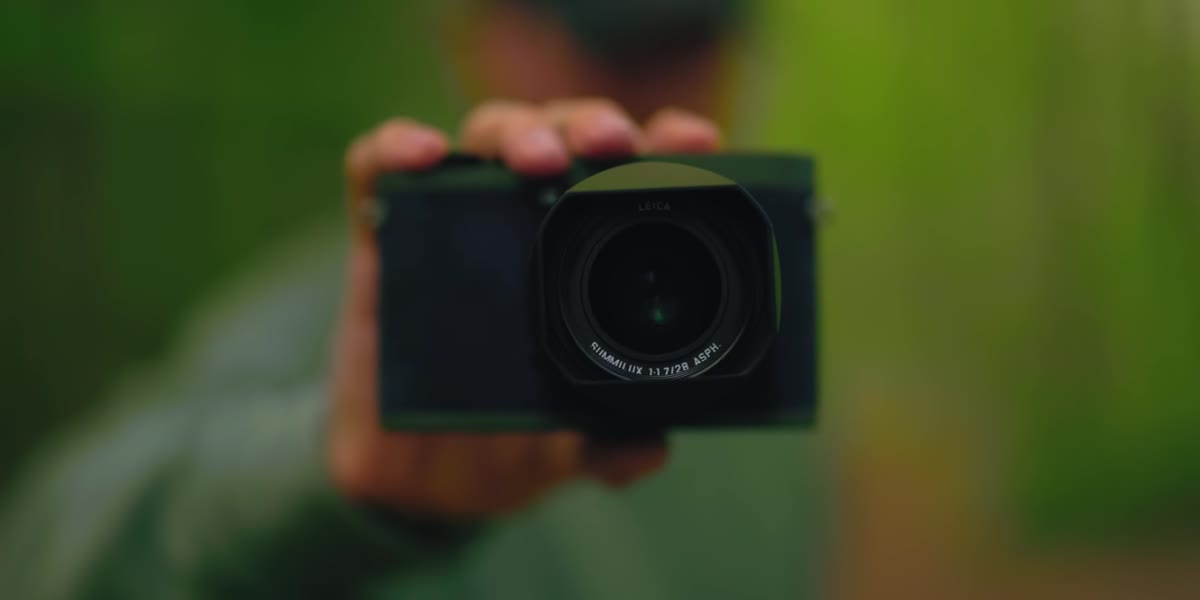
 Close-up of the Leica Q2 showing no visible branding or red dot
One detail McKinnon mentions that’s easy to skip past: the Reporter Edition has no visible branding. No red dot. No logos. He describes this as almost strategic, and he’s right. Cameras that look like cameras change how people behave around you. A discreet, understated body, especially one that reads more like an old film camera than a modern DSLR, lets you work without drawing attention.
You don’t need a Leica for this. A smaller mirrorless body, a vintage-looking film camera, even a less conspicuous color for your strap can reduce the social friction of shooting in public. If street photography or candid portraits are part of your work, the visual profile of your gear matters more than most people account for.
What I’d Add From My Own Sundays
I do a photo walk every Sunday morning, usually before Seattle wakes up properly. About a year ago I started leaving my zoom lens at home and taking only a 35mm prime. The first few weeks were genuinely frustrating. I kept arriving at a scene and wishing I could compress the background or reach across a wider street. Then something shifted. I stopped grieving the shots I couldn’t get and started seeing the shots the lens was actually good at. My eye reorganized itself around what was possible.
McKinnon’s Leica experiment is a high-budget version of the same practice. But the principle scales down completely. Pick one lens. Shoot with it for a month. Don’t switch when it gets inconvenient. The inconvenience is where the learning lives.
The biggest thing to carry away from this tutorial is that creative stagnation often disguises itself as competence. McKinnon wasn’t taking bad photos before the Leica. He was taking good, reliable, familiar photos. The switch didn’t make him a better technician. It made him a more curious one. That curiosity is available to any photographer willing to impose a restriction and actually respect it.
Watch the full tutorial on YouTube and pay attention to the moments where McKinnon talks about what the camera is asking him to do. That framing alone is worth the watch time.
Comments
Leave a Comment