The Portrait Photographer's Real Job (And Why Your Subject Is Working Against You)

The Portrait Photographer's Real Job (And Why Your Subject Is Working Against You)

Portrait sessions make me nervous in a way that landscape work never does. A mountain doesn’t care how it looks. A person absolutely does. And for the longest time, I couldn’t quite name what was actually happening in those first few awkward minutes of a shoot, when my subject is smiling too hard or standing too stiff, and I’m firing off frames that look technically fine but feel completely hollow.
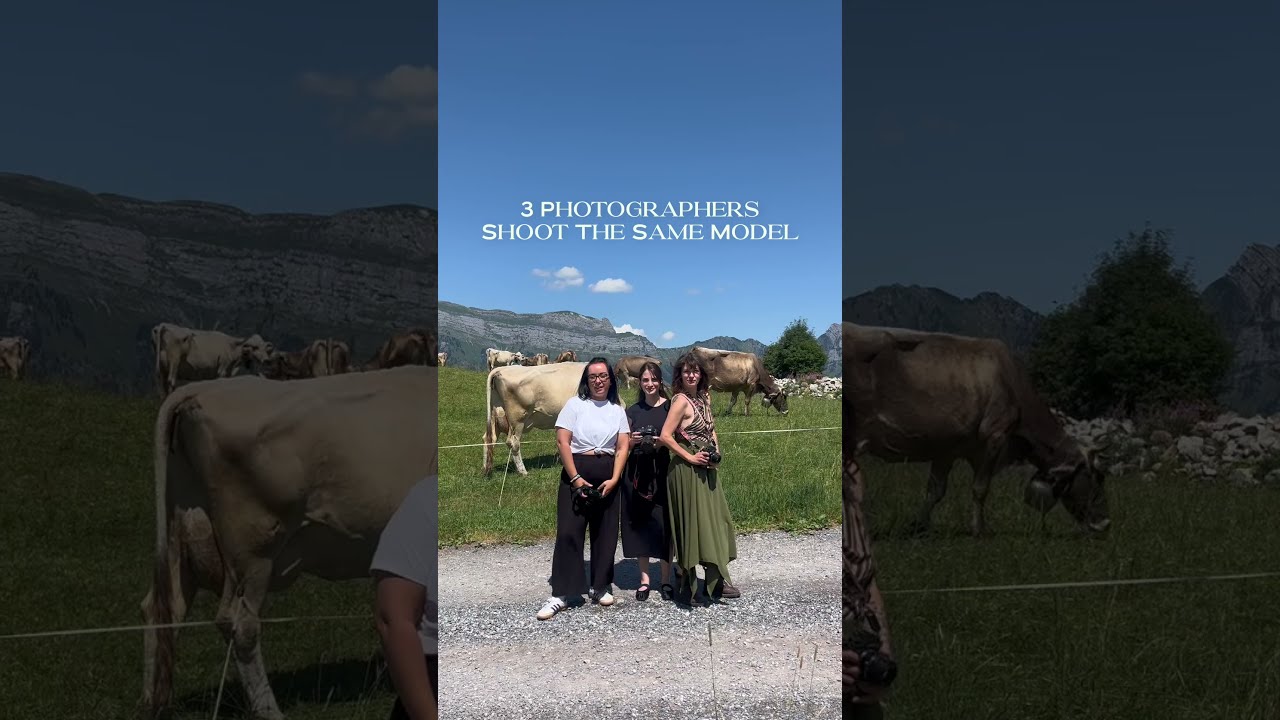
What Happens When 3 Photographers Shoot the Same Model (And What It Taught Me About My Own Style)

What Happens When 3 Photographers Shoot the Same Model (And What It Taught Me About My Own Style)

The Uncomfortable Question I Keep Avoiding Last month I was shooting a friend for her brand refresh, and about twenty minutes in I realized I was making the same three choices I always make. Same shooting angle, same light side of the face, same “look slightly off camera” direction. She looked great. The photos were fine. But fine isn’t what either of us was hoping for. That’s the problem no one really talks about: developing a personal style is great, until that style becomes a rut you can’t climb out of mid-shoot.

How to Shoot 70 Corporate Headshots in Two Hours (Without Losing Your Mind)

How to Shoot 70 Corporate Headshots in Two Hours (Without Losing Your Mind)

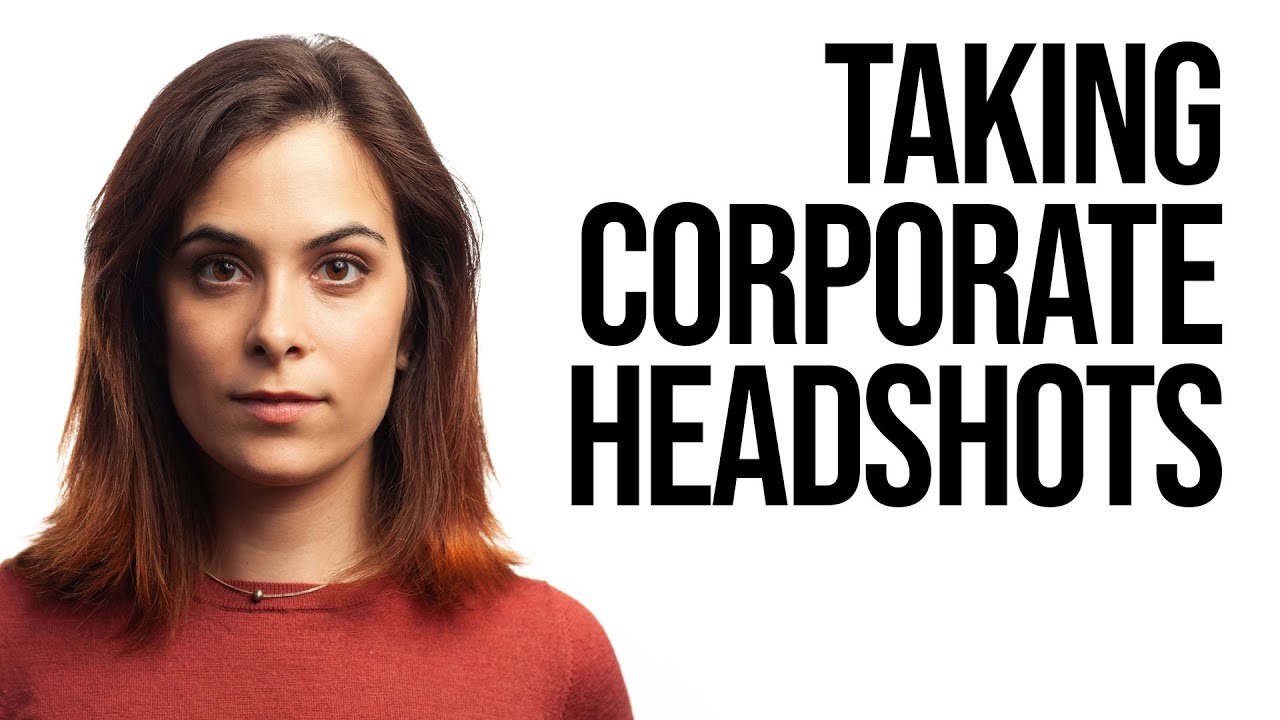
Corporate headshot work isn’t glamorous. Nobody’s going to pin your LinkedIn profile photos on their mood board. But here’s the thing I’ve learned over the years: it pays reliably, it fills the calendar gaps that kill your cash flow, and if you can do it well under pressure, it builds a reputation that keeps companies calling you back. The problem is most portrait photographers, myself included when I started, approach these jobs with a single-session mindset.

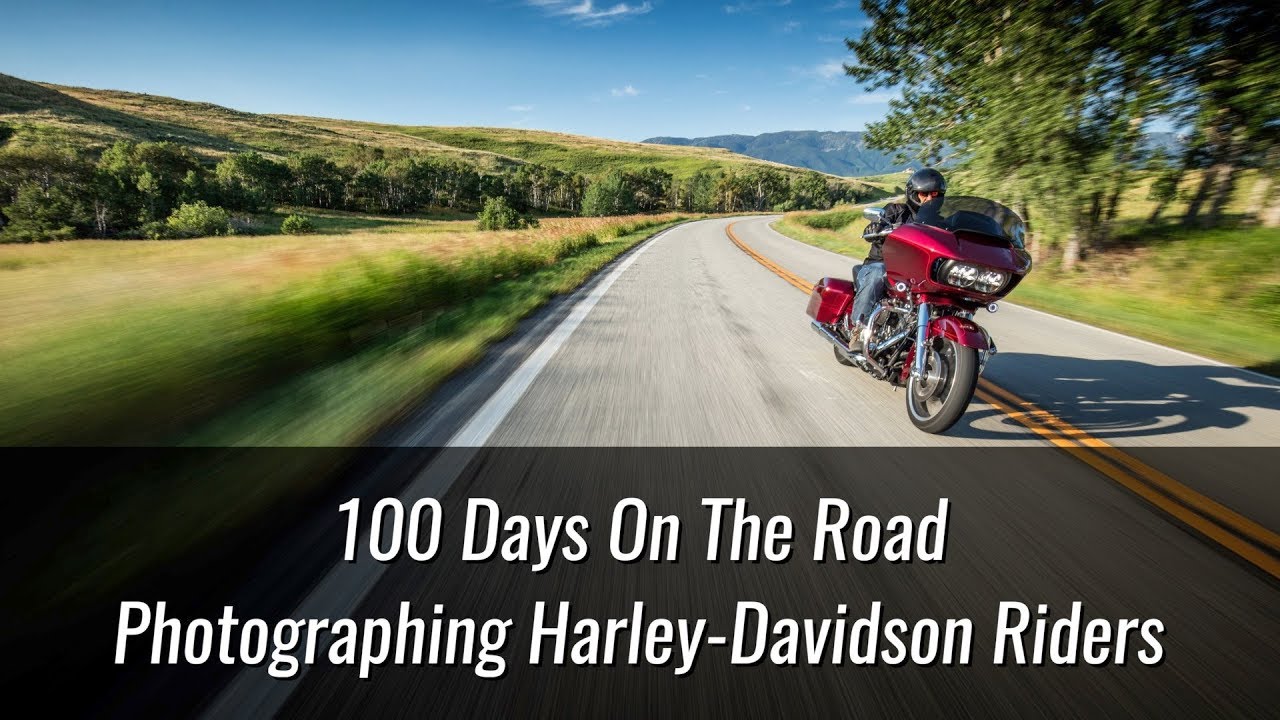
How Joel Grimes Shot 100 Days of Harley Riders (And What It Teaches You About Building a Real Body of Work)

How Joel Grimes Shot 100 Days of Harley Riders (And What It Teaches You About Building a Real Body of Work)

There’s a question I get asked constantly in my Sunday morning photo walks, usually from someone who’s been shooting for a year or two and feels like their portfolio is just… scattered. They’ve got landscapes, some street shots, a few portraits from a friend’s birthday, maybe a pet photo. Good individual images. No cohesive story. I never had a clean answer for that until I watched this tutorial from Joel Grimes.

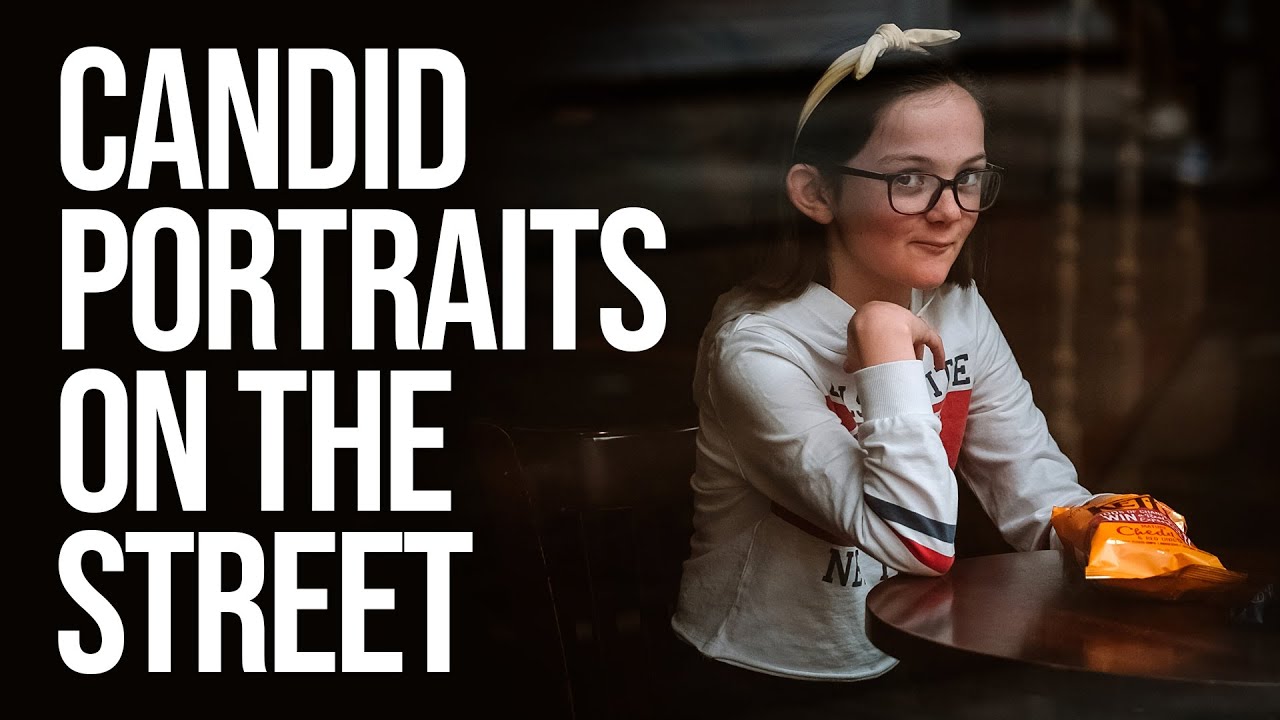
How to Shoot Candid Street Portraits That Actually Look Like Portraits

How to Shoot Candid Street Portraits That Actually Look Like Portraits

There’s a specific kind of street photo I used to think was just luck: a single person, sharp against a blurred background, completely unaware of the camera, yet somehow looking like a deliberate portrait. Every time I saw one I’d wonder, “How did they get that without the person posing?” I’d tried the walk-up-and-ask method before and loved it, but the results always had that slight stiffness of someone who knows a lens is pointed at them.

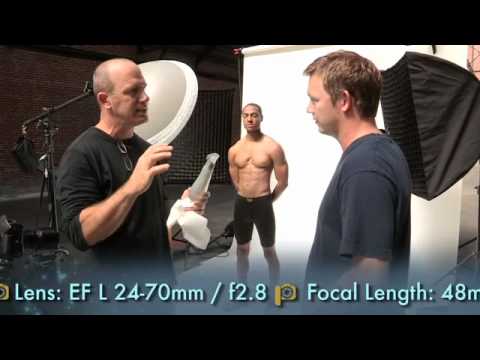
How Joel Grimes Lights, Shoots, and Composites Athletes (And What I Stole From His Workflow)

How Joel Grimes Lights, Shoots, and Composites Athletes (And What I Stole From His Workflow)

I used to think dramatic athlete portraits required a massive studio budget and a team of assistants. Then I watched enough Joel Grimes tutorials to realize the gap between “looks professional” and “looks like a million dollars” is mostly just intentional light placement and a few clever tricks in post. If you shoot portraits, fitness clients, or anyone you want to look genuinely powerful on camera, this workflow is worth understanding from the ground up.

The Excuses Keeping Your Portrait Work Stuck (And What to Do Instead)

The Excuses Keeping Your Portrait Work Stuck (And What to Do Instead)

The Moment I Stopped Blaming My Gear Last spring, I handed my phone to a stranger at a coffee shop and asked her to grab a quick shot of me at the table. She fumbled with it for a second, then handed it back apologetically. “I’m not a photographer,” she said. I smiled and told her neither was I, once. That exchange is part of why I started teaching, and it’s also why a recent Visual Education tutorial landed so hard when I watched it.

Stop Avoiding Overcast Days: Why Flat Light Is Perfect for Portrait Photography

Stop Avoiding Overcast Days: Why Flat Light Is Perfect for Portrait Photography

Stop Avoiding Overcast Days: Why Flat Light Is Perfect for Portrait Photography I’ve watched countless photographers pack up their gear the moment clouds roll in, convinced that good light has vanished for the day. I used to do the same thing. But after years of working in various conditions, I’ve learned that this assumption is completely backward. The truth is that overcast skies offer some of the most forgiving and beautiful light available to portrait photographers.

How Tilt-Shift Lenses Change Perspective (And Why It's Not Just About Megapixels)

How Tilt-Shift Lenses Change Perspective (And Why It's Not Just About Megapixels)

Every Sunday morning I take a photo walk around Seattle, and I keep running into the same frustration: I want a wide environmental feel around my subject, but I don’t want the distortion and spatial stretching that comes with slapping a 16mm lens on my camera. The subject looks like they’re standing on the moon, everything pushed apart, the background practically a postage stamp. For a long time I thought the only fix was to shoot at a longer focal length and just accept a tighter frame.

What Four Working Photographers Agree On When It Comes to Shooting People

What Four Working Photographers Agree On When It Comes to Shooting People

Last month I was on a shoot with a friend who wanted some updated headshots, just casual stuff in her backyard, nothing fancy. I kept stopping myself mid-shot because I couldn’t figure out why the images felt stiff. The light was fine. The lens was fine. She looked great. Something about the direction I was giving her was falling flat, and I couldn’t name it in the moment. That nagging feeling is exactly why I sat down with episode 700 of The Grid, a long-running photography talk show by KelbyOne.

How to Reverse-Engineer Famous Portrait Lighting (And Actually Shoot It Yourself)

How to Reverse-Engineer Famous Portrait Lighting (And Actually Shoot It Yourself)

Portrait lighting analysis is one of those skills that separates photographers who keep getting better from ones who plateau. I spent years looking at images I admired and feeling vaguely inspired but having no idea how to translate what I was seeing into something I could actually set up in front of a subject. That changed when I started forcing myself to reverse-engineer lighting setups the way a mechanic would pull apart an engine.

What Irving Penn Can Teach You About Breaking Your Own Photography Rules

What Irving Penn Can Teach You About Breaking Your Own Photography Rules

Every few months I’ll look back at a batch of portraits and feel like something is technically correct but emotionally flat. The exposure is good, the focus is sharp, the background is clean. And yet. There’s a version of this problem I spent years trying to name before I finally landed on it: I was making photographs the way I was taught to make photographs, not the way I actually saw things.