
Every Sunday morning I take a photo walk through whatever neighborhood Seattle decides to throw at me that week. And for a long time, I noticed something embarrassing: I kept missing moments. A laugh right before I expected it. A glance that lasted half a second. By the time my camera locked focus and confirmed it, the shot was gone. I blamed my timing. Turns out, I might have been blaming the wrong thing.
In this Peter McKinnon tutorial, he visits the New York City studio of Jason Roman, a photographer who has spent years shooting professionally on movie sets and posters. The conversation that unfolds isn’t really about gear or editing. It’s about one specific habit that Roman credits for making him faster and more decisive than most photographers working with modern autofocus cameras. Watch the full tutorial on YouTube before or after reading this. Either way, what Roman says will stick with you.
The core idea sounds almost backwards the first time you hear it: Roman is faster shooting manual focus than he is with autofocus. Not just equally fast. Faster. Once McKinnon digs into why, the logic becomes hard to argue with. And it completely changed how I think about the relationship between knowing your camera and trusting yourself.
Step 1: Understand Why Autofocus Creates a Hidden Delay
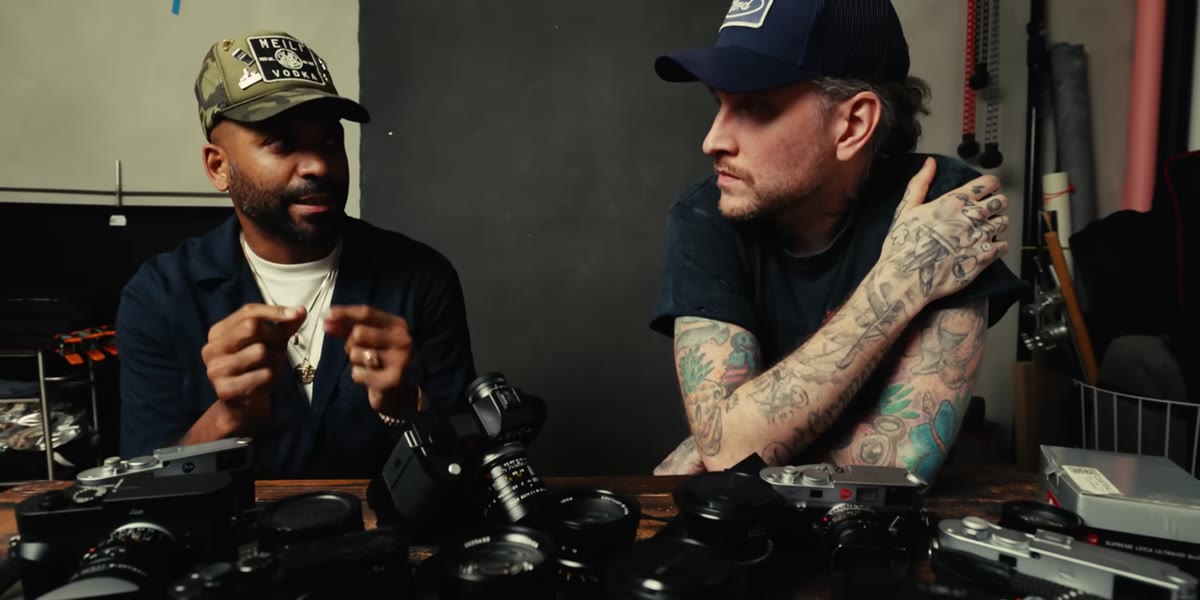 Jason Roman explaining autofocus lag to Peter McKinnon
Before you can break the habit, you have to see it. Roman describes returning to autofocus cameras after years of shooting with a Leica and feeling an unmistakable lag, even if it measured in milliseconds, between pressing the shutter and the camera deciding what to grab onto. That tiny mechanical hesitation is enough to cost you the shot.
Jason Roman explaining autofocus lag to Peter McKinnon
Before you can break the habit, you have to see it. Roman describes returning to autofocus cameras after years of shooting with a Leica and feeling an unmistakable lag, even if it measured in milliseconds, between pressing the shutter and the camera deciding what to grab onto. That tiny mechanical hesitation is enough to cost you the shot.
This is not an anti-technology argument. Modern autofocus is genuinely impressive. But Roman’s point is that the camera is making a decision that should belong to you. When you press the shutter, you should already know what is in focus and why. The camera figuring it out in real time means you are reacting to your camera, not to the scene in front of you.
Step 2: Start Thinking in Focal Planes, Not Focus Points
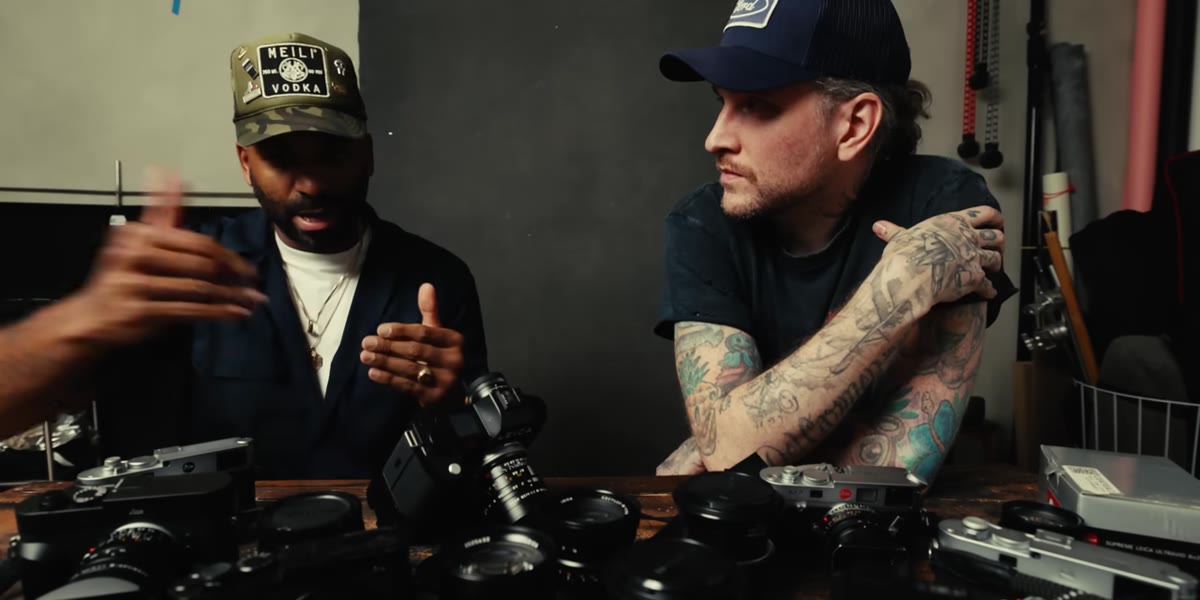 Discussion of shooting at F8 and understanding focal planes
Roman describes his mental model as thinking about a plane of focus rather than a single point. At apertures like F8 or even F4, a whole zone of depth is sharp. The question becomes: where is that zone, and what do I want living inside it?
Discussion of shooting at F8 and understanding focal planes
Roman describes his mental model as thinking about a plane of focus rather than a single point. At apertures like F8 or even F4, a whole zone of depth is sharp. The question becomes: where is that zone, and what do I want living inside it?
This is a different way of seeing. Instead of asking “is my subject sharp?”, you start asking “where is my plane, and am I putting my subject in it?” On a 28mm lens, for example, Roman mentions using a zone that extends from about six feet outward, which means anything in that range is acceptably sharp without touching the focus ring. This is sometimes called zone focusing or hyperfocal shooting, and it is one of the fastest ways to shoot street or environmental portraits.
Step 3: Practice Until the Focus Ring Becomes Instinct
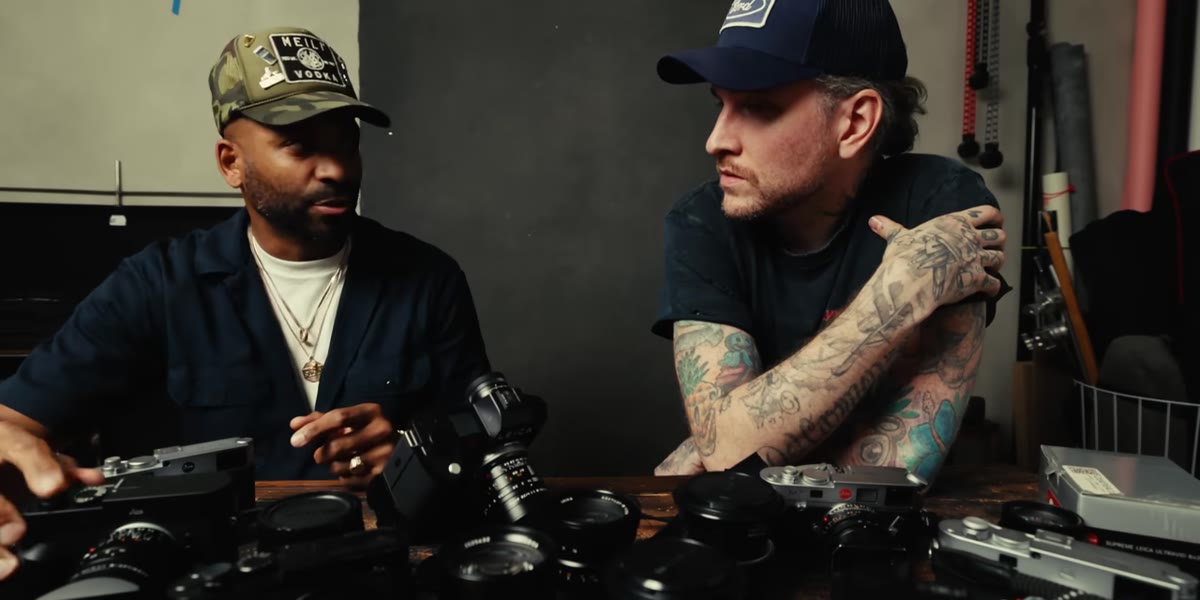 Jason Roman demonstrating manual focus feel on camera
The only way manual focus gets faster is through repetition. Roman’s fluency came from years of shooting film cameras where autofocus was not an option. You do not have to replicate that timeline, but you do have to put in deliberate practice before you take manual focus somewhere that matters.
Jason Roman demonstrating manual focus feel on camera
The only way manual focus gets faster is through repetition. Roman’s fluency came from years of shooting film cameras where autofocus was not an option. You do not have to replicate that timeline, but you do have to put in deliberate practice before you take manual focus somewhere that matters.
A simple drill: set your lens to manual, pick a focal plane in your living room, and practice raising the camera and firing without touching the ring. Then pick a different distance and repeat. The goal is to internalize what your ring position looks and feels like at various distances so you are not hunting when the moment arrives. I spent three Sunday walks doing nothing but this before it started to feel natural.
Step 4: Reclaim the Moment by Making the Decision Before You Raise the Camera
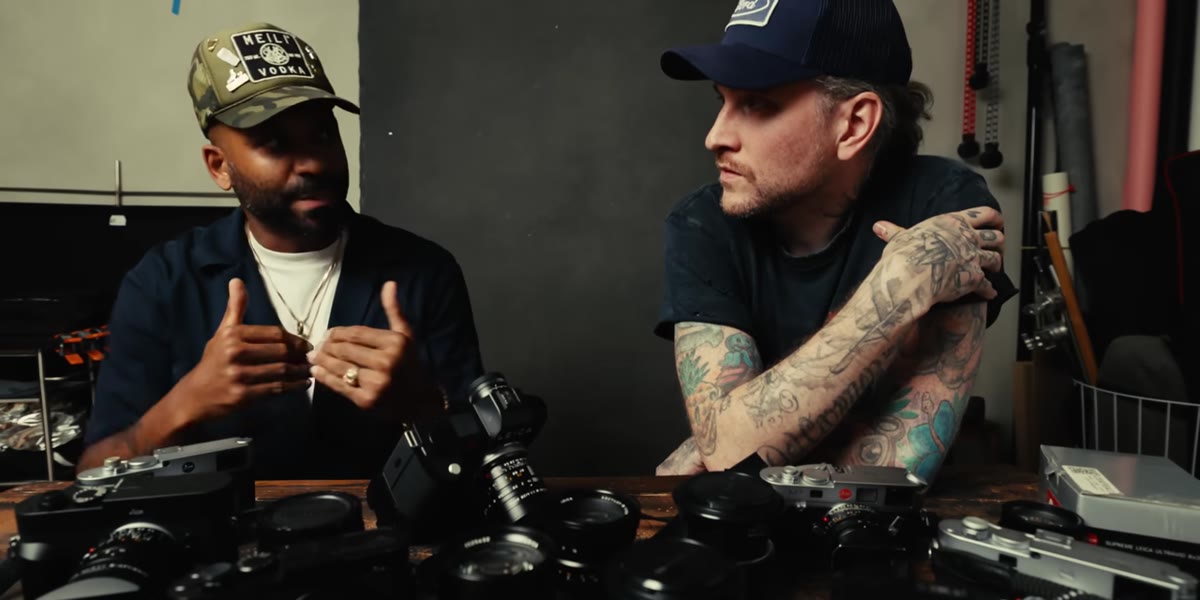 Roman describing the feeling of hitting the shutter instantly
This is the step that actually changes your photography. Roman describes the feeling of hitting the shutter and having it just happen. No confirmation beep, no focus hunt, no hesitation. The image fires the instant you decide it should.
Roman describing the feeling of hitting the shutter instantly
This is the step that actually changes your photography. Roman describes the feeling of hitting the shutter and having it just happen. No confirmation beep, no focus hunt, no hesitation. The image fires the instant you decide it should.
To get there, you have to make your focusing decision before the camera goes up to your eye. Assess the scene, set your plane, and then move. The shutter becomes a release, not a request. This is a mental shift as much as a physical one. You stop waiting for permission from your camera and start trusting the work you did before the moment arrived.
Step 5: Push Past the Discomfort of Getting Close
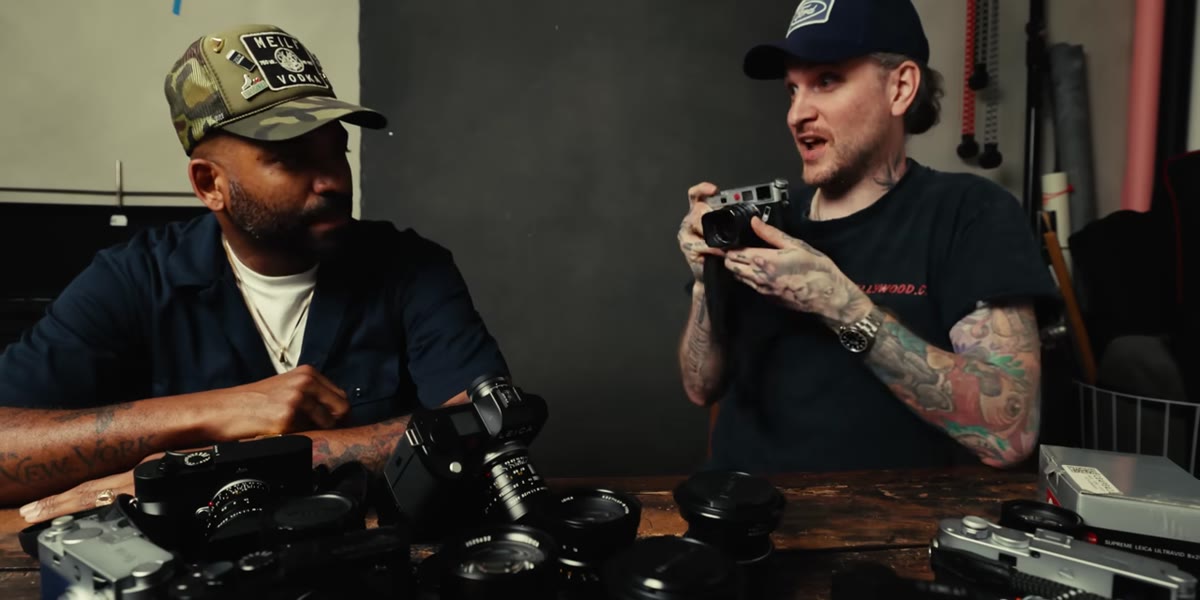 McKinnon and Roman discussing shooting at close range with wide lenses
One of the most honest moments in the tutorial is when McKinnon admits he is uncomfortable shooting at very close distances, both because he is not confident in his focus and because of the social awkwardness of being physically close to a stranger. Roman’s response is worth sitting with: give people the chance to surprise you.
McKinnon and Roman discussing shooting at close range with wide lenses
One of the most honest moments in the tutorial is when McKinnon admits he is uncomfortable shooting at very close distances, both because he is not confident in his focus and because of the social awkwardness of being physically close to a stranger. Roman’s response is worth sitting with: give people the chance to surprise you.
Roman shares a story about approaching someone who intimidated him in Baltimore, someone he had already judged before saying a word. He pushed through his assumptions and shot anyway. That willingness to move closer, to commit physically and emotionally, is what makes portraits feel real rather than clinical. Manual focus actually helps here, because you have already decided on your distance before you approach. You are not circling and hunting. You arrive and you shoot.
What I’d Add from My Own Experience
I want to be honest about one thing the tutorial doesn’t fully cover: the learning curve on manual focus varies a lot depending on your lens. A lens with a smooth, well-damped focus ring is a joy to use this way. A cheaper kit lens with a plasticky ring that spins freely and gives you no tactile feedback is genuinely hard to learn on. If you are going to commit to this practice, it is worth trying it first on the sharpest, most mechanical-feeling lens you own, even if it is not your most versatile one.
I also found it helpful to shoot alongside autofocus for a while rather than going cold turkey. For a month, I shot every Sunday walk in manual, then switched to autofocus for a few frames, then back. Comparing the results taught me more about my own hesitations than any tutorial could. There were shots I got in manual that I would have fumbled in autofocus because I had already committed. And there were shots I missed because I had not done my prep. Both kinds of failure are useful.
The single most important takeaway here is not “switch to manual focus.” It is this: the more decisions you make before you raise your camera, the faster and more intentional you become when it counts. Focus is just one of those decisions. But practicing it deliberately builds the same muscle you need for everything else, exposure, composition, distance, timing. You stop reacting and start directing.
If this sparked something for you, go watch the full conversation between McKinnon and Roman. There are layers to it that a written breakdown cannot fully capture, including the energy of two working photographers riffing in a real studio.
Watch the full tutorial on YouTube
Comments (1)
My workflow just got 10x faster. Not even kidding.
Leave a Comment