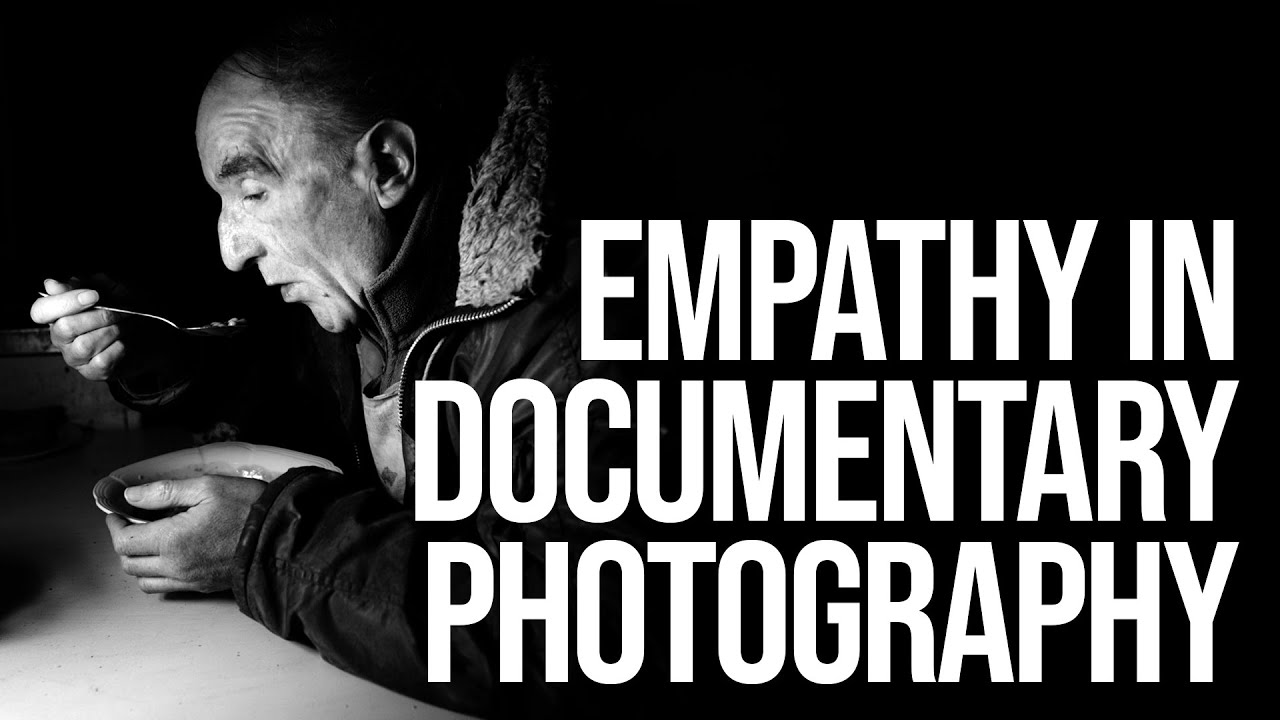
There’s a question I get asked constantly on my Sunday morning photo walks: “How do you get strangers to actually let you photograph them?” My answer used to be pretty surface-level. Smile, be friendly, introduce yourself. But those are tactics, not a foundation. It wasn’t until I sat with this Sean Tucker tutorial featuring documentary photographer Jim Mortram that I found the right word for what actually makes that kind of photography work. Empathy. Not as a soft, abstract idea, but as a concrete, practiced approach that shapes every decision you make before, during, and after a shoot.
Watch the full tutorial on YouTube
Jim Mortram is the photographer behind a body of work called Small Town Inertia, a long-term documentary project photographing people in his community in Norfolk, England. Many of his subjects live with chronic illness, poverty, disability, or social isolation. These are not easy stories to tell, and the way he talks about his approach changed how I think about what documentary photography is actually for. This isn’t a gear tutorial. There are no settings to copy. What you’ll take away is a framework for how to be the kind of photographer people trust.
Step 1: Understand Why You’re Showing Up Before You Pick Up a Camera
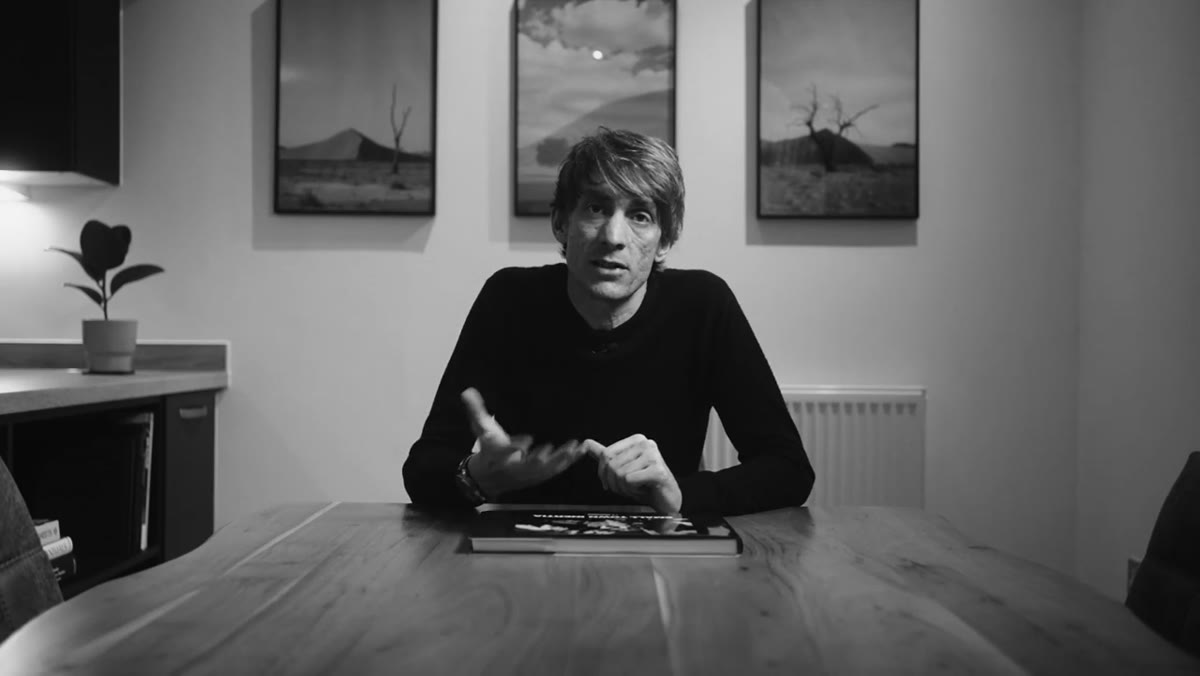
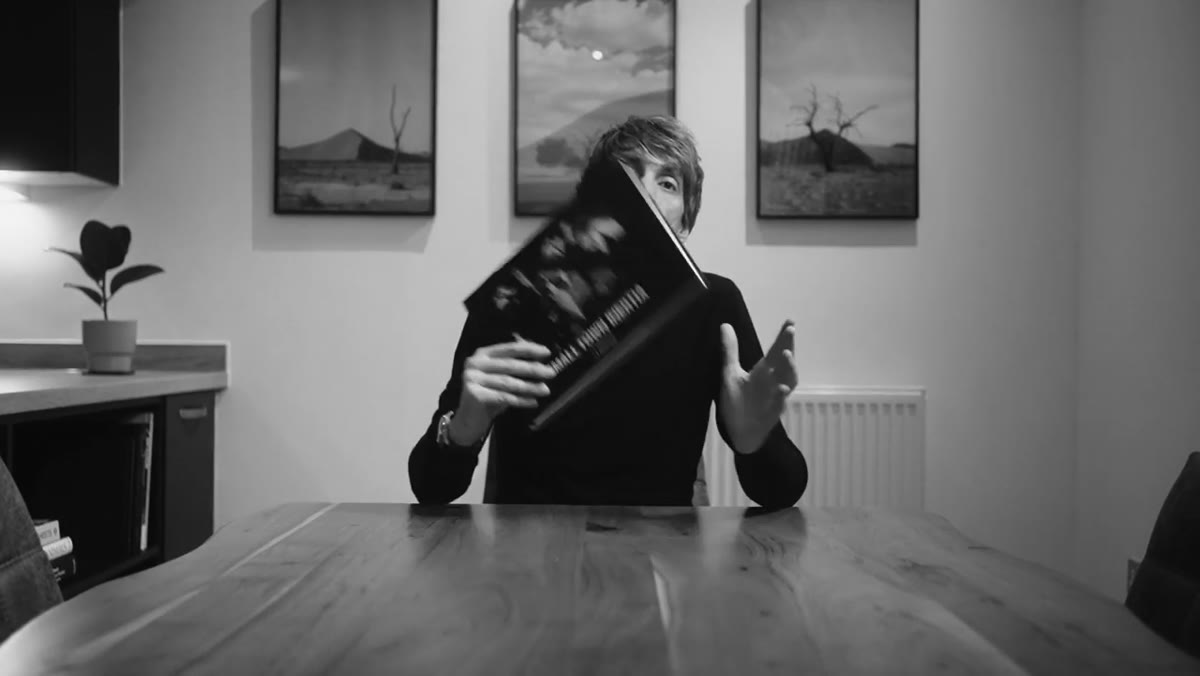 Jim Mortram’s book Small Town Inertia shown on a shelf
Jim’s path into photography was not a straight line. He left art school to become the primary carer for his mother, whose health had deteriorated severely. That experience of watching someone he loved become invisible to the wider world, struggling without a platform or a voice, is what eventually drove him to pick up a camera. Before you ever approach a subject, you need to know what’s motivating you. Is it curiosity? A desire to create change? An honest connection to the community you’re photographing? The answer to that question will shape everything, including whether your subjects can feel the difference between someone who’s there to extract a dramatic image and someone who genuinely cares.
Jim Mortram’s book Small Town Inertia shown on a shelf
Jim’s path into photography was not a straight line. He left art school to become the primary carer for his mother, whose health had deteriorated severely. That experience of watching someone he loved become invisible to the wider world, struggling without a platform or a voice, is what eventually drove him to pick up a camera. Before you ever approach a subject, you need to know what’s motivating you. Is it curiosity? A desire to create change? An honest connection to the community you’re photographing? The answer to that question will shape everything, including whether your subjects can feel the difference between someone who’s there to extract a dramatic image and someone who genuinely cares.
Step 2: Enter the Community as a Person First, Photographer Second
 Sean Tucker introducing Jim’s documentary approach to his audience
Jim’s credibility with his subjects comes partly from the fact that he is one of them. He’s not parachuting into a neighborhood he doesn’t know. He lives there. He has shared context with the people he photographs. If you don’t have that built-in connection, you have to build it deliberately and honestly. That means spending time in a community before you ever raise a camera. It means listening more than you shoot. It means showing up to the same places repeatedly until you stop being a stranger. Documentary photography taken from the outside of a community often looks exactly like that, distant, voyeuristic, even if technically beautiful.
Sean Tucker introducing Jim’s documentary approach to his audience
Jim’s credibility with his subjects comes partly from the fact that he is one of them. He’s not parachuting into a neighborhood he doesn’t know. He lives there. He has shared context with the people he photographs. If you don’t have that built-in connection, you have to build it deliberately and honestly. That means spending time in a community before you ever raise a camera. It means listening more than you shoot. It means showing up to the same places repeatedly until you stop being a stranger. Documentary photography taken from the outside of a community often looks exactly like that, distant, voyeuristic, even if technically beautiful.
Step 3: Let the Stories Come to You Rather Than Hunting for “Moments”
 Sean Tucker describing the nature of Jim’s documentary storytelling work
One of the most striking things Jim describes is his patience. These aren’t assignments with deadlines. He’s been photographing some of his subjects over years, and the depth of those images reflects exactly that. The instinct for most photographers, myself included, is to go looking for the peak moment, the single decisive frame. But with long-form documentary work, the goal is to accumulate trust and understanding over time so that the images reveal something true rather than something performed. Practically, this means you might visit a subject three or four times before you ever take a single photograph. That investment shows in the final work.
Sean Tucker describing the nature of Jim’s documentary storytelling work
One of the most striking things Jim describes is his patience. These aren’t assignments with deadlines. He’s been photographing some of his subjects over years, and the depth of those images reflects exactly that. The instinct for most photographers, myself included, is to go looking for the peak moment, the single decisive frame. But with long-form documentary work, the goal is to accumulate trust and understanding over time so that the images reveal something true rather than something performed. Practically, this means you might visit a subject three or four times before you ever take a single photograph. That investment shows in the final work.
Step 4: Create Conditions Where Your Subject Feels Safe, Not Scrutinized
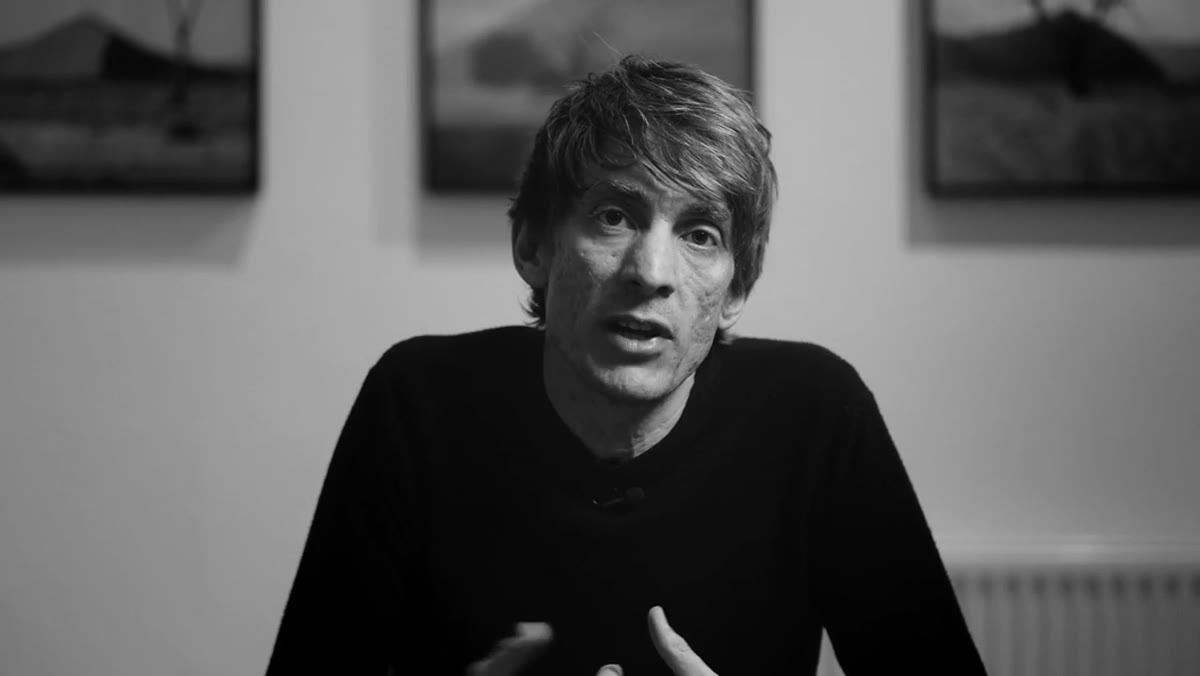 Sean Tucker discussing Jim’s isolation and caregiving context
Jim’s subjects often live with significant vulnerability, whether that’s physical illness, mental health struggles, poverty, or grief. One of the most important things he talks about is making sure the people he photographs maintain agency throughout the process. That means being transparent about where and how images will be shared. It means checking in, asking permission at each stage, and being willing to set a camera down if someone is uncomfortable. This isn’t just ethical, it’s also practical. People who feel safe in front of a camera give you completely different images than people who feel like they’re being observed.
Sean Tucker discussing Jim’s isolation and caregiving context
Jim’s subjects often live with significant vulnerability, whether that’s physical illness, mental health struggles, poverty, or grief. One of the most important things he talks about is making sure the people he photographs maintain agency throughout the process. That means being transparent about where and how images will be shared. It means checking in, asking permission at each stage, and being willing to set a camera down if someone is uncomfortable. This isn’t just ethical, it’s also practical. People who feel safe in front of a camera give you completely different images than people who feel like they’re being observed.
Step 5: Approach Difficult Subjects Without Looking Away
 Sean Tucker acknowledging tough topics covered in Jim’s work
Sean is candid in the tutorial that the subjects Jim documents are hard. Chronic illness, social isolation, systemic poverty. He doesn’t apologize for that. One thing Jim’s work makes clear is that looking away from difficulty is a choice, and it’s one that leaves certain people permanently underrepresented. If you want to do this kind of photography, you have to be able to sit with discomfort without either sensationalizing what you’re seeing or sanitizing it. That’s a skill you develop slowly, but it starts with intention. Ask yourself honestly whether you can represent someone’s hardest moments with the same care you’d want someone to bring to yours.
Sean Tucker acknowledging tough topics covered in Jim’s work
Sean is candid in the tutorial that the subjects Jim documents are hard. Chronic illness, social isolation, systemic poverty. He doesn’t apologize for that. One thing Jim’s work makes clear is that looking away from difficulty is a choice, and it’s one that leaves certain people permanently underrepresented. If you want to do this kind of photography, you have to be able to sit with discomfort without either sensationalizing what you’re seeing or sanitizing it. That’s a skill you develop slowly, but it starts with intention. Ask yourself honestly whether you can represent someone’s hardest moments with the same care you’d want someone to bring to yours.
Step 6: Use Photography as a Tool for Amplification, Not Just Documentation
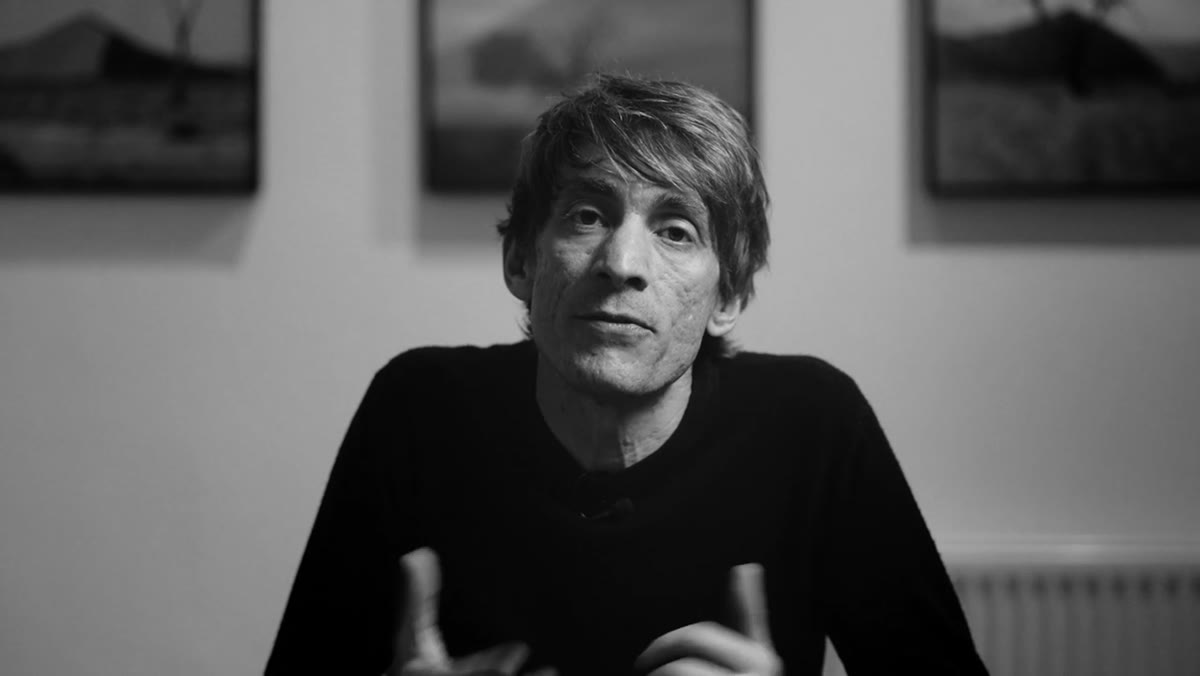 Sean Tucker framing documentary photography as giving voice to the unseen
Jim’s work isn’t made just to sit in a gallery. He’s actively trying to draw attention to people whose lives and needs are being ignored. That means thinking about platform and audience as part of the photographic process, not as an afterthought. Where will these images live? Who needs to see them? How do you write about or caption someone’s story in a way that preserves their dignity while also communicating urgency? These are editorial decisions that are inseparable from the photography itself. Good documentary work thinks past the shutter click.
Sean Tucker framing documentary photography as giving voice to the unseen
Jim’s work isn’t made just to sit in a gallery. He’s actively trying to draw attention to people whose lives and needs are being ignored. That means thinking about platform and audience as part of the photographic process, not as an afterthought. Where will these images live? Who needs to see them? How do you write about or caption someone’s story in a way that preserves their dignity while also communicating urgency? These are editorial decisions that are inseparable from the photography itself. Good documentary work thinks past the shutter click.
A Note on Starting Smaller Than You Think You Should
I want to be honest about something. When I first started paying attention to documentary photography, I felt intimidated by the scale of what photographers like Jim Mortram are doing. Years-long projects. Deep community relationships. Heavy subject matter. It felt like something for people with more time, more resources, or more courage than me.
What shifted for me was starting with people already in my life. A neighbor who’d been dealing with a long recovery from surgery. A friend navigating a career change after a layoff. Stories that were close enough that I could show up consistently and with real care. The photographs I made from those early attempts were not polished. But they taught me more about light, timing, and human connection than any technical tutorial I’ve ever watched. You don’t have to find the biggest, hardest story to practice empathy. Start with the person in front of you.
The single most important idea I took from this tutorial is that empathy is not a feeling you have before a shoot, it’s a practice you maintain throughout the entire relationship with your subject. It shapes how you enter a community, how long you stay, what you choose to photograph, and how you share it afterward. Jim Mortram’s work is proof that photography done this way becomes something much more powerful than documentation. It becomes advocacy.
If this sparked something for you, set aside an hour and watch the full conversation.
Watch the full tutorial on YouTube
Comments
Leave a Comment