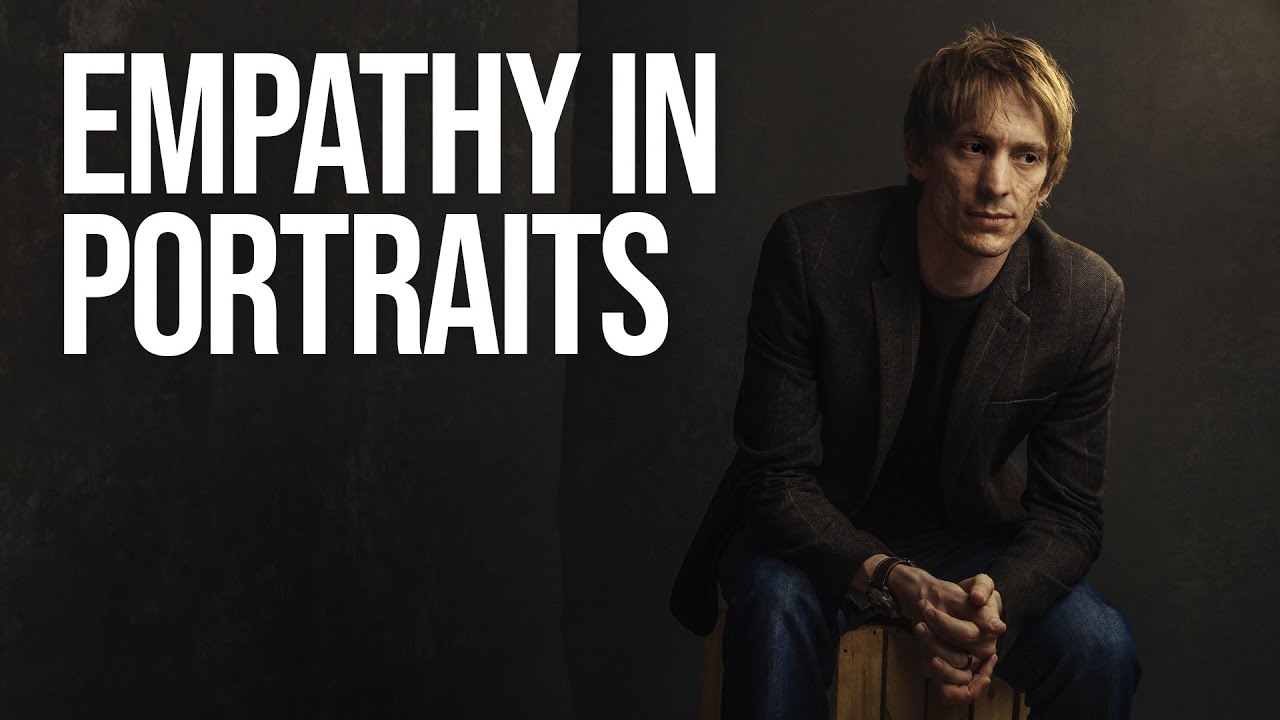
I’ve been teaching photography for a few years now, and the question I get most often from beginners is some version of “which lens should I use for portraits?” Rarely does anyone ask, “How do I make my subject feel safe enough to be themselves?” And that gap right there is exactly why so many portrait sessions produce technically fine images that are also somehow completely lifeless. The gear is fine. The light is fine. But the human in the frame looks like they’re waiting for a bus, not revealing anything real.
Watch the full tutorial on YouTube
In this Sean Tucker tutorial, he teams up with portrait photographer Tommy Reynolds to explore something that doesn’t get nearly enough airtime: empathy as a core photographic skill. Tucker doesn’t approach this abstractly. He puts himself in front of the camera, sits with the discomfort, and documents what that experience teaches him about being a better photographer for other people. It’s one of the more honest things I’ve seen a photographer do on video, and it reshuffled some of my thinking about how I prep for portrait sessions.
Step 1: Accept That Being the Photographer Doesn’t Protect You
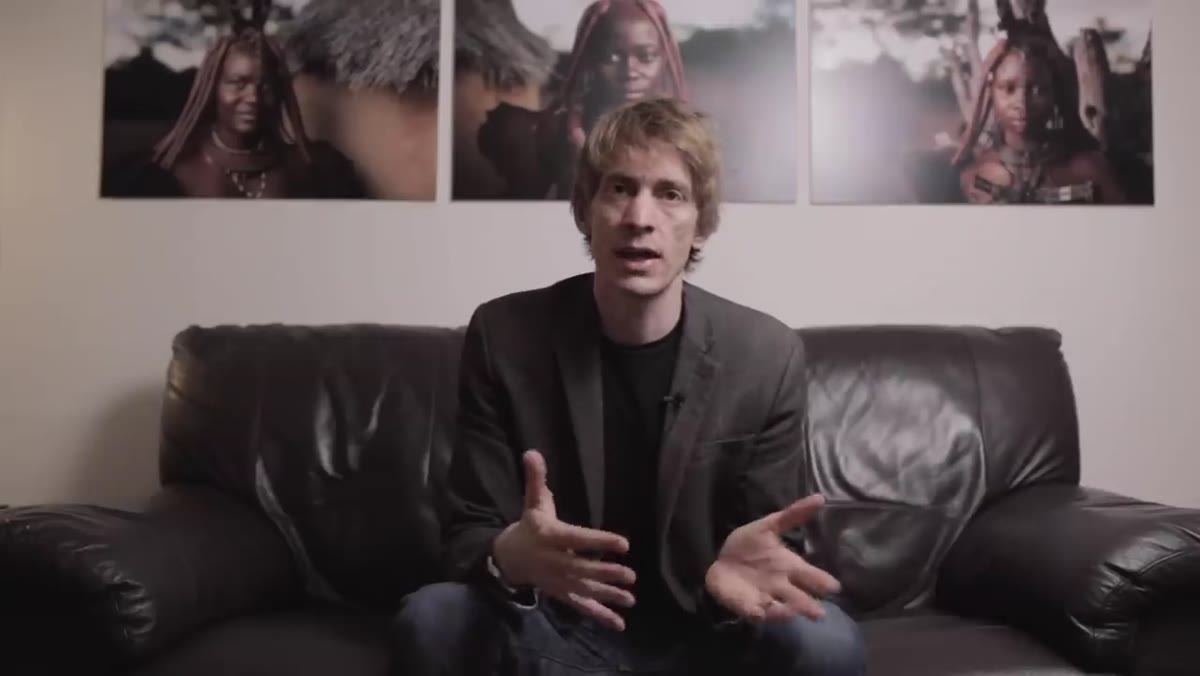 Sean Tucker speaking directly to camera about psychology background
Tucker opens by drawing on his psychology background, where he learned that good therapists are required to undergo therapy themselves. The parallel to photography is direct and worth sitting with: if you want to understand what your subject is going through, you need to have gone through it yourself. This isn’t a metaphor. It’s a practical recommendation to book a session with another photographer, ideally one who is genuinely skilled, and let them shoot you.
Sean Tucker speaking directly to camera about psychology background
Tucker opens by drawing on his psychology background, where he learned that good therapists are required to undergo therapy themselves. The parallel to photography is direct and worth sitting with: if you want to understand what your subject is going through, you need to have gone through it yourself. This isn’t a metaphor. It’s a practical recommendation to book a session with another photographer, ideally one who is genuinely skilled, and let them shoot you.
The point isn’t to get great photos of yourself. The point is to feel what your subjects feel every single time they walk into your studio. Most of us have spent years behind the camera. That distance becomes a blind spot.
Step 2: Sit With the Vulnerability Before the Session Even Starts
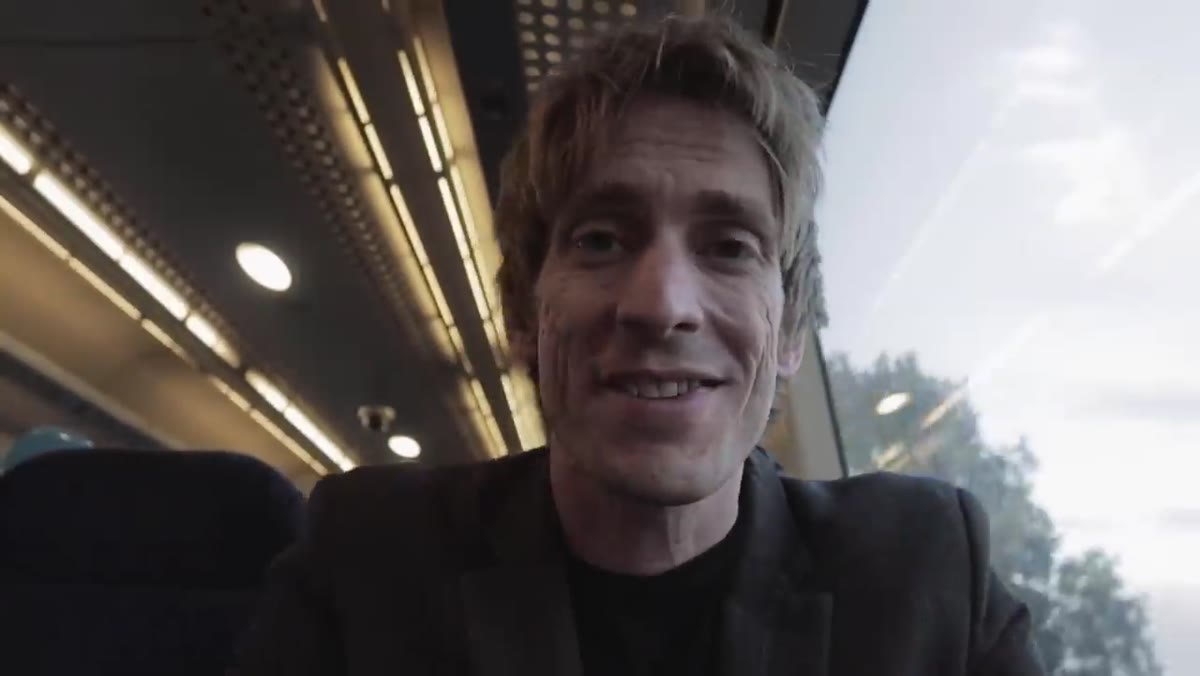 Tucker on train, speaking candidly about feeling nervous
Tucker is honest about feeling nervous on the way to the shoot, even though he knows and trusts the photographer he’s going to see. He names the specific feelings: a loss of control, self-consciousness, and a heightened awareness of the physical things he’s least comfortable with. That last part is important. He describes how insecurities that barely register in daily life suddenly move to the front of his mind the moment a camera is involved.
Tucker on train, speaking candidly about feeling nervous
Tucker is honest about feeling nervous on the way to the shoot, even though he knows and trusts the photographer he’s going to see. He names the specific feelings: a loss of control, self-consciousness, and a heightened awareness of the physical things he’s least comfortable with. That last part is important. He describes how insecurities that barely register in daily life suddenly move to the front of his mind the moment a camera is involved.
Think about that the next time a client walks into your space. They have likely spent the entire commute cataloguing their flaws. Their bad skin, their crooked smile, the weight they wanted to lose before this shoot. Your job, before you ever pick up a camera, is to understand that this is the headspace they’re arriving in. Acknowledging that internally changes how you greet them, how you speak to them, and how patient you are when the first few frames feel stiff.
Step 3: Name the Fear So You Can Work Around It
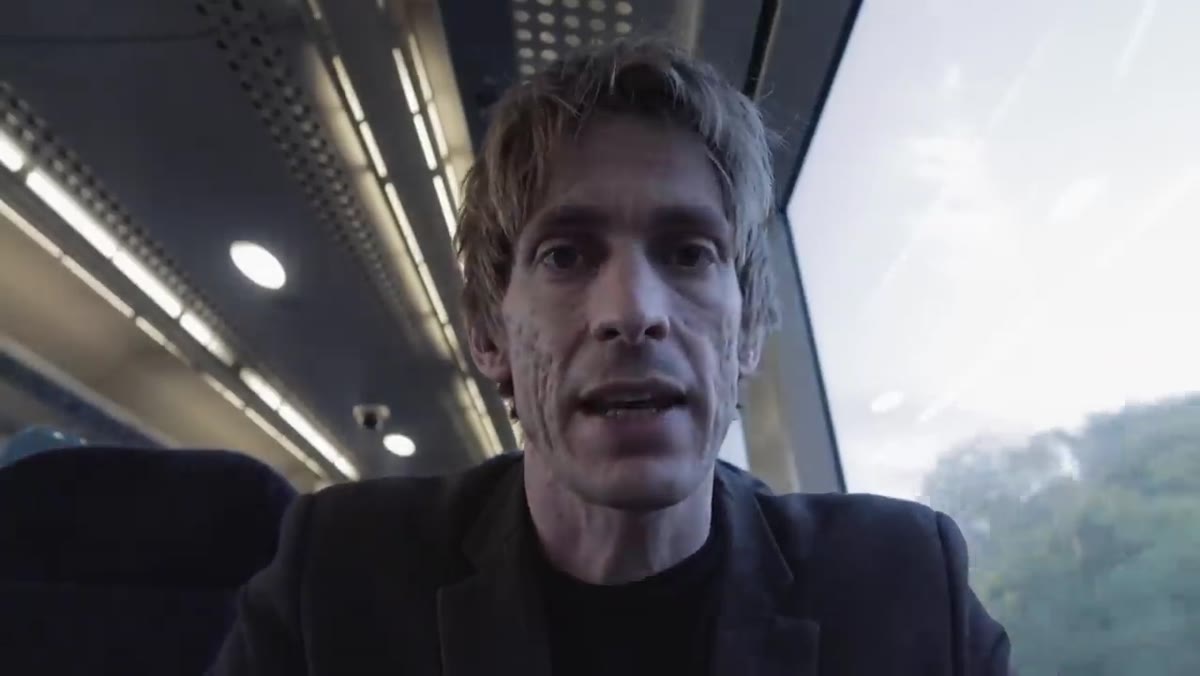 Tucker describing his skin insecurity while riding the train
Tucker specifically mentions his skin as the thing he’s most nervous about, something he says he barely thinks about in everyday life. What this demonstrates is that portrait subjects aren’t afraid of being photographed in general. They’re afraid of being photographed in a way that amplifies the thing they’re already most insecure about. As a photographer, your awareness of this gives you a tool.
Tucker describing his skin insecurity while riding the train
Tucker specifically mentions his skin as the thing he’s most nervous about, something he says he barely thinks about in everyday life. What this demonstrates is that portrait subjects aren’t afraid of being photographed in general. They’re afraid of being photographed in a way that amplifies the thing they’re already most insecure about. As a photographer, your awareness of this gives you a tool.
You don’t need to have a long conversation about insecurities before a shoot. But you can ask a simple question at the start: “Is there anything you want me to be mindful of?” That single question opens a door. It signals that you’re paying attention to the person, not just the composition.
Step 4: Recognize That Great Portrait Work Is People Work First
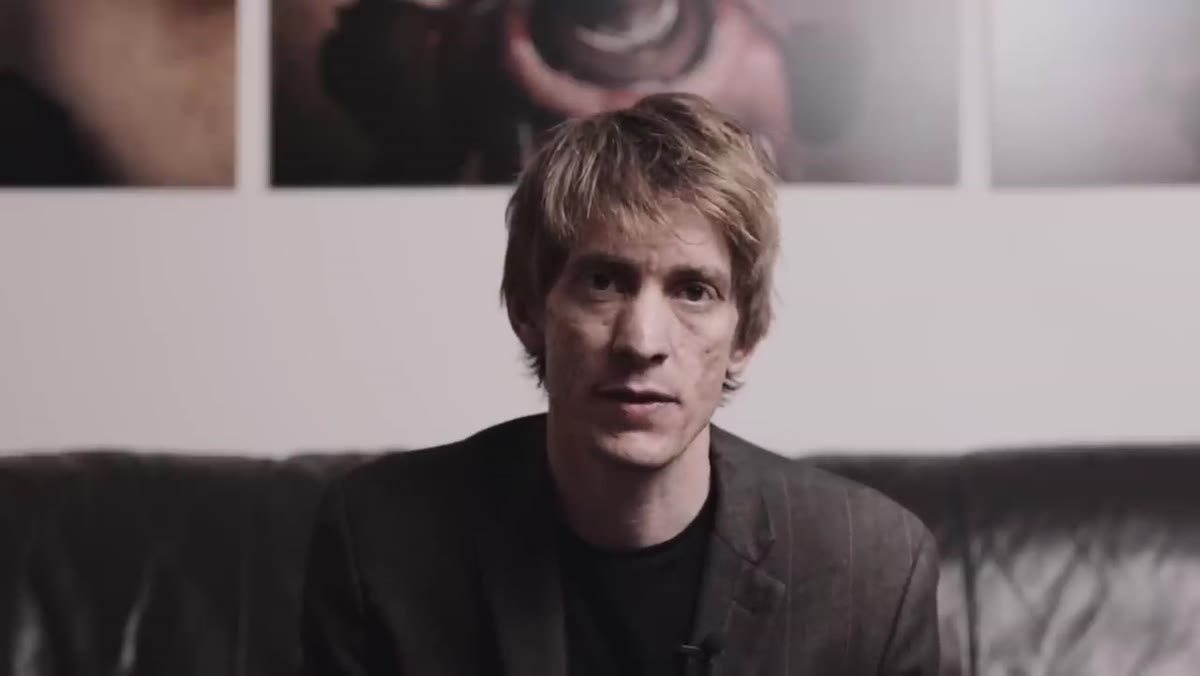 Tucker describing empathy as the defining quality of great portrait photographers
Tucker makes a clear argument here: the photographers who consistently produce authentic portraits are not necessarily the ones with the best gear or the most technically refined lighting setups. They’re the ones who understand how people work. Capturing a real moment, something that reflects a person’s actual humanity, requires you to create conditions where that humanity can show up.
Tucker describing empathy as the defining quality of great portrait photographers
Tucker makes a clear argument here: the photographers who consistently produce authentic portraits are not necessarily the ones with the best gear or the most technically refined lighting setups. They’re the ones who understand how people work. Capturing a real moment, something that reflects a person’s actual humanity, requires you to create conditions where that humanity can show up.
This reframe is useful practically. Before your next portrait session, instead of spending your prep time obsessing over your lighting diagram, spend some of that time thinking about who this person is, what they care about, and what might help them feel at ease. Music in the studio, a relaxed timeline, a genuine compliment that isn’t about their appearance. These things move the needle more than a fifth light.
Step 5: Let the Subject Leave Feeling Seen, Not Just Photographed
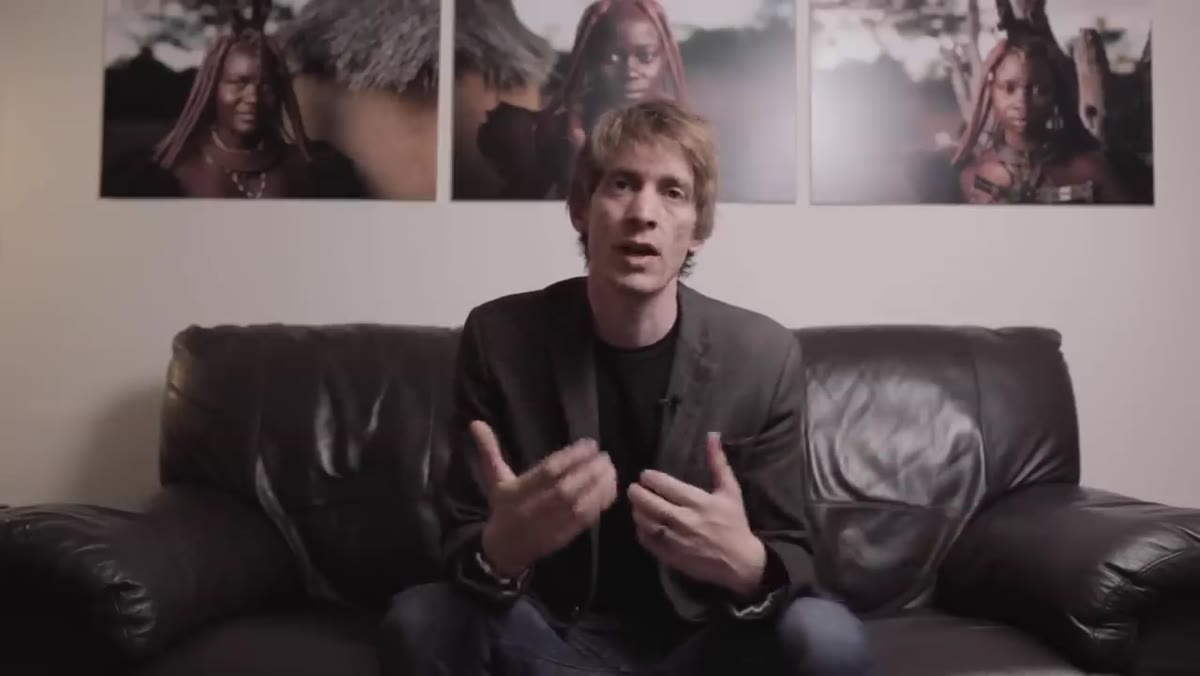 Tucker explaining how great portrait photographers shift how subjects see themselves
One of the more generous ideas Tucker raises is that the best portrait sessions have an effect on the subject that extends past the photos themselves. People walk away with a slightly shifted relationship to how they see themselves. They’ve seen, through someone else’s lens, that they are more than their insecurities. That’s not a small thing to offer another person.
Tucker explaining how great portrait photographers shift how subjects see themselves
One of the more generous ideas Tucker raises is that the best portrait sessions have an effect on the subject that extends past the photos themselves. People walk away with a slightly shifted relationship to how they see themselves. They’ve seen, through someone else’s lens, that they are more than their insecurities. That’s not a small thing to offer another person.
This doesn’t mean staging false flattery or over-retouching. It means being genuinely curious about who someone is and letting that curiosity guide your framing, your timing, and the moments you choose to capture. When someone feels truly seen, they relax. When they relax, you get the real portrait.
Step 6: Make Being on the Other Side of the Lens a Regular Practice
 Tucker arriving at Tommy Reynolds’ studio for his own portrait session
Tucker treats this not as a one-time experiment but as an ongoing discipline. The same way a good therapist stays in therapy, a good portrait photographer stays connected to the experience of being a subject. This doesn’t have to be elaborate. Trade sessions with a photographer friend every six months. Let a student practice on you. Participate in a photo walk where someone else is holding the camera.
Tucker arriving at Tommy Reynolds’ studio for his own portrait session
Tucker treats this not as a one-time experiment but as an ongoing discipline. The same way a good therapist stays in therapy, a good portrait photographer stays connected to the experience of being a subject. This doesn’t have to be elaborate. Trade sessions with a photographer friend every six months. Let a student practice on you. Participate in a photo walk where someone else is holding the camera.
Each time you do it, you’ll notice something new about the experience that transfers directly to how you shoot other people.
What I’d Add From My Own Experience
The thing that struck me most watching this is how little of the preparation Tucker describes has anything to do with photography in the technical sense. I’ve started building what I think of as a pre-session ritual that has nothing to do with gear. Before a portrait session, I’ll put on a playlist I’ve chosen specifically for that client’s vibe, usually something calm and unhurried, and I’ll spend a few minutes just thinking about who they are as a person. It sounds small, but it shifts my energy walking into the room. Subjects pick up on whether you’re genuinely interested in them or just moving through a checklist. They always know.
If you’ve been feeling like your portraits are technically solid but somehow not landing, this is almost certainly where the gap is. Empathy is not a soft skill. It’s a craft skill, and it can be practiced and developed the same way you’d develop your understanding of light.
The single most important takeaway here: go get your portrait taken by someone else. Book it before the week is out. Notice every uncomfortable feeling that comes up, and carry that awareness into your next session as a photographer. That discomfort is the lesson.
Watch the full tutorial on YouTube
Comments (1)
My workflow just got 10x faster. Not even kidding.
Leave a Comment