How Joel Grimes Uses Light and Lens Choice to Build Instant Drama in a Portrait

How Joel Grimes Uses Light and Lens Choice to Build Instant Drama in a Portrait

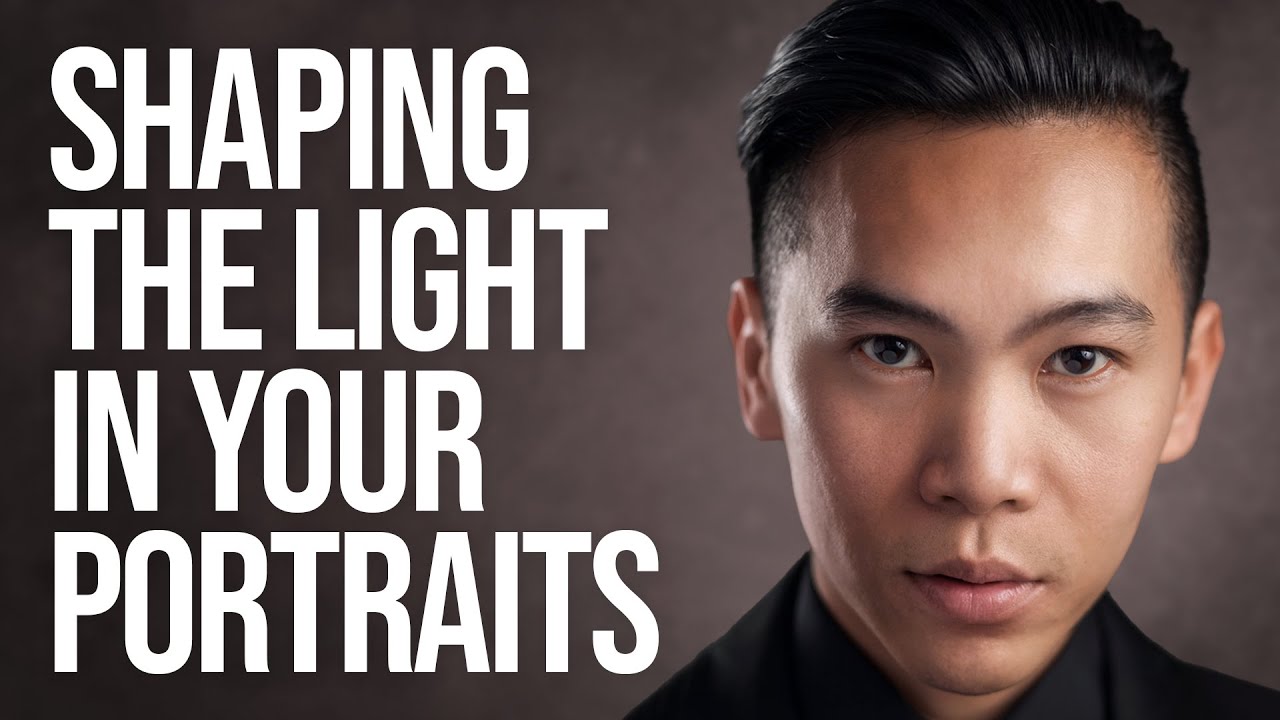
I’ve been shooting portraits long enough to know that “it’s not the camera, it’s the light” is true and also wildly unhelpful on its own. Light plus what, exactly? Last month I was troubleshooting a set of outdoor portraits that felt flat no matter what I did with my editing. The exposures were fine. The location was fine. But something was missing, and I couldn’t name it. That’s the moment you go looking for someone who can show you, not just tell you.

How Joel Grimes Never Missed Focus on a Large Format Portrait — And What I Took From It

How Joel Grimes Never Missed Focus on a Large Format Portrait — And What I Took From It

I’ve been spending more time lately revisiting film processes, partly out of curiosity and partly because a few of the photographers I really admire have been talking about large format work in a way that makes it hard to ignore. So last week I went down a rabbit hole, and somewhere in the middle of it I found a tutorial from Joel Grimes that genuinely stopped me in my tracks. Not because it was flashy, but because it solved a problem I didn’t even fully understand until he named it.

Never Miss Focus on a Large Format Portrait: Joel Grimes' Dual Focusing Method Explained

Never Miss Focus on a Large Format Portrait: Joel Grimes' Dual Focusing Method Explained

I picked up a large format view camera about two years ago, mostly out of stubbornness. Everyone told me it would slow me down. They were right, and I loved it anyway. But there was one problem I kept running into that nearly broke my relationship with the whole format: I would spend five minutes getting a portrait subject perfectly sharp on the ground glass, close the lens to drop in the film holder, and then lose the focus entirely.

How Lens Choice Actually Shapes Your Subject (Not Just Your Frame)

How Lens Choice Actually Shapes Your Subject (Not Just Your Frame)

I had a portrait session a few weeks ago where everything looked technically fine but the images felt flat. The exposure was good, the light was good, my subject was relaxed. But something about the face looked compressed, a little disconnected from the background, kind of lifeless in a way I couldn’t immediately name. I went back through my shots and realized I had been shooting most of them at 70mm from maybe six feet away.

How to Never Miss Focus on a Large Format Portrait (The Dual Focusing Method Explained)

How to Never Miss Focus on a Large Format Portrait (The Dual Focusing Method Explained)

I’ve been obsessing over large format photography for the past year. Not because I shoot it professionally, but because understanding why it’s hard makes me a better photographer across everything else I shoot. And recently, while trying to wrap my head around why so many large format portrait attempts end up slightly soft even when the photographer swears they nailed the focus, I came across a technique that genuinely stopped me mid-coffee-sip.

Capturing Life's Big Moments: Why Graduation Photography Deserves Your Creative Best

Capturing Life's Big Moments: Why Graduation Photography Deserves Your Creative Best

As we head into graduation season, I’ve been reflecting on why this particular genre offers such rich creative potential for photographers at all skill levels. Whether you’re documenting a family member’s achievement or building your portfolio as a professional, graduation photography presents a unique intersection of emotion, celebration, and visual storytelling. Why Graduation Sessions Matter I’ve noticed that photographers often overlook graduation work as a creative outlet. Yet these sessions contain everything you need to push your technical and artistic boundaries.

Exploring the New Light Lens Lab 75mm f/1.5 Z21: What Makes This Portrait Lens Special

Exploring the New Light Lens Lab 75mm f/1.5 Z21: What Makes This Portrait Lens Special

A Fresh Approach to Portrait Primes I’ve been following the lens market closely, and I’m excited to share what Light Lens Lab has just announced. They’ve released the 75mm f/1.5 “Z21,” a manual focus prime lens designed specifically for Leica M-Mount systems. What caught my attention isn’t just another focal length addition—it’s their entirely original optical formula. Why the 75mm Focal Length Matters Before diving into what makes this lens unique, let me explain why 75mm is such a compelling choice for portrait work:

The Portrait Lighting Ratio That Stopped Me From Overcomplicating My Setups

The Portrait Lighting Ratio That Stopped Me From Overcomplicating My Setups

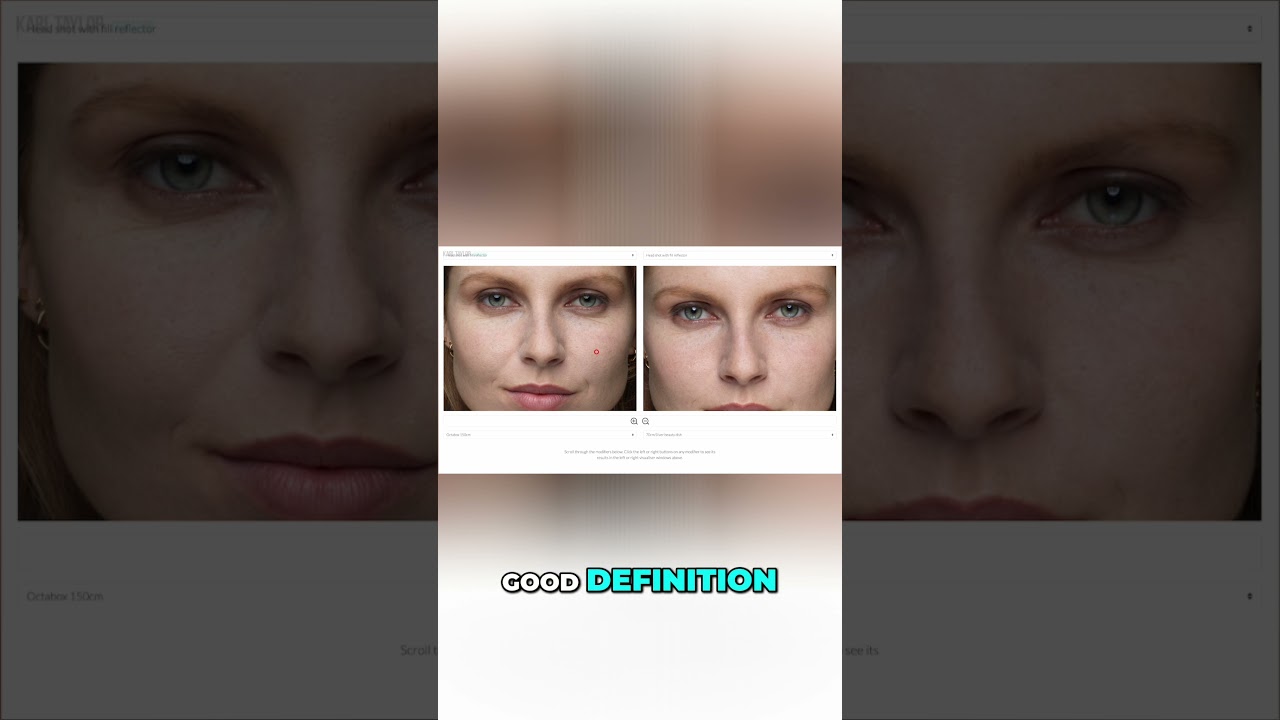
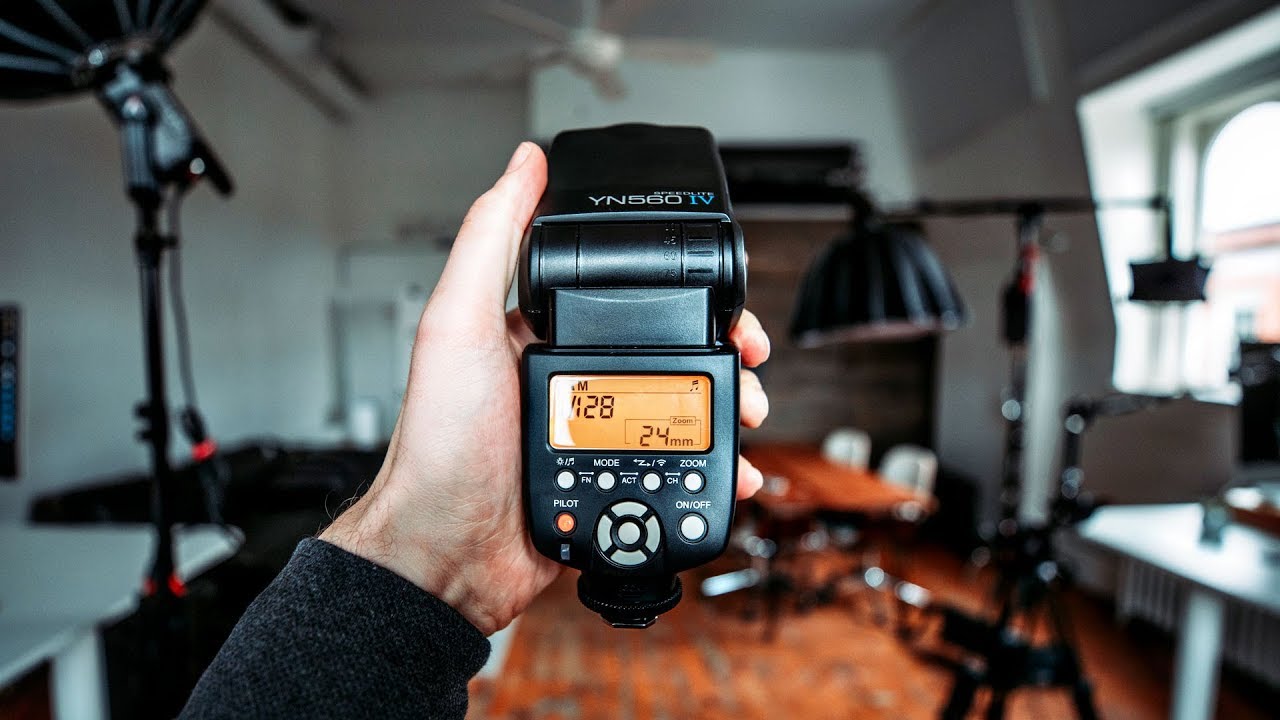
Last month I was setting up a quick portrait session in my living room, two speedlights, a reflector propped against the couch, and I kept chasing the wrong problem. The shadows looked muddy, the highlights were blowing out, and I kept adjusting power instead of position. It took me longer than I’d like to admit to realize I wasn’t dealing with a gear issue. I’d just stopped thinking about ratio. I found this Visual Education tutorial shortly after, and it reframed something I thought I already understood.

Budget-Friendly Portrait Lens Alert: What Meike's New 56mm Air Means for Creators

Budget-Friendly Portrait Lens Alert: What Meike's New 56mm Air Means for Creators

Budget-Friendly Portrait Lens Alert: What Meike’s New 56mm Air Means for Creators I’ve been watching Meike’s recent push into the creator market with genuine interest. Their latest move—releasing a 56mm f/1.7 autofocus lens for under $160—represents something important for photographers like us: proof that quality doesn’t always require a premium price tag. Why This Lens Matters for Your Setup The new Air lens comes in versions for Sony, Fujifilm, and Nikon APS-C users, which covers a significant portion of the mirrorless camera market.

Why Every Portrait Photographer Should Consider a 35mm Prime Lens

Why Every Portrait Photographer Should Consider a 35mm Prime Lens

Why Every Portrait Photographer Should Consider a 35mm Prime Lens When I started my photography journey, I assumed all portrait photographers used 50mm or 85mm lenses. It wasn’t until years later that I discovered how many working professionals actually prefer 35mm focal lengths instead. This shift in perspective completely changed how I approach portrait sessions. The 35mm Prime Advantage Here’s what I’ve learned about why 35mm primes are gaining popularity among serious photographers:

The Reality of Outdoor Portrait Photography: Common Challenges and Smart Solutions

The Reality of Outdoor Portrait Photography: Common Challenges and Smart Solutions

The Reality of Outdoor Portrait Photography: Common Challenges and Smart Solutions When I first started shooting portraits outdoors, I arrived at every session convinced that my careful planning would guarantee smooth sailing. I was wrong—repeatedly. Over the years, I’ve learned that the gap between amateur and professional photographers isn’t about avoiding problems. It’s about having encountered them enough times to handle them gracefully. Expect the Unexpected The truth is, outdoor portrait sessions are inherently unpredictable.

The Hidden Cost of Quick Portrait Sessions: A Business Reality Check

The Hidden Cost of Quick Portrait Sessions: A Business Reality Check

The Mini Session Trap I’ve been watching a troubling trend in the portrait photography community, and I think it’s time we talk about it honestly. Many photographers—especially those building their businesses—rely heavily on “mini sessions” as a way to keep their calendars full. On the surface, this sounds smart. Quick bookings, happy clients, consistent income. But when I actually sat down and calculated the real numbers, I realized something important: we might be fooling ourselves about how profitable these sessions really are.