One Light, One Modifier: How to Transform a Flat Portrait Into Something Dramatic

One Light, One Modifier: How to Transform a Flat Portrait Into Something Dramatic

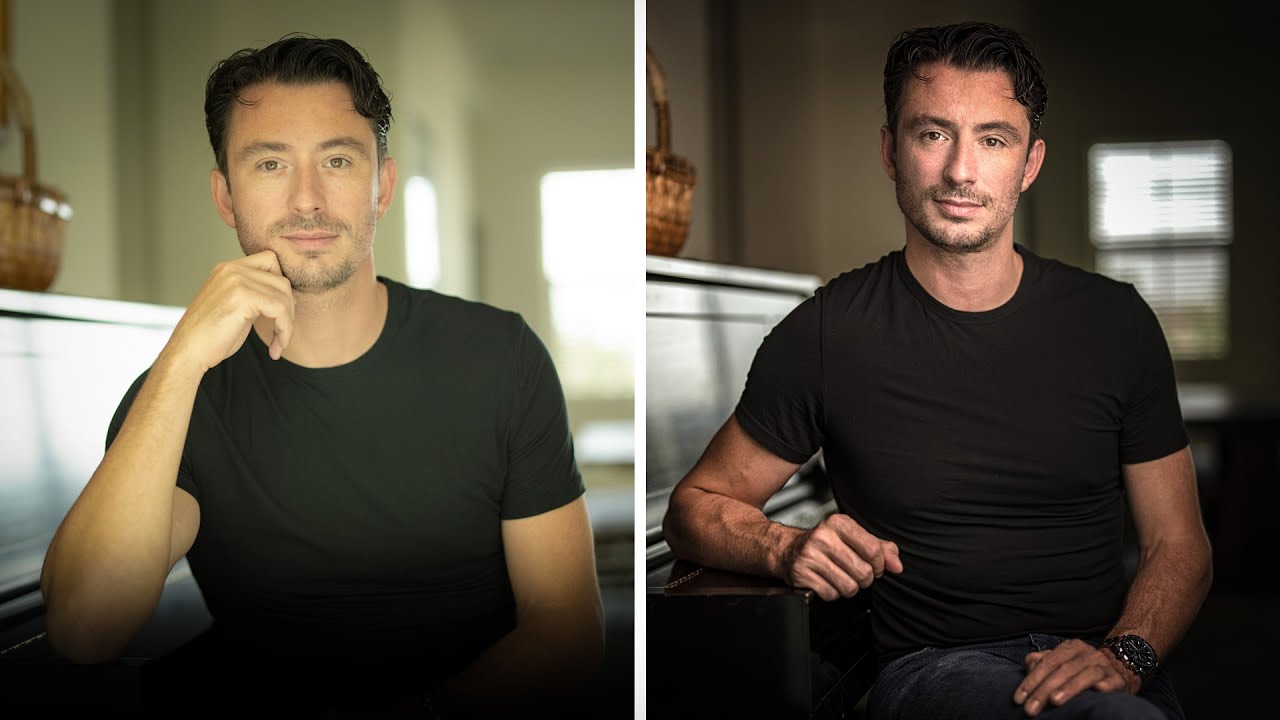
There’s a scenario every portrait photographer runs into eventually: you’re shooting somewhere that isn’t ideal, the natural light is flat and unforgiving, and your client is expecting something that looks like it belongs on an album cover. I’ve been there more times than I want to count. For a long time, my instinct was to just work with whatever the ambient light gave me and fix it in post. The results were fine.
What Joel Grimes and a 4x5 Camera Taught Me About Obsessing Over Focus

What Joel Grimes and a 4x5 Camera Taught Me About Obsessing Over Focus

I’ve been thinking a lot lately about what it actually means to commit to a shot. Not in the motivational-poster sense. I mean the physical, logistical, you-burned-your-dinner kind of commitment. Last month I was out on my Sunday morning photo walk and I kept chimping, checking the back of my camera every thirty seconds, second-guessing my focus point, re-shooting the same frame six or seven times. I got home with 200 photos and maybe two that felt intentional.

How Joel Grimes Uses Light and Lens Choice to Build Instant Drama in a Portrait

How Joel Grimes Uses Light and Lens Choice to Build Instant Drama in a Portrait

Every time I packed for a portrait session outside my home studio, I’d stare at my pile of paper backdrops and do this exhausting mental math. Bring the dark gray and risk wanting something warmer? Bring the canvas and run out of room for my reflectors? I spent years making that call wrong, which meant I spent years with shots that were technically fine but felt visually flat because I’d locked myself into a background choice before I’d even seen the light on location.

How Lens Choice Actually Shapes Your Subject (Not Just Your Frame)

How Lens Choice Actually Shapes Your Subject (Not Just Your Frame)

I had a portrait session a few weeks ago where everything looked technically fine but the images felt flat. The exposure was good, the light was good, my subject was relaxed. But something about the face looked compressed, a little disconnected from the background, kind of lifeless in a way I couldn’t immediately name. I went back through my shots and realized I had been shooting most of them at 70mm from maybe six feet away.

How to Never Miss Focus on a Large Format Portrait (The Dual Focusing Method Explained)

How to Never Miss Focus on a Large Format Portrait (The Dual Focusing Method Explained)

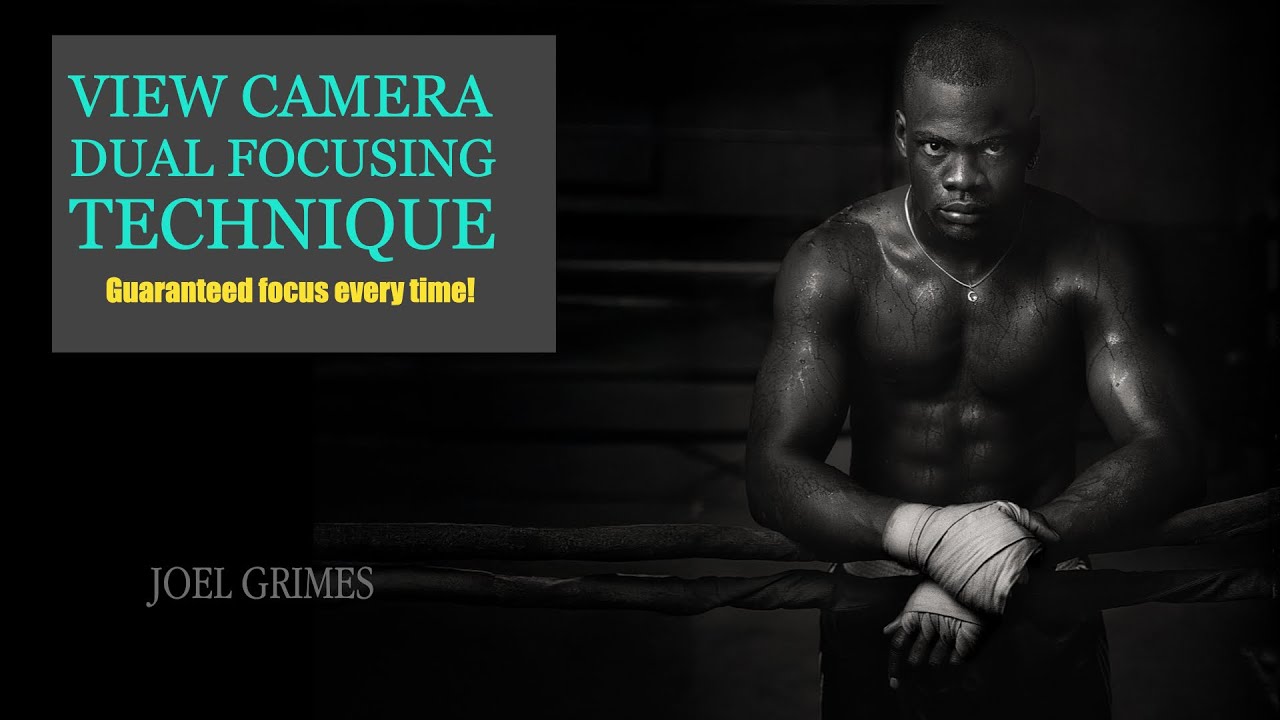
There is a specific kind of dread that comes from getting film back and realizing your shot is soft. Not artistically soft. Out of focus. I’ve felt a version of that with digital files, staring at a portrait at 100% zoom and watching the eyes dissolve into mush. Now multiply that by the cost, the rarity, and the sheer ceremony of shooting 4x5 film, and you start to understand the problem Joel Grimes was facing when he set out to photograph portraits on a large format view camera for major ad campaigns.

Capturing Life's Big Moments: Why Graduation Photography Deserves Your Creative Best

Capturing Life's Big Moments: Why Graduation Photography Deserves Your Creative Best

As we head into graduation season, I’ve been reflecting on why this particular genre offers such rich creative potential for photographers at all skill levels. Whether you’re documenting a family member’s achievement or building your portfolio as a professional, graduation photography presents a unique intersection of emotion, celebration, and visual storytelling. Why Graduation Sessions Matter I’ve noticed that photographers often overlook graduation work as a creative outlet. Yet these sessions contain everything you need to push your technical and artistic boundaries.

Exploring the New Light Lens Lab 75mm f/1.5 Z21: What Makes This Portrait Lens Special

Exploring the New Light Lens Lab 75mm f/1.5 Z21: What Makes This Portrait Lens Special

A Fresh Approach to Portrait Primes I’ve been following the lens market closely, and I’m excited to share what Light Lens Lab has just announced. They’ve released the 75mm f/1.5 “Z21,” a manual focus prime lens designed specifically for Leica M-Mount systems. What caught my attention isn’t just another focal length addition—it’s their entirely original optical formula. Why the 75mm Focal Length Matters Before diving into what makes this lens unique, let me explain why 75mm is such a compelling choice for portrait work:

The Portrait Lighting Ratio That Stopped Me From Overcomplicating My Setups

The Portrait Lighting Ratio That Stopped Me From Overcomplicating My Setups

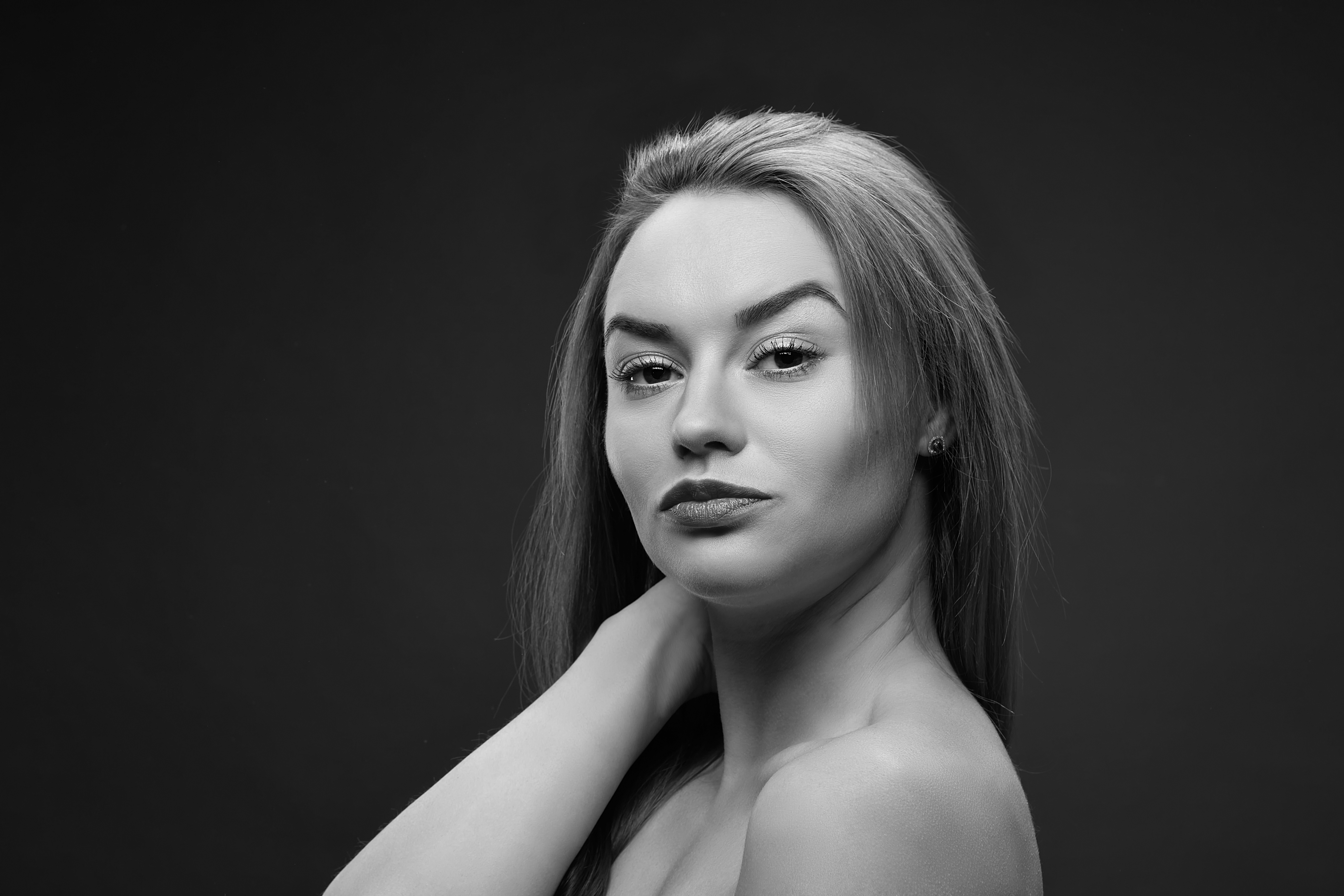
There’s a moment on almost every portrait shoot where the light is technically correct but the image still feels flat. The exposure is fine, the background works, the subject looks comfortable, and yet something is missing. For a long time I chalked that up to “the shot just wasn’t there.” Turns out, I was letting light land wherever it wanted and wondering why my portraits lacked dimension. The fix wasn’t another light or a bigger softbox.

Budget-Friendly Portrait Lens Alert: What Meike's New 56mm Air Means for Creators

Budget-Friendly Portrait Lens Alert: What Meike's New 56mm Air Means for Creators

Budget-Friendly Portrait Lens Alert: What Meike’s New 56mm Air Means for Creators I’ve been watching Meike’s recent push into the creator market with genuine interest. Their latest move—releasing a 56mm f/1.7 autofocus lens for under $160—represents something important for photographers like us: proof that quality doesn’t always require a premium price tag. Why This Lens Matters for Your Setup The new Air lens comes in versions for Sony, Fujifilm, and Nikon APS-C users, which covers a significant portion of the mirrorless camera market.

Why Every Portrait Photographer Should Consider a 35mm Prime Lens

Why Every Portrait Photographer Should Consider a 35mm Prime Lens

Why Every Portrait Photographer Should Consider a 35mm Prime Lens When I started my photography journey, I assumed all portrait photographers used 50mm or 85mm lenses. It wasn’t until years later that I discovered how many working professionals actually prefer 35mm focal lengths instead. This shift in perspective completely changed how I approach portrait sessions. The 35mm Prime Advantage Here’s what I’ve learned about why 35mm primes are gaining popularity among serious photographers:

The Reality of Outdoor Portrait Photography: Common Challenges and Smart Solutions

The Reality of Outdoor Portrait Photography: Common Challenges and Smart Solutions

The Reality of Outdoor Portrait Photography: Common Challenges and Smart Solutions When I first started shooting portraits outdoors, I arrived at every session convinced that my careful planning would guarantee smooth sailing. I was wrong—repeatedly. Over the years, I’ve learned that the gap between amateur and professional photographers isn’t about avoiding problems. It’s about having encountered them enough times to handle them gracefully. Expect the Unexpected The truth is, outdoor portrait sessions are inherently unpredictable.

The Hidden Cost of Quick Portrait Sessions: A Business Reality Check

The Hidden Cost of Quick Portrait Sessions: A Business Reality Check

The Mini Session Trap I’ve been watching a troubling trend in the portrait photography community, and I think it’s time we talk about it honestly. Many photographers—especially those building their businesses—rely heavily on “mini sessions” as a way to keep their calendars full. On the surface, this sounds smart. Quick bookings, happy clients, consistent income. But when I actually sat down and calculated the real numbers, I realized something important: we might be fooling ourselves about how profitable these sessions really are.