Move Your Light Behind the Subject — The Simple Shift That Makes Photos Look Expensive

Move Your Light Behind the Subject — The Simple Shift That Makes Photos Look Expensive

Every Sunday morning I take a photo walk through my neighborhood in Seattle, and I can tell you from years of doing it: most of the difference between a mediocre shot and a compelling one isn’t the camera, the subject, or even the composition. It’s where the light is coming from. I spent an embarrassing amount of time early in my career placing lights directly in front of subjects and wondering why my photos looked flat and lifeless.

Photography Cross Training: How Skills From One Genre Make You Sharper in All of Them

Photography Cross Training: How Skills From One Genre Make You Sharper in All of Them

Every Sunday morning I take a photo walk around Seattle. No agenda, no client, no shot list. I bring whatever camera feels right that week, sometimes my mirrorless kit, sometimes just my phone. What I’ve noticed over the years is that the weeks I’ve been shooting a lot of food or product work, my street portraits get sharper. Not technically sharper, sharper in the sense that I’m reading light faster, thinking about gesture more deliberately, framing with more intention.

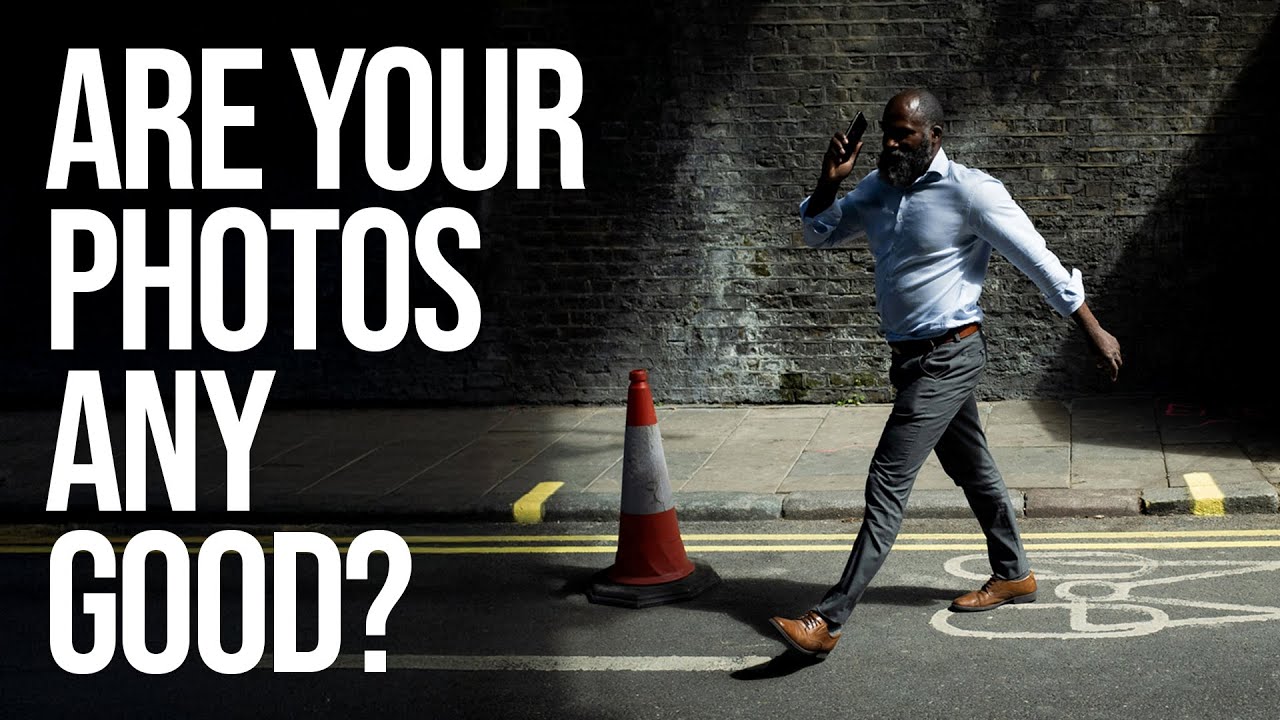
Three Words That Will Tell You More About Your Photography Than Any Online Critique Ever Will

Three Words That Will Tell You More About Your Photography Than Any Online Critique Ever Will

Every Sunday morning I take a photo walk through my neighborhood in Seattle. No agenda, no client brief, no pressure. Just me and whatever camera I grabbed on the way out the door. And for the first two years I was doing this, I kept coming home and feeling vaguely unsatisfied without being able to explain why. The shots weren’t technically wrong. The exposure was fine, the composition was decent. But something wasn’t clicking, and I didn’t know how to name the gap between what I was making and what I actually wanted to make.

How to Photograph Clear Liquid Bottles Without the Mess (A Pro's Step-by-Step Breakdown)

How to Photograph Clear Liquid Bottles Without the Mess (A Pro's Step-by-Step Breakdown)

Product photography has a way of humbling you fast. I learned this the hard way the first time a friend asked me to shoot a few spirits bottles for their small-batch gin label. I figured: clean background, good light, done. What I got instead was streaky water droplets sliding down the glass, a label that looked flat and washed out, and a reflection so doubled-up it looked like the bottle had a twin.

What Blind Photo Critiques Taught Me About Focus, Consistency, and Knowing Your Style

What Blind Photo Critiques Taught Me About Focus, Consistency, and Knowing Your Style

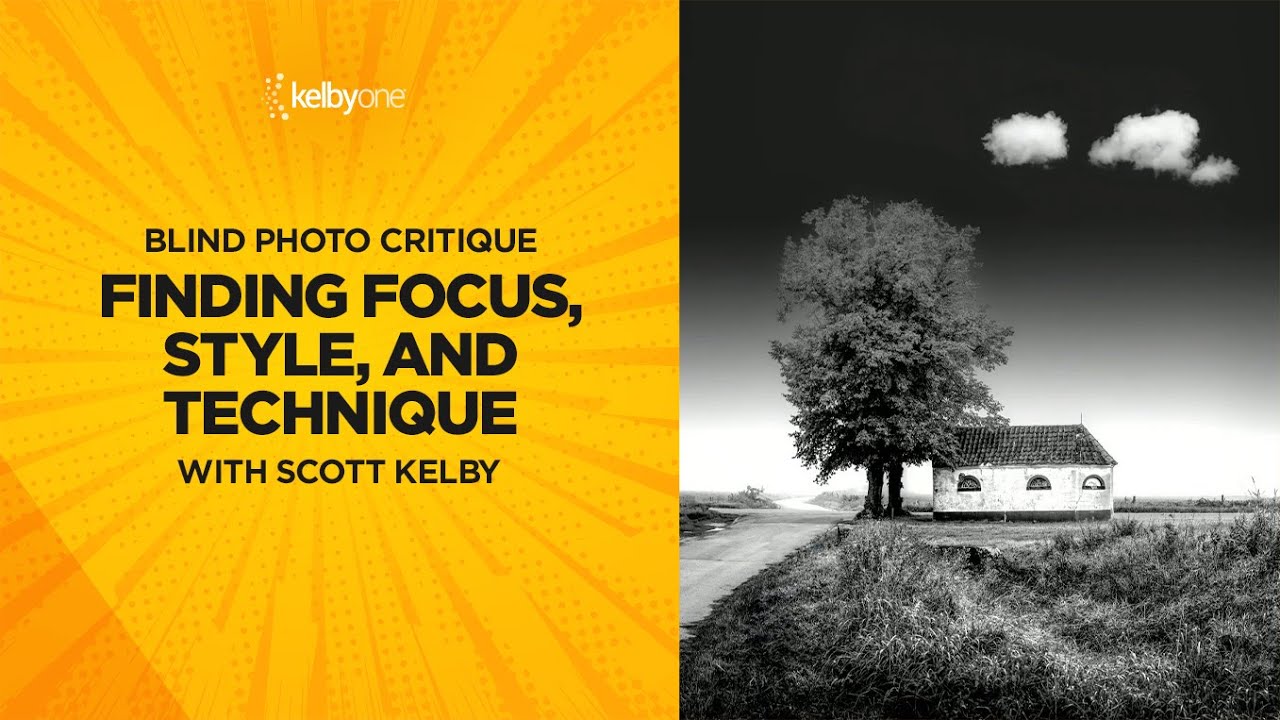
There’s a specific kind of uncomfortable that happens when someone else looks at your photos and tells you the truth. I’ve been on both sides of that conversation, and I’ll tell you honestly — the critique sessions that pushed my work forward the most were never the ones where someone said “great shot.” They were the ones where a more experienced photographer pointed at my image and said, this isn’t working, and here’s why.

How to Shoot Lifestyle Photos That Actually Feel Alive (Not Like Ads)

How to Shoot Lifestyle Photos That Actually Feel Alive (Not Like Ads)

I had a client ask me once why their product photos looked “too perfect.” At first I thought that was a strange complaint. But I knew exactly what they meant. The images were clean, well-lit, technically correct, and completely soulless. Nobody looked at them and thought, I want to be in that moment. They looked at them and thought, that’s a shoe. That gap, between a product shot and a lifestyle shot, is something I’ve spent years learning to close.

What the Ricoh GR3x Taught Me About Buying a Camera That Actually Fits Your Life

What the Ricoh GR3x Taught Me About Buying a Camera That Actually Fits Your Life

There’s a camera sitting on my nightstand right now. Not in a bag, not on a shelf — on my nightstand, because it’s small enough that grabbing it on a Sunday morning photo walk feels like reaching for my keys. That’s not an accident. That’s design intentionality, and it’s something I’ve spent years chasing in gear. So when I came across Sean Tucker’s deep-dive into the Ricoh GR3x, I watched it twice.

7 Real Wedding Photography Mistakes (And What They Actually Teach You)

7 Real Wedding Photography Mistakes (And What They Actually Teach You)

I have a rule I share with every beginner who asks me how I got good at photography: watch people mess up, and pay close attention. Not to feel superior, not to laugh, but because failures are honest in a way that polished tutorials rarely are. A stumble in a real shooting environment tells you exactly what the pressure points are. That’s why when I sat down with this Peter McKinnon video, I kept stopping and rewinding.

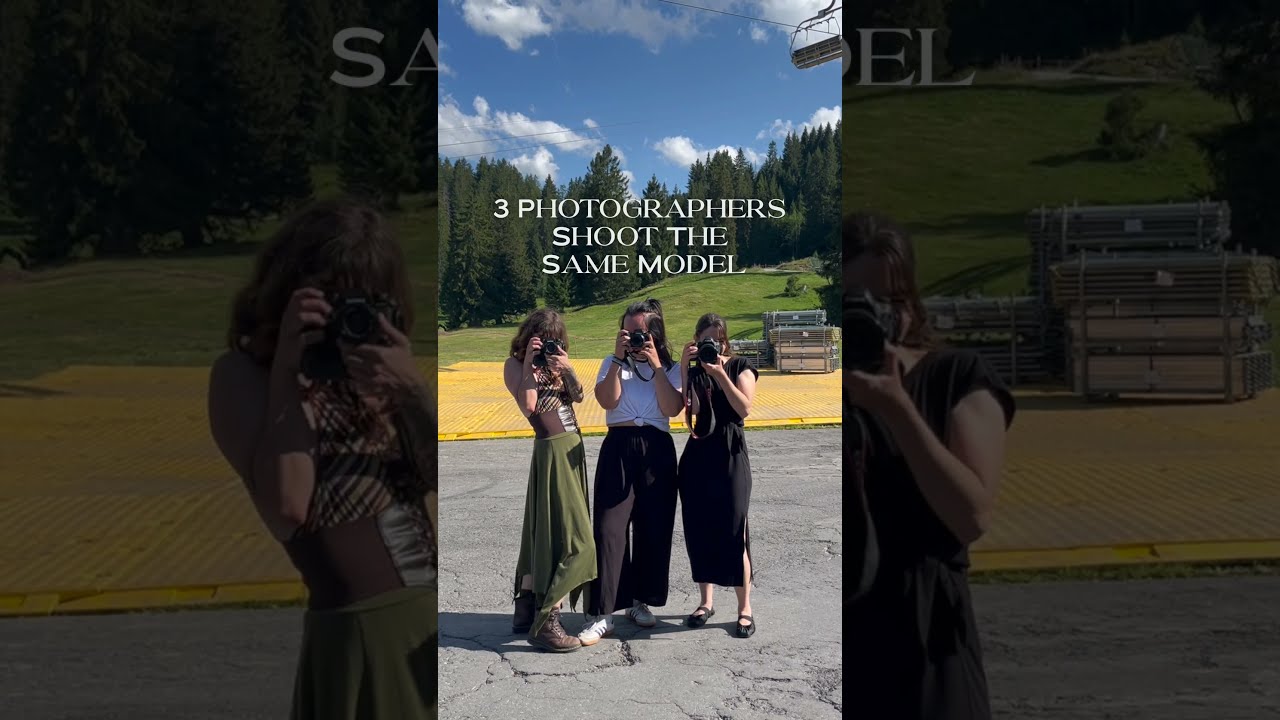
What Happens When 3 Photographers Shoot the Same Model — And What It Teaches You About Your Own Style

What Happens When 3 Photographers Shoot the Same Model — And What It Teaches You About Your Own Style

I’ve been shooting portrait sessions for years, and one of the questions I still get tripped up by is this: how much of a “good photo” is technical skill versus personal vision? I had a client session last month where everything was correct on paper — the light was soft, my settings were dialed in, the location was beautiful — and the images still felt flat to me. Not bad. Just… mine-shaped.

Shadow Sharpness and Density: The Two-Light Skill That Changed How I Think About Every Shot

Shadow Sharpness and Density: The Two-Light Skill That Changed How I Think About Every Shot

There is a moment in almost every beginner photographer’s journey where the technical stuff clicks into place and suddenly everything looks intentional. For me, that moment came with light - not finding more of it, but understanding what it does after it hits the subject. Specifically, what it does with shadows. I spent a long time treating shadows like a problem to eliminate. Now I treat them like a second subject in the frame, and that shift changed everything about how I work.

How to Actually Approach Strangers for Portraits (A Street Photographer's Honest Breakdown)

How to Actually Approach Strangers for Portraits (A Street Photographer's Honest Breakdown)

Every Sunday morning I do a photo walk through my neighborhood in Seattle. I’ve been doing it for years. And for years I would come home with beautiful shots of storefronts, fog rolling off the water, the occasional dog trotting past. Almost never a person. Not a real portrait, anyway. Nothing where I looked someone in the eye and asked if I could photograph them. The opportunity was always there. The nerve, less so.

Stop Overthinking It: How William Patino Shoots and Edits with Joyful Simplicity

Stop Overthinking It: How William Patino Shoots and Edits with Joyful Simplicity

Forest photography is one of those situations that can absolutely paralyze you. There’s too much going on, the light changes every thirty seconds, and every direction you point the camera feels like both a great idea and a terrible one simultaneously. I know that feeling well. I once spent four days in Olympic National Park circling the same grove of trees, convinced that if I just waited long enough, everything would click into place.