How to Build a Photography Brand That People Recognize Before They See Your Name

How to Build a Photography Brand That People Recognize Before They See Your Name

There’s a question I get asked at almost every workshop I teach, and it usually comes from someone who’s technically solid but frustrated: “Why does my work all look… different?” They show me a portfolio and I can see the problem immediately. A moody street photo sits next to a bright, airy lifestyle shot, which sits next to a dramatic black-and-white portrait. All technically competent. None of it cohesive. And cohesion, it turns out, is everything when you’re trying to build a photography career or even just a reputation worth having.

Why Chasing Better Photos Can Actually Stall Your Growth (And What to Do Instead)

Why Chasing Better Photos Can Actually Stall Your Growth (And What to Do Instead)

There’s a specific kind of frustration that sneaks up on you the longer you shoot. It’s not the beginner confusion of “which aperture do I use?” It’s quieter and harder to name. You know your camera. You know your editing software. You’ve got a style. And yet something feels stuck. I’ve hit that wall more than once, usually right before I start a new project, when the gap between what I want to make and what I’m actually making feels uncomfortably wide.

Blue Hour Photography: Why I'm Done Packing Up at Sunset

Blue Hour Photography: Why I'm Done Packing Up at Sunset

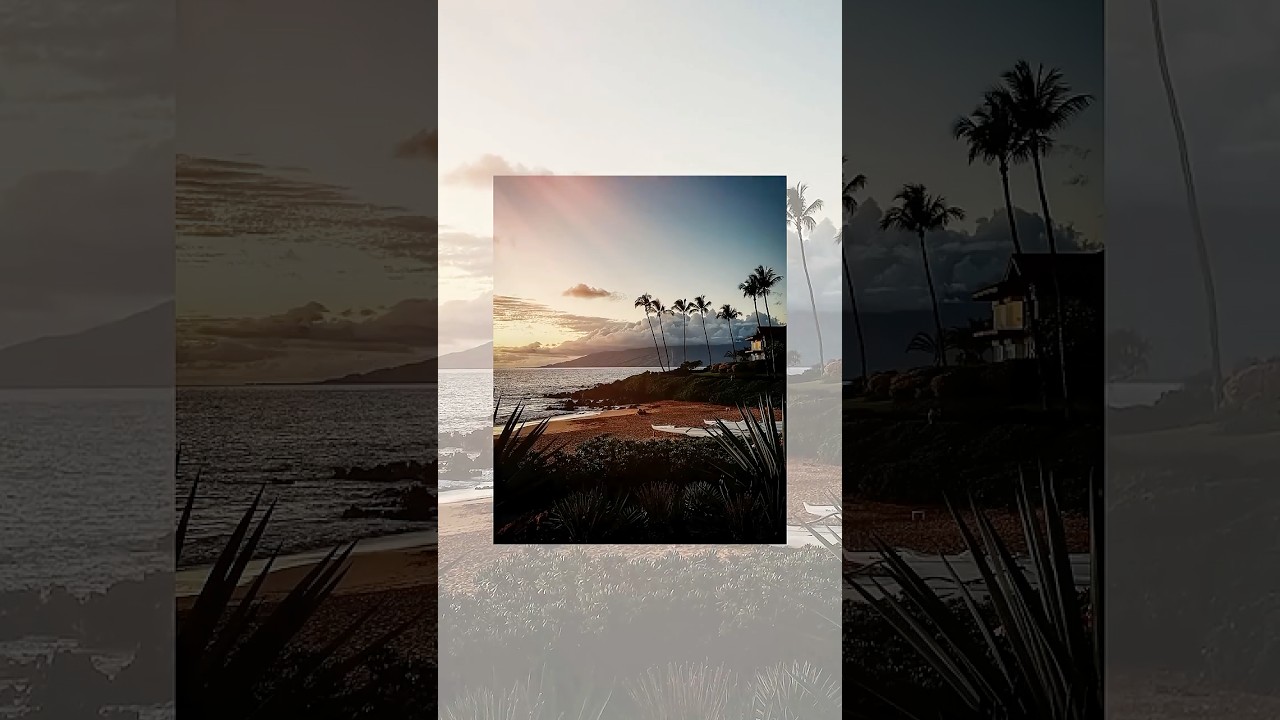
My Sunday photo walks used to follow the same script every week. Arrive before sunrise or stay through sunset, chase the color, pack up the second the sky went gray. I treated everything after golden hour like dead time, like the light had clocked out and there was nothing left worth shooting. I was wrong, and it took watching someone else deliberately stay out past sunset to finally shake that habit.

Why Your Cheap Camera Might Be Better Than You Think

Why Your Cheap Camera Might Be Better Than You Think

Why Your “Cheap” Camera Might Be Better Than You Think I’ve spent years experimenting with cameras across every price point imaginable. What started as necessity—I couldn’t always afford the latest equipment—became one of my most valuable learning experiences. Today, I want to share what I’ve discovered about shooting with budget-friendly gear and why these “limitations” might actually accelerate your growth as a photographer. The Unexpected Benefits of Budget Gear When you remove the expectation that expensive equipment guarantees great photos, something shifts.

6 Composition Rules That Actually Stick (A Breakdown of Joel Grimes' Best Advice)

6 Composition Rules That Actually Stick (A Breakdown of Joel Grimes' Best Advice)

Every Sunday morning I’m out on a photo walk, and I can’t tell you how many times I’ve come home with a memory card full of shots that just… don’t land. The light was good. The subject was interesting. But something felt off, and I couldn’t explain why. That vague, frustrating feeling is almost always a composition problem. That’s what pulled me into Watch the full tutorial on YouTube by Joel Grimes, a commercial advertising photographer with over 35 years of experience.

How to Use a Single Light Source to Create Dramatic, Sparkling Portrait Effects

How to Use a Single Light Source to Create Dramatic, Sparkling Portrait Effects

I had a client session last month that humbled me. Corporate headshots, simple brief, nothing fancy. But the client kept pulling up reference photos on her phone, all of them with these gorgeous little catchlights and a kind of sparkle to the skin that looked expensive without looking overdone. I knew the technique existed. I just hadn’t locked it down in a way I could repeat reliably under pressure. That’s when I found this tutorial and it clicked something into place.

Shoot Epic Product Photos at Home Using Everyday Objects (Peter McKinnon's Method, Broken Down)

Shoot Epic Product Photos at Home Using Everyday Objects (Peter McKinnon's Method, Broken Down)

Every few months I get a message from someone asking how brands get those rich, moody product shots that look like they required a full studio crew. Nine times out of ten, the answer is simpler than you’d expect. I started thinking about this more seriously when I realized I was turning down small product photography requests because I assumed I didn’t have the “right” setup. Spoiler: I was wrong, and a Peter McKinnon tutorial on shooting playing cards changed how I approach the whole thing.

Ten Things Beginner Photographers Get Wrong (And How to Fix Them Fast)

Ten Things Beginner Photographers Get Wrong (And How to Fix Them Fast)

There’s a specific kind of frustration that hits when you get home from a shoot, pull up your images, and realize that technically everything went wrong. The shot is slightly blurry. The foreground is sharp but the background is mush. There are strangers walking through your otherwise perfect frame. I spent my first two years as a photographer chalking those problems up to bad luck. Turns out, they’re all fixable, and the fixes aren’t complicated.

Why a Compact Travel Camera System Should Be Your Next Investment

Why a Compact Travel Camera System Should Be Your Next Investment

Why a Compact Travel Camera System Should Be Your Next Investment I’ve been thinking a lot lately about what makes a truly great travel camera setup, and I want to share some insights that might help you make your next gear decision. Whether you’re planning a hiking trip, a family vacation, or just want something that fits in your everyday bag, there are some key features worth understanding. The Case for Compact Systems When it comes to travel photography, I always tell people that the best camera is the one you’ll actually bring with you.

The Composition Rule Joel Grimes Swears By (And Why It Fixed My Framing Problem)

The Composition Rule Joel Grimes Swears By (And Why It Fixed My Framing Problem)

I have a bad habit. When I’m on a Sunday morning photo walk and the light is doing something magical, I get so caught up in what I’m photographing that I stop thinking about how I’m framing it. I’ll come home with a card full of shots where the subject floats in the middle of the frame like a passport photo. Technically exposed. Compositionally forgettable. That’s the problem this tutorial cracked open for me.

How Lens Choice Actually Shapes Your Subject (Not Just Your Frame)

How Lens Choice Actually Shapes Your Subject (Not Just Your Frame)

I had a portrait session a few weeks ago where everything looked technically fine but the images felt flat. The exposure was good, the light was good, my subject was relaxed. But something about the face looked compressed, a little disconnected from the background, kind of lifeless in a way I couldn’t immediately name. I went back through my shots and realized I had been shooting most of them at 70mm from maybe six feet away.

The Portrait Lighting Ratio That Stopped Me From Overcomplicating My Setups

The Portrait Lighting Ratio That Stopped Me From Overcomplicating My Setups

There’s a moment on almost every portrait shoot where the light is technically correct but the image still feels flat. The exposure is fine, the background works, the subject looks comfortable, and yet something is missing. For a long time I chalked that up to “the shot just wasn’t there.” Turns out, I was letting light land wherever it wanted and wondering why my portraits lacked dimension. The fix wasn’t another light or a bigger softbox.