Stop Avoiding Overcast Days: Why Flat Light Is Perfect for Portrait Photography

Stop Avoiding Overcast Days: Why Flat Light Is Perfect for Portrait Photography

Stop Avoiding Overcast Days: Why Flat Light Is Perfect for Portrait Photography I’ve watched countless photographers pack up their gear the moment clouds roll in, convinced that good light has vanished for the day. I used to do the same thing. But after years of working in various conditions, I’ve learned that this assumption is completely backward. The truth is that overcast skies offer some of the most forgiving and beautiful light available to portrait photographers.


What Four Working Photographers Agree On When It Comes to Shooting People

What Four Working Photographers Agree On When It Comes to Shooting People

Last month I was on a shoot with a friend who wanted some updated headshots, just casual stuff in her backyard, nothing fancy. I kept stopping myself mid-shot because I couldn’t figure out why the images felt stiff. The light was fine. The lens was fine. She looked great. Something about the direction I was giving her was falling flat, and I couldn’t name it in the moment. That nagging feeling is exactly why I sat down with episode 700 of The Grid, a long-running photography talk show by KelbyOne.

What a Million-Follower Photographer Taught Me About Growing Slowly and Shooting Smart

What a Million-Follower Photographer Taught Me About Growing Slowly and Shooting Smart

There’s a specific kind of frustration that hits when you’ve been posting consistently for months and your follower count barely moves. I’ve been there. I remember refreshing my Instagram insights after a trip to Olympic National Park, convinced that my best waterfall series would finally break through, and watching it flatline by Tuesday. What was I doing wrong? More often than not, the answer wasn’t the photos themselves. It was everything around them.

Why Persistence Beats Portfolio: A Working Photographer's Breakdown of Joel Grimes' Career Advice

Why Persistence Beats Portfolio: A Working Photographer's Breakdown of Joel Grimes' Career Advice

I used to think that if I just got good enough, the work would come. Shoot more, edit better, post consistently, and clients would eventually find me. It took an embarrassingly long time, and more than a few months of tumbleweeds in my inbox, before I started questioning that assumption. The technical side of photography is learnable. The business side is where most of us quietly struggle and rarely talk about it.

What a 1977 Ford Truck Taught Me About Shooting with Character (And Why Your Subject's Story Is Half the Photo)

What a 1977 Ford Truck Taught Me About Shooting with Character (And Why Your Subject's Story Is Half the Photo)

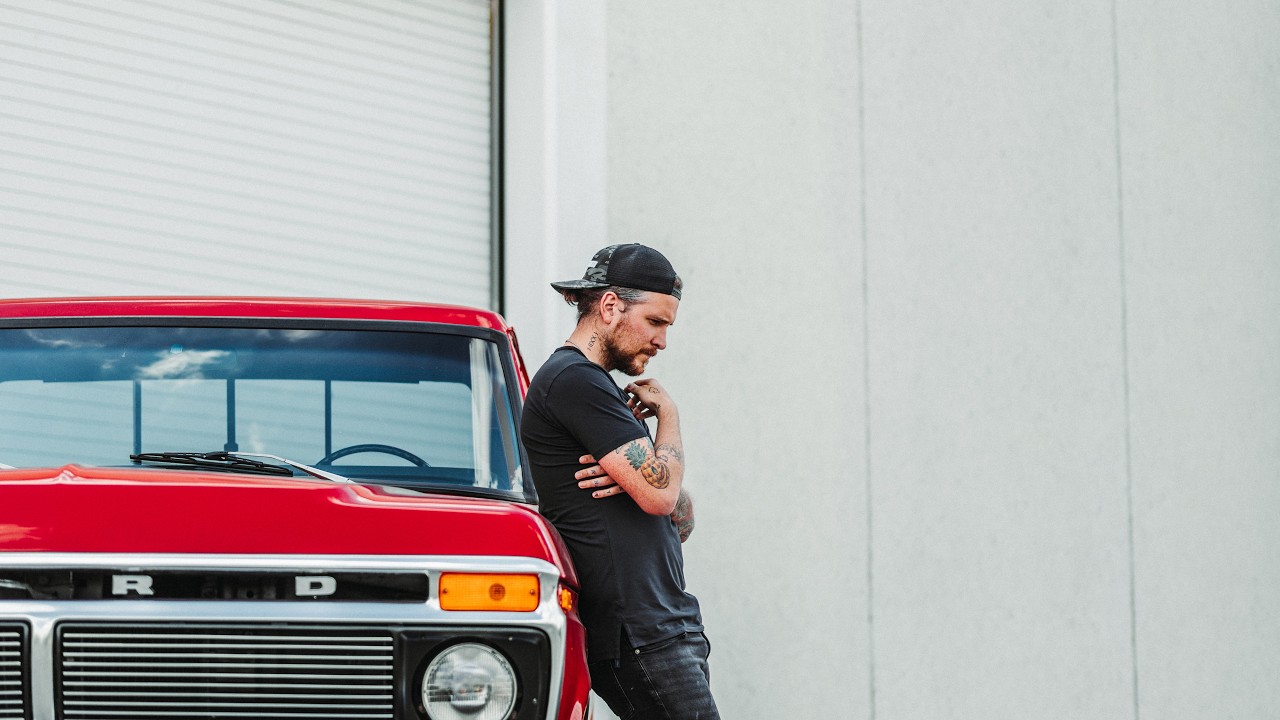
There’s a question I get asked constantly on my Sunday morning photo walks: “How do I make my photos feel like they mean something?” My honest answer is always the same. The feeling usually starts before you ever lift the camera. It starts with what you choose to photograph, and why that thing deserves a frame around it. Watch the full tutorial on YouTube In this Peter McKinnon video, what looks on the surface like a vlog about trading in an old truck is actually a quiet, practical lesson in something photographers struggle with all the time: identifying visual character in a subject, reading light and color under real-world conditions, and letting a subject’s imperfections become the story rather than something to work around.

How to Build a Photography Brand That People Recognize Before They See Your Name

How to Build a Photography Brand That People Recognize Before They See Your Name

There’s a question I get asked at almost every workshop I teach, and it usually comes from someone who’s technically solid but frustrated: “Why does my work all look… different?” They show me a portfolio and I can see the problem immediately. A moody street photo sits next to a bright, airy lifestyle shot, which sits next to a dramatic black-and-white portrait. All technically competent. None of it cohesive. And cohesion, it turns out, is everything when you’re trying to build a photography career or even just a reputation worth having.

Why Chasing Better Photos Can Actually Stall Your Growth (And What to Do Instead)

Why Chasing Better Photos Can Actually Stall Your Growth (And What to Do Instead)

There’s a specific kind of frustration that sneaks up on you the longer you shoot. It’s not the beginner confusion of “which aperture do I use?” It’s quieter and harder to name. You know your camera. You know your editing software. You’ve got a style. And yet something feels stuck. I’ve hit that wall more than once, usually right before I start a new project, when the gap between what I want to make and what I’m actually making feels uncomfortably wide.

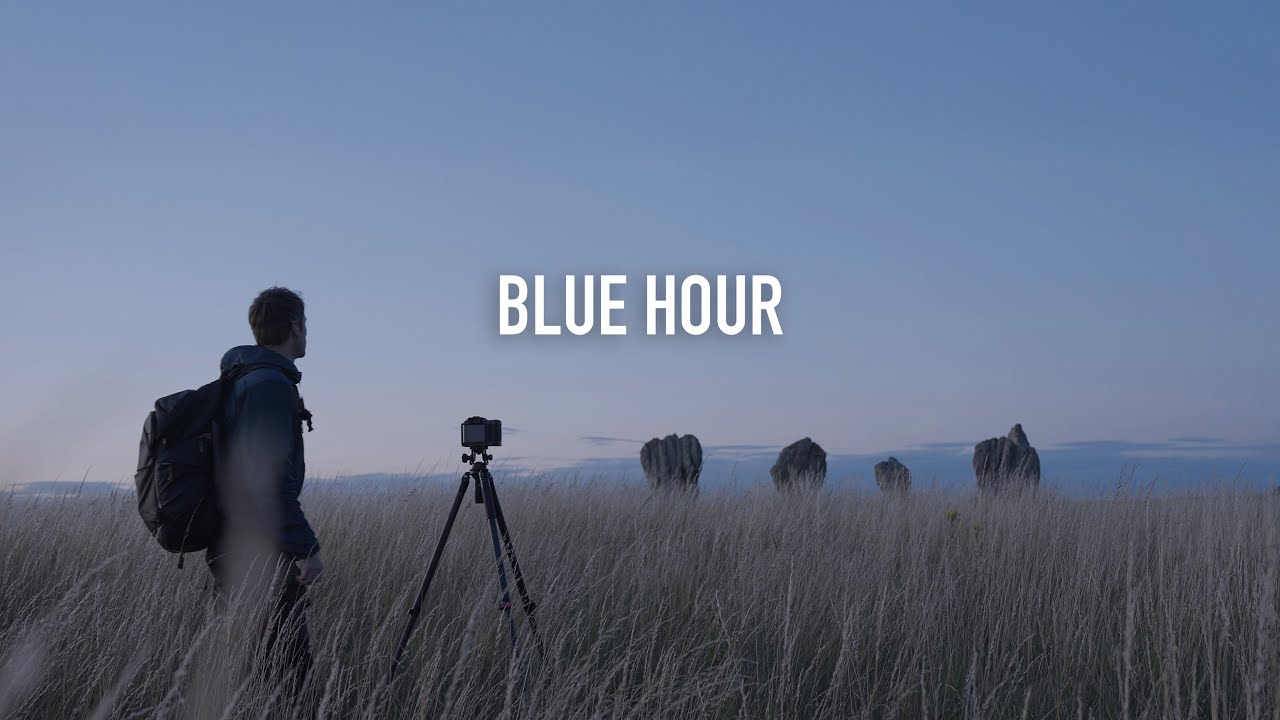
Blue Hour Photography: Why I'm Done Packing Up at Sunset

Blue Hour Photography: Why I'm Done Packing Up at Sunset

My Sunday photo walks used to follow the same script every week. Arrive before sunrise or stay through sunset, chase the color, pack up the second the sky went gray. I treated everything after golden hour like dead time, like the light had clocked out and there was nothing left worth shooting. I was wrong, and it took watching someone else deliberately stay out past sunset to finally shake that habit.

Why Your Cheap Camera Might Be Better Than You Think

Why Your Cheap Camera Might Be Better Than You Think

Why Your “Cheap” Camera Might Be Better Than You Think I’ve spent years experimenting with cameras across every price point imaginable. What started as necessity—I couldn’t always afford the latest equipment—became one of my most valuable learning experiences. Today, I want to share what I’ve discovered about shooting with budget-friendly gear and why these “limitations” might actually accelerate your growth as a photographer. The Unexpected Benefits of Budget Gear When you remove the expectation that expensive equipment guarantees great photos, something shifts.

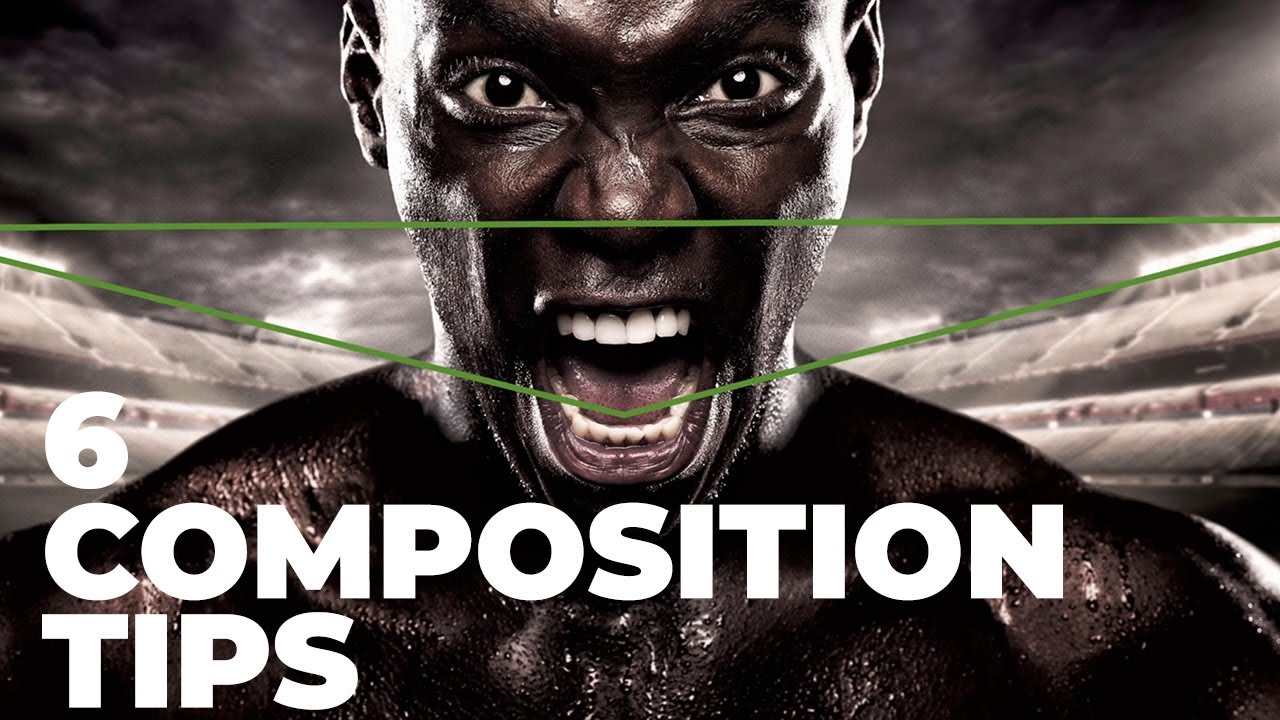
6 Composition Rules That Actually Stick (A Breakdown of Joel Grimes' Best Advice)

6 Composition Rules That Actually Stick (A Breakdown of Joel Grimes' Best Advice)

Every Sunday morning I’m out on a photo walk, and I can’t tell you how many times I’ve come home with a memory card full of shots that just… don’t land. The light was good. The subject was interesting. But something felt off, and I couldn’t explain why. That vague, frustrating feeling is almost always a composition problem. That’s what pulled me into Watch the full tutorial on YouTube by Joel Grimes, a commercial advertising photographer with over 35 years of experience.

How to Use a Single Light Source to Create Dramatic, Sparkling Portrait Effects

How to Use a Single Light Source to Create Dramatic, Sparkling Portrait Effects

I had a client session last month that humbled me. Corporate headshots, simple brief, nothing fancy. But the client kept pulling up reference photos on her phone, all of them with these gorgeous little catchlights and a kind of sparkle to the skin that looked expensive without looking overdone. I knew the technique existed. I just hadn’t locked it down in a way I could repeat reliably under pressure. That’s when I found this tutorial and it clicked something into place.

Shoot Epic Product Photos at Home Using Everyday Objects (Peter McKinnon's Method, Broken Down)

Shoot Epic Product Photos at Home Using Everyday Objects (Peter McKinnon's Method, Broken Down)

Every few months I get a message from someone asking how brands get those rich, moody product shots that look like they required a full studio crew. Nine times out of ten, the answer is simpler than you’d expect. I started thinking about this more seriously when I realized I was turning down small product photography requests because I assumed I didn’t have the “right” setup. Spoiler: I was wrong, and a Peter McKinnon tutorial on shooting playing cards changed how I approach the whole thing.