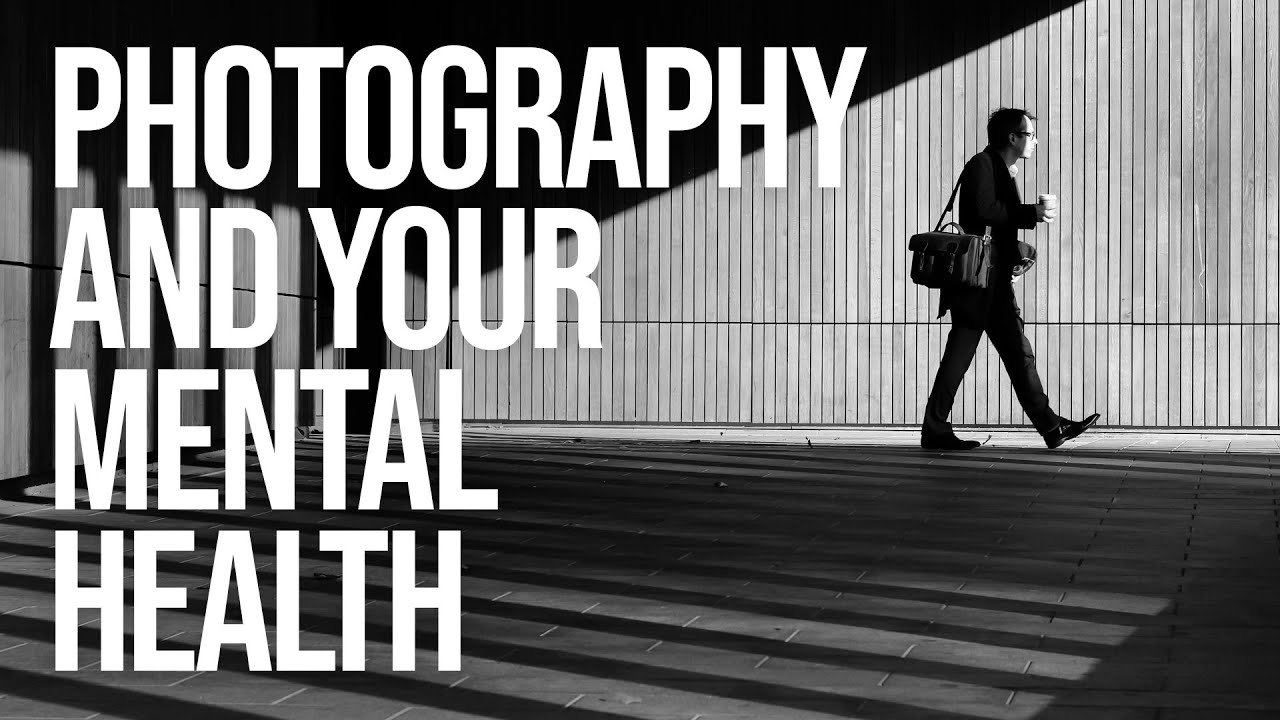
Every Sunday morning I do a photo walk. Rain, shine, or the classic Seattle grey drizzle that falls somewhere between both. I started this tradition partly for the creative practice, but I kept it going because of how I feel when I come home. Clearer. Quieter. Like something that was coiled up has been allowed to unwind. I didn’t have a good framework for explaining why that happened until I watched this interview.
In this Sean Tucker tutorial, Watch the full tutorial on YouTube, Sean sits down with Pete Wands, an Edinburgh-based street photographer who also works full-time as a doctor and raises a young family. Pete’s work has earned serious attention from the local photography community for the way it documents his city with consistency and depth. But what makes this conversation genuinely useful isn’t just the photography advice. It’s the way Pete articulates something most of us have felt but never quite named: that going out with a camera is a form of active recovery for a busy, demanding life.
What follows is a breakdown of the core lessons Pete shares, structured so you can actually put them into practice this week, whether you’re shooting Edinburgh’s closes or your own city block in the rain.
Step 1: Choose a City and Commit to It Deeply
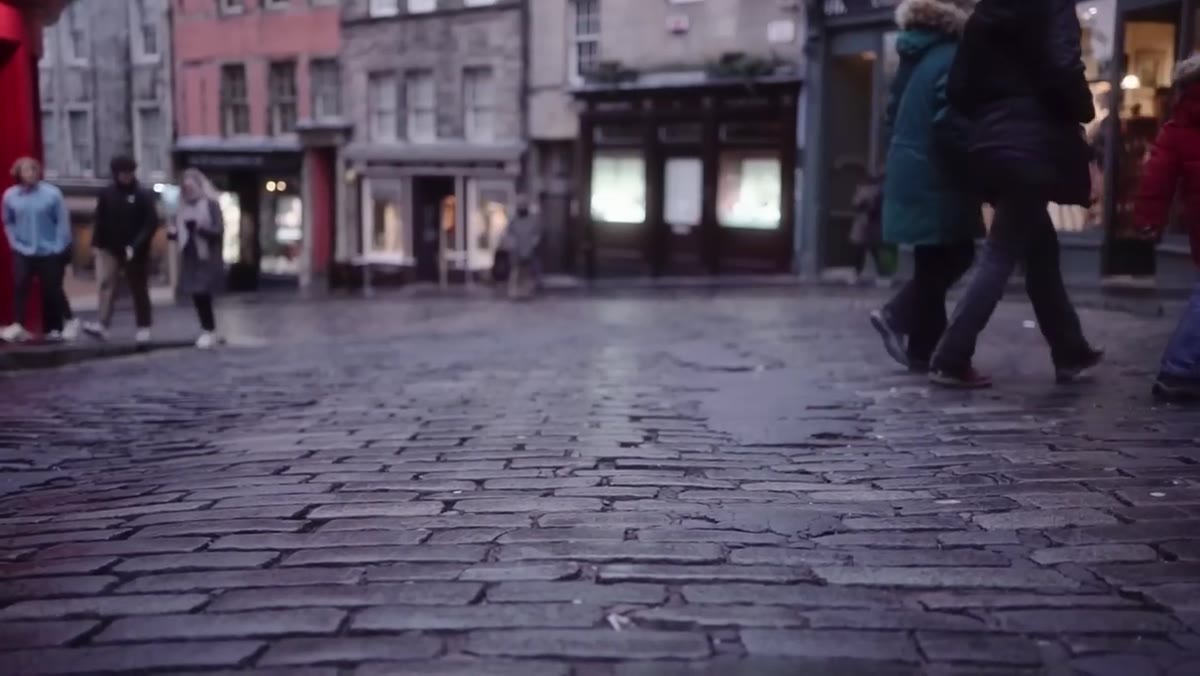 Pete describing Edinburgh’s compact layout and walkable streets
Pete has been photographing Edinburgh for around six years. Not casually, not when the light is perfect, but consistently, as a long-term project. The goal is to create a body of work that shows future generations what it actually looked like to live in that city right now. This is the Fred Herzog model: one photographer, one city, sustained over years.
Pete describing Edinburgh’s compact layout and walkable streets
Pete has been photographing Edinburgh for around six years. Not casually, not when the light is perfect, but consistently, as a long-term project. The goal is to create a body of work that shows future generations what it actually looked like to live in that city right now. This is the Fred Herzog model: one photographer, one city, sustained over years.
The practical takeaway here is to stop treating your location as a limitation. I spent years feeling like Seattle wasn’t “interesting enough” compared to cities I’d seen in photography books. Pete’s approach flipped that thinking entirely. Depth beats breadth. Pick the streets you can walk in 20 minutes and learn them the way you’d learn a song you want to play from memory.
Step 2: Use Bad Weather as Your Creative Advantage
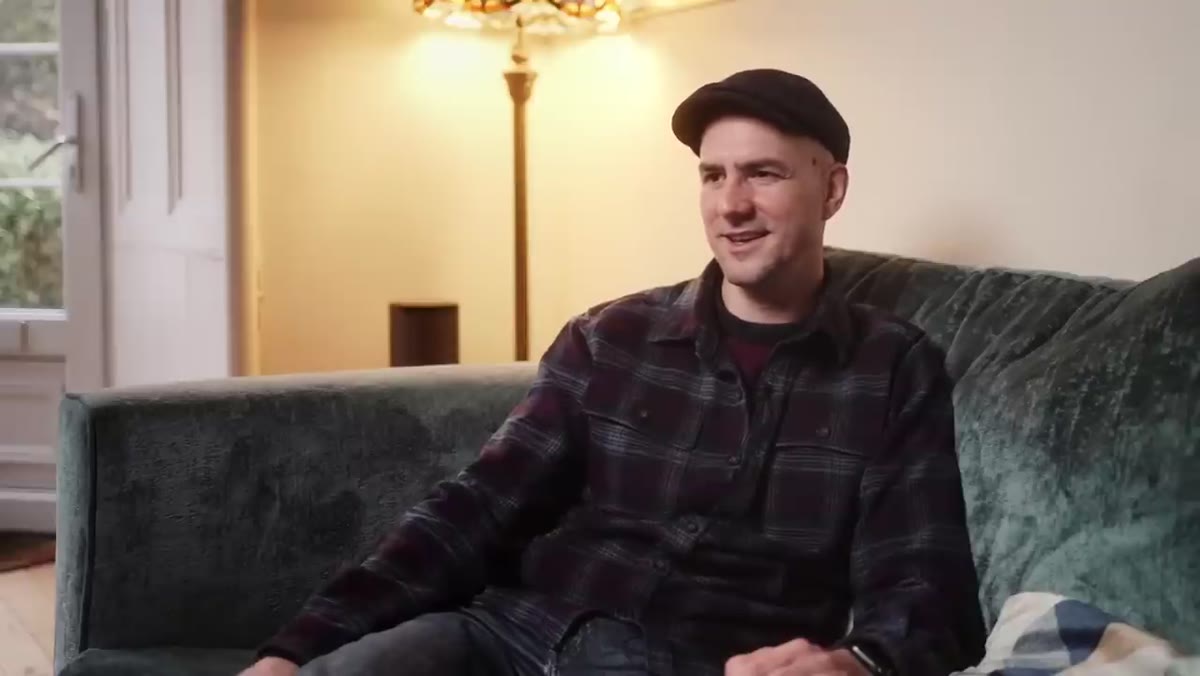 Pete discussing shooting in rain, snow, and sea fog over Edinburgh
Pete is direct about Scotland’s weather being the kind that wants to keep you on the couch. He’s also direct that it produces some of his best work. The haar, which is Edinburgh’s sea fog rolling in off the North Sea, the rain-slicked cobblestones, the snow, these conditions create atmosphere that flat-lit sunshine rarely delivers. Pete says his best outings have often been in exactly those conditions.
Pete discussing shooting in rain, snow, and sea fog over Edinburgh
Pete is direct about Scotland’s weather being the kind that wants to keep you on the couch. He’s also direct that it produces some of his best work. The haar, which is Edinburgh’s sea fog rolling in off the North Sea, the rain-slicked cobblestones, the snow, these conditions create atmosphere that flat-lit sunshine rarely delivers. Pete says his best outings have often been in exactly those conditions.
The practical shift is this: stop waiting for good light and start chasing interesting conditions. Before you head out, check the forecast the way a surfer checks the swell report. Overcast and drizzly? That’s soft, even light with no harsh shadows. Fog? Instant mood. Keep a small waterproof cover for your camera or just accept that a weather-sealed body is worth the investment if street shooting is your practice. The discipline of going out anyway builds something beyond technical skill. It builds the habit.
Step 3: Let Geography Shape Your Shooting Schedule
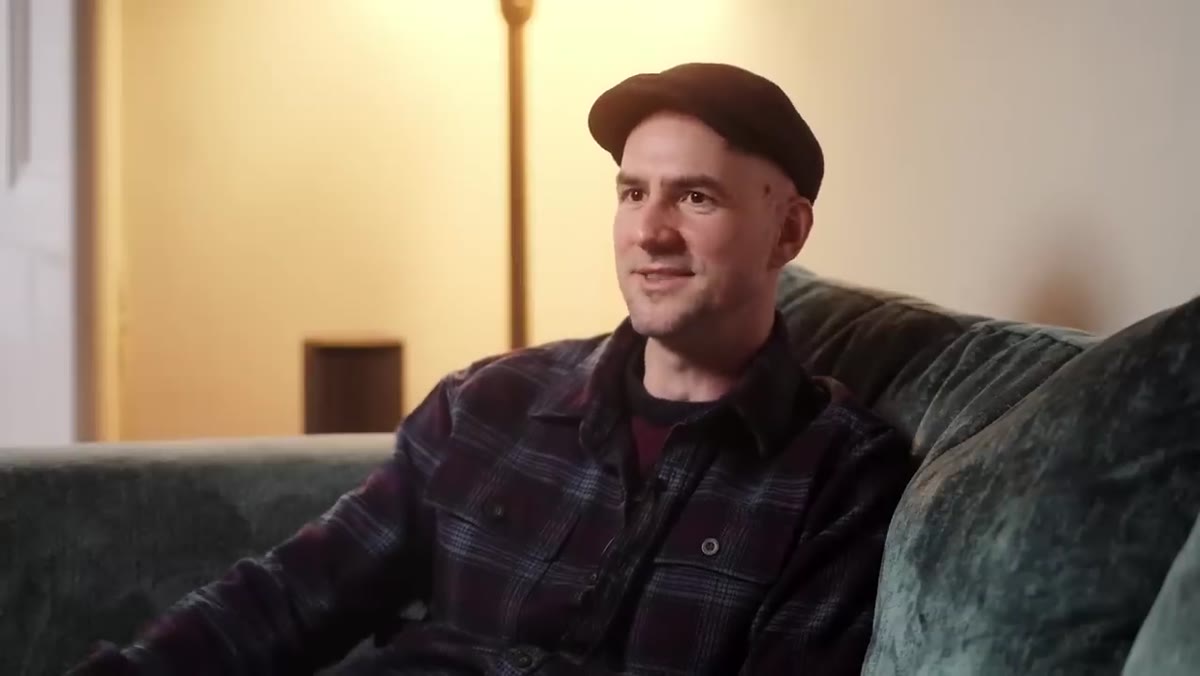 Pete talking about living in the city center and using changing conditions opportunistically
Pete lives in central Edinburgh, and he treats that proximity as a creative tool. When he hears about an event, or notices the light shifting, or sees fog building, he can be out the door and shooting within minutes. He’s built his life, at least partially, around reducing the friction between impulse and action.
Pete talking about living in the city center and using changing conditions opportunistically
Pete lives in central Edinburgh, and he treats that proximity as a creative tool. When he hears about an event, or notices the light shifting, or sees fog building, he can be out the door and shooting within minutes. He’s built his life, at least partially, around reducing the friction between impulse and action.
You may not live downtown, but you can apply the same logic to wherever you are. Identify a two or three block radius you can reach on foot in under ten minutes. That’s your practice zone. When something interesting happens, weather, light, a market, a crowd, you want to be able to act without a 30-minute commute eating your window. Reduce friction and you’ll shoot more. Shoot more and you’ll improve faster.
Step 4: Schedule Shoots Around Family and Work, Not Despite Them
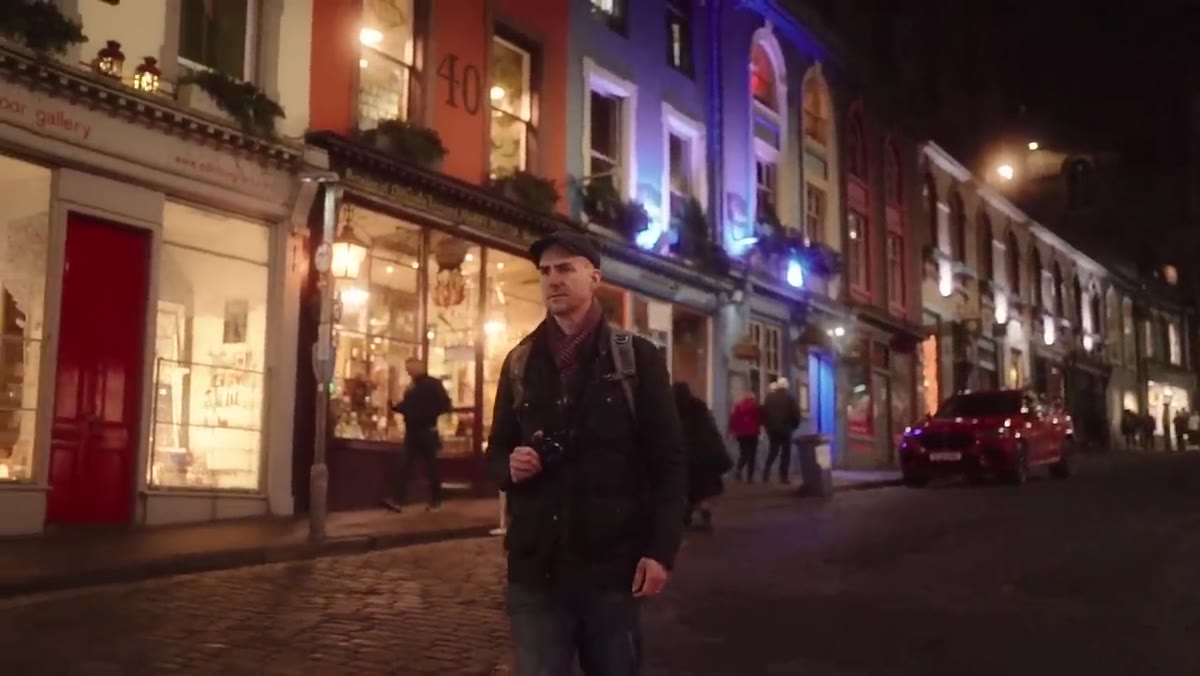 Pete explaining how his job and family lead him to shoot at night frequently
This is the part that resonated most with me when I watched the interview. Pete is a full-time doctor and a father. His photography doesn’t happen instead of those things. It happens in the margins: early mornings, lunch breaks, and frequently at night, after family time winds down. Shooting at night, he points out, gives the city a completely different character and feel.
Pete explaining how his job and family lead him to shoot at night frequently
This is the part that resonated most with me when I watched the interview. Pete is a full-time doctor and a father. His photography doesn’t happen instead of those things. It happens in the margins: early mornings, lunch breaks, and frequently at night, after family time winds down. Shooting at night, he points out, gives the city a completely different character and feel.
Don’t wait for a free Saturday that never comes. I started my Sunday morning photo walks at 7am specifically because no one needs me at 7am on a Sunday. Pete goes out at night for the same reason. Look at your actual week, not the idealized version of it, and find the two or three windows where 45 minutes is genuinely available. Then protect those windows like appointments.
Step 5: Treat Photography as Pressure Relief, Not Another Task
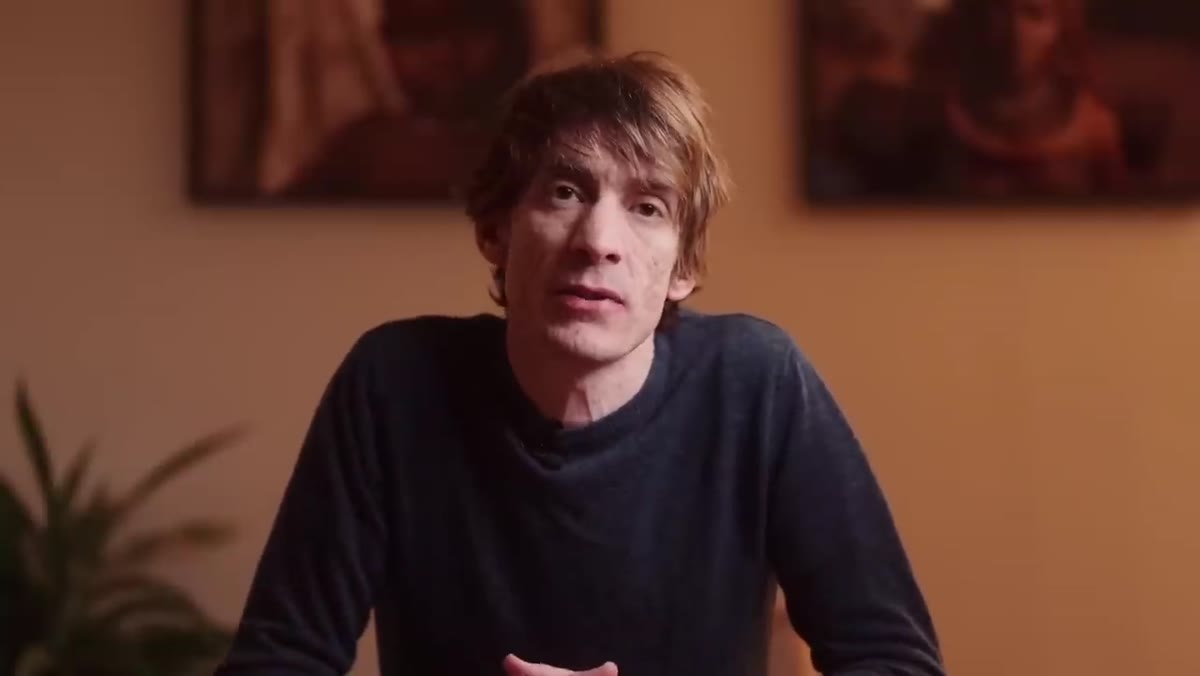 Sean describing how Pete uses photography as a mental health outlet alongside a demanding career
Sean frames this clearly in his introduction, and Pete reinforces it throughout: the photography is not just a creative project. It’s a valve. For someone working in medicine with the weight that carries, having an activity that requires complete present-moment attention, looking, waiting, moving through a city, is a form of decompression that nothing else quite replicates.
Sean describing how Pete uses photography as a mental health outlet alongside a demanding career
Sean frames this clearly in his introduction, and Pete reinforces it throughout: the photography is not just a creative project. It’s a valve. For someone working in medicine with the weight that carries, having an activity that requires complete present-moment attention, looking, waiting, moving through a city, is a form of decompression that nothing else quite replicates.
This is worth naming explicitly in how you talk to yourself about your practice. It isn’t a luxury you get to if you finish everything else. It’s maintenance. I have a folder on my phone of playlists I’ve made for different moods and shooting environments. Putting one on is the signal to my brain that this time is different, that I’m switching modes. Find whatever ritual works for you and use it consistently.
My Own Extension: Start a “City Document” Project
Pete’s project gave me a new lens for my own Sunday walks. I’d been shooting for variety, always hunting for the interesting image, but watching Pete’s work made me want to try something more deliberate. I started shooting my own Seattle neighborhood as if I were the only person assigned to document it for the next decade.
The difference in my mindset was immediate. Instead of looking for the perfect shot, I started looking for the honest one. The corner store that’s been there 30 years. The light at 7am on the bridge I cross every week. This approach also makes bad shooting days feel less like failures. You’re building an archive, not a portfolio. Some frames are just records, and records have value too.
The single most important lesson from this tutorial is that consistency and place beat gear and travel every time. A committed photographer with a compact city and a recurring schedule will always outperform someone waiting for the perfect trip. Pete Wands is building a document that will outlast all of us, one rainy Edinburgh evening at a time.
Watch the full tutorial on YouTube to see Pete’s images at the end of the video. Sean saves them for last on purpose, and once you’ve heard the story behind them, that choice makes complete sense.
Comments (2)
This should be required reading for anyone starting out.
Simple but effective. Sometimes that's all you need.
Leave a Comment