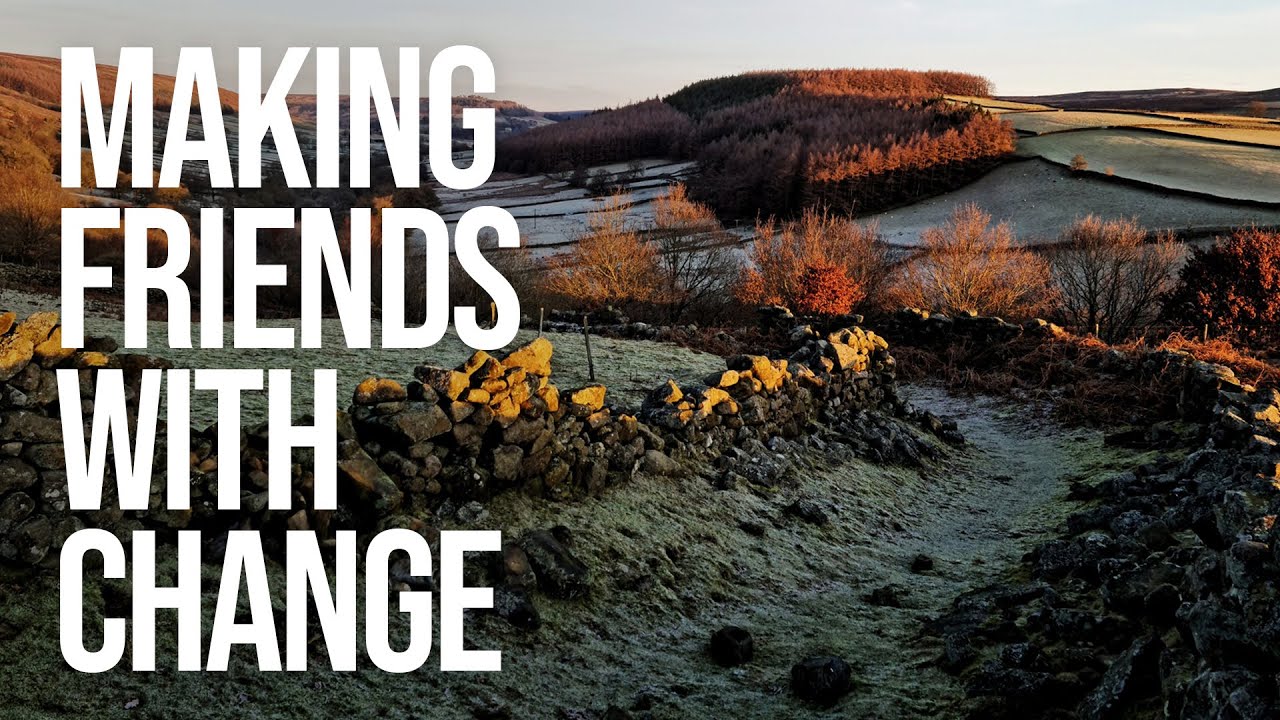
There’s a version of me from a few years ago who had Seattle completely figured out, photographically speaking. I knew which corners of Pike Place caught the best morning light, which rainy-day reflections looked best on Broadway, and exactly what time the ferries created that perfect silhouette against the sound. It felt like mastery. Looking back, it was actually a trap.
I stumbled onto this exact idea while watching a recent tutorial from Sean Tucker, a photographer whose thoughtful, reflective approach to the craft I genuinely admire. In Watch the full tutorial on YouTube, he talks about relocating from London to North Yorkshire and the surprising fear that question triggered in other photographers: “Won’t your work suffer if your surroundings change?” What followed was one of the more honest and useful discussions about creative stagnation I’ve seen from a working professional. It reframed something I thought was a comfort into something closer to a warning sign.
The tutorial isn’t about gear, settings, or editing. It’s about the mental architecture that either limits or expands your work over time. If you’ve ever felt like you were “only good” at one type of photography, or that traveling somewhere new made your images feel flat, this one is worth your full attention. Here’s how to actually apply what Sean lays out.
Step 1: Honestly Diagnose Your Creative Comfort Zone
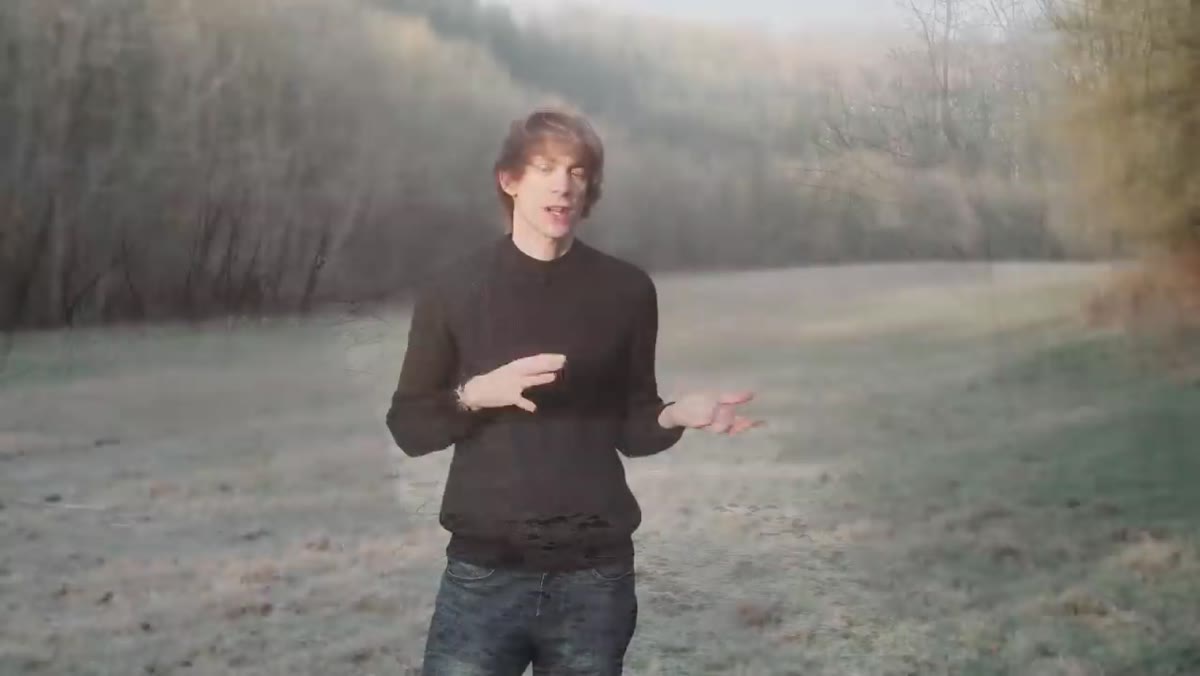 Tucker walking through familiar London streets with camera
Before you can fix a problem, you have to name it clearly. Ask yourself: could you go somewhere completely unfamiliar tomorrow and still come home with images you’re proud of? If the honest answer is no, or “probably not,” that’s not a personality flaw. It’s a skill gap worth filling.
Tucker walking through familiar London streets with camera
Before you can fix a problem, you have to name it clearly. Ask yourself: could you go somewhere completely unfamiliar tomorrow and still come home with images you’re proud of? If the honest answer is no, or “probably not,” that’s not a personality flaw. It’s a skill gap worth filling.
Sean’s point here is sharp. Many photographers mistake deep familiarity with a location for photographic skill. You know the light at 7am on that one street. You know the café that gets the window-seat glow. But that knowledge is location-specific, not portable. Real skill is what travels with you.
Step 2: Reframe Change as a Curriculum, Not a Setback
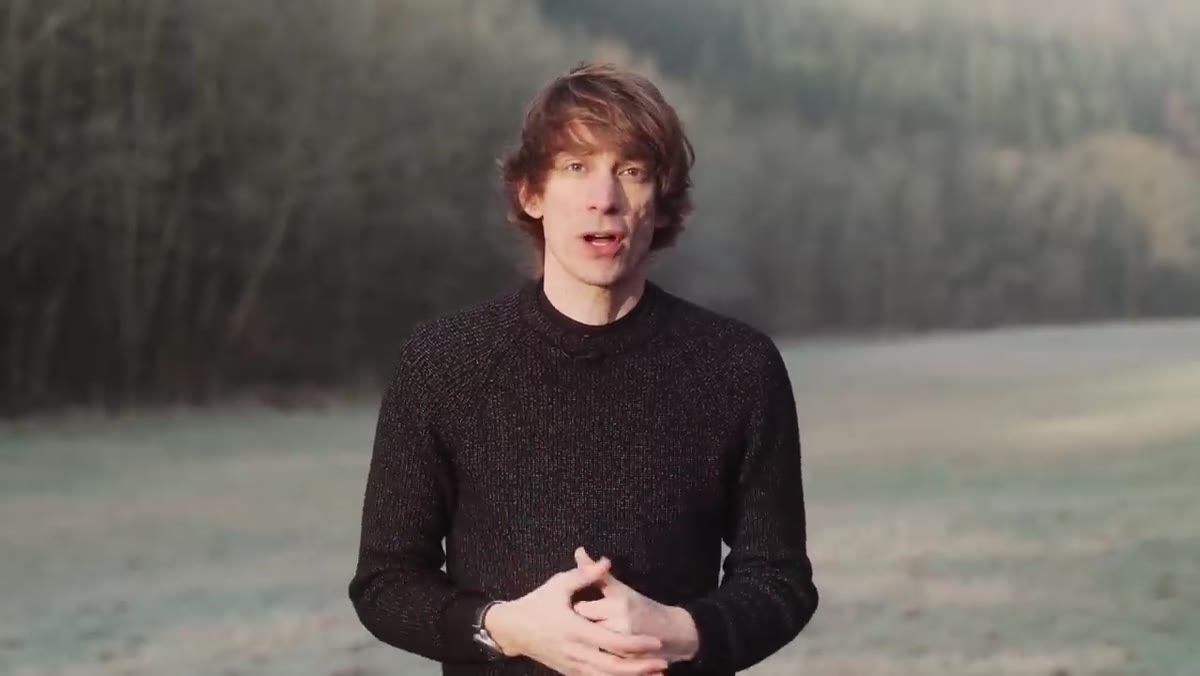 Tucker speaking to camera about context and creative growth
When life shifts, whether that’s a move, a new job, a trip, or even just a new neighborhood, most photographers treat the disruption as something to survive. Sean suggests flipping that entirely. Every change in your environment is an unpaid masterclass in seeing differently.
Tucker speaking to camera about context and creative growth
When life shifts, whether that’s a move, a new job, a trip, or even just a new neighborhood, most photographers treat the disruption as something to survive. Sean suggests flipping that entirely. Every change in your environment is an unpaid masterclass in seeing differently.
The practical move here is to treat the unfamiliar place like an assignment, not an obstacle. Give yourself a simple brief: spend one hour in this new location and find five images you couldn’t have taken at home. Not five great images. Just five that couldn’t exist in your usual context. That constraint forces your eye to recalibrate.
Step 3: Audit Your Photographic Toolbox
 Tucker describing his London architectural photography style
Sean uses a toolbox metaphor that I think is one of the most useful frameworks for photographers at any level. If you open your creative toolbox right now, what’s in it? One really good screwdriver? Or a full set of tools that let you work on whatever project lands in front of you?
Tucker describing his London architectural photography style
Sean uses a toolbox metaphor that I think is one of the most useful frameworks for photographers at any level. If you open your creative toolbox right now, what’s in it? One really good screwdriver? Or a full set of tools that let you work on whatever project lands in front of you?
Spend twenty minutes listing the styles and subjects you shoot confidently. Architecture, portraits, street, landscape, macro, documentary. Now list the ones you’ve never seriously tried or consistently avoided. That second list is your syllabus for the next six months. You don’t have to master everything, but knowing your gaps means you can close them deliberately rather than discovering them at the worst possible moment.
Step 4: Learn to See Before You Learn to Shoot
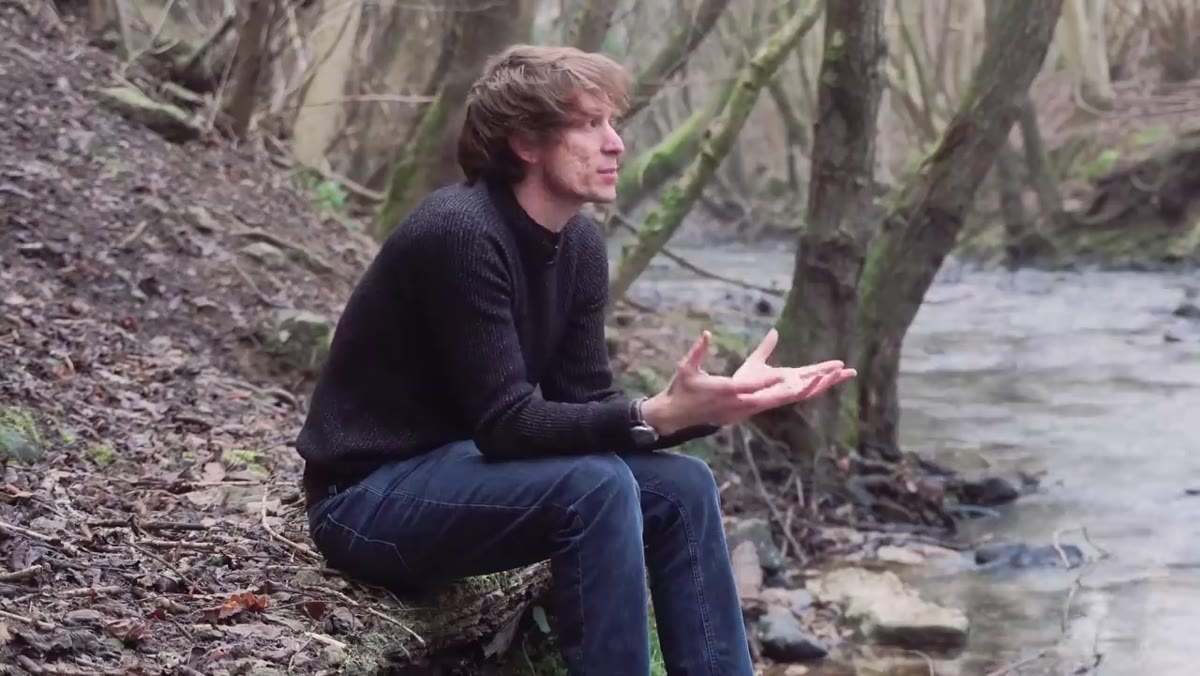 Tucker exploring North Yorkshire countryside with camera in hand
Sean makes a distinction that a lot of tutorials skip over entirely: learning a new photography style starts with learning to see differently, not with learning new camera settings. The technical side follows once your eye knows what it’s looking for.
Tucker exploring North Yorkshire countryside with camera in hand
Sean makes a distinction that a lot of tutorials skip over entirely: learning a new photography style starts with learning to see differently, not with learning new camera settings. The technical side follows once your eye knows what it’s looking for.
When you’re in an unfamiliar environment, leave the camera in the bag for the first twenty minutes. Just walk. Notice shapes, contrasts, patterns, moments. Ask yourself what this place is actually about, not what it looks like on Instagram. When you finally raise the camera, you’ll be responding to something real instead of just hoping something interesting appears in the frame.
Step 5: Embrace the “Suck” Phase as Non-Negotiable
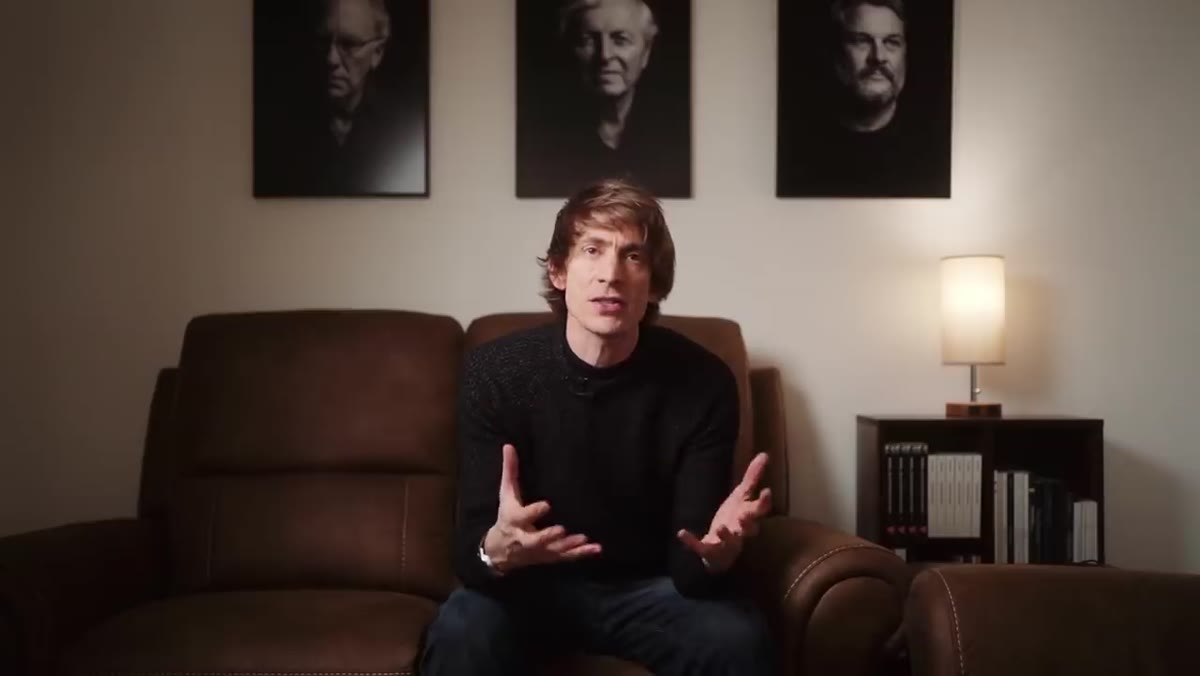 Tucker explaining the process of starting something new
This step is where most people quietly give up without admitting it to themselves. Sean cites a concept from a friend called “embracing the suck,” which is simply accepting that when you try anything new, you will produce bad work before you produce good work. That’s not a sign you’re doing it wrong. It’s the process.
Tucker explaining the process of starting something new
This step is where most people quietly give up without admitting it to themselves. Sean cites a concept from a friend called “embracing the suck,” which is simply accepting that when you try anything new, you will produce bad work before you produce good work. That’s not a sign you’re doing it wrong. It’s the process.
The mistake is expecting your early attempts at a new style to match the quality of your established work. They won’t. What you can do is set a separate quality bar for new work. Judge your landscape shots against other early landscape shots, not against your best street photography. Keep shooting through the awkward phase. The good work is on the other side of a stack of mediocre attempts, and there’s no shortcut through that stack.
Step 6: Keep Exploring Until the Place Speaks Back
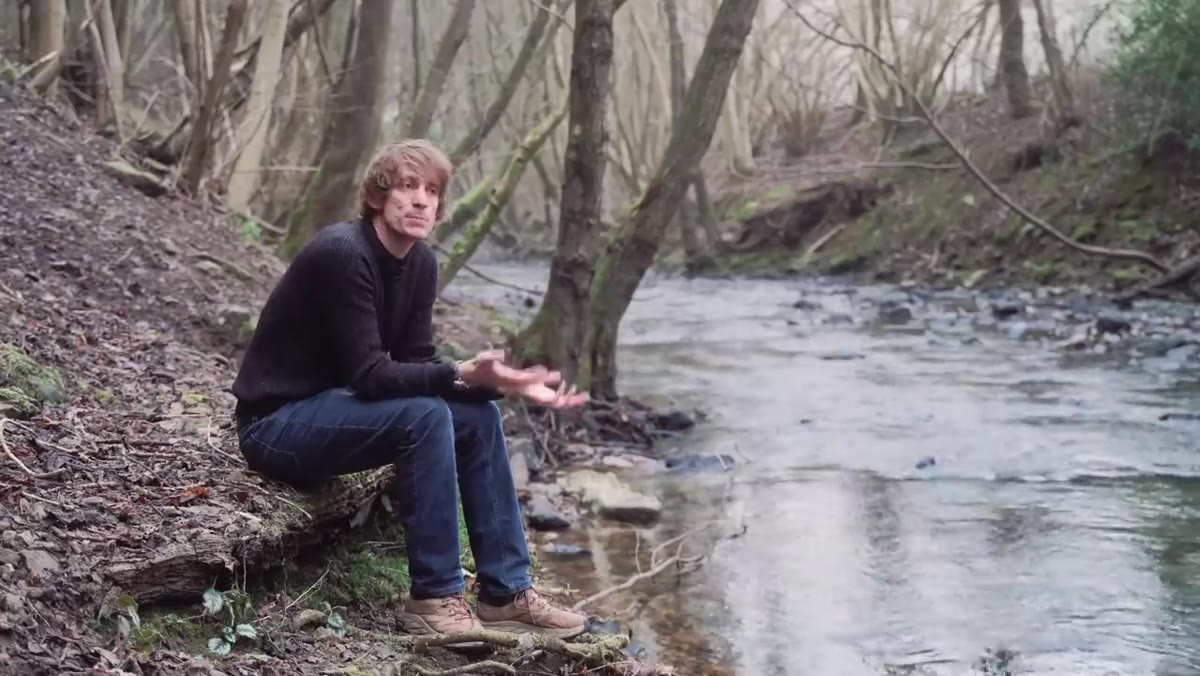 Tucker driving through North Yorkshire, scouting locations
Sean’s practical method for settling into a new photographic environment is straightforward but requires patience: drive around, walk around, look at things without the pressure of producing a finished image. Treat scouting as its own creative act.
Tucker driving through North Yorkshire, scouting locations
Sean’s practical method for settling into a new photographic environment is straightforward but requires patience: drive around, walk around, look at things without the pressure of producing a finished image. Treat scouting as its own creative act.
When I moved to a new part of Seattle a few years ago, I gave myself one Sunday per month just to wander with no output goal. No posting, no client work, no pressure. After about three months, I started to see the neighborhood the way I’d seen my old one. Patterns emerged. The light started to make sense. That transition doesn’t happen on your first visit, or your second. But it does happen if you keep showing up.
My Own Extension: Schedule the Discomfort
I’ve found that the fastest way to build a broader skill set isn’t waiting for life to force a change. It’s engineering small ones deliberately. My Sunday morning photo walks have a rotating constraint: one week I shoot only in portrait orientation, another week I leave the wide-angle lens at home, another week I shoot a subject I’ve always avoided. Intentional friction keeps the creative muscles honest.
If you’re waiting for a big life change to push you out of your photographic comfort zone, you’ll be waiting a long time, and the change might hit harder than it needs to. Build the habit of stepping outside your usual context on a small scale, regularly, and the bigger shifts become much less threatening when they eventually arrive.
The single most important idea in Sean’s tutorial is this: your skill set should be bigger than your location. If your best work is inseparable from one city, one neighborhood, or one set of familiar conditions, that’s a signal worth acting on now rather than later.
Watch the full tutorial on YouTube to hear Sean work through this in his own words. His perspective as someone who has genuinely uprooted his creative life makes the advice land differently than it would coming from a purely theoretical angle.
Comments
Leave a Comment