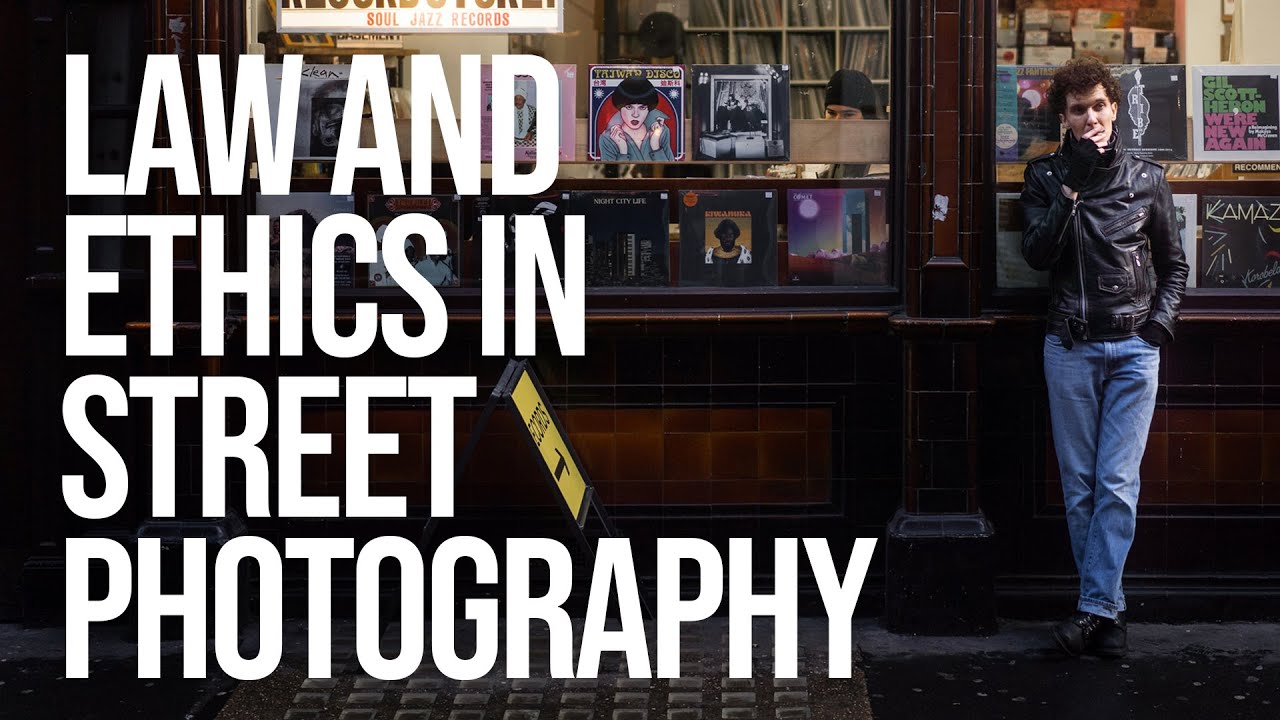
Every time I post a street photo on Instagram where someone’s face is clearly visible, I brace myself. Not because I’ve done anything wrong, but because the comments section turns into a courtroom. “Did you get their permission?” “Isn’t this illegal?” “What about GDPR?” I used to fumble through responses, half-confident in my answers. I knew enough to keep shooting, but not enough to explain myself clearly. That changed when I sat down with this Sean Tucker tutorial on law and ethics in street photography.
Watch the full tutorial on YouTube
What makes this video worth your time is that Sean didn’t just share his personal take. He brought in Nick Dunmer, the business and legal adviser for the Association of Photographers (AOP) in the UK, a professional organization that has been supporting photographers since 1968. Nick is not a lawyer, and he says so upfront, but he works closely with intellectual property lawyers and spends his days helping photographers navigate exactly these questions. The result is one of the clearest, most grounded conversations about street photography legality I’ve come across, and I’ve been circling this topic for years.
Step 1: Understand the Core Legal Principle for Public Spaces
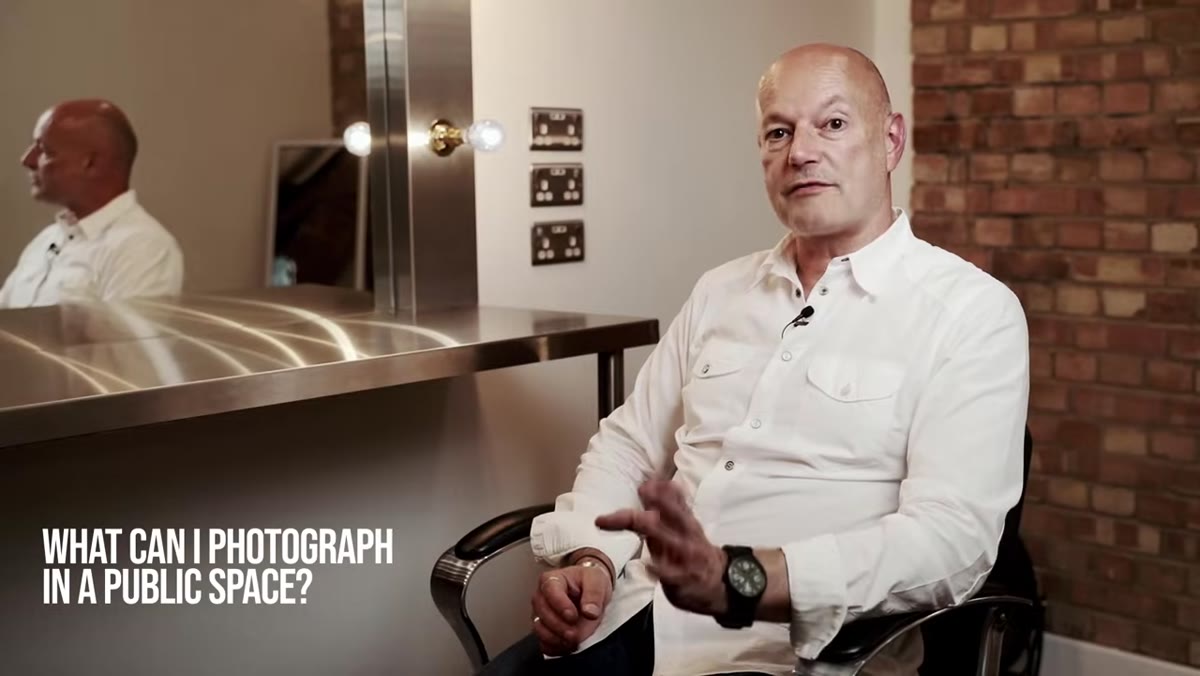 Nick explaining the public place rule to camera
The foundation of street photography law in the UK comes down to one principle: if you are standing in a public place, you can photograph anything and anyone. There is no law that prohibits you from taking the shot. This surprises a lot of people who assume that pointing a camera at a stranger without asking is automatically illegal. It is not. The legal question is not about whether you take the photo. It is about what you do with it afterward.
Nick explaining the public place rule to camera
The foundation of street photography law in the UK comes down to one principle: if you are standing in a public place, you can photograph anything and anyone. There is no law that prohibits you from taking the shot. This surprises a lot of people who assume that pointing a camera at a stranger without asking is automatically illegal. It is not. The legal question is not about whether you take the photo. It is about what you do with it afterward.
This distinction matters enormously for how you approach your work. Taking the photograph is almost never the legal problem. The decisions you make in post, in publishing, and in monetizing are where things get complicated.
Step 2: Don’t Assume a Busy Walkway Is Public Property
 Nick describing the South Bank Thames walkway example
Here is the part that genuinely surprised me. Nick uses a specific example to illustrate how tricky the definition of “public place” can get. Along the South Bank of the Thames near Tower Bridge, there is a wide, bustling riverside walkway. It looks completely public. People jog, tourists mill around, restaurants spill out onto it. But much of that walkway is actually private property, belonging to the businesses that back onto it.
Nick describing the South Bank Thames walkway example
Here is the part that genuinely surprised me. Nick uses a specific example to illustrate how tricky the definition of “public place” can get. Along the South Bank of the Thames near Tower Bridge, there is a wide, bustling riverside walkway. It looks completely public. People jog, tourists mill around, restaurants spill out onto it. But much of that walkway is actually private property, belonging to the businesses that back onto it.
This matters because if you are shooting on what turns out to be private land, the rules change. A property owner can legally ask you to stop shooting or to leave. Before you set up for a shoot in any location that feels public but might be managed or owned privately, such as a shopping centre, a market, or even some parks, it is worth doing a quick check. When in doubt, ask someone who works there before you start shooting.
Step 3: Know That the Law Differs Significantly by Country
 Sean Tucker introducing Germany and US legal context
Nick’s expertise is rooted in UK law, but Sean specifically asked about Germany and the United States because those are the communities where he sees the most anxiety and confusion in his comments. This is important: street photography law is not universal. What is standard practice in London may be genuinely restricted in another jurisdiction.
Sean Tucker introducing Germany and US legal context
Nick’s expertise is rooted in UK law, but Sean specifically asked about Germany and the United States because those are the communities where he sees the most anxiety and confusion in his comments. This is important: street photography law is not universal. What is standard practice in London may be genuinely restricted in another jurisdiction.
Germany, for instance, has historically had stricter image rights laws than the UK. The US has its own patchwork of state-level privacy laws alongside First Amendment protections that can actually give photographers more freedom in some contexts than photographers in the UK. If you are shooting outside the UK, use this video as a framework for the kinds of questions you need to ask, then follow up with local resources or a legal professional who knows your region.
Step 4: Separate the Act of Shooting from the Act of Publishing
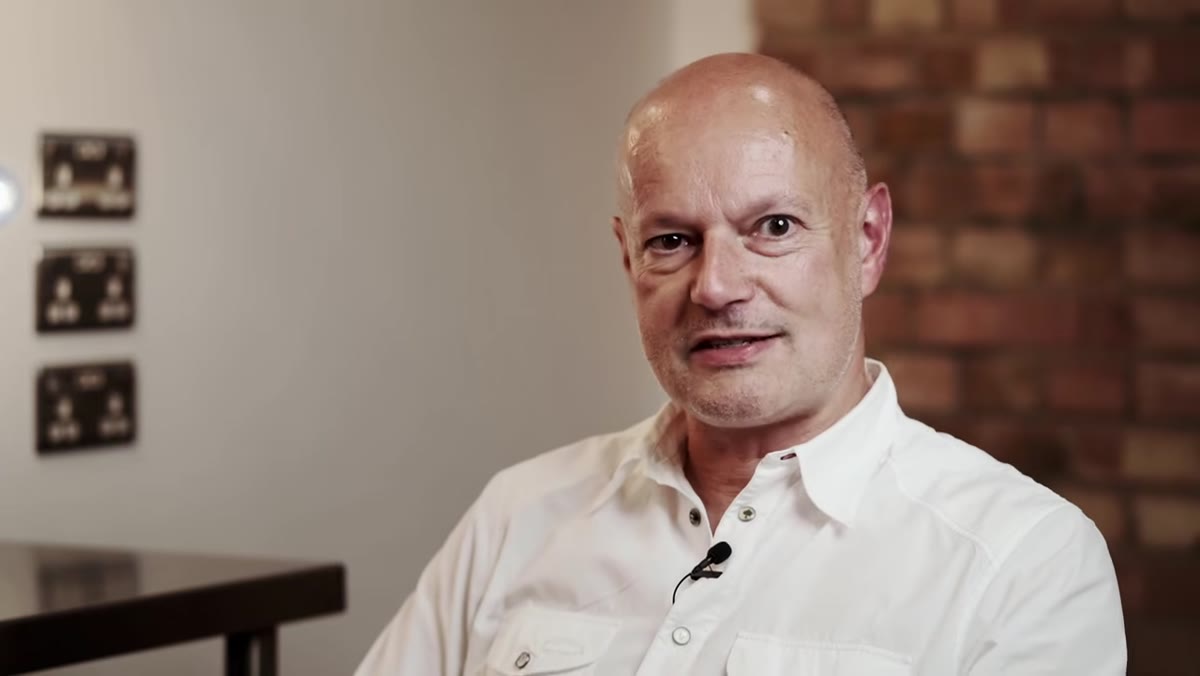 Nick explaining “it’s what you do with the pictures” principle
This is the step that resolves most of the confusion I see online. There are two completely separate legal moments in street photography: taking the image, and using it. Sharing a photo of a recognizable stranger on your Instagram counts as publishing. Using that photo in an advertisement counts as commercial use. These carry different legal weights, and conflating them is where photographers get themselves into trouble.
Nick explaining “it’s what you do with the pictures” principle
This is the step that resolves most of the confusion I see online. There are two completely separate legal moments in street photography: taking the image, and using it. Sharing a photo of a recognizable stranger on your Instagram counts as publishing. Using that photo in an advertisement counts as commercial use. These carry different legal weights, and conflating them is where photographers get themselves into trouble.
For editorial and artistic use, sharing candid street images is generally on solid legal ground in the UK. The stickier territory is commercial use. If a brand wants to license your street photo featuring a recognizable individual to sell a product, that is a different conversation entirely and is where model releases become genuinely important. Posting your Sunday morning photo walk results to your personal feed is not the same legal act as submitting that image to a commercial campaign.
Step 5: Ask the Right Questions About GDPR
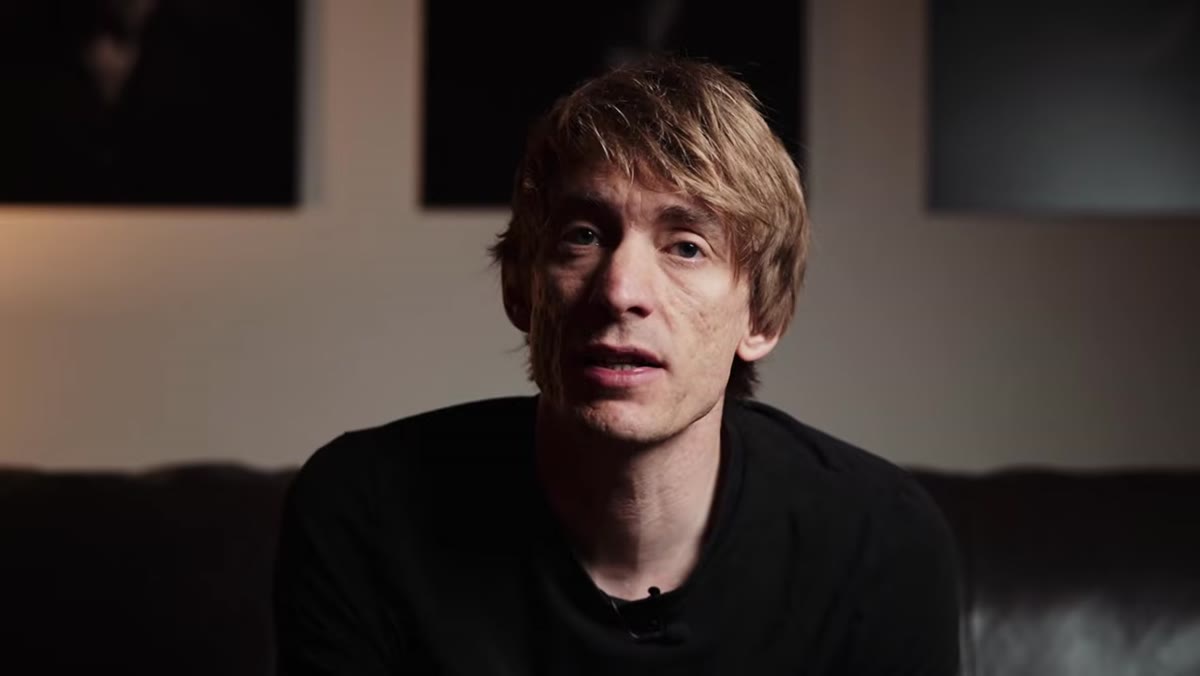 Sean Tucker listing GDPR as a common viewer question
GDPR gets brought up constantly in street photography discussions, and it creates a lot of unnecessary anxiety. The key thing to understand is that GDPR is primarily concerned with the storage and processing of personal data in a business context. For individual photographers sharing artistic or editorial work, it is not the sweeping prohibition on candid photography that people often assume it is.
Sean Tucker listing GDPR as a common viewer question
GDPR gets brought up constantly in street photography discussions, and it creates a lot of unnecessary anxiety. The key thing to understand is that GDPR is primarily concerned with the storage and processing of personal data in a business context. For individual photographers sharing artistic or editorial work, it is not the sweeping prohibition on candid photography that people often assume it is.
That said, if you are running a photography business, storing client information digitally, or building a database of images that could be tied to identifiable individuals, it is worth understanding how GDPR applies to your specific workflow. A quick consultation with a legal adviser or your regional photographer’s association can clarify this for your situation far more accurately than comment section speculation can.
What I’ve Learned Shooting Streets in Seattle
Seattle’s Pike Place Market is a good local example of the public-versus-private confusion Nick describes. The main market area feels completely open, but parts of it are managed by the Market PDA, and there are real restrictions on commercial shooting without a permit. I have shown up with a camera on a Sunday morning photo walk, felt completely comfortable shooting, and later realized I was technically in a zone that required a permit for professional use.
My advice: carry a business card for your photography work if you present yourself as a professional, and know the difference between shooting for personal creative projects versus shooting with commercial intent. That distinction protects you legally and keeps you honest with the people and places you photograph.
The single most important thing I took from this tutorial is the separation between the legality of taking a photograph and the legality of using it. Most photographers are conflating two different legal questions, and that confusion leads to either unnecessary self-censorship or genuine legal exposure. Get clear on that line and you will be a more confident and more responsible street photographer.
Watch the full tutorial on YouTube and bookmark it for the next time someone questions you in the comments. You will have actual answers.
Comments
Leave a Comment