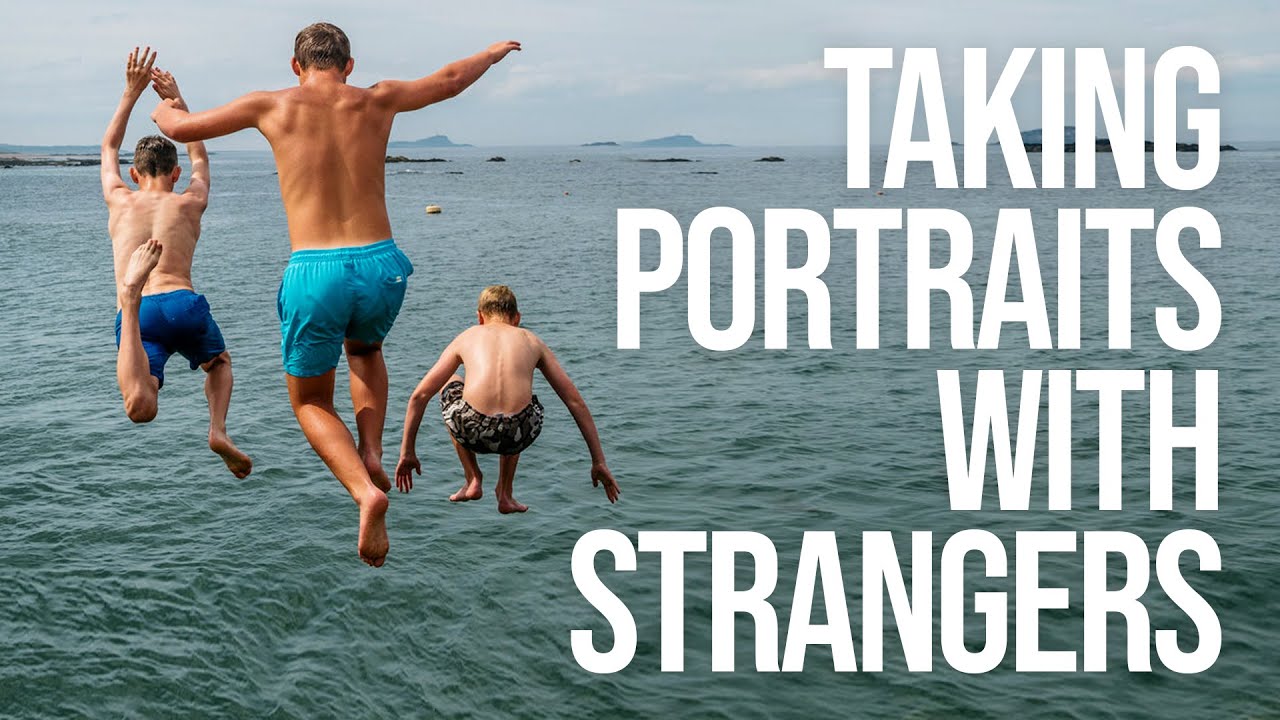
Every Sunday morning I do a photo walk through my neighborhood in Seattle. I’ve been doing it for years. And for years I would come home with beautiful shots of storefronts, fog rolling off the water, the occasional dog trotting past. Almost never a person. Not a real portrait, anyway. Nothing where I looked someone in the eye and asked if I could photograph them. The opportunity was always there. The nerve, less so.
That specific fear is exactly what Sean Tucker’s tutorial addresses in Watch the full tutorial on YouTube - a candid conversation with documentary and portrait photographer Gabrielle Motola, who has built her entire practice around walking up to complete strangers and photographing them. Tucker frames this as a personal challenge, not just a lesson, which makes the whole thing land differently than a standard how-to. He separates his portrait work from his street work and recognizes that the wall between them is made entirely of fear. That honesty makes this one of the more useful videos I’ve watched on the subject, because it doesn’t skip over the part that’s actually hard.
Motola’s approach is built on years of travel photography, from Iceland to the Scottish Hebrides, documenting people and their daily lives in places she has no prior connection to. What she shares isn’t theory. It’s a working method, and it’s specific enough to actually follow.
Step 1: Understand Why Documentary Portraiture Matters
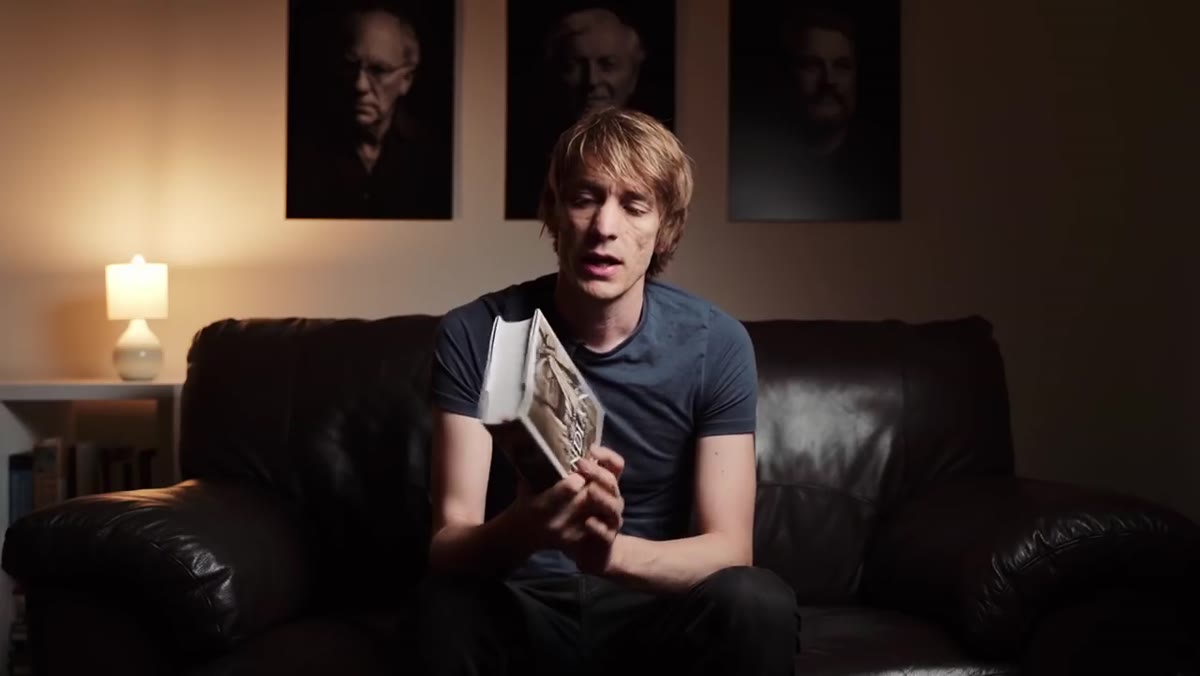 Edward Curtis book pages showing Native American portrait photography
Before you can push yourself to approach strangers, you need a reason that’s bigger than “I want a cool photo.” Tucker opens by talking about Edward S. Curtis, a photographer who spent decades in the late 1800s documenting Native American tribes - their faces, their dress, their way of life. Sitting with those images more than a hundred years later, Tucker describes them as feeling not just beautiful but important. The documentation preserved something that has largely disappeared.
Edward Curtis book pages showing Native American portrait photography
Before you can push yourself to approach strangers, you need a reason that’s bigger than “I want a cool photo.” Tucker opens by talking about Edward S. Curtis, a photographer who spent decades in the late 1800s documenting Native American tribes - their faces, their dress, their way of life. Sitting with those images more than a hundred years later, Tucker describes them as feeling not just beautiful but important. The documentation preserved something that has largely disappeared.
This isn’t sentimental framing. It’s a practical reframe of what portrait photography is for. When you see your work as preservation - as a record of how people lived and looked at a specific moment in time - the stakes of approaching someone shift. You’re not interrupting their day for a vanity project. You’re offering to document them.
Step 2: Recognize That Fear Is the Only Real Barrier
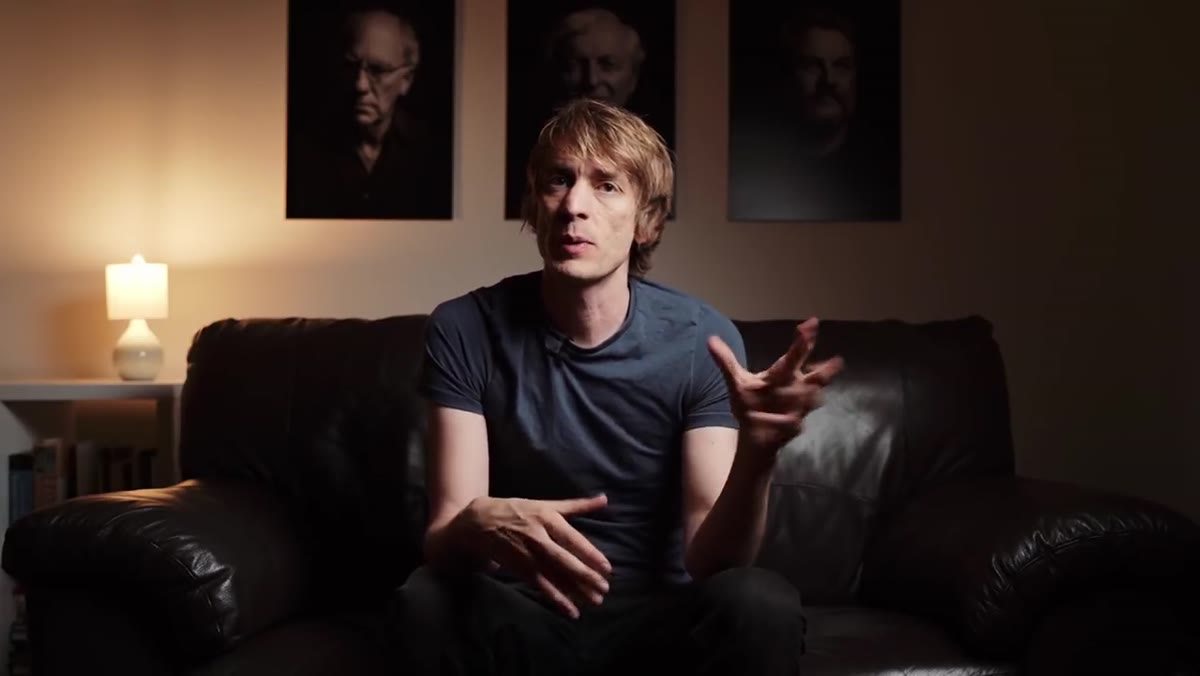 Sean Tucker speaking directly to camera about fear of approaching strangers
Tucker is unusually direct here: he knows exactly what’s holding him back, and it isn’t skill or equipment. It’s the social discomfort of walking up to someone he doesn’t know and making a request. He makes this video, as he puts it, as much for himself as for his audience.
Sean Tucker speaking directly to camera about fear of approaching strangers
Tucker is unusually direct here: he knows exactly what’s holding him back, and it isn’t skill or equipment. It’s the social discomfort of walking up to someone he doesn’t know and making a request. He makes this video, as he puts it, as much for himself as for his audience.
This matters because a lot of street photography advice skips the emotional component entirely and goes straight to camera settings. But if you’re too anxious to lift the camera, the settings are irrelevant. Name the fear out loud, even just to yourself. “I’m nervous someone will say no.” “I don’t know how to start the conversation.” Once you’ve named it, you can start to work around it rather than just hoping it goes away on its own.
Step 3: Build Your Foundation in Film or Heavy Shooting First
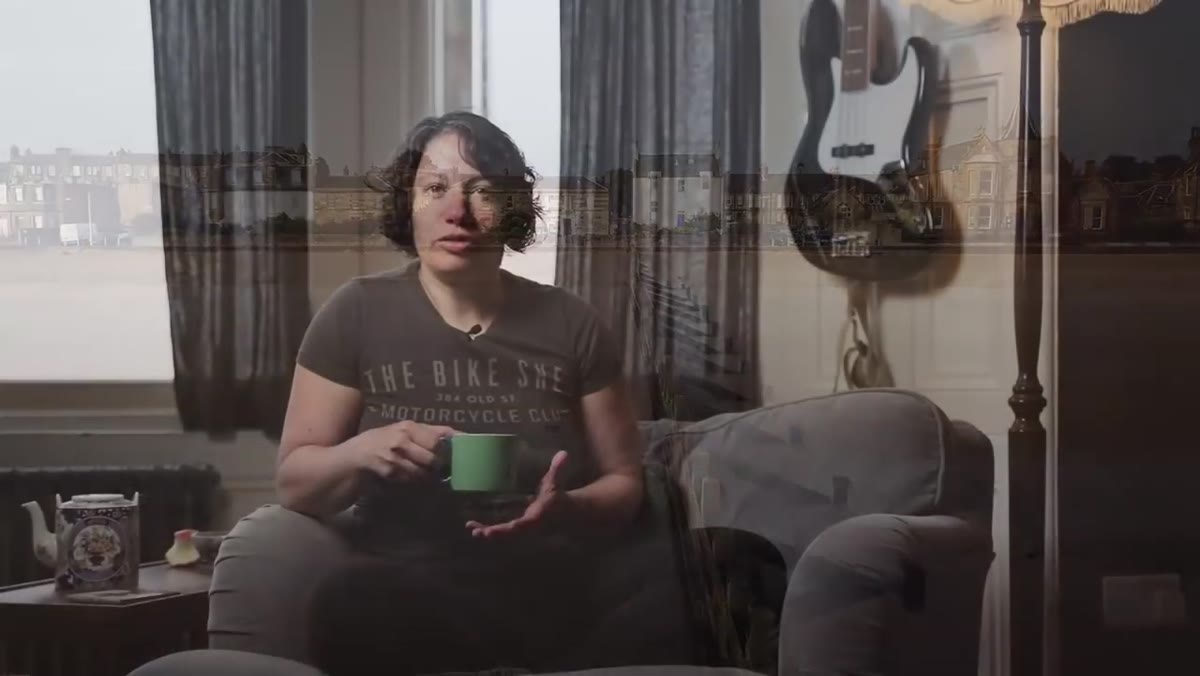 Gabrielle Motola describing her early photography experience at age 18
Motola traces her approach back to learning photography on film as a college student, shooting 20 to 25 rolls in a single summer in France. The volume mattered. Shooting that much forces you to look constantly, to commit to a frame, and to stop being precious about every exposure.
Gabrielle Motola describing her early photography experience at age 18
Motola traces her approach back to learning photography on film as a college student, shooting 20 to 25 rolls in a single summer in France. The volume mattered. Shooting that much forces you to look constantly, to commit to a frame, and to stop being precious about every exposure.
You don’t need film to get this benefit, but you do need to shoot a lot before you start approaching people. Go on solo walks where the only goal is observation - not great shots, just looking. Notice faces, light, moments. The more comfortable you are reading a scene quickly, the less mental load you carry when a real conversation opportunity opens up.
Step 4: Let a Real Project Shape Your Outreach
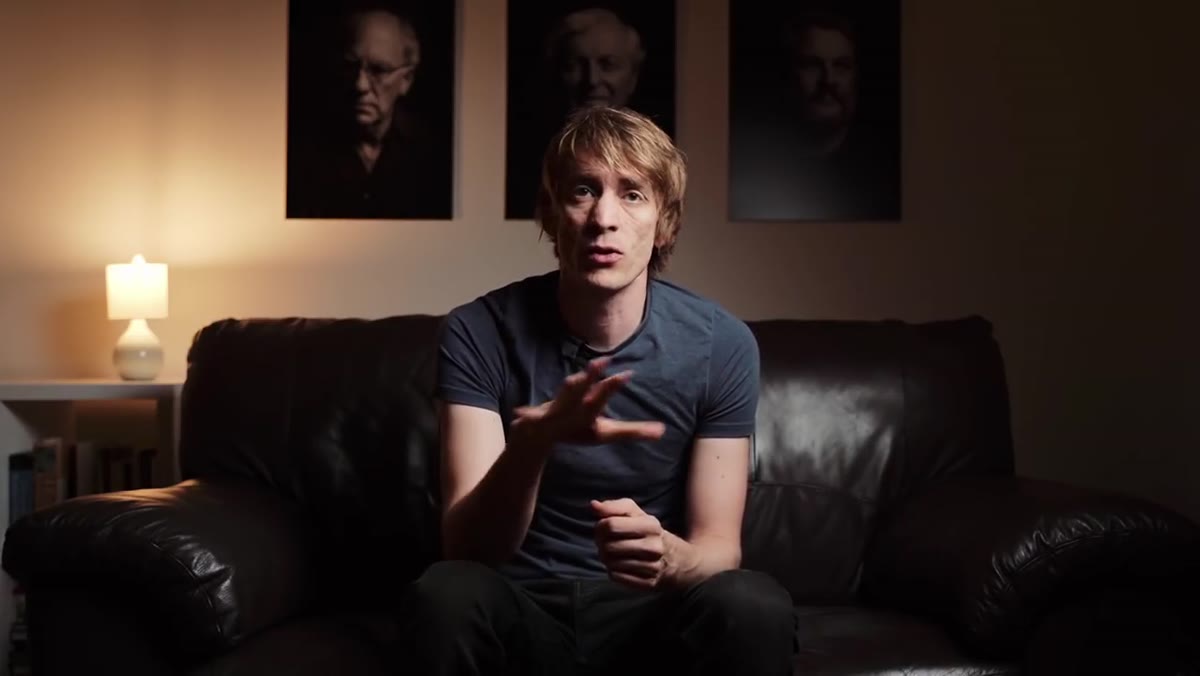 Gabrielle Motola on her two-month trip photographing through the Hebrides and Scotland
Motola doesn’t wander aimlessly hoping for interesting faces. She structures her travel around documentary projects - a motorbike trip from Stonehenge to Arctic Henge in Iceland, a trip through the Scottish Hebrides talking to people about their daily lives. The project gives her a genuine reason to approach people, and that reason comes through in the conversation.
Gabrielle Motola on her two-month trip photographing through the Hebrides and Scotland
Motola doesn’t wander aimlessly hoping for interesting faces. She structures her travel around documentary projects - a motorbike trip from Stonehenge to Arctic Henge in Iceland, a trip through the Scottish Hebrides talking to people about their daily lives. The project gives her a genuine reason to approach people, and that reason comes through in the conversation.
If you’re just starting out, give yourself a small project with a clear scope. Photograph everyone who works on your block. Document the faces at your local weekend market over one month. A defined subject means you can open with something honest: “I’m documenting the vendors at this market - would you be willing to let me take your portrait?” That’s a real ask, not a vague one.
Step 5: Ask Directly and Treat the Conversation as Part of the Work
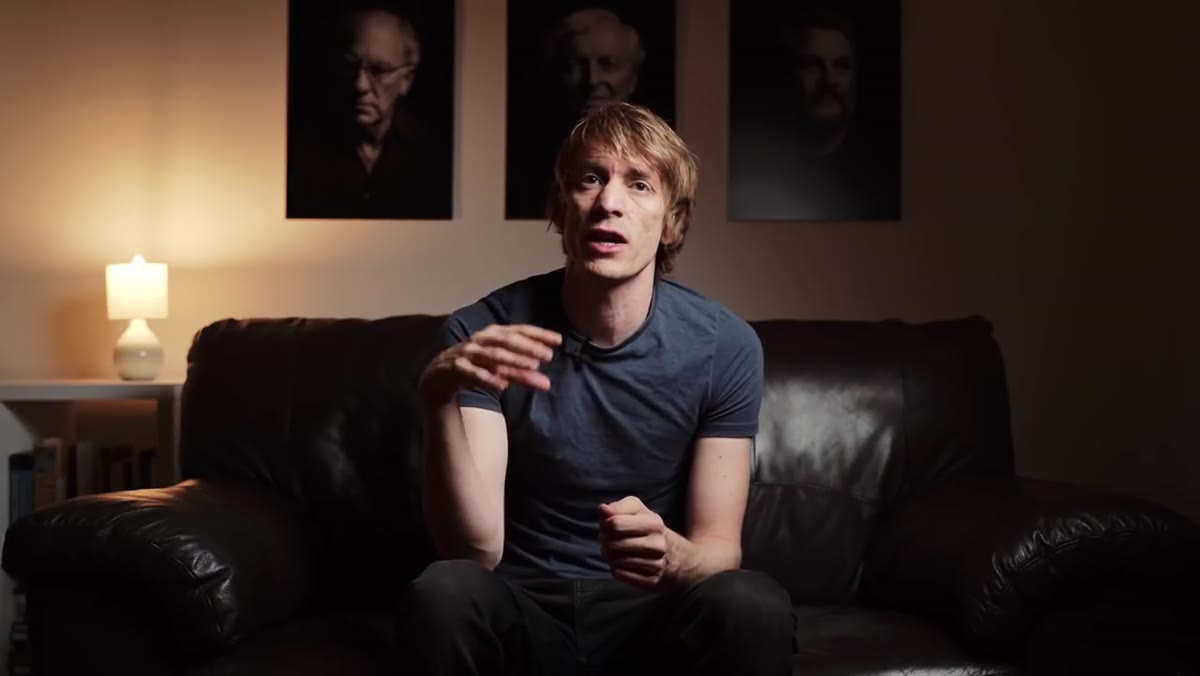 Gabrielle Motola discussing talking to strangers about their daily life experiences
Motola’s practice involves not just photographing people but actually talking with them about their lives. The conversation isn’t the preamble to the photo - it’s part of the documentation. She asks people about their experience of daily life wherever they are. That genuine curiosity shows, and it makes the ask feel like an invitation rather than a transaction.
Gabrielle Motola discussing talking to strangers about their daily life experiences
Motola’s practice involves not just photographing people but actually talking with them about their lives. The conversation isn’t the preamble to the photo - it’s part of the documentation. She asks people about their experience of daily life wherever they are. That genuine curiosity shows, and it makes the ask feel like an invitation rather than a transaction.
In practice: before you raise the camera, introduce yourself briefly and say what you’re working on. Keep it short and honest. Then ask. Most people, when approached with genuine interest and a clear explanation, say yes. The ones who say no are not a failure - they’re just not the right subject for today.
Step 6: Close the Loop and Build Ongoing Permission
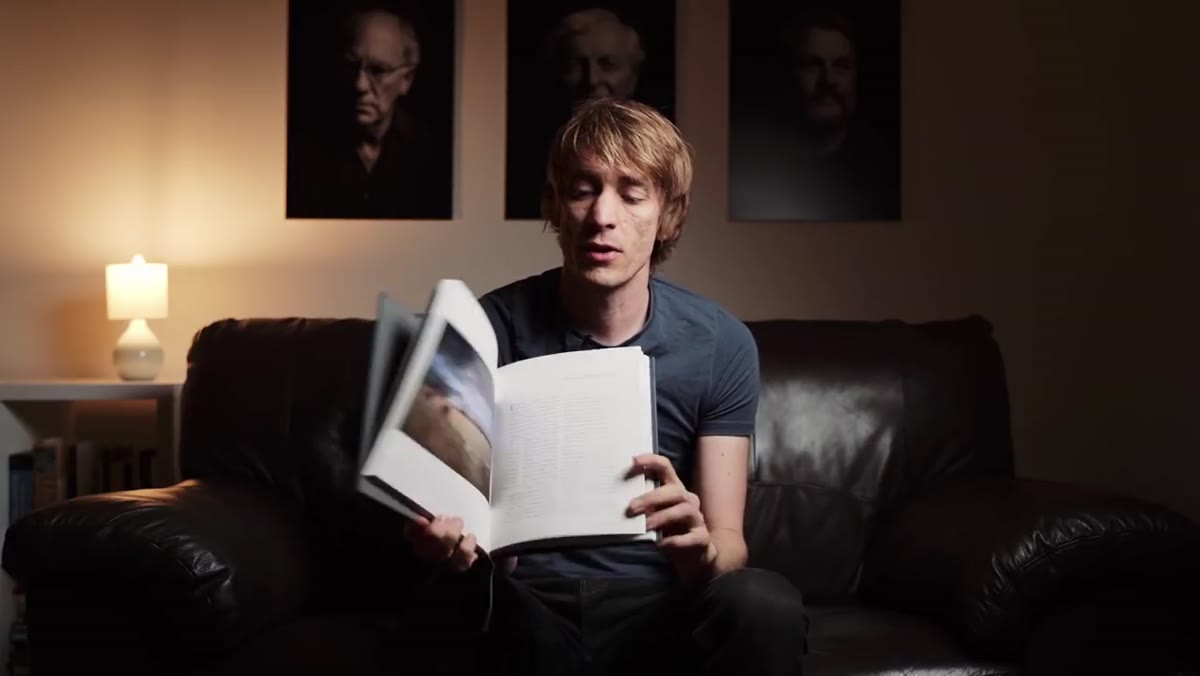 Sean Tucker noting links to Gabrielle Motola’s book and documentary projects
Motola has turned repeated portrait work into published books and ongoing documentary series. That kind of continuity comes from treating each subject with enough respect that the encounter doesn’t feel extractive. If you can share the images afterward, do it. If you’re documenting a community, come back.
Sean Tucker noting links to Gabrielle Motola’s book and documentary projects
Motola has turned repeated portrait work into published books and ongoing documentary series. That kind of continuity comes from treating each subject with enough respect that the encounter doesn’t feel extractive. If you can share the images afterward, do it. If you’re documenting a community, come back.
Even at the beginner level, this matters. Carry a card or have a way to send someone their portrait. It changes the dynamic from “I took something from you” to “I made something with you.” That’s the difference between street photography and documentary portraiture, and it’s what Motola has built her entire practice around.
A Note From My Own Sundays
I’ve started testing this on my weekly walks. The first few times I chickened out and photographed the empty bench instead. But I’ve started treating it like any other skill - something I’m practicing, not something I either have or don’t. I’ve found that opening with a compliment on something specific (a jacket, a dog, a book someone’s reading) before asking makes the transition feel more natural. It’s not a manipulation trick. It’s just how human conversations actually work. You find common ground first.
The best portrait I’ve taken this year was of a man selling handmade candles at the Pike Place Market. I told him I was working on a small project about the vendors there. He talked to me for ten minutes before I took a single shot. The portrait looks like he’s known me for years.
The core takeaway from this tutorial is simple but not easy: the technical gap between you and great portrait photography is probably smaller than you think. The real work is learning to start a conversation with someone you’ve never met, and then being genuinely interested in what they say. Watch the full breakdown from Sean Tucker and Gabrielle Motola here: Watch the full tutorial on YouTube
Comments (1)
Tried this technique this morning. Game changer for real.
Leave a Comment