Landscape vs. Portrait Orientation: The Deciding Factors Working Photographers Actually Use

Landscape vs. Portrait Orientation: The Deciding Factors Working Photographers Actually Use

Every Sunday morning I do a photo walk. No agenda, no client brief, just me and whatever I happen to grab on the way out the door. And for an embarrassingly long time, I noticed I was coming home with roll after roll of horizontal shots. Same orientation, every single time, almost like I’d forgotten the camera could rotate. It wasn’t until I started being intentional about it that I realized how much I was leaving on the table compositionally.

Four Things Standing Between Your Phone and Better Landscape Photos

Four Things Standing Between Your Phone and Better Landscape Photos

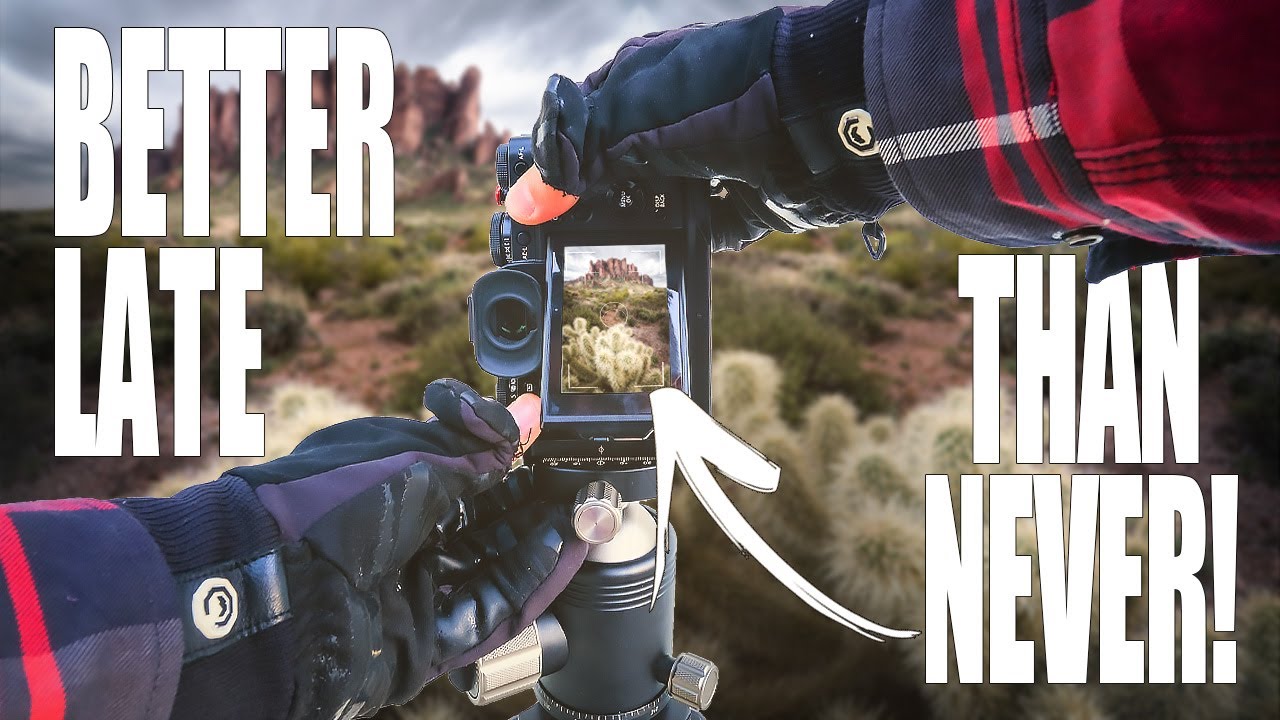
I still shoot on my phone more than most people expect from someone who makes a living with a camera. Sunday morning photo walks, quick grabs when the light does something unexpected, or just to remind myself that gear is rarely the real problem. What’s usually the problem is not having a clear framework for the decisions that happen before you tap the shutter. That’s exactly what makes this tutorial so useful.

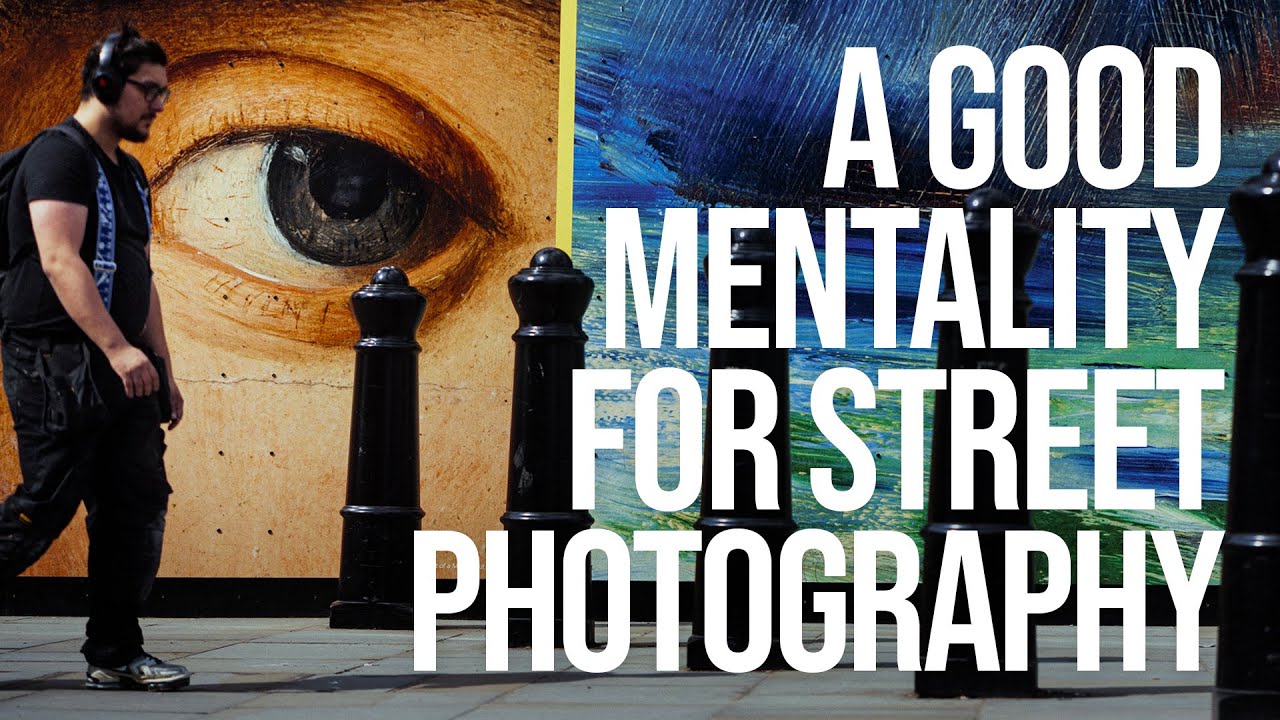
Street Photography Mindset: The Practical Habits That Actually Keep You Shooting

Street Photography Mindset: The Practical Habits That Actually Keep You Shooting

Every Sunday morning I do a photo walk. No agenda, no client, no shot list. Just me, my camera, and whatever Seattle decides to look like that week. It sounds peaceful, and it is now. But for a long time, those walks felt like a grind. I’d come home with a memory card full of mediocre frames and a nagging feeling that I was doing something wrong. The problem wasn’t technical.

Before You Quit Your Day Job: What Going Pro With a Camera Actually Looks Like

Before You Quit Your Day Job: What Going Pro With a Camera Actually Looks Like

Every few weeks someone slides into my DMs with a version of the same question: “I love photography. Should I try to make it my job?” I never give a quick answer, because the honest answer isn’t quick. There’s a version of professional photography that looks like creative freedom and passport stamps. There’s also a version that looks like corporate training videos shot in a beige conference room. Both are real, and if you skip straight to the glamorous version you’re going to hit a wall fast.

Umbrellas, Reflectors, and Why Your Studio Light Is Probably Too Harsh

Umbrellas, Reflectors, and Why Your Studio Light Is Probably Too Harsh

Lighting modifiers confused me for an embarrassingly long time. I understood the gear in theory, but whenever I actually set up a shoot, I’d grab whatever was closest and hope for the best. The results were fine. Not great. The kind of photos where the light technically works but something feels a little clinical, a little flat, a little “stock photo.” It wasn’t until I started deliberately comparing modifiers side by side, same subject, same strobe, just swapping what was in front of the light, that things started clicking.

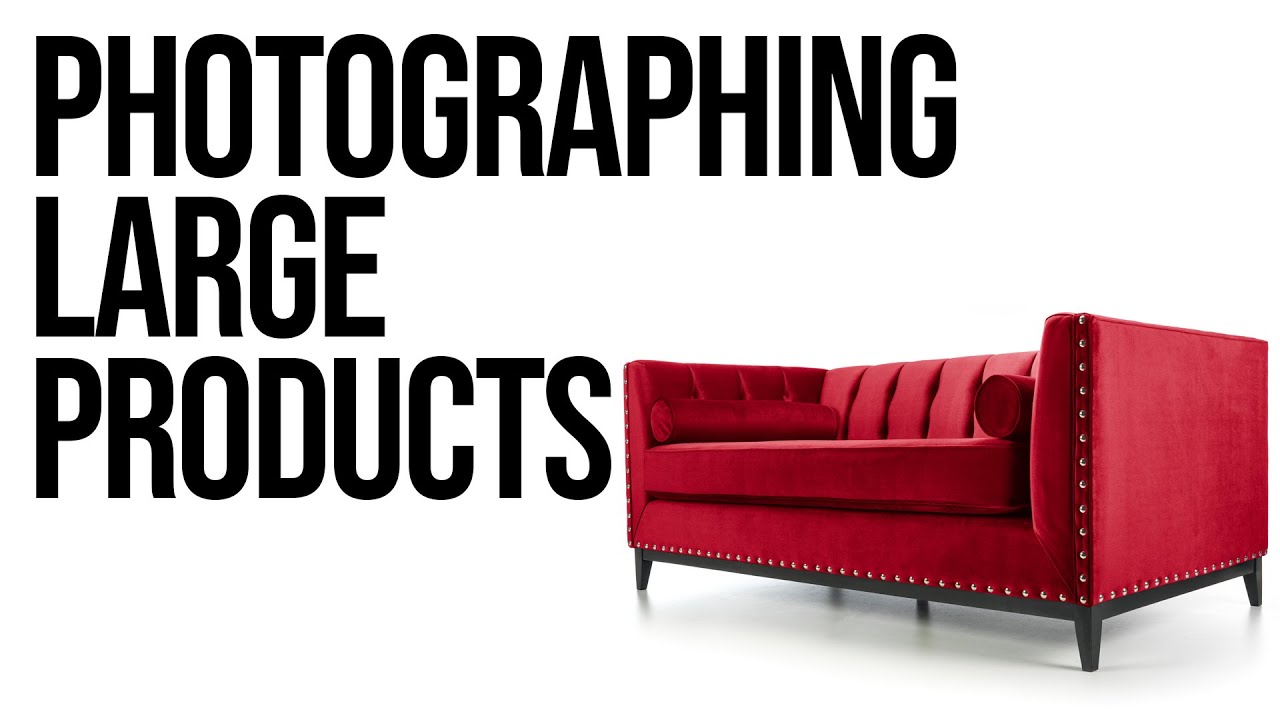
How to Light and Shoot Large Furniture Products (Without a Full Studio Setup)

How to Light and Shoot Large Furniture Products (Without a Full Studio Setup)

Every time someone in one of my workshops asks about product photography, the conversation lands in the same place: tabletop setups, white seamless paper, and a couple of speedlights pointed at a coffee mug. That’s genuinely useful to know. But what happens when the product is a sofa? A dining table? A chair that’s taller than your lighting stand? I ran into this exact wall a few years back when a small furniture brand reached out asking if I could shoot their line for a product catalog.

How to Rescue a Bad Photo (And What It Teaches You About Getting It Right Next Time)

How to Rescue a Bad Photo (And What It Teaches You About Getting It Right Next Time)

Every photographer I know has a folder they hope nobody finds. Mine is called “Drafts” — which is a polite name for “photos I took when I was confident and shouldn’t have been.” A blurry heron from last Sunday’s photo walk. A restaurant dish shot with the wrong white balance. A travel portrait where the focus landed on someone’s ear instead of their eyes. These happen to everyone, including photographers you follow and admire.

Why Your Best Photos Get Ignored (And What That Actually Means for Your Growth)

Why Your Best Photos Get Ignored (And What That Actually Means for Your Growth)

There’s a specific kind of frustration I know a lot of photographers feel but rarely talk about out loud. You spend real time and creative energy on an image. You push yourself somewhere new technically or emotionally. You post it. And it lands with a quiet thud. Then you throw up something quick, a photo you almost didn’t bother editing, and it blows up. Comments, shares, people sliding into your DMs.

How to Audit Your Camera Bag and Choose the One Body That Actually Serves You

How to Audit Your Camera Bag and Choose the One Body That Actually Serves You

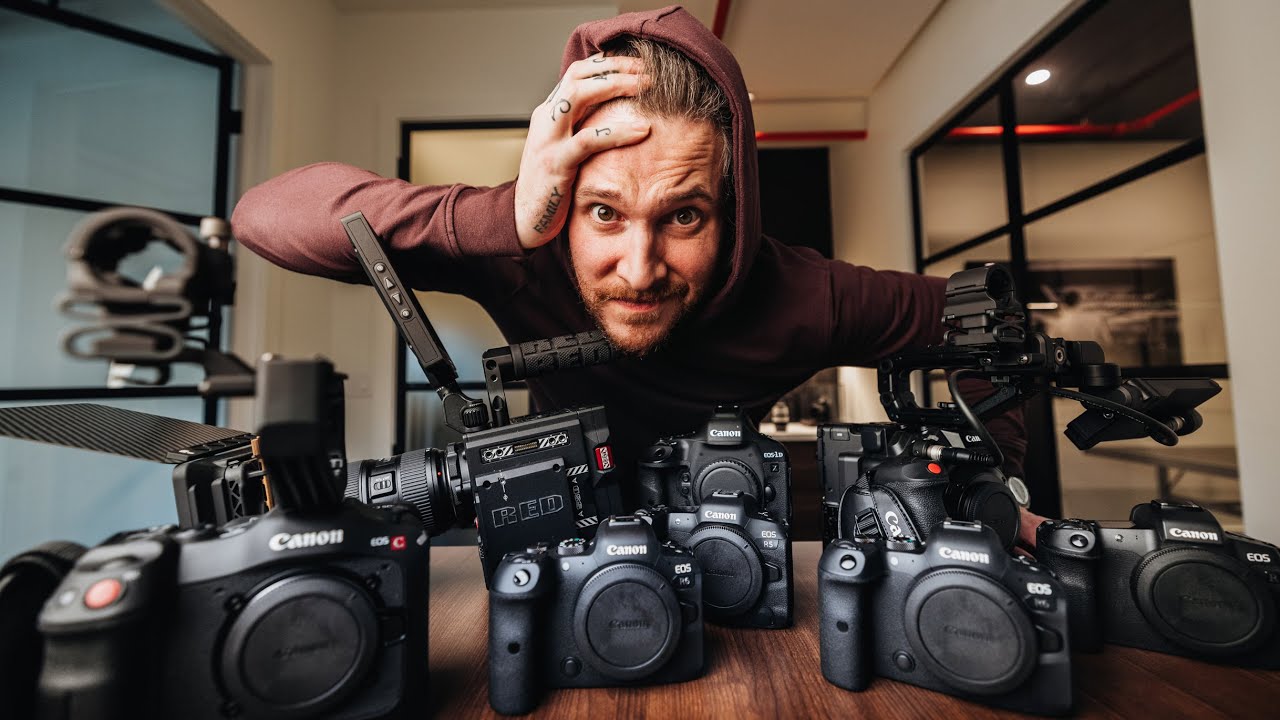
There’s a point most photographers hit where the gear starts owning them instead of the other way around. I know I hit it. I had two mirrorless bodies, a backup DSLR I hadn’t touched in eight months, and a film camera I kept “just in case.” Every time I packed for a Sunday photo walk, I’d spend twenty minutes debating which body to bring and end up annoyed before I’d taken a single shot.

Stop Overcomplicating Your Landscape Shots: Composition Lessons From a Pro Who's Been There

Stop Overcomplicating Your Landscape Shots: Composition Lessons From a Pro Who's Been There

Every Sunday morning I do a photo walk. No agenda, no client brief, just me and whatever light shows up. And for a long time, those walks felt frustrating because my images looked cluttered, busy, like I was trying to say ten things at once. I knew something was off with my compositions but I couldn’t name what. Turns out I was skipping the most fundamental step entirely. That’s exactly what stopped me mid-scroll when I found this tutorial by New Zealand-based landscape photographer and educator William Patino.

7 Photography Lessons I Wish Someone Had Told Me at the Start

7 Photography Lessons I Wish Someone Had Told Me at the Start

There’s a particular kind of frustration that comes from looking back at your early work and realizing you were solving the wrong problems. I spent a embarrassing amount of time early on obsessing over whether I needed a better wide-angle lens when what I actually needed was to learn how to stand in a better spot. The gear wasn’t the problem. I was. Once I accepted that, things started to click.

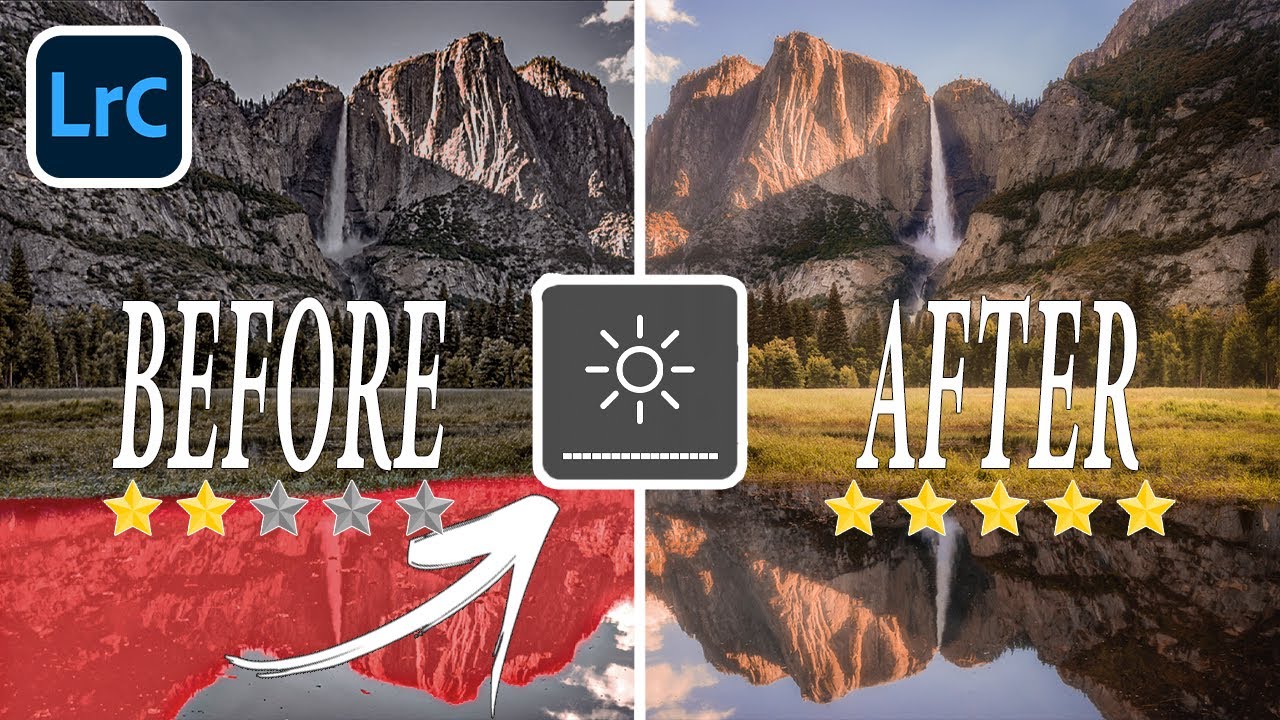
5 Photo Editing Mistakes You're Probably Making Right Now (And How to Fix Them)

5 Photo Editing Mistakes You're Probably Making Right Now (And How to Fix Them)

There’s a particular kind of frustration that comes from spending an hour editing a photo, exporting it, and then looking at it on your phone and thinking, “That looks nothing like what I saw on my screen.” I’ve been there more times than I’d like to admit. For a long time I assumed it was a skill gap, that I just needed more practice. Turns out, some of it wasn’t about skill at all.