How Pro Beverage Photographers Light a Beer Shot (Breaking Down Rob Grimm's Studio Setup)

How Pro Beverage Photographers Light a Beer Shot (Breaking Down Rob Grimm's Studio Setup)

Product photography has humbled me more than once. I shoot lifestyle and travel almost exclusively, so when someone asks me about tabletop product work, I used to quietly change the subject. The lighting logic is different, the margins for error are smaller, and glass and liquid together are basically a nightmare for reflections. So when I came across this Aaron Nace (PHLEARN) tutorial featuring St. Louis beverage photographer Rob Grimm, I watched it three times in a row.
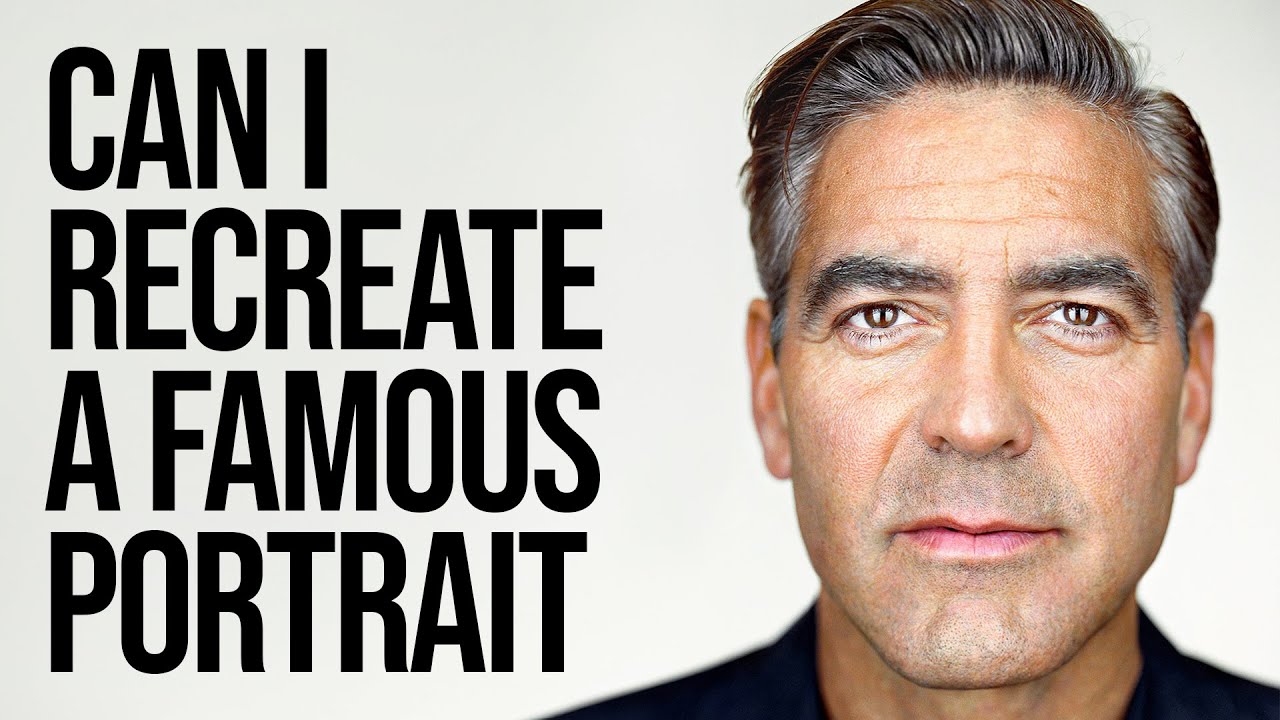
How to Reverse-Engineer Famous Portrait Lighting (And Actually Learn Something Doing It)

How to Reverse-Engineer Famous Portrait Lighting (And Actually Learn Something Doing It)

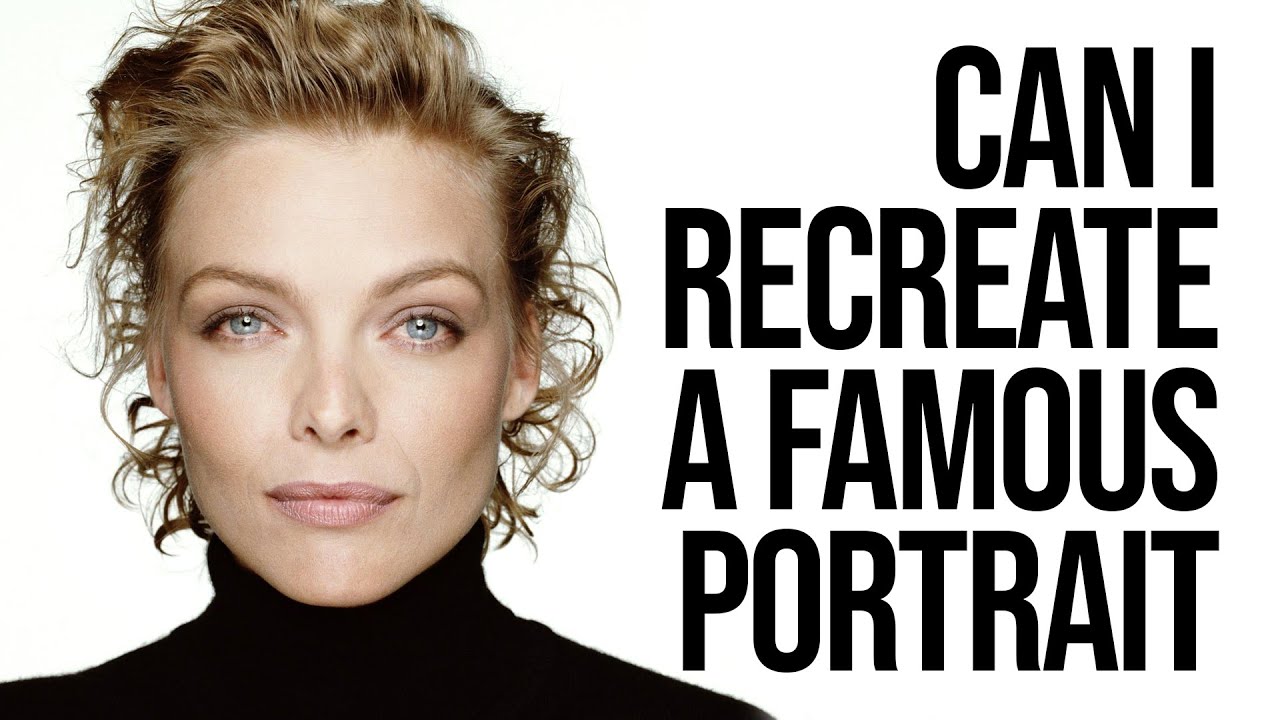
Beauty lighting has always intimidated me a little. I’ll be honest. I came up through travel and lifestyle photography, where “good light” usually meant golden hour and a willingness to wake up at 5am. Controlled studio work felt like a different language, and I kept putting off learning it properly. What finally cracked it open for me was a practice I’d never thought to try: picking apart a famous portrait and working backward from what I could see.

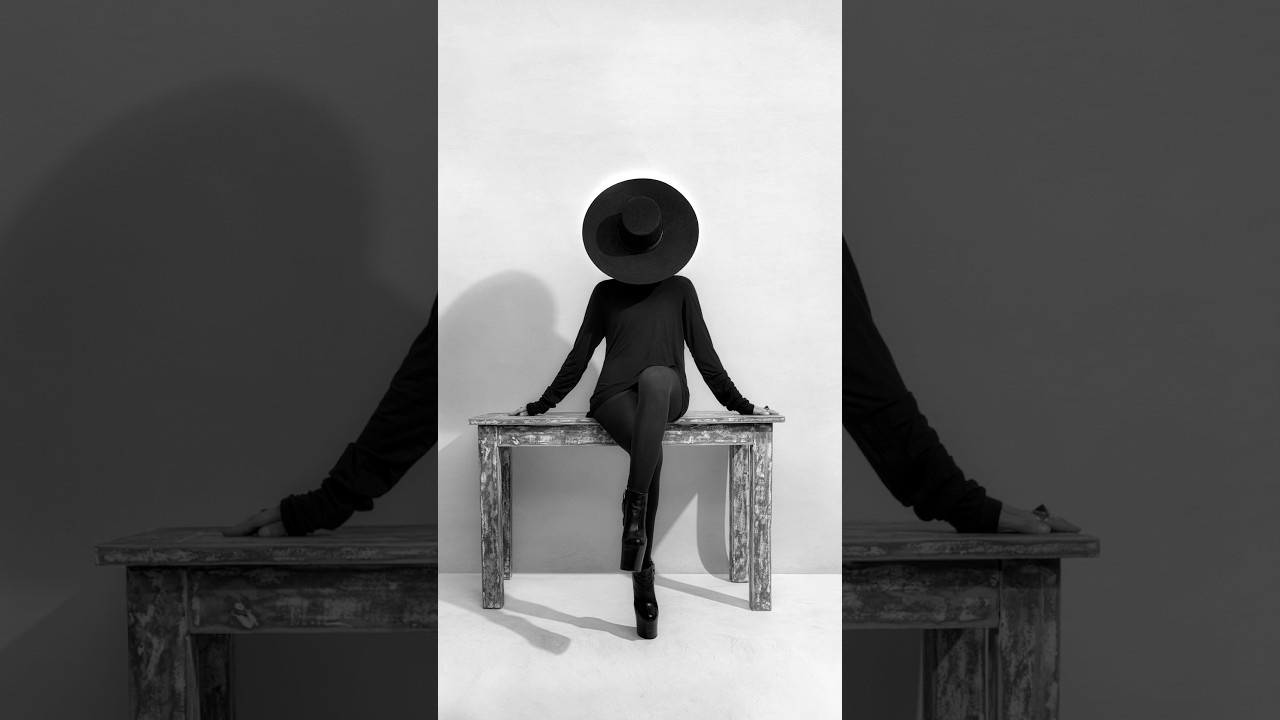
How to Use Ultraviolet Light to Make White Clothing Pop Against a White Background

How to Use Ultraviolet Light to Make White Clothing Pop Against a White Background

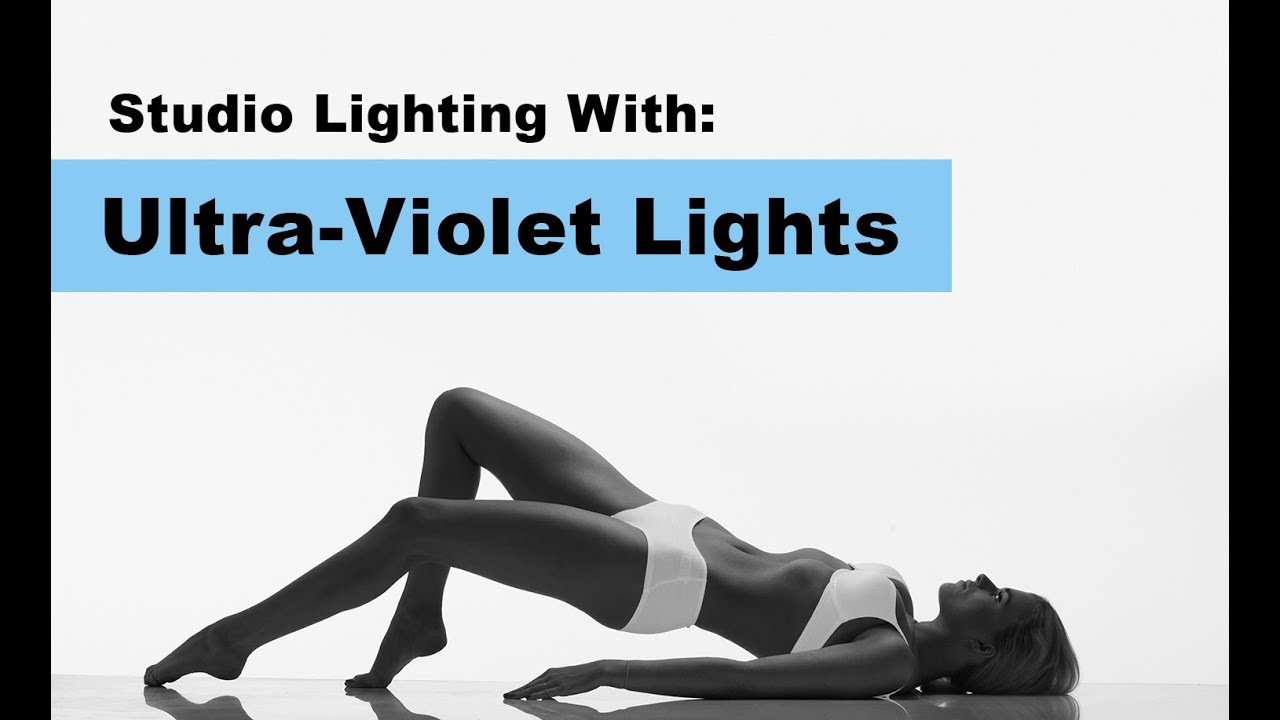
There is a specific kind of frustration that comes from trying to photograph white clothing against a white background. On paper, it sounds elegant and minimal. In practice, you end up with a muddy gray garment that looks like it came out of the wrong laundry cycle. I have run into this problem more times than I care to admit, and for a long time my workaround was to just add more light and hope for the best.

How to Light a Still Life with Edge Lights and a Hard Soft Box (Broncolor Technique Breakdown)

How to Light a Still Life with Edge Lights and a Hard Soft Box (Broncolor Technique Breakdown)

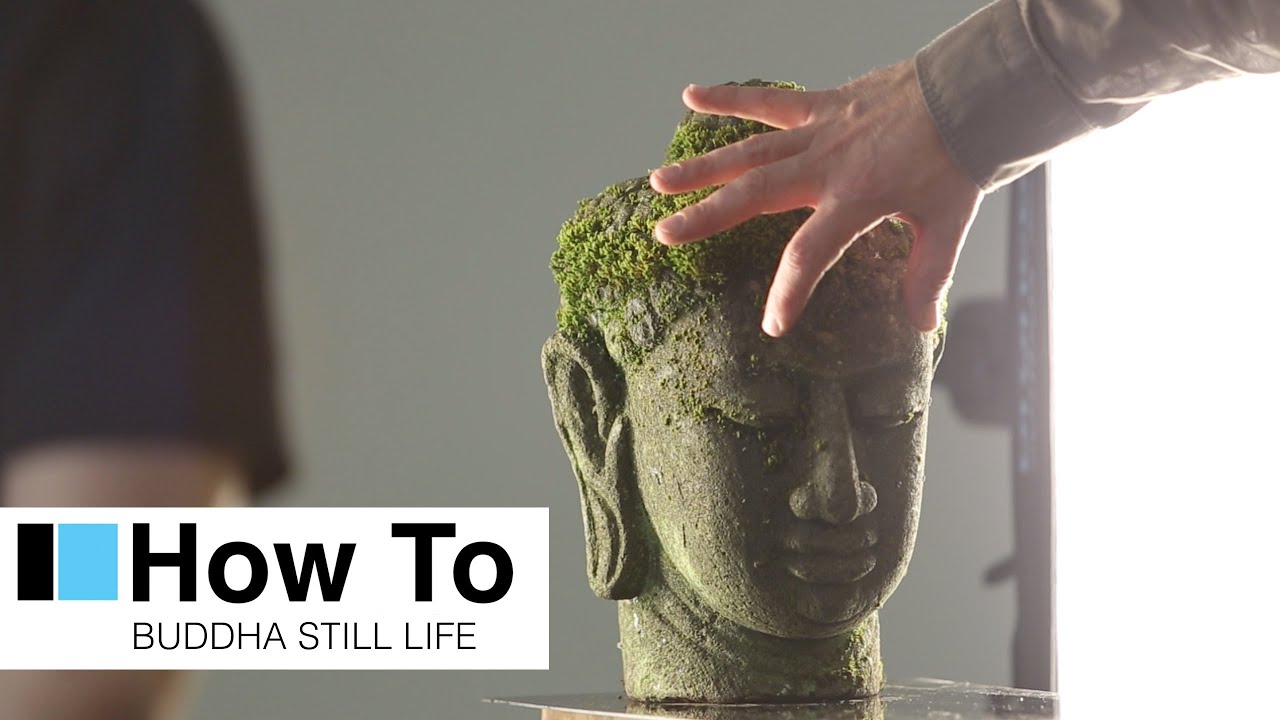
Still life photography has this reputation for being the “easy” genre because your subject doesn’t move, blink, or ask to see the back of the camera. But that stillness is exactly what raises the stakes. When nothing moves, every lighting decision is completely exposed. There’s nowhere to hide a lazy setup. I kept running into this problem when shooting objects with complex surfaces - carved wood, rough stone, anything with real texture.

How to Light a Product Shot Like a Pro (Using Scrims, Softboxes, and a Piece of Foil Card)

How to Light a Product Shot Like a Pro (Using Scrims, Softboxes, and a Piece of Foil Card)

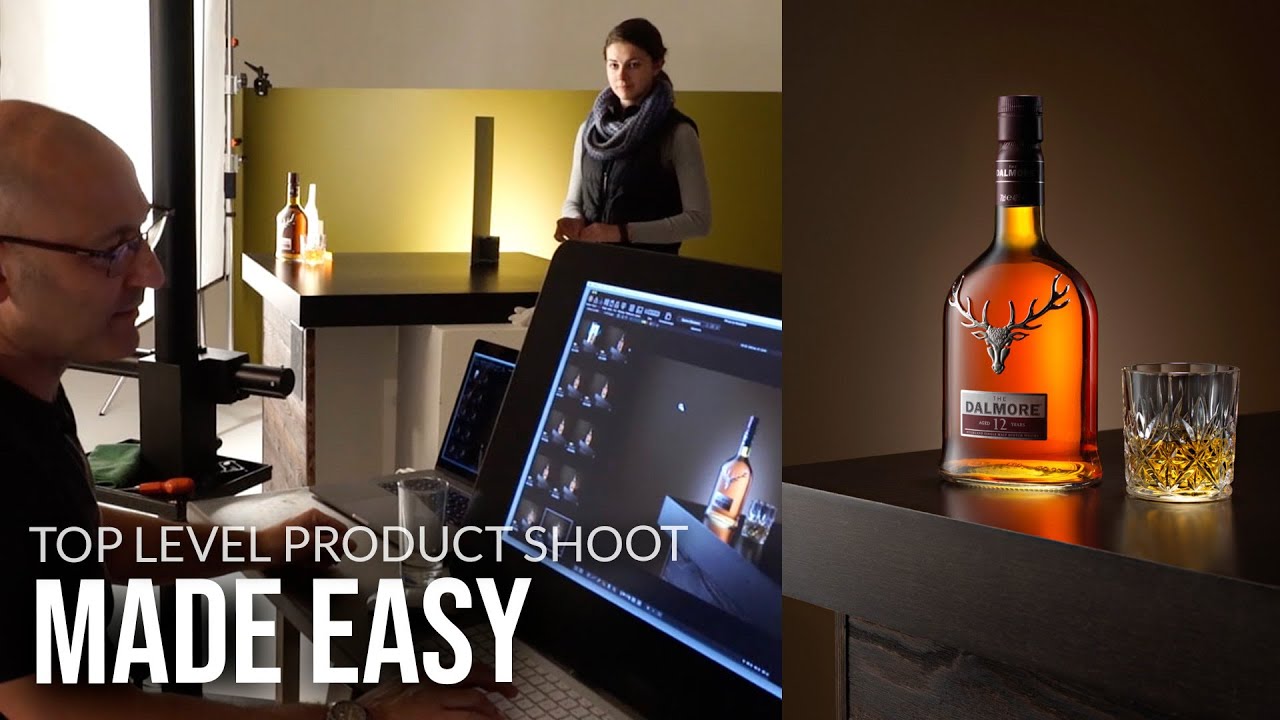
Product photography has a reputation for being intimidating, and honestly, for a long time I avoided it. I’m a lifestyle and travel shooter at heart. Give me golden hour on a mountain trail and I’m happy. But clients don’t always want mountains. Sometimes they want a bottle of whiskey looking like it belongs in a magazine spread, and that used to send me scrambling. What changed things for me was watching how working commercial photographers actually think through a product setup, not just the gear list, but the logic behind every decision.

How to Shoot 70 Corporate Headshots in Two Hours (Without Losing Your Mind)

How to Shoot 70 Corporate Headshots in Two Hours (Without Losing Your Mind)

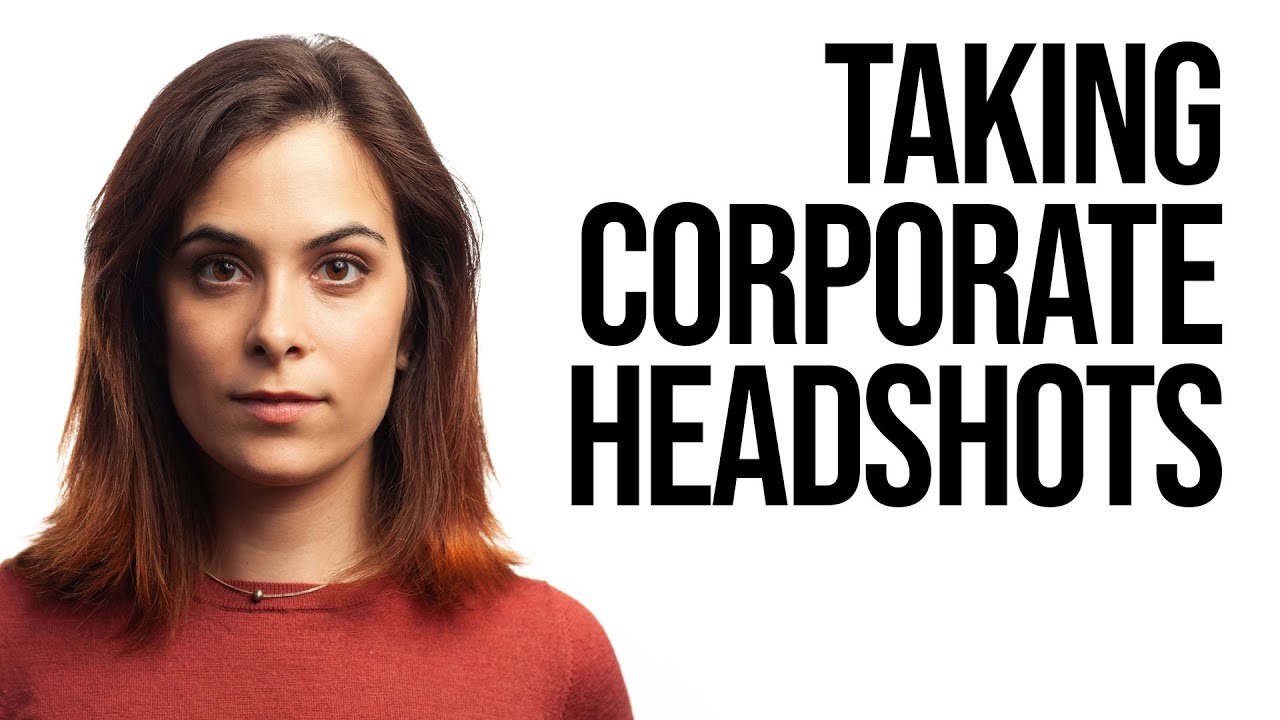
Corporate headshot work isn’t glamorous. Nobody’s going to pin your LinkedIn profile photos on their mood board. But here’s the thing I’ve learned over the years: it pays reliably, it fills the calendar gaps that kill your cash flow, and if you can do it well under pressure, it builds a reputation that keeps companies calling you back. The problem is most portrait photographers, myself included when I started, approach these jobs with a single-session mindset.

How Joel Grimes Lights, Shoots, and Composites Athletes (And What I Stole From His Workflow)

How Joel Grimes Lights, Shoots, and Composites Athletes (And What I Stole From His Workflow)

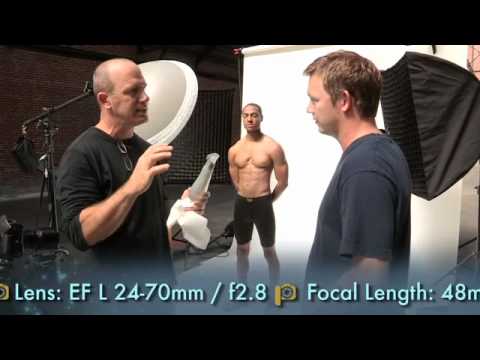
I used to think dramatic athlete portraits required a massive studio budget and a team of assistants. Then I watched enough Joel Grimes tutorials to realize the gap between “looks professional” and “looks like a million dollars” is mostly just intentional light placement and a few clever tricks in post. If you shoot portraits, fitness clients, or anyone you want to look genuinely powerful on camera, this workflow is worth understanding from the ground up.

How to Reverse-Engineer Famous Portrait Lighting (And Actually Shoot It Yourself)

How to Reverse-Engineer Famous Portrait Lighting (And Actually Shoot It Yourself)

Portrait lighting analysis is one of those skills that separates photographers who keep getting better from ones who plateau. I spent years looking at images I admired and feeling vaguely inspired but having no idea how to translate what I was seeing into something I could actually set up in front of a subject. That changed when I started forcing myself to reverse-engineer lighting setups the way a mechanic would pull apart an engine.

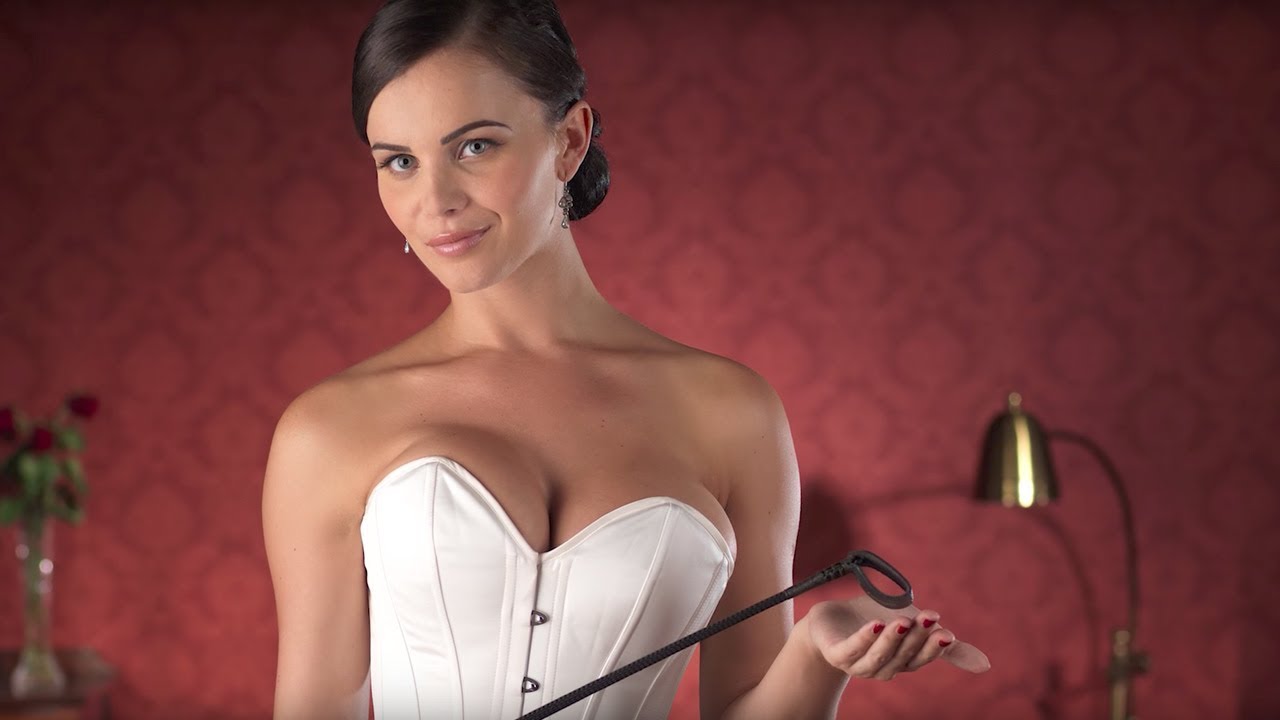
How to Build a Boudoir Set from Scratch (And Light It So You Barely Need to Retouch)

How to Build a Boudoir Set from Scratch (And Light It So You Barely Need to Retouch)

There’s a particular kind of stress that comes from arriving at a boudoir shoot with a bare white wall, a single light, and a model who’s already a little nervous. I’ve been there. The lighting guesswork alone adds an hour of post-processing you didn’t plan for, and if the set feels clinical rather than intimate, even great posing can’t save the mood. Boudoir photography lives or dies on atmosphere, and atmosphere is something you have to build deliberately, before a single frame is shot.

How to Use a Single Light Source to Create Dramatic, Sparkling Portrait Effects

How to Use a Single Light Source to Create Dramatic, Sparkling Portrait Effects

I had a client session last month that humbled me. Corporate headshots, simple brief, nothing fancy. But the client kept pulling up reference photos on her phone, all of them with these gorgeous little catchlights and a kind of sparkle to the skin that looked expensive without looking overdone. I knew the technique existed. I just hadn’t locked it down in a way I could repeat reliably under pressure. That’s when I found this tutorial and it clicked something into place.

One Light, One Modifier: How to Transform a Flat Portrait Into Something Dramatic

One Light, One Modifier: How to Transform a Flat Portrait Into Something Dramatic

There’s a scenario every portrait photographer runs into eventually: you’re shooting somewhere that isn’t ideal, the natural light is flat and unforgiving, and your client is expecting something that looks like it belongs on an album cover. I’ve been there more times than I want to count. For a long time, my instinct was to just work with whatever the ambient light gave me and fix it in post. The results were fine.

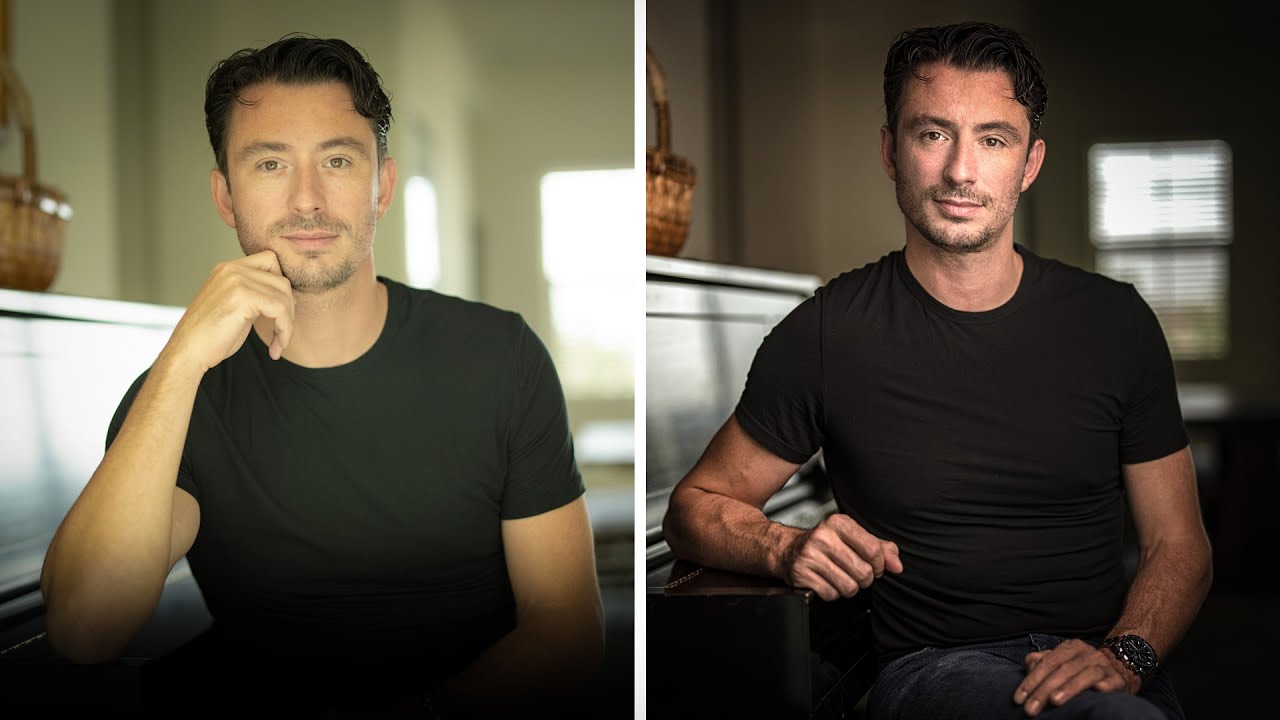
The Portrait Lighting Ratio That Stopped Me From Overcomplicating My Setups

The Portrait Lighting Ratio That Stopped Me From Overcomplicating My Setups

There’s a moment on almost every portrait shoot where the light is technically correct but the image still feels flat. The exposure is fine, the background works, the subject looks comfortable, and yet something is missing. For a long time I chalked that up to “the shot just wasn’t there.” Turns out, I was letting light land wherever it wanted and wondering why my portraits lacked dimension. The fix wasn’t another light or a bigger softbox.