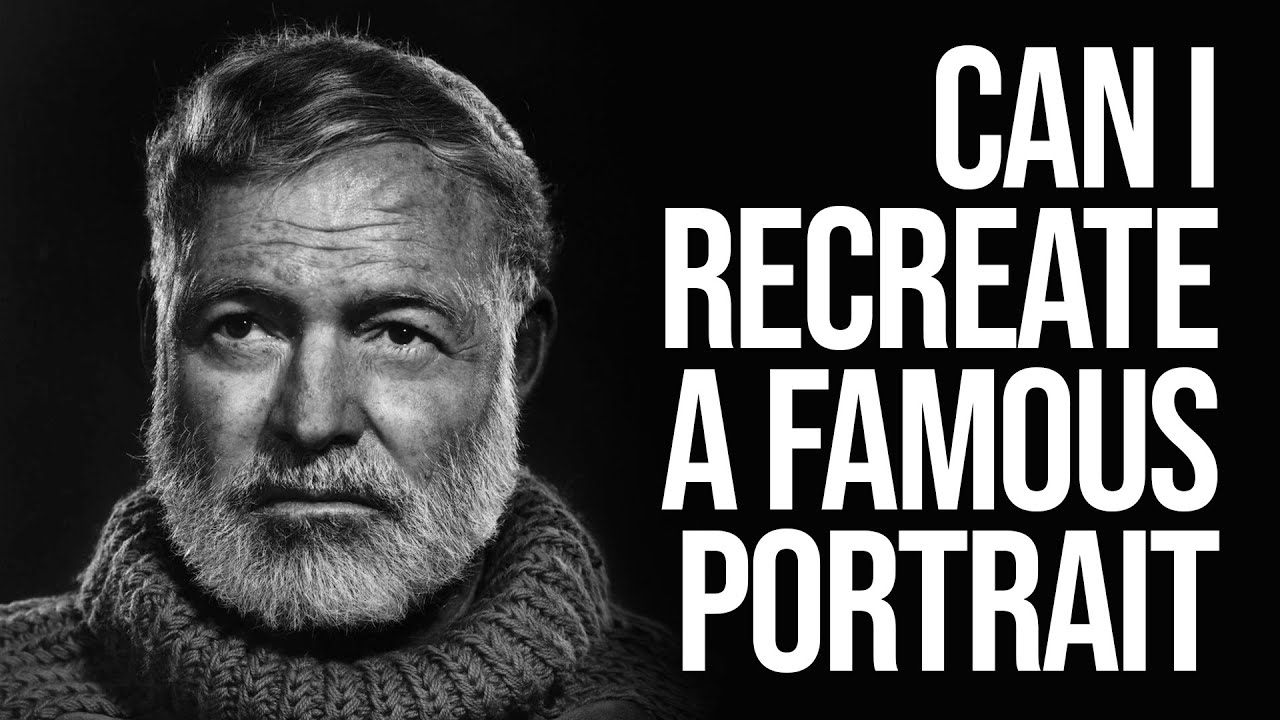
How to Reverse-Engineer Famous Portrait Lighting (And Actually Shoot It Yourself)

How to Reverse-Engineer Famous Portrait Lighting (And Actually Shoot It Yourself)

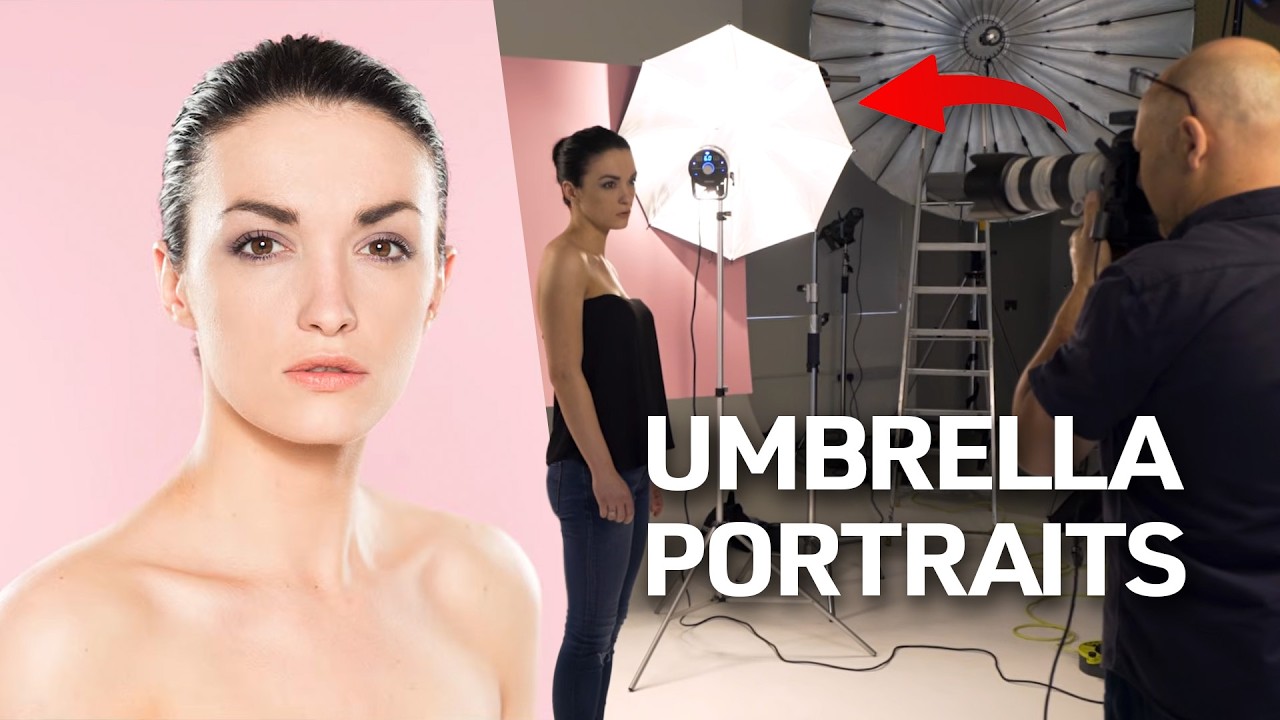
Portrait lighting analysis is one of those skills that separates photographers who keep getting better from ones who plateau. I spent years looking at images I admired and feeling vaguely inspired but having no idea how to translate what I was seeing into something I could actually set up in front of a subject. That changed when I started forcing myself to reverse-engineer lighting setups the way a mechanic would pull apart an engine.

How to Build a Boudoir Set from Scratch (And Light It So You Barely Need to Retouch)

How to Build a Boudoir Set from Scratch (And Light It So You Barely Need to Retouch)

There’s a particular kind of stress that comes from arriving at a boudoir shoot with a bare white wall, a single light, and a model who’s already a little nervous. I’ve been there. The lighting guesswork alone adds an hour of post-processing you didn’t plan for, and if the set feels clinical rather than intimate, even great posing can’t save the mood. Boudoir photography lives or dies on atmosphere, and atmosphere is something you have to build deliberately, before a single frame is shot.

How to Use a Single Light Source to Create Dramatic, Sparkling Portrait Effects

How to Use a Single Light Source to Create Dramatic, Sparkling Portrait Effects

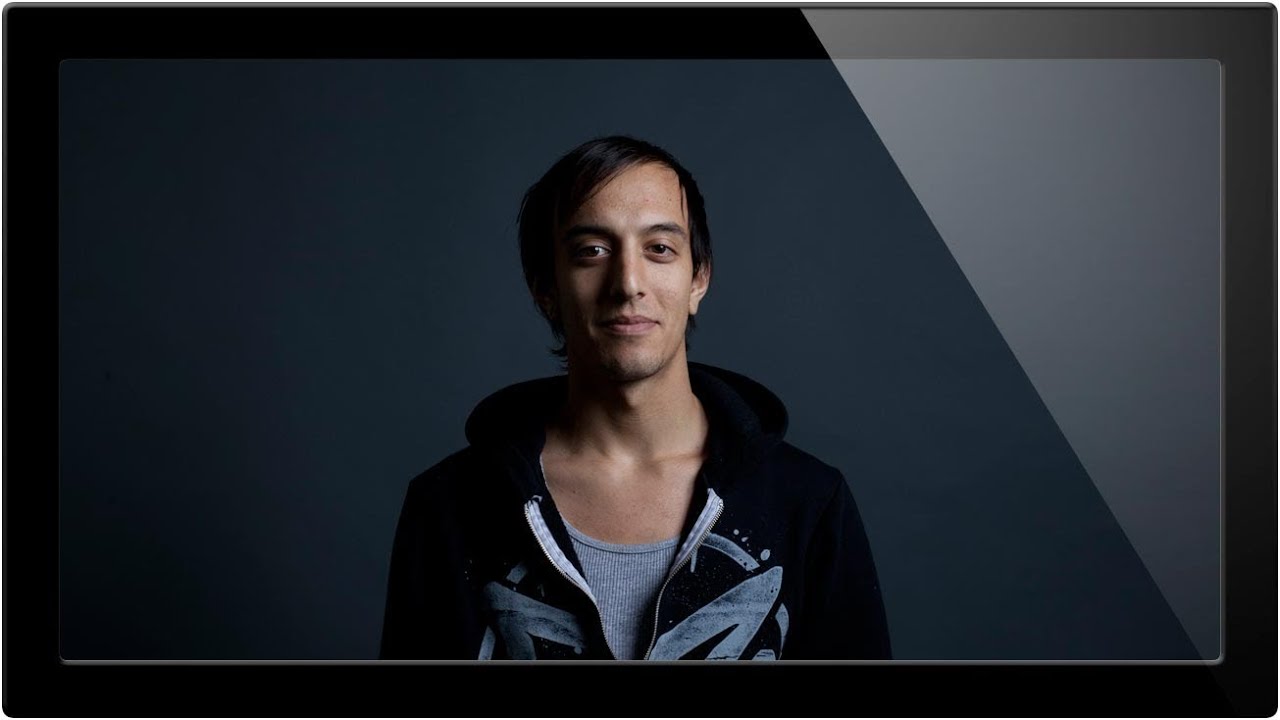
I had a client session last month that humbled me. Corporate headshots, simple brief, nothing fancy. But the client kept pulling up reference photos on her phone, all of them with these gorgeous little catchlights and a kind of sparkle to the skin that looked expensive without looking overdone. I knew the technique existed. I just hadn’t locked it down in a way I could repeat reliably under pressure. That’s when I found this tutorial and it clicked something into place.

One Light, One Modifier: How to Transform a Flat Portrait Into Something Dramatic

One Light, One Modifier: How to Transform a Flat Portrait Into Something Dramatic

There’s a scenario every portrait photographer runs into eventually: you’re shooting somewhere that isn’t ideal, the natural light is flat and unforgiving, and your client is expecting something that looks like it belongs on an album cover. I’ve been there more times than I want to count. For a long time, my instinct was to just work with whatever the ambient light gave me and fix it in post. The results were fine.

The Portrait Lighting Ratio That Stopped Me From Overcomplicating My Setups

The Portrait Lighting Ratio That Stopped Me From Overcomplicating My Setups

There’s a moment on almost every portrait shoot where the light is technically correct but the image still feels flat. The exposure is fine, the background works, the subject looks comfortable, and yet something is missing. For a long time I chalked that up to “the shot just wasn’t there.” Turns out, I was letting light land wherever it wanted and wondering why my portraits lacked dimension. The fix wasn’t another light or a bigger softbox.