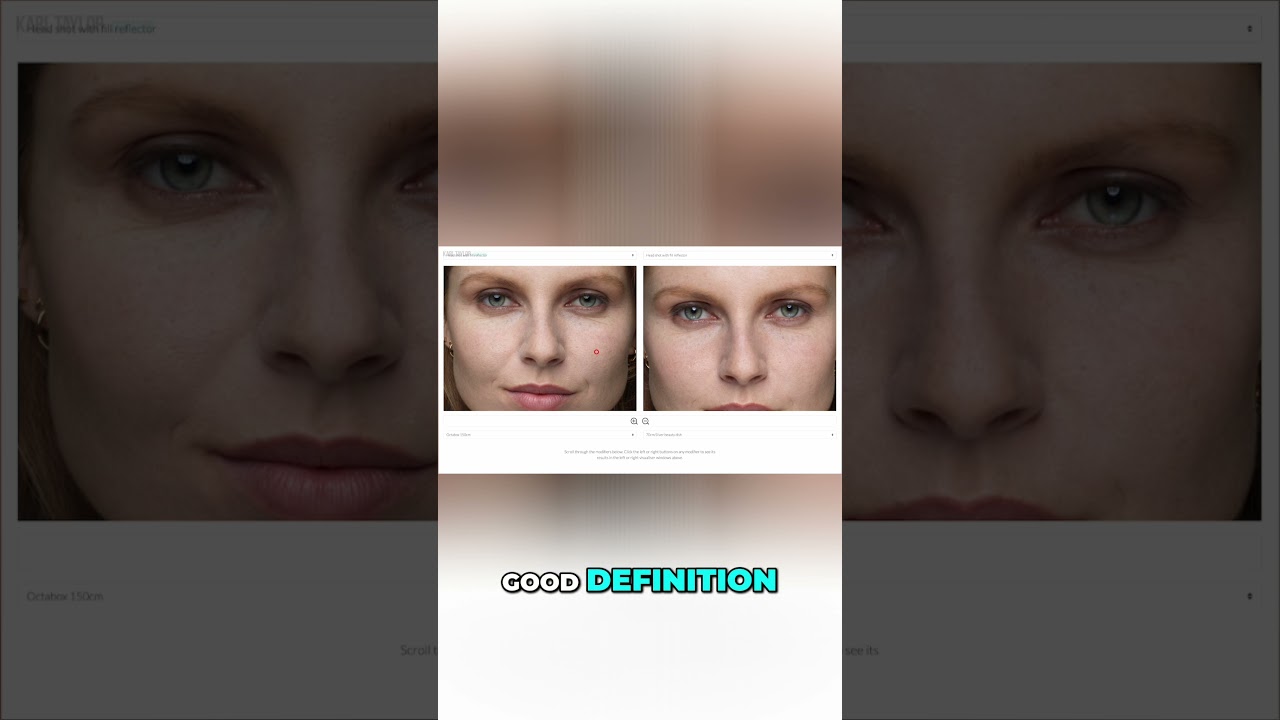
Beauty Dish vs. Octabox: How to Actually See the Difference Before You Buy

Beauty Dish vs. Octabox: How to Actually See the Difference Before You Buy

One of the questions I get most often from photographers who are moving from natural light into their first studio setup is some version of: “Which modifier should I buy?” And I used to fumble that answer because the honest truth is, it depends on what you’re going for and most beginners have never had a side-by-side look at what different modifiers actually do to a face. That changed for me when I started being more deliberate about comparing gear in a controlled way rather than just swapping things out mid-shoot and guessing.
Move Your Light Behind the Subject — The Simple Shift That Makes Photos Look Expensive

Move Your Light Behind the Subject — The Simple Shift That Makes Photos Look Expensive

Every Sunday morning I take a photo walk through my neighborhood in Seattle, and I can tell you from years of doing it: most of the difference between a mediocre shot and a compelling one isn’t the camera, the subject, or even the composition. It’s where the light is coming from. I spent an embarrassing amount of time early in my career placing lights directly in front of subjects and wondering why my photos looked flat and lifeless.

How to Photograph Clear Liquid Bottles Without the Mess (A Pro's Step-by-Step Breakdown)

How to Photograph Clear Liquid Bottles Without the Mess (A Pro's Step-by-Step Breakdown)

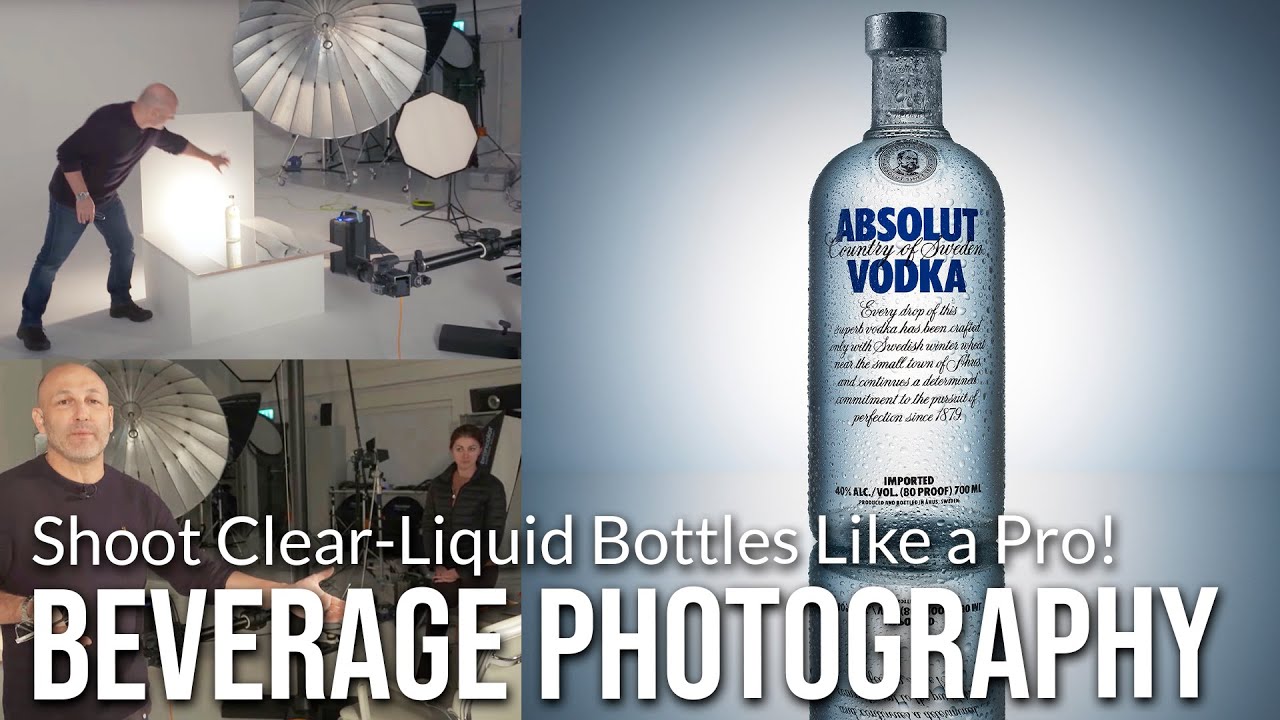
Product photography has a way of humbling you fast. I learned this the hard way the first time a friend asked me to shoot a few spirits bottles for their small-batch gin label. I figured: clean background, good light, done. What I got instead was streaky water droplets sliding down the glass, a label that looked flat and washed out, and a reflection so doubled-up it looked like the bottle had a twin.

Shadow Sharpness and Density: The Two-Light Skill That Changed How I Think About Every Shot

Shadow Sharpness and Density: The Two-Light Skill That Changed How I Think About Every Shot

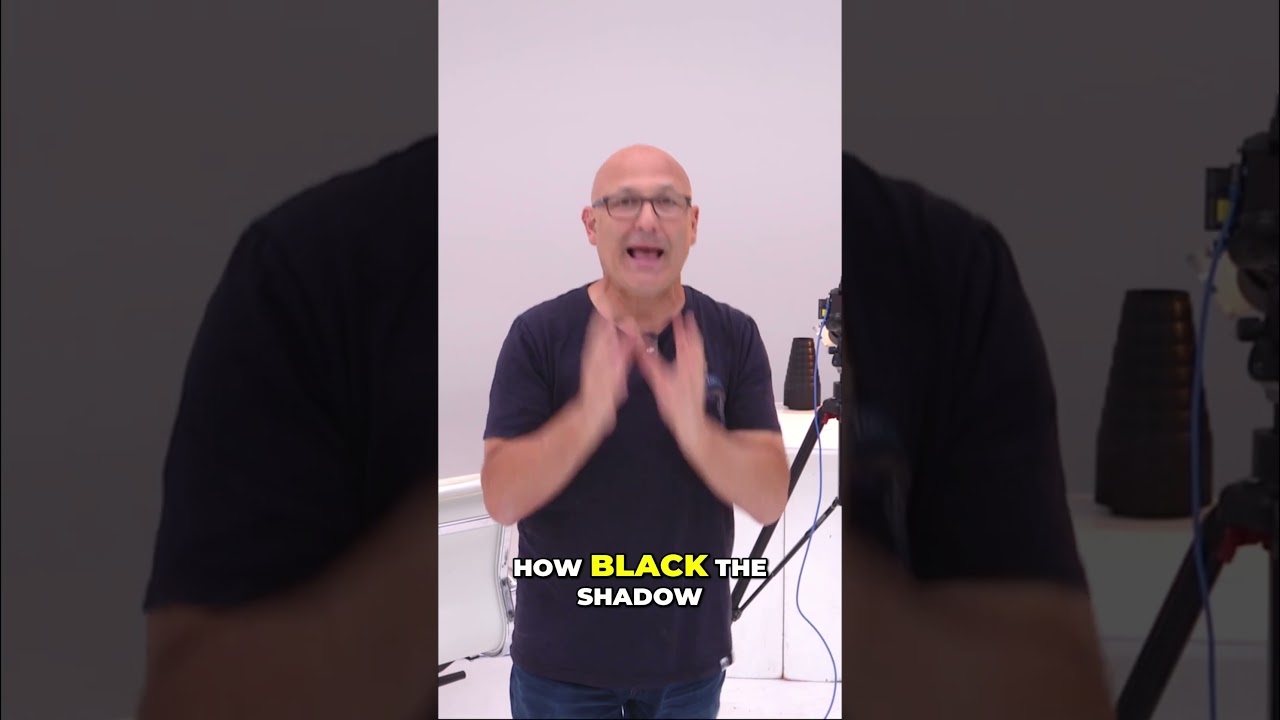
There is a moment in almost every beginner photographer’s journey where the technical stuff clicks into place and suddenly everything looks intentional. For me, that moment came with light - not finding more of it, but understanding what it does after it hits the subject. Specifically, what it does with shadows. I spent a long time treating shadows like a problem to eliminate. Now I treat them like a second subject in the frame, and that shift changed everything about how I work.

How to Reverse-Engineer Iconic Portrait Lighting (And Why You Should Try It)

How to Reverse-Engineer Iconic Portrait Lighting (And Why You Should Try It)

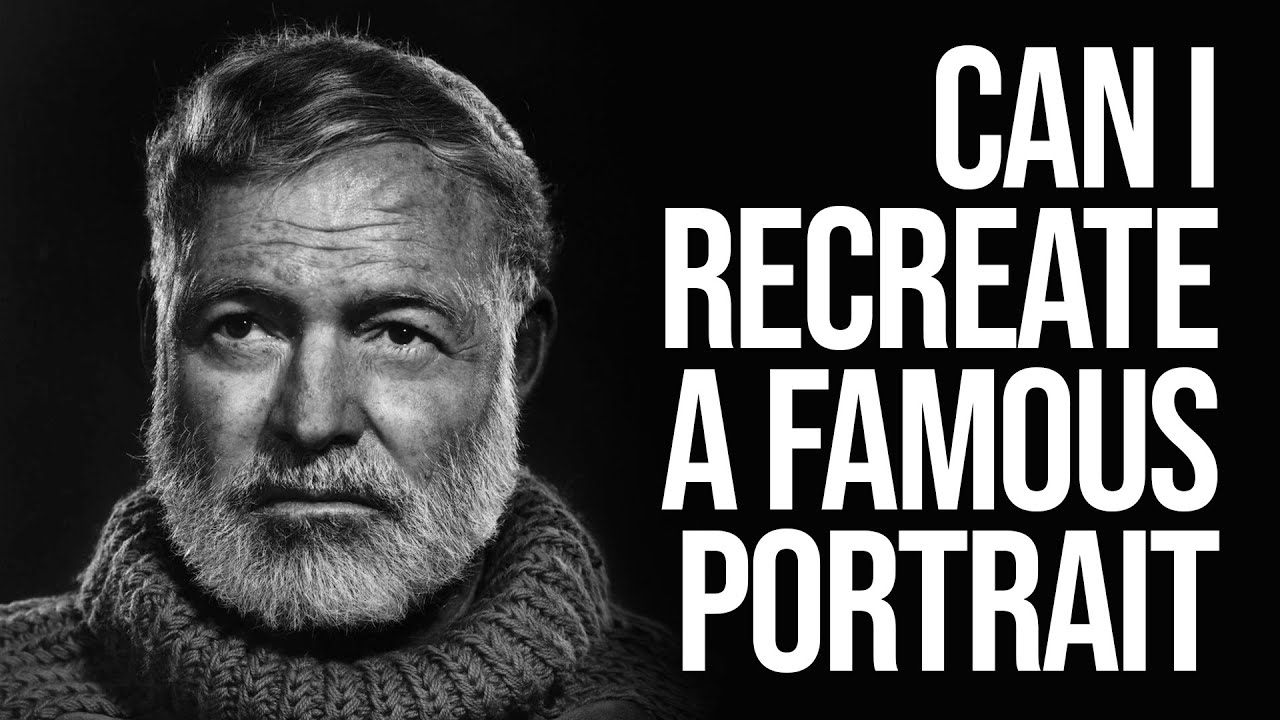
One skill that separates photographers who grow quickly from those who plateau is the ability to look at a finished image and work backward. Not just admire it, but actually read it. Where is the light coming from? How many sources? What quality? What angle? I learned this the hard way over years of Sunday morning photo walks, squinting at images I admired and having no real framework for understanding what I was seeing.

How Pro Beverage Photographers Light a Beer Shot (Breaking Down Rob Grimm's Studio Setup)

How Pro Beverage Photographers Light a Beer Shot (Breaking Down Rob Grimm's Studio Setup)

Product photography has humbled me more than once. I shoot lifestyle and travel almost exclusively, so when someone asks me about tabletop product work, I used to quietly change the subject. The lighting logic is different, the margins for error are smaller, and glass and liquid together are basically a nightmare for reflections. So when I came across this Aaron Nace (PHLEARN) tutorial featuring St. Louis beverage photographer Rob Grimm, I watched it three times in a row.

How to Reverse-Engineer Famous Portrait Lighting (And Actually Learn Something Doing It)

How to Reverse-Engineer Famous Portrait Lighting (And Actually Learn Something Doing It)

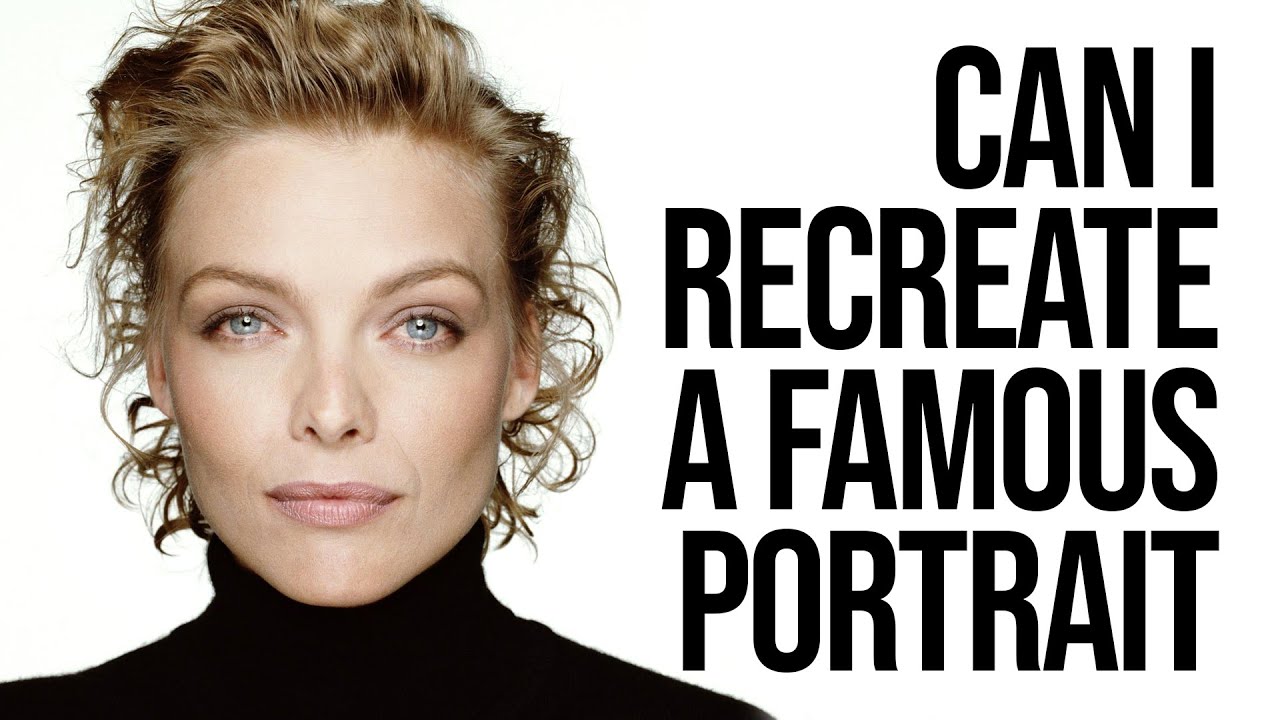
Beauty lighting has always intimidated me a little. I’ll be honest. I came up through travel and lifestyle photography, where “good light” usually meant golden hour and a willingness to wake up at 5am. Controlled studio work felt like a different language, and I kept putting off learning it properly. What finally cracked it open for me was a practice I’d never thought to try: picking apart a famous portrait and working backward from what I could see.

How to Use Ultraviolet Light to Make White Clothing Pop Against a White Background

How to Use Ultraviolet Light to Make White Clothing Pop Against a White Background

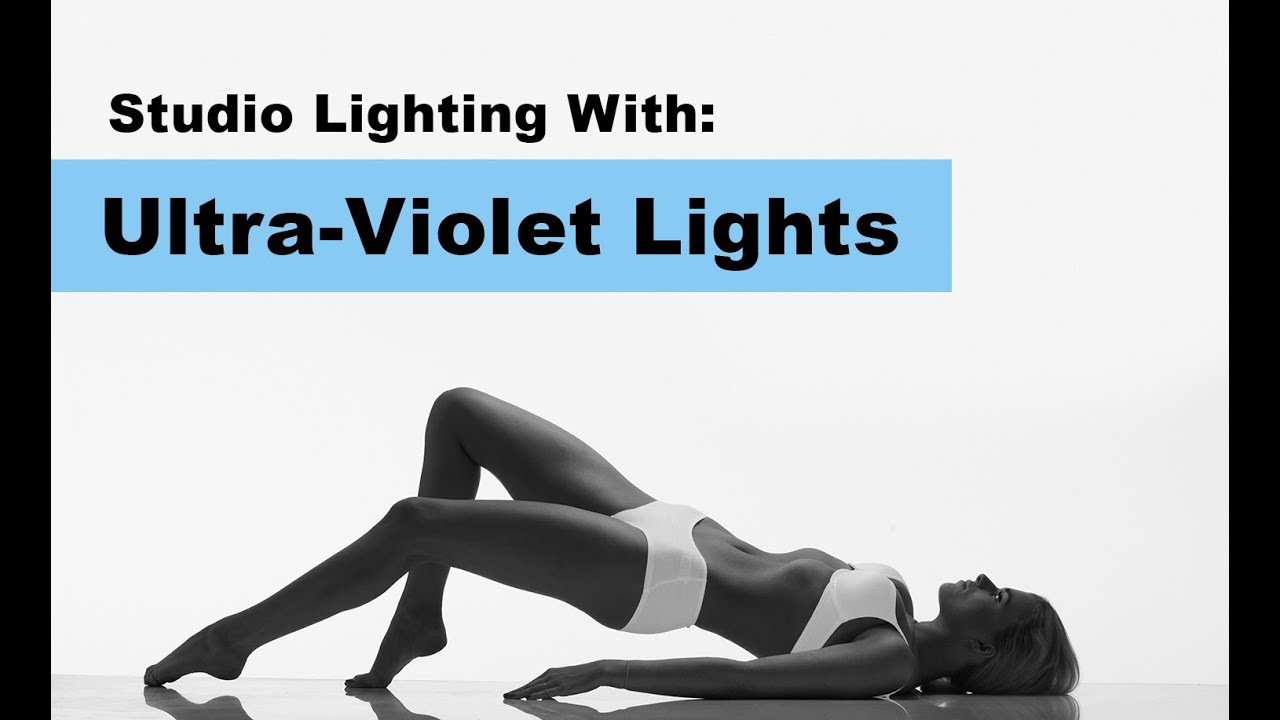
There is a specific kind of frustration that comes from trying to photograph white clothing against a white background. On paper, it sounds elegant and minimal. In practice, you end up with a muddy gray garment that looks like it came out of the wrong laundry cycle. I have run into this problem more times than I care to admit, and for a long time my workaround was to just add more light and hope for the best.

How to Light a Still Life with Edge Lights and a Hard Soft Box (Broncolor Technique Breakdown)

How to Light a Still Life with Edge Lights and a Hard Soft Box (Broncolor Technique Breakdown)

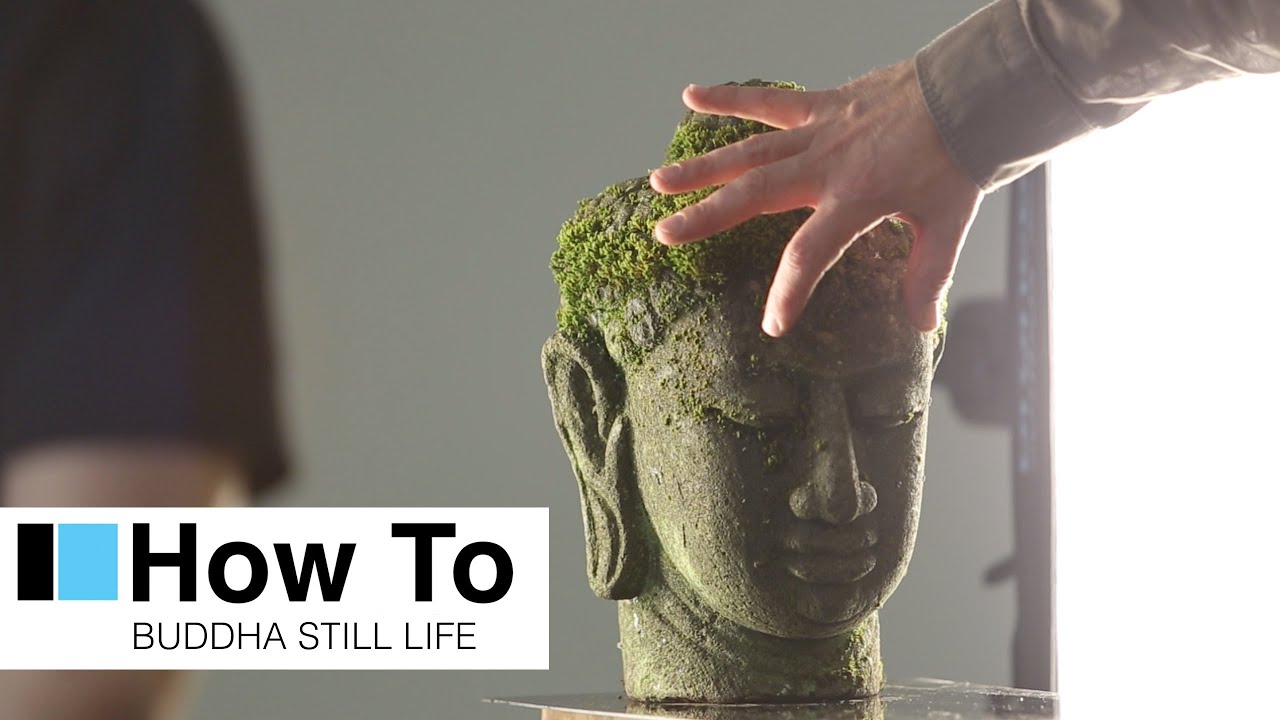
Still life photography has this reputation for being the “easy” genre because your subject doesn’t move, blink, or ask to see the back of the camera. But that stillness is exactly what raises the stakes. When nothing moves, every lighting decision is completely exposed. There’s nowhere to hide a lazy setup. I kept running into this problem when shooting objects with complex surfaces - carved wood, rough stone, anything with real texture.

How to Light a Product Shot Like a Pro (Using Scrims, Softboxes, and a Piece of Foil Card)

How to Light a Product Shot Like a Pro (Using Scrims, Softboxes, and a Piece of Foil Card)

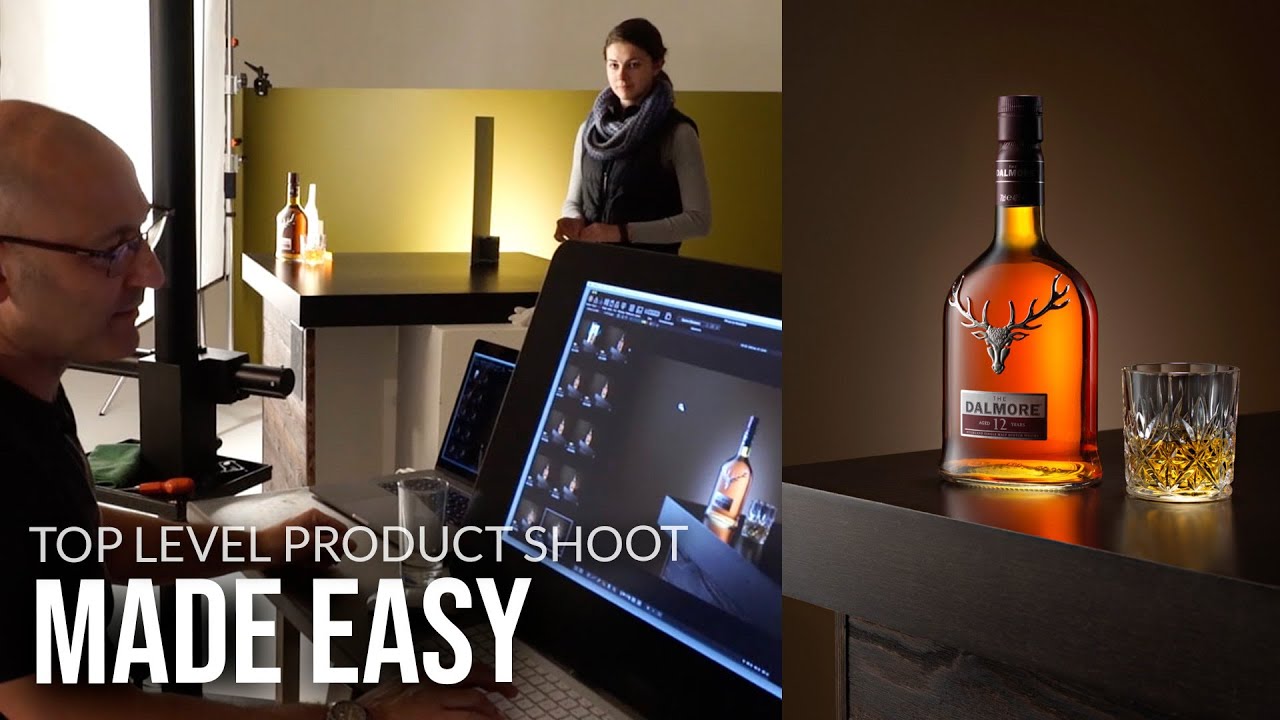
Product photography has a reputation for being intimidating, and honestly, for a long time I avoided it. I’m a lifestyle and travel shooter at heart. Give me golden hour on a mountain trail and I’m happy. But clients don’t always want mountains. Sometimes they want a bottle of whiskey looking like it belongs in a magazine spread, and that used to send me scrambling. What changed things for me was watching how working commercial photographers actually think through a product setup, not just the gear list, but the logic behind every decision.

How to Shoot 70 Corporate Headshots in Two Hours (Without Losing Your Mind)

How to Shoot 70 Corporate Headshots in Two Hours (Without Losing Your Mind)

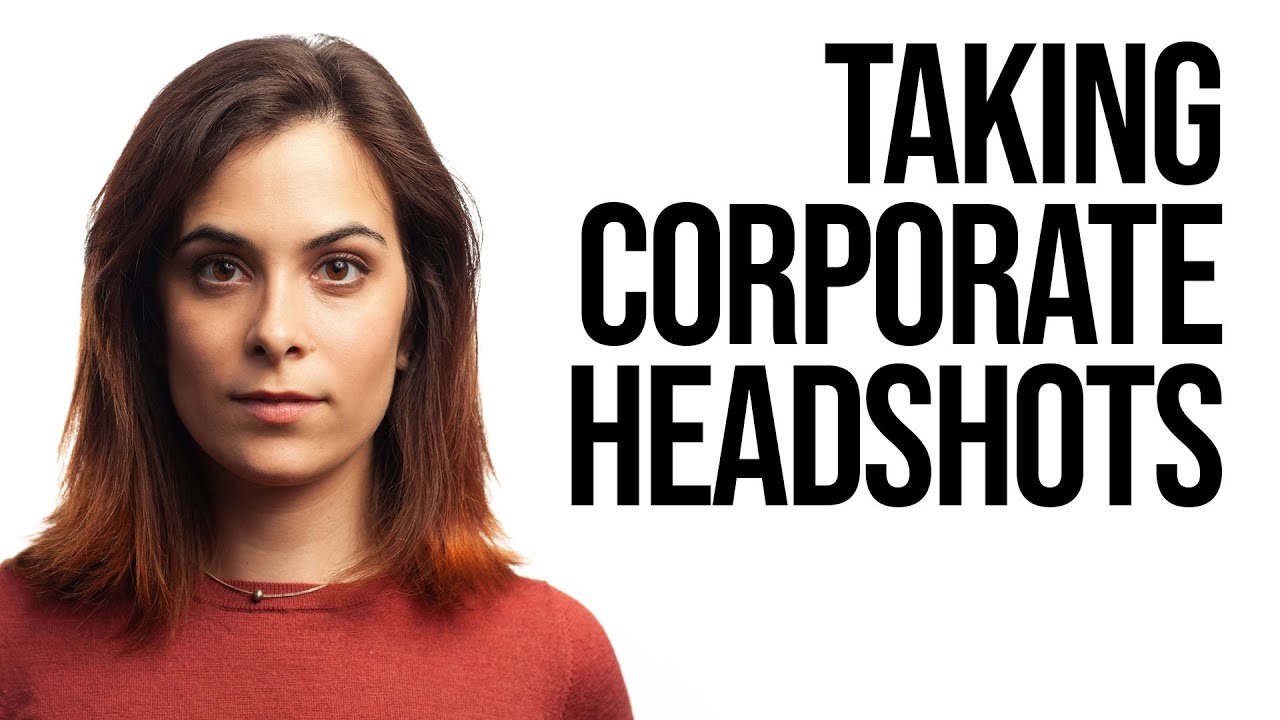
Corporate headshot work isn’t glamorous. Nobody’s going to pin your LinkedIn profile photos on their mood board. But here’s the thing I’ve learned over the years: it pays reliably, it fills the calendar gaps that kill your cash flow, and if you can do it well under pressure, it builds a reputation that keeps companies calling you back. The problem is most portrait photographers, myself included when I started, approach these jobs with a single-session mindset.

How Joel Grimes Lights, Shoots, and Composites Athletes (And What I Stole From His Workflow)

How Joel Grimes Lights, Shoots, and Composites Athletes (And What I Stole From His Workflow)

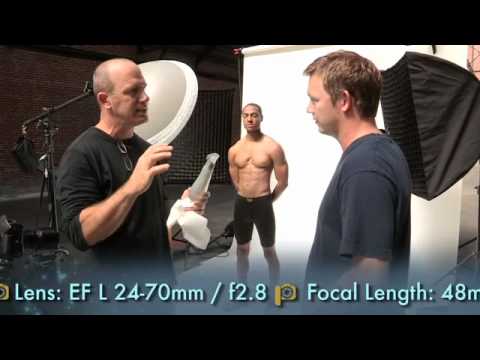
I used to think dramatic athlete portraits required a massive studio budget and a team of assistants. Then I watched enough Joel Grimes tutorials to realize the gap between “looks professional” and “looks like a million dollars” is mostly just intentional light placement and a few clever tricks in post. If you shoot portraits, fitness clients, or anyone you want to look genuinely powerful on camera, this workflow is worth understanding from the ground up.