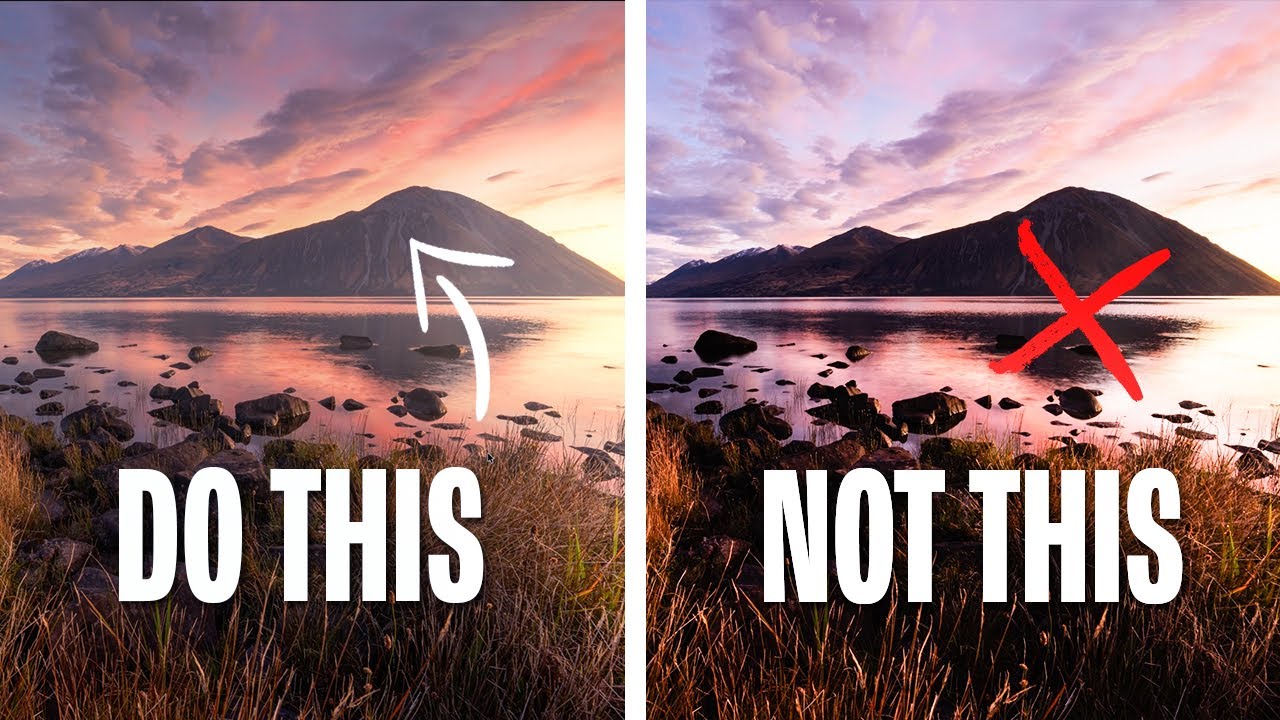
Stop Reaching for the Contrast Slider: Editing Mistakes That Are Flattening Your Landscape Photos

Stop Reaching for the Contrast Slider: Editing Mistakes That Are Flattening Your Landscape Photos

Every Sunday morning I take a photo walk around Seattle. No agenda, no client brief, just me and whatever light shows up. And for the first year of doing that, I’d come home with these gorgeous raw files that somehow looked flat and overworked by the time I was done editing them. I couldn’t figure out what I was doing wrong. I knew my way around Lightroom well enough, but something in my process was quietly killing the images.
What a Perfect Namibia Shot Teaches Us About Editing With Restraint

What a Perfect Namibia Shot Teaches Us About Editing With Restraint

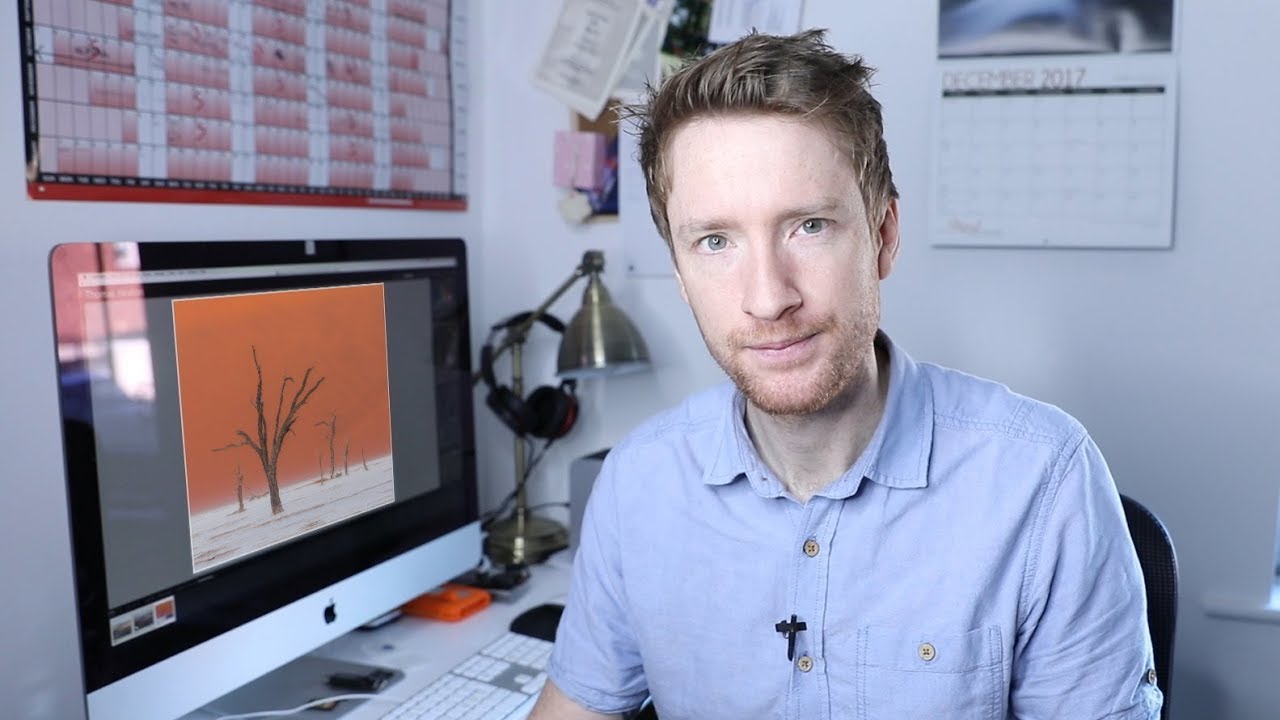
There’s a trap I fell into for years early in my photography practice: the better the shot, the more I felt compelled to edit it. Like somehow a stunning location deserved a dramatic edit to match. I’d crank the saturation, push the contrast, add a heavy preset, and walk away thinking I’d made it better. Spoiler: I hadn’t. I’d just made it louder. That’s exactly why I keep coming back to this tutorial from Thomas Heaton, where he walks through his processing workflow for a landscape image shot in Deadvlei, Namibia.

How to Edit Travel Photos That Actually Feel Like the Place: Lessons from Peter McKinnon

How to Edit Travel Photos That Actually Feel Like the Place: Lessons from Peter McKinnon

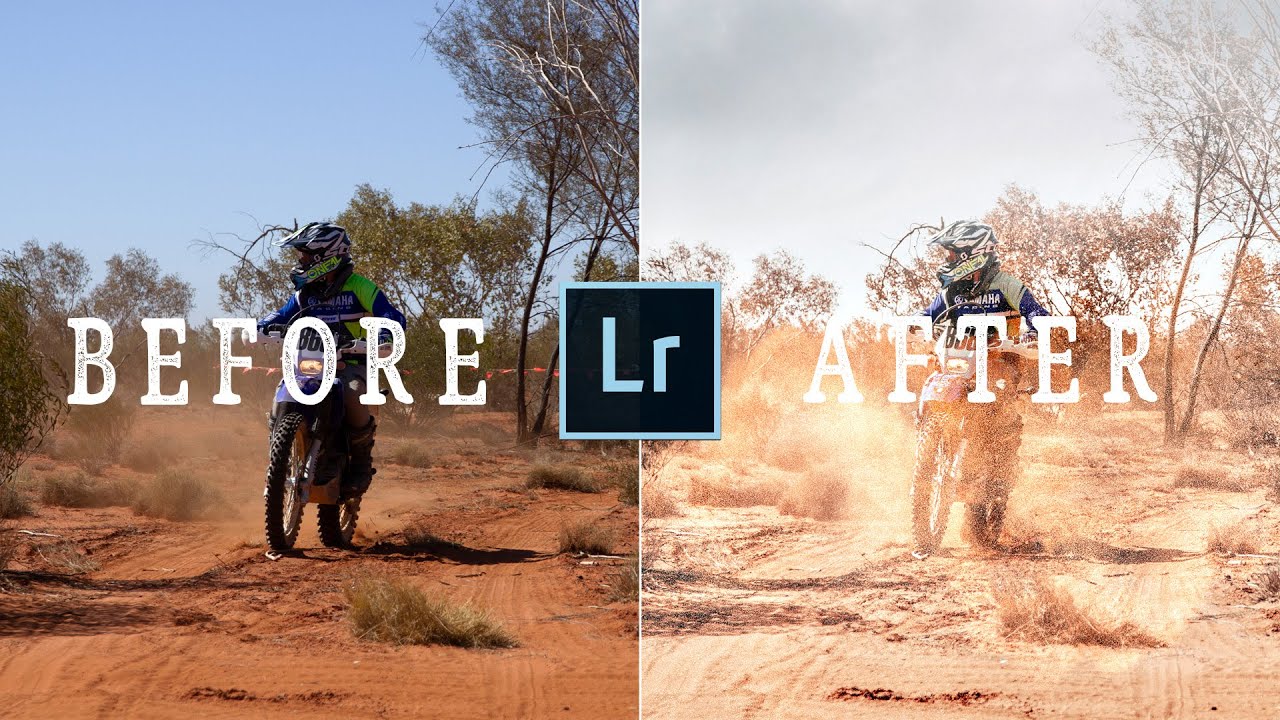
Every time I come back from a trip with a memory card full of RAW files, I face the same problem: the photos are technically fine, but they don’t feel like the place. The Grand Canyon shot looks flat and blue instead of warm and dusty. The landmark photo is cluttered or blown out. The sky is a blank nothing when I remember it being dramatic. These aren’t problems with my camera settings.

How to Rescue a Bad Photo (And What It Teaches You About Getting It Right Next Time)

How to Rescue a Bad Photo (And What It Teaches You About Getting It Right Next Time)

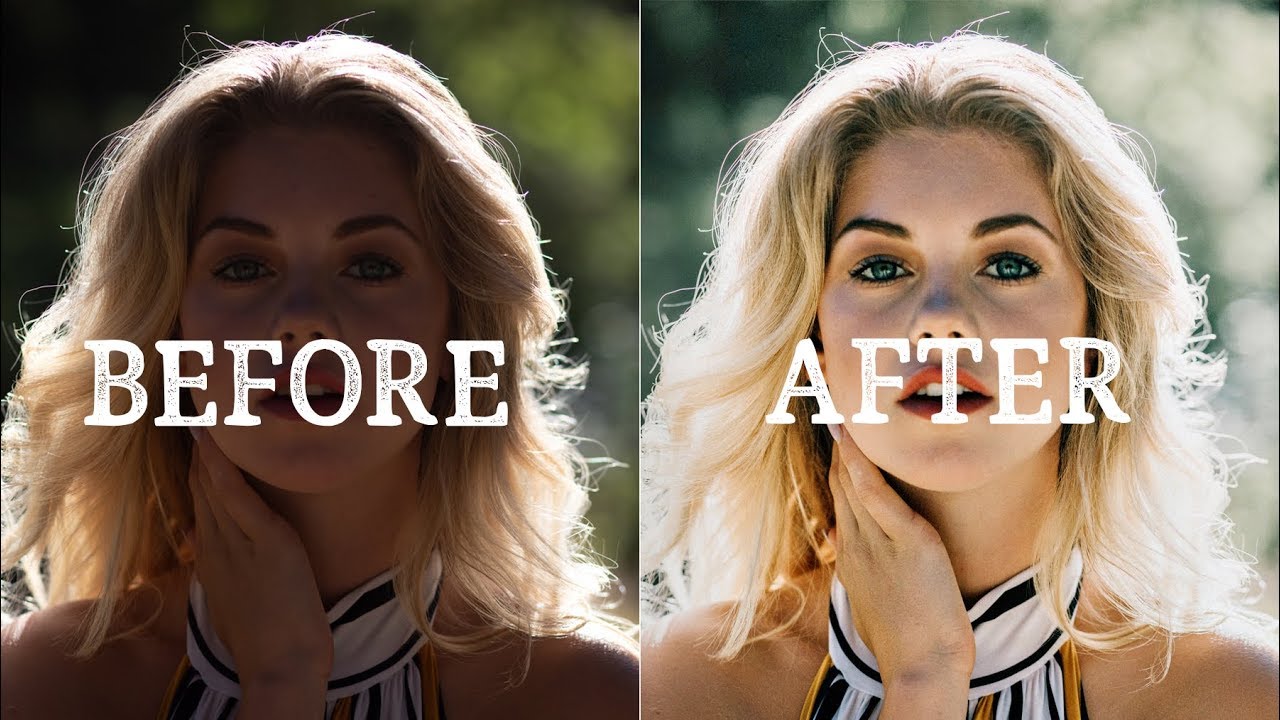
Every photographer I know has a folder they hope nobody finds. Mine is called “Drafts” — which is a polite name for “photos I took when I was confident and shouldn’t have been.” A blurry heron from last Sunday’s photo walk. A restaurant dish shot with the wrong white balance. A travel portrait where the focus landed on someone’s ear instead of their eyes. These happen to everyone, including photographers you follow and admire.

How to Cut Out Large Product Photos and Place Them on White Backgrounds in Lightroom

How to Cut Out Large Product Photos and Place Them on White Backgrounds in Lightroom

If you’ve ever had to shoot something bigger than a cereal box for a client, you already know the tutorials aren’t exactly lining up to help you. Most of the product photography content out there covers small objects on a tabletop with a couple of speedlights. Clean, tidy, easy to find. But the moment a client asks you to photograph a sofa, a dining set, or a king-sized bed frame, you’re mostly on your own.

5 Photo Editing Mistakes You're Probably Making Right Now (And How to Fix Them)

5 Photo Editing Mistakes You're Probably Making Right Now (And How to Fix Them)

There’s a particular kind of frustration that comes from spending an hour editing a photo, exporting it, and then looking at it on your phone and thinking, “That looks nothing like what I saw on my screen.” I’ve been there more times than I’d like to admit. For a long time I assumed it was a skill gap, that I just needed more practice. Turns out, some of it wasn’t about skill at all.

Let AI Do Your Photo Keywording — How Lightroom's Search Actually Works

Let AI Do Your Photo Keywording — How Lightroom's Search Actually Works

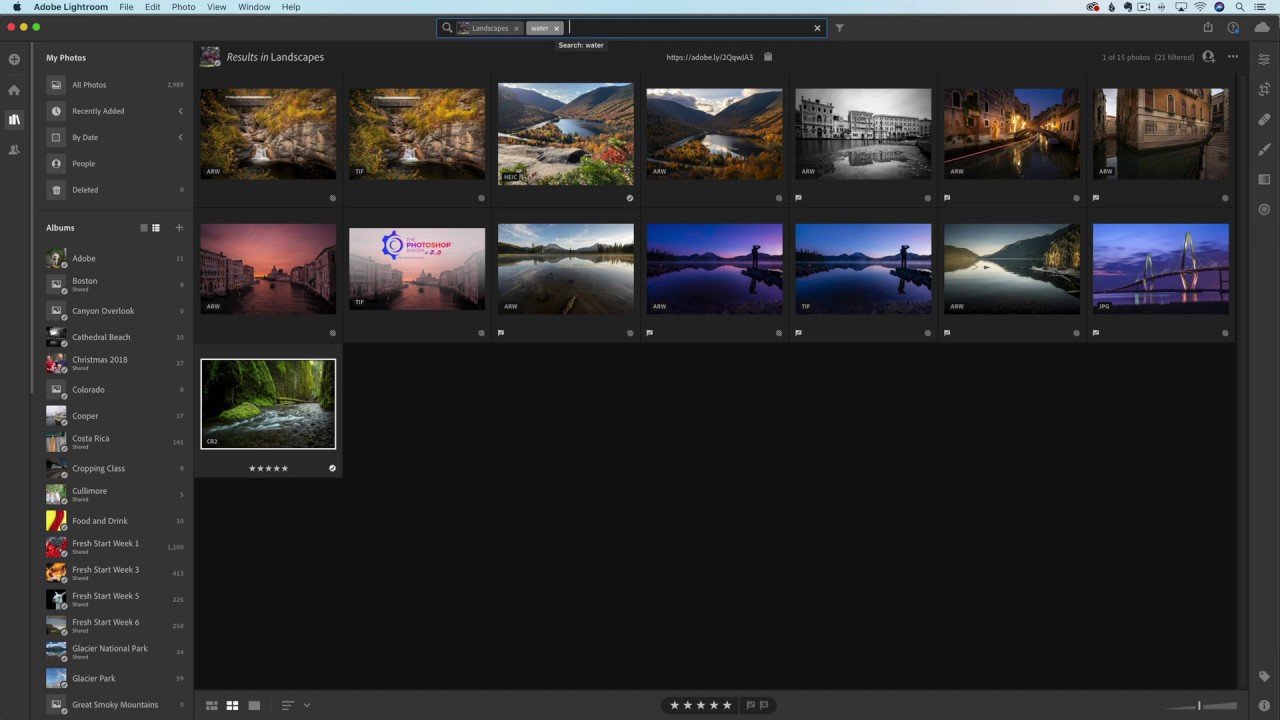
I have a Sunday morning photo walk tradition. Every week, no matter what. And after a few years of doing that faithfully, I have an embarrassing number of images sitting in Lightroom that I have never properly keyworded. Honestly, I don’t think I’ve ever met a photographer who genuinely enjoys keywording. It’s the kind of task you promise yourself you’ll do later, and later never comes. That’s exactly why this tutorial from Matt Kloskowski stopped me mid-scroll.

Stop Leaving Dead Weight in Your Photos: A Cropping Framework That Actually Works

Stop Leaving Dead Weight in Your Photos: A Cropping Framework That Actually Works

Every Sunday morning I take a photo walk. No agenda, no client, just me and whatever camera I feel like grabbing. And for years, I’d come home with shots I liked but couldn’t quite love. The framing felt loose. The subject was there, but so was a lot of other stuff, and all that extra stuff was quietly killing the image. I’d stare at the photo trying to figure out what was off, and honestly, I’d usually just move on.

How to Edit Travel Photos That Already Look Good (Without Wrecking Them)

How to Edit Travel Photos That Already Look Good (Without Wrecking Them)

Every Sunday morning I take a photo walk through whatever neighborhood I end up in, and I come home with a card full of shots that are already pretty decent. That’s where I always used to get stuck. The photos that need a lot of work are easy to approach because anything you do is an improvement. But the ones that are already good? I’d over-edit them every single time, chasing some imaginary better version until the light felt fake and the colors looked like a video game.

How Shooting for the Crop Changed the Way I Think About Composition

How Shooting for the Crop Changed the Way I Think About Composition

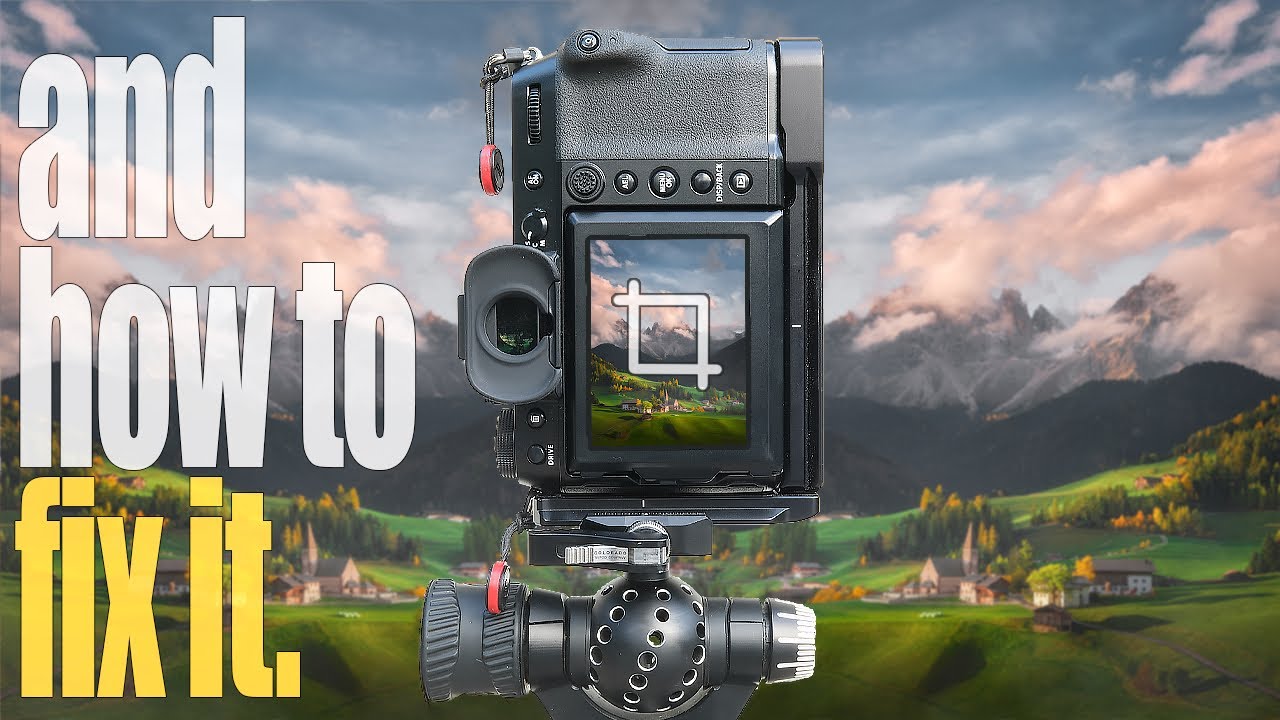
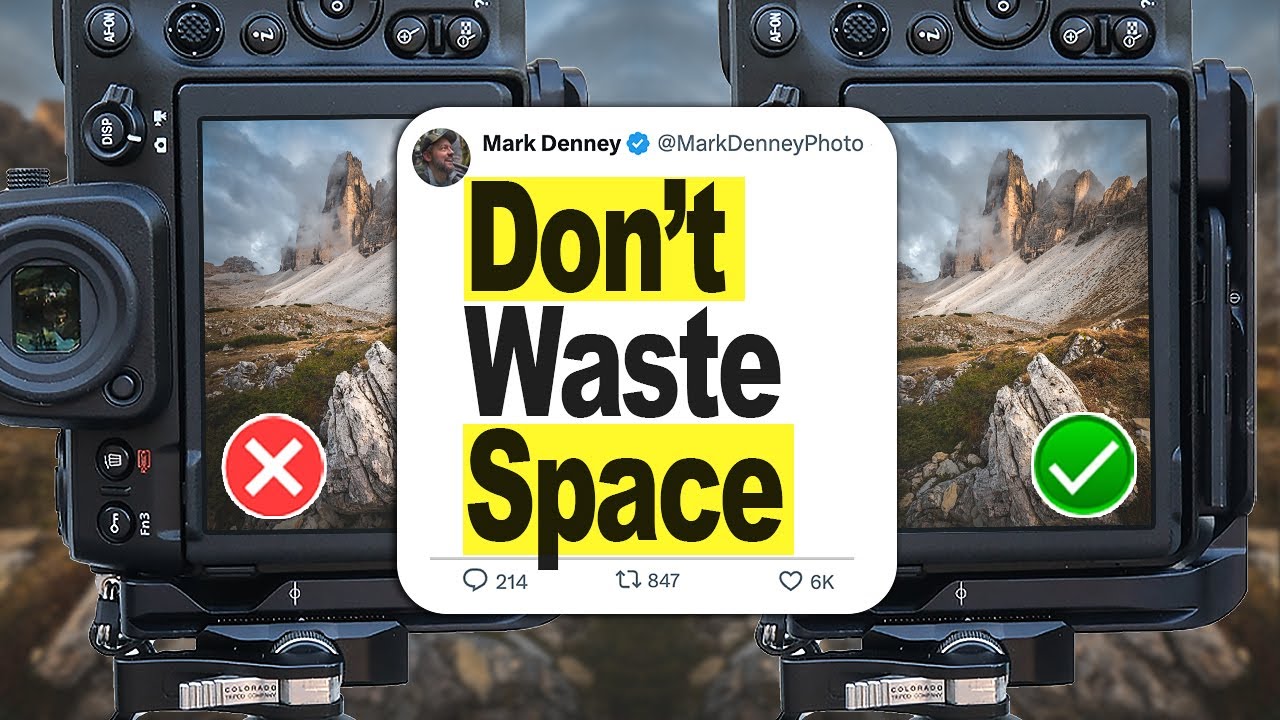
For a long time, composition felt like the part of photography where the rules multiplied faster than I could memorize them. Rule of thirds, leading lines, negative space, golden ratio — all useful, all valid, and yet somehow none of it answered the most practical question I kept running into in the field: what do I actually do when I’m not sure if I have the shot? I’d come home from a shoot, pull up my files, and realize the thing that was bothering me about an image was something I could have fixed right there on location if I’d only given myself a little room to work.

How to Actually Edit RAW Landscape Photos: A 5-Step Lightroom Workflow That Works

How to Actually Edit RAW Landscape Photos: A 5-Step Lightroom Workflow That Works

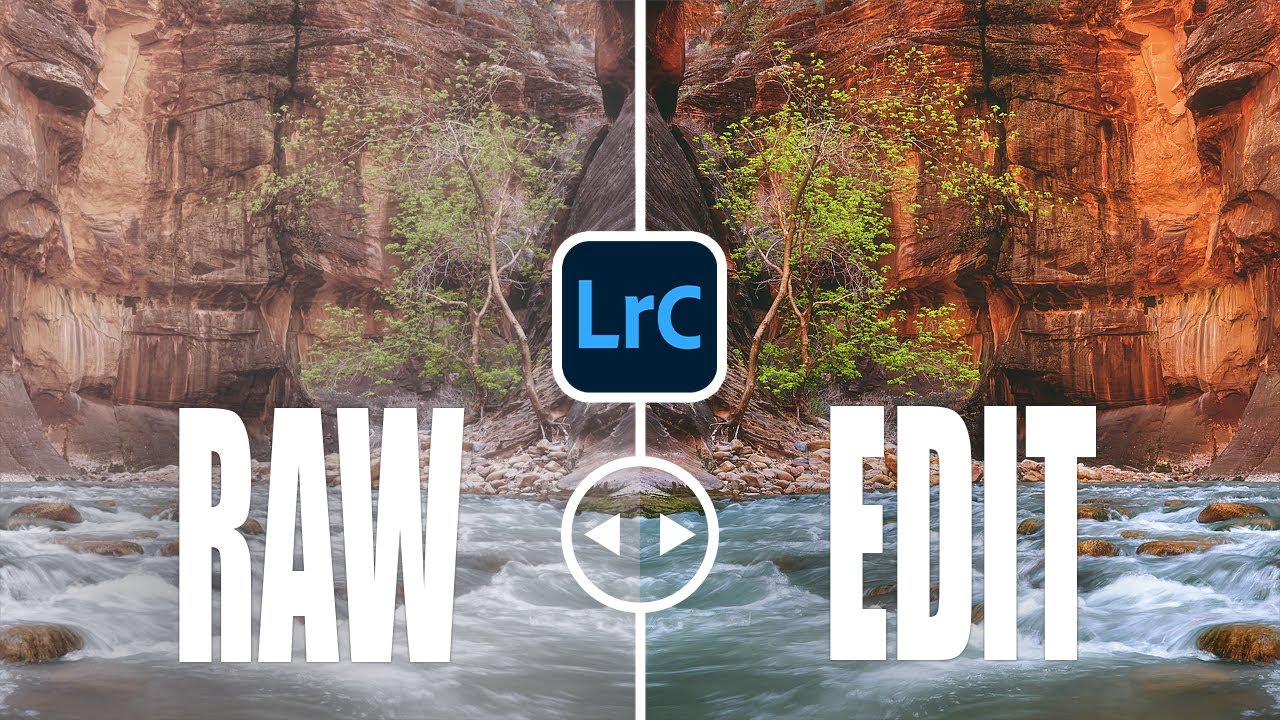
I spent an entire vacation chasing a waterfall shot. Five days, missed dinners, soaked boots. When I finally got home and opened the RAW files, I had no idea what I was doing in Lightroom and nearly threw away some of the best frames I’d ever captured. That experience is exactly why I get a little emotional when beginners tell me they just shoot JPEG because it’s “easier.” I understand the logic.

Why Balancing Your Exposure Isn't Enough — And What to Do Instead

Why Balancing Your Exposure Isn't Enough — And What to Do Instead

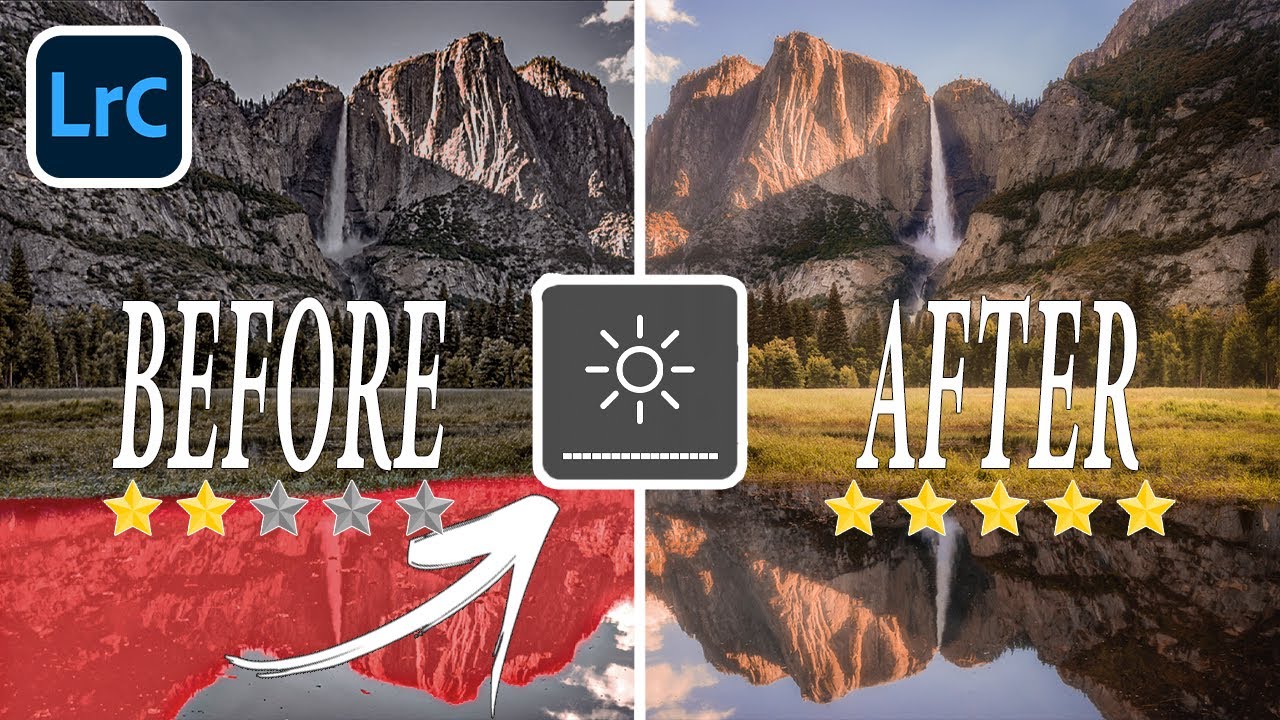
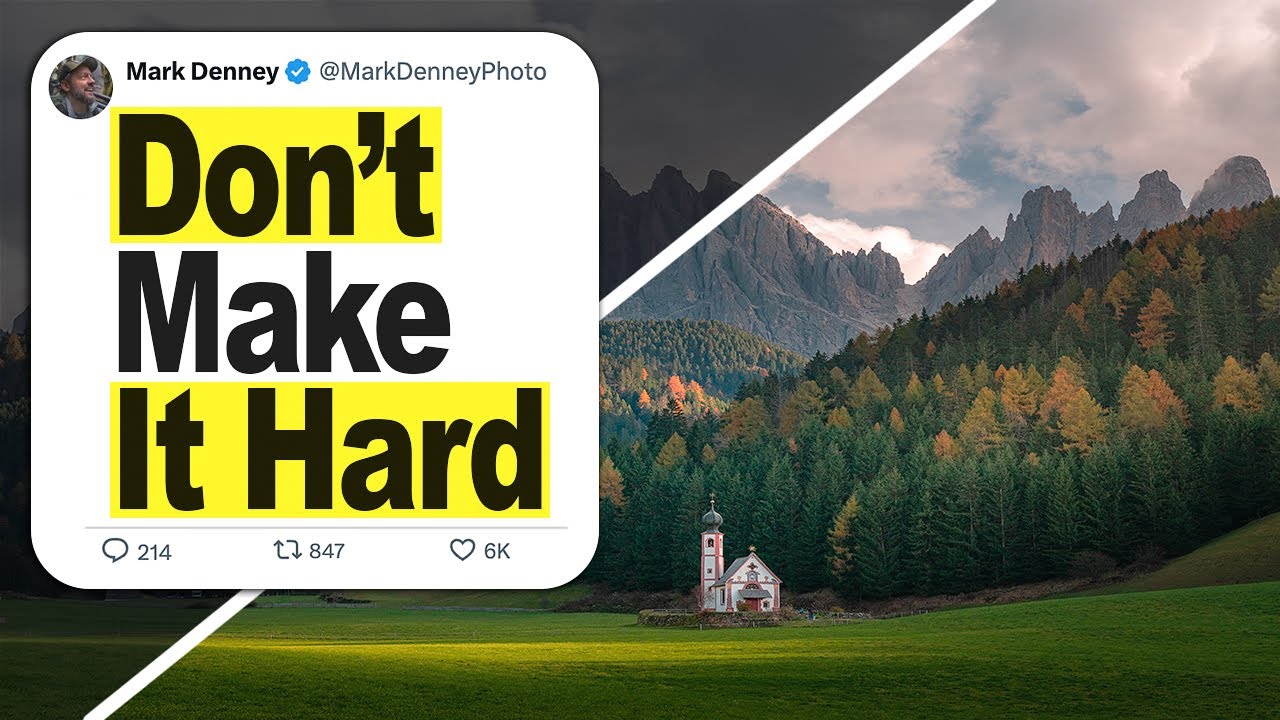
I used to think the goal of editing was simple: make the photo look like what I saw with my eyes. So I’d drag sliders around until everything was bright, balanced, and visible. The highlights came down, the shadows came up, and technically the image looked “correct.” But something always felt off. The photos were readable, sure, but they weren’t engaging. They looked flat in a way I couldn’t quite name, and I spent a long time blaming my camera or my locations instead of my editing logic.