When the Light Fails You: How to Use Long Exposure to Rescue a Flat, Lifeless Scene

When the Light Fails You: How to Use Long Exposure to Rescue a Flat, Lifeless Scene

There’s a specific kind of frustration I know well: you’ve scouted the location, set the alarm, driven out in the dark, and then stood there watching a flat gray sky deliver absolutely nothing. No color, no drama, choppy water, moving subjects. I’ve packed up and gone home on mornings like that more times than I’d like to admit. What I’ve been working on lately is reframing that moment. Instead of treating bad conditions as a dead end, treating them as a constraint that forces a creative solution.
How to Edit Travel Photos That Actually Feel Like the Place: Lessons from Peter McKinnon

How to Edit Travel Photos That Actually Feel Like the Place: Lessons from Peter McKinnon

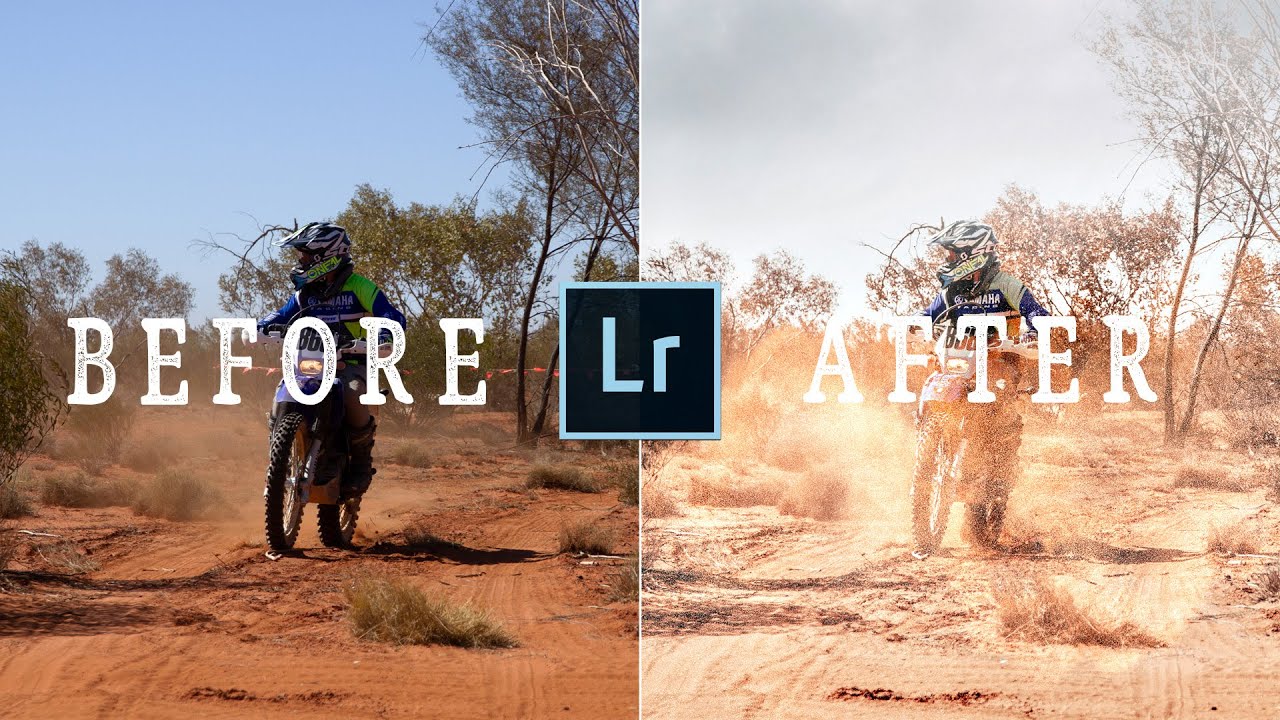
Every time I come back from a trip with a memory card full of RAW files, I face the same problem: the photos are technically fine, but they don’t feel like the place. The Grand Canyon shot looks flat and blue instead of warm and dusty. The landmark photo is cluttered or blown out. The sky is a blank nothing when I remember it being dramatic. These aren’t problems with my camera settings.

How to Rescue a Bad Photo (And What It Teaches You About Getting It Right Next Time)

How to Rescue a Bad Photo (And What It Teaches You About Getting It Right Next Time)

Every photographer I know has a folder they hope nobody finds. Mine is called “Drafts” — which is a polite name for “photos I took when I was confident and shouldn’t have been.” A blurry heron from last Sunday’s photo walk. A restaurant dish shot with the wrong white balance. A travel portrait where the focus landed on someone’s ear instead of their eyes. These happen to everyone, including photographers you follow and admire.

7 Photography Lessons I Wish Someone Had Told Me at the Start

7 Photography Lessons I Wish Someone Had Told Me at the Start

There’s a particular kind of frustration that comes from looking back at your early work and realizing you were solving the wrong problems. I spent a embarrassing amount of time early on obsessing over whether I needed a better wide-angle lens when what I actually needed was to learn how to stand in a better spot. The gear wasn’t the problem. I was. Once I accepted that, things started to click.

Stop Memorizing Composition Rules — Start Understanding Why They Work

Stop Memorizing Composition Rules — Start Understanding Why They Work

Every Sunday morning I do a photo walk around Seattle. No agenda, no client brief, just me and whatever I decide to shoot. And for years, my gut approach to composition was basically: rule of thirds, leading lines, done. The shots were fine. Technically correct. But they felt a little lifeless, like I was filling out a checklist rather than making a picture. What was missing wasn’t more rules. It was an understanding of why any of those rules exist in the first place.

Stop Leaving Dead Weight in Your Photos: A Cropping Framework That Actually Works

Stop Leaving Dead Weight in Your Photos: A Cropping Framework That Actually Works

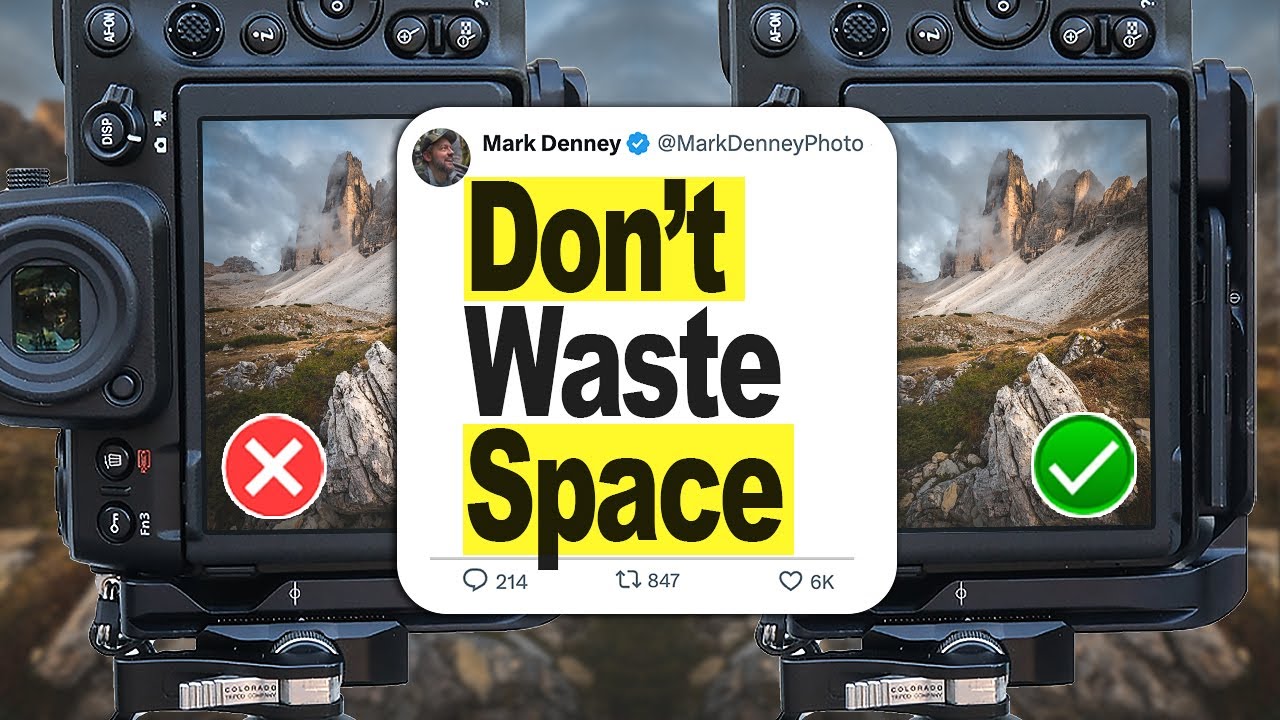
Every Sunday morning I take a photo walk. No agenda, no client, just me and whatever camera I feel like grabbing. And for years, I’d come home with shots I liked but couldn’t quite love. The framing felt loose. The subject was there, but so was a lot of other stuff, and all that extra stuff was quietly killing the image. I’d stare at the photo trying to figure out what was off, and honestly, I’d usually just move on.

Stop Setting Up Your Tripod So Fast — Three Physical Shifts That Transform Your Compositions

Stop Setting Up Your Tripod So Fast — Three Physical Shifts That Transform Your Compositions

Every Sunday morning I take a photo walk around Seattle, and for an embarrassing stretch of time, I came home with the same kinds of shots week after week. Same angles, same horizon placement, same feeling of “this is fine, but it’s not exciting.” I wasn’t doing anything wrong technically. The exposures were solid, the focus was clean. But something was missing, and I couldn’t name it until I watched a tutorial that finally put words to the problem.

How Shooting for the Crop Changed the Way I Think About Composition

How Shooting for the Crop Changed the Way I Think About Composition

For a long time, composition felt like the part of photography where the rules multiplied faster than I could memorize them. Rule of thirds, leading lines, negative space, golden ratio — all useful, all valid, and yet somehow none of it answered the most practical question I kept running into in the field: what do I actually do when I’m not sure if I have the shot? I’d come home from a shoot, pull up my files, and realize the thing that was bothering me about an image was something I could have fixed right there on location if I’d only given myself a little room to work.

You Don't Need a Story: How to Make Compelling Photos from Pure Shape, Light, and Color

You Don't Need a Story: How to Make Compelling Photos from Pure Shape, Light, and Color

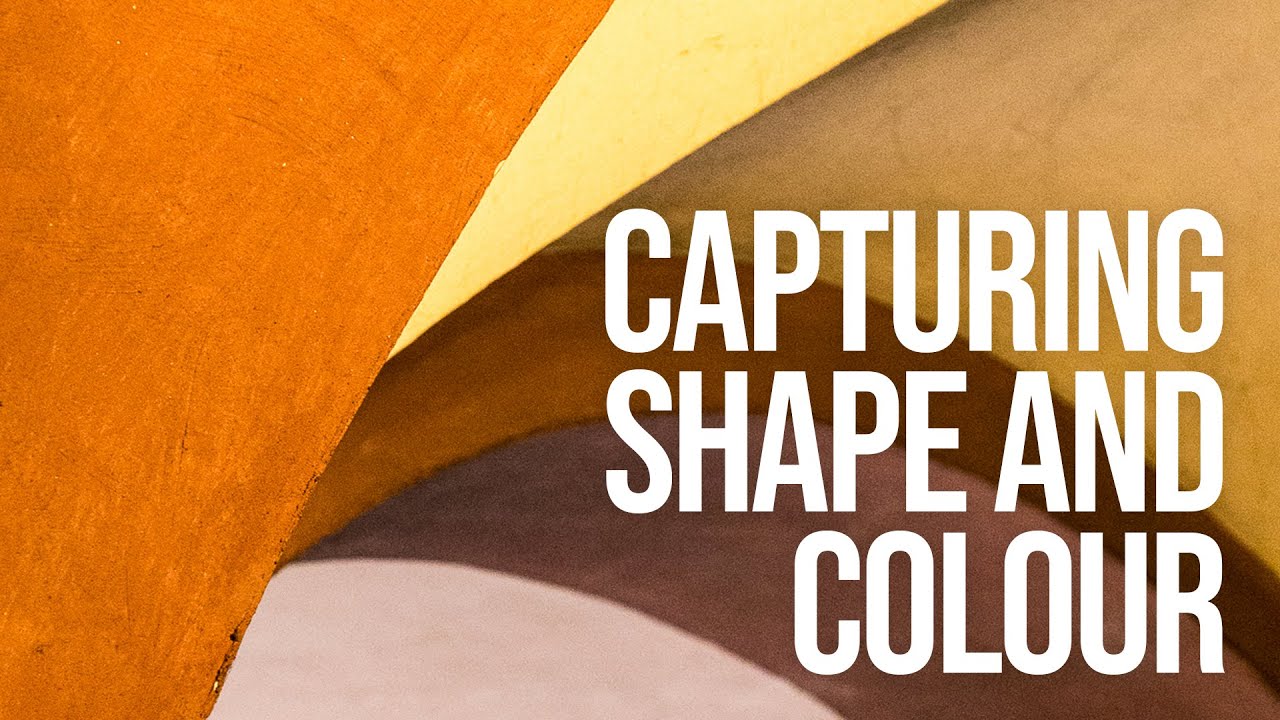
Every Sunday morning I’m out walking before most of my neighborhood has had coffee, and for a long time I felt a low-level guilt about my favorite shots from those walks. No people. No dramatic moment. Just a patch of light cutting across a concrete wall, or the geometry of a fire escape against a pale sky. Were those even “real” photographs? Was I doing it wrong? Turns out, no. And I needed someone else to articulate why before I fully believed it.

How Many Great Photos Should You Actually Expect? Sean Tucker's Layering Method Explained

How Many Great Photos Should You Actually Expect? Sean Tucker's Layering Method Explained

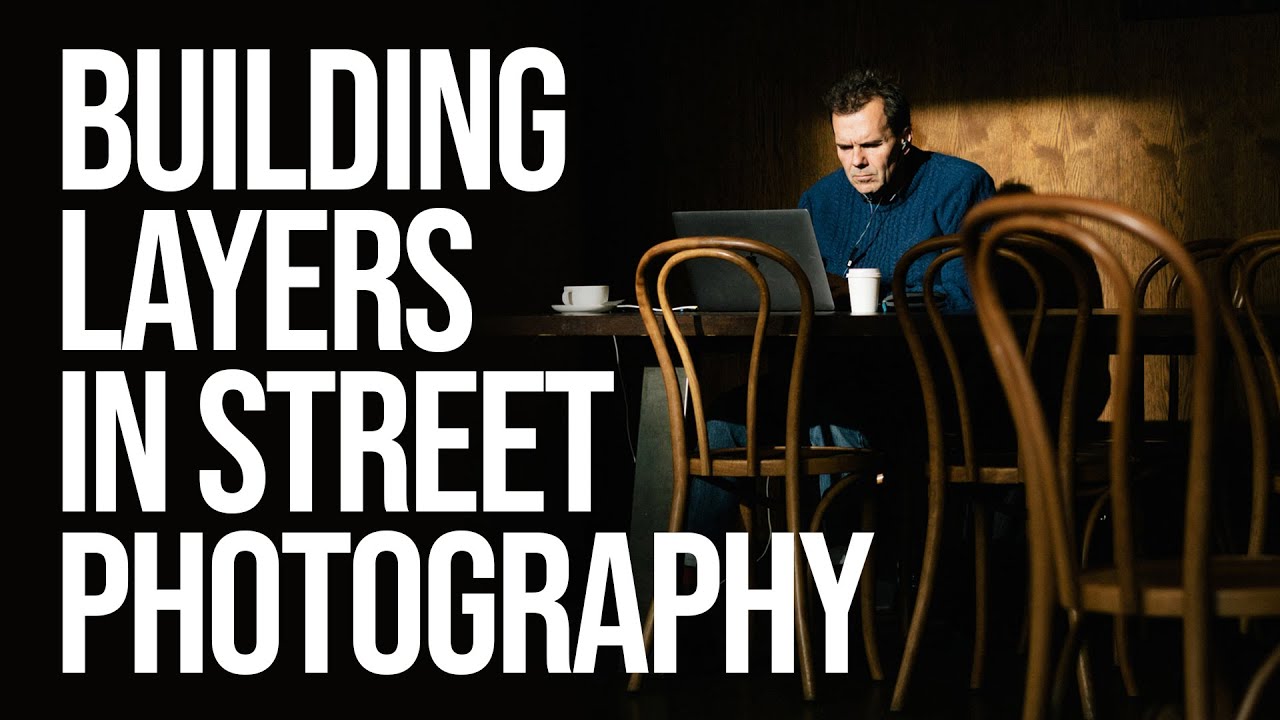
Every Sunday morning I do a photo walk. Rain, shine, Seattle gray — doesn’t matter. I’m out the door with coffee and a camera. And for years, I’d come home frustrated if I didn’t have at least one image I felt proud of. I’d scroll through 200 frames, find maybe three that were decent, and wonder what I was doing wrong. It took me a long time to realize that frustration wasn’t a skill problem.

How to Scout and Shoot Iceland's Highlands Like a Landscape Pro (Lessons from the Field)

How to Scout and Shoot Iceland's Highlands Like a Landscape Pro (Lessons from the Field)

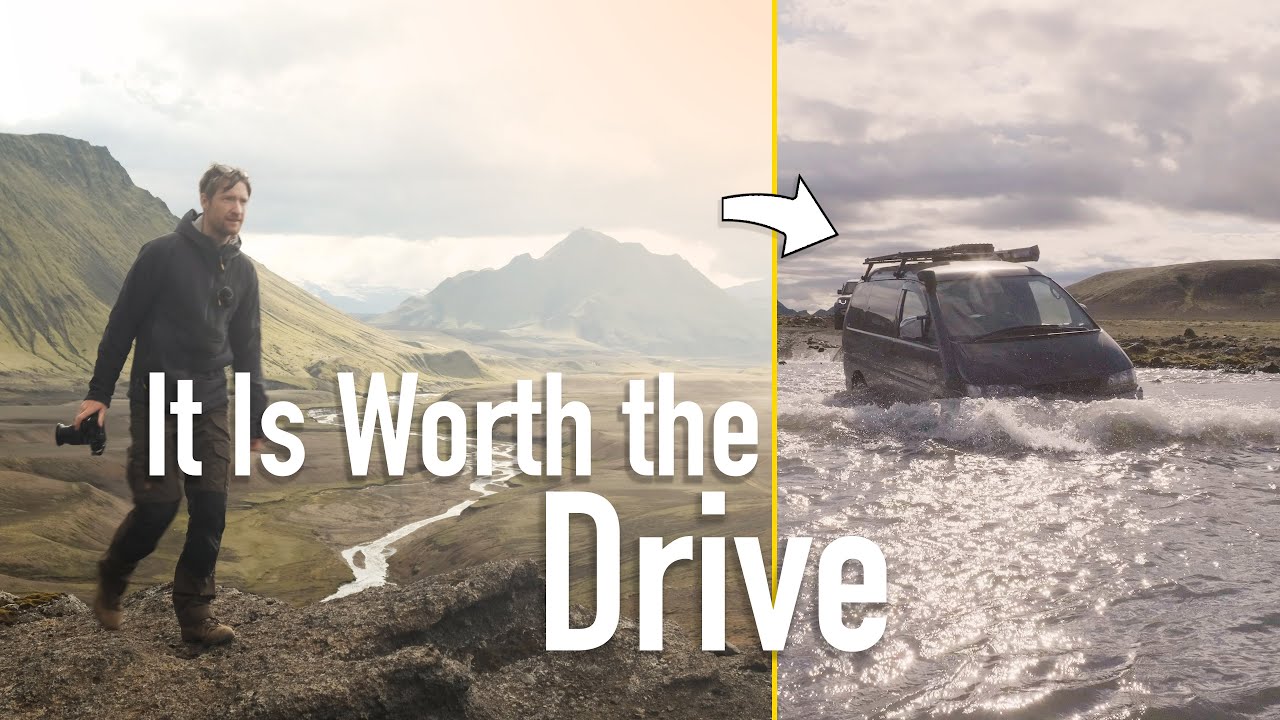
There’s a particular kind of frustration that comes from arriving at a stunning location with no plan. You’ve seen the photos online, you know it’s spectacular, but you’re standing there spinning in circles, camera in hand, with no idea where to point it. I’ve been there more times than I’d like to admit, including one embarrassing week in Oregon where I spent three days circling a waterfall before I finally understood what I was actually looking for compositionally.

Photography Cross Training: How Skills From One Genre Make You Sharper in All of Them

Photography Cross Training: How Skills From One Genre Make You Sharper in All of Them

Every Sunday morning I take a photo walk around Seattle. No agenda, no client, no shot list. I bring whatever camera feels right that week, sometimes my mirrorless kit, sometimes just my phone. What I’ve noticed over the years is that the weeks I’ve been shooting a lot of food or product work, my street portraits get sharper. Not technically sharper, sharper in the sense that I’m reading light faster, thinking about gesture more deliberately, framing with more intention.